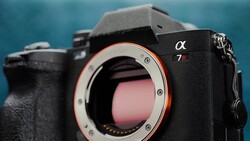
If you are trying to decide whether a 61-megapixel body can carry both your stills and video work, the Sony a7R V mirrorless camera is probably already on your short list. A long-term look at how it survives drops, bad weather, and heavy mixed use is what actually helps working photographers separate hype from a real upgrade, and you'll find it here.
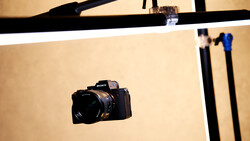
Coming to you from Roman Fox, this thorough video follows a year of real-world use with the Sony a7R V mirrorless camera and treats it like a tool rather than something that lives in a padded cube. You see what happens when a body gets thrown into a bag, dragged through beaches, and shot in serious rain, not just studio tests. Fox talks about minor cosmetic wear, a few lockups that needed a quick battery pull, and how the body has held up without overheating or corrupting files. The only quirk that really shows up in harsh weather is the hot shoe contacts getting confused when soaked, which matters if you rely on on-camera audio accessories. If you shoot outdoors a lot, that mix of abuse and reliability testing is more telling than fresh-out-of-the-box impressions.
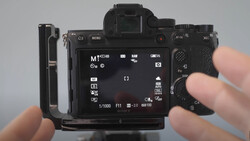
The video also spends time on ergonomics and handling, which you feel every time you head out with the camera. Fox explains that the body shape and grip let you balance everything from small pancakes to big 24-70mm or 70-200mm zooms without feeling like the camera will twist out of your hand. Controls are highly customizable, with four main dials and plenty of custom buttons so you can keep your most-used settings under your fingers instead of buried in menus. There are a few nitpicks, like the awkward locking mode dial and mismatched top button heights, and Fox is honest about those details instead of glossing over them. You also get insight into how the complex menu system starts overwhelming at first but eventually turns into a layout you barely need to touch once your custom setup is dialed in.
On the performance side, Fox makes it clear that the body feels fast and responsive, from startup to menu navigation to autofocus behavior. The autofocus performance is described as “astonishing” in how confidently it tracks subjects when you work in continuous AF and use custom button assignments to switch modes on the fly. Buffer performance, though, depends heavily on using CFexpress Type A cards instead of just SD cards, which is an extra cost you have to factor in if you want the full shooting rate and all codecs unlocked. Where things get more serious is on the workflow side, because 60-megapixel raw files and high-bitrate video can stress your storage and computer hardware much more than mid-resolution bodies. Fox compares these files to those from smaller-sensor cameras and shows how much harder they hit a travel editing setup, which is something you want to think through before jumping in.
Key Specs
-
61 Megapixel effective full frame CMOS sensor (9,504 x 6,336)
-
5-axis sensor-shift image stabilization
-
Native photo ISO 100 to 32,000 (50 to 102,400 extended)
-
Internal H.264/XAVC S and XAVC S-I 4:2:2 10-bit recording
-
UHD 8K at up to 25 fps, UHD 4K at up to 59.94 fps, Full HD at up to 120 fps
-
16-bit raw video output over HDMI at up to UHD 4K 59.94 fps
-
Dual card slots supporting CFexpress Type A and SDXC UHS-II media
-
Free-angle tilting 3.2" touchscreen LCD and 9.44-million-dot OLED viewfinder
-
Up to 10 fps continuous shooting with deep raw and JPEG buffers
-
Approximate battery rating of 440 shots with the NP-FZ100 pack
Later in the video, Fox shifts into image quality and trade-offs that come with this resolution. You see how 60 megapixels let you shoot wider and crop verticals or tighter frames out of a single file while still keeping real detail. Dynamic range and flexibility in editing get highlighted, especially how malleable the raw files are when you push exposure or color. There is also a candid look at rolling shutter issues when you use the electronic shutter with fast-moving subjects, and why you need to be more careful with silent shooting if you work with cars or anything moving quickly across the frame. A small but real annoyance is the auto white balance behavior, which can jump unexpectedly between frames in the same scene, so you may want to lean on manual white balance or be ready to correct in post if you shoot JPEG.
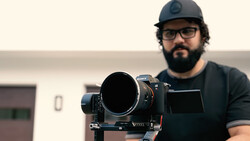
You also get a sense of how the camera feels for video and for what Fox calls “static postcards,” those rock-steady handheld clips that almost look like locked-off tripod shots thanks to the in-body stabilization and digital stabilization. That combination lets you leave a gimbal at home in many situations if you keep your movements controlled and sometimes use a heavier lens for better balance. Toward the end, Fox talks about who actually needs this body and when you might be better served by something like the smaller Sony a7CR, the hybrid-focused Sony a7C II, or the all-round Sony a7 IV if you do not really need 60 megapixels. The full video goes deeper into pricing, sales timing, and how the a7R V compares with those alternatives in daily use. Check out the video above for the full rundown from Fox.


Join the Fstoppers community for free
-
Post comments and join in the discussions
-
Browse the site ad-free
-
Share your work and get featured in the community
-
Compete in the photo contests for fun and prizes
1 Comment
To me this review is based on someone who is more interested in the tech of the camera rather than what it can produce. I don't have this camera but I will switch from my current system to the next version, the A7RVI, hopefully released next year. Based on several YouTuber's images using this camera, this is an excellent landscape, nature, and portrait camera (coupled with the right lenses) and has the ability to do a decent deep crop on a full frame camera without spending thousands more on medium format. The minimum video specs don't bother me as I rarely shoot video. It seems that this reviewer bought the wrong camera.