Choosing a camera system in 2026 feels harder than ever because the differences are smaller than they’ve ever been. You can get strong results from almost any brand, so the real question is what keeps pulling someone back to one system over time.
Coming to you from James Reader, this straightforward video lays out why he continues to shoot Canon, starting with color and specific bodies like the Canon EOS R6 Mark II and the Canon EOS R8. Reader is clear that color is subjective, and that most modern cameras are close, especially if you edit in Lightroom. Still, he prefers the starting point Canon raw files give him, particularly for people. He points to the contrast curve, the skin tones, and how close the files feel to his finished look right out of camera. He also highlights Canon’s in-camera profiles like Standard, Faithful, and Neutral, noting how each gives a distinct base without heavy correction. If you rely on JPEG delivery for sports or quick turnarounds, that consistency across bodies starts to matter in real-world jobs.
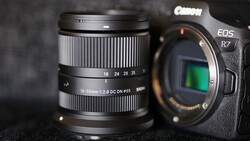
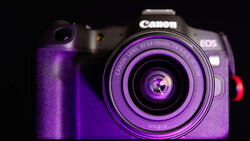
Then he moves to lenses, and this is where his opinion sharpens. He mentions standouts like the Canon RF 50mm f/1.2L USM, the Canon RF 85mm f/1.2L USM, the Canon RF 28-70mm f/2L USM, and the Canon RF 24-105mm f/2.8L IS USM Z. He describes them as optically sharp but still full of character, which is a balance not every brand gets right. The point isn’t just sharpness charts. It’s how a lens renders a face at f/1.2, how a zoom handles contrast at 70mm, how stabilization in a standard zoom helps when shooting handheld video. He also reminds you that Canon EF lenses adapt smoothly to RF bodies, opening up a deep used market that many overlook.
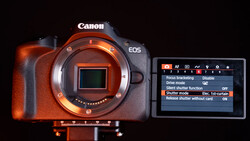
Reader also talks about ergonomics. He prefers the grip shape, the rounded edges, and the way Canon bodies sit in the hand during long shoots. Even smaller cameras like the R8 keep a solid grip, avoiding the cramped feel some compact full frame bodies can have. He finds the menu system intuitive and consistent across models. That familiarity builds over time. When switching between systems, small layout differences can slow you down. When you’re working fast, that muscle memory matters more than spec sheets.
Reliability gets its own section. Reader shares personal experience shooting in heavy rain and in temperatures as low as minus 25 C without issue. He notes high shutter ratings and the general reputation Canon bodies have in demanding environments. He does acknowledge overheating concerns in certain video-heavy situations on bodies like the Canon EOS R5 Mark II, but keeps the focus on stills performance and overall dependability across the line.
Finally, he talks about hybrid use. From entry-level mirrorless bodies up through cameras like the Canon EOS R50 V, the system offers strong video without requiring a separate setup. He also mentions his use of the Canon EOS C80 and the Canon EOS C50 in the cinema line, pointing to a clear path if video becomes a bigger part of your work. Canon Log options, reliable autofocus, and familiar color all carry over.
He does not claim Canon is objectively the best. He even notes that Sony offers broader third-party lens options, especially on a tighter budget, and that Nikon’s color science runs close. His point is simpler. In a market where everything performs well, the small preferences add up. Check out the video above for the full rundown from Reader.


Join the Fstoppers community for free
-
Post comments and join in the discussions
-
Browse the site ad-free
-
Share your work and get featured in the community
-
Compete in the photo contests for fun and prizes
No comments yet