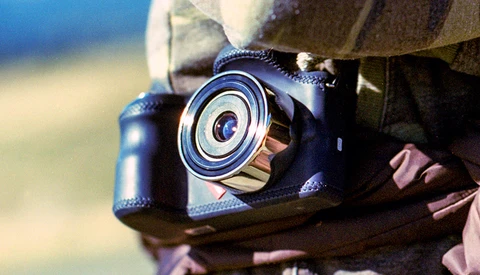
Relonch’s Camera as a Service Model Turns Normal Camera Ownership on Its Head
I recently traded my Nikon DSLR for an unbranded mystery camera for a few days to test out an entirely new concept: camera as a service.
I recently traded my Nikon DSLR for an unbranded mystery camera for a few days to test out an entirely new concept: camera as a service.
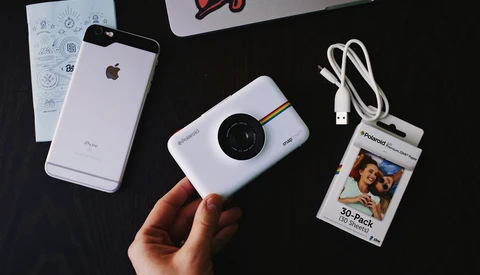
Polaroid has been an iconic brand for over 80 years in the photo community. Even though they have had a few recent slips to adapt to the fast-growing tech world, it's finally finding its grass roots in the latest generation of photographers. Their latest offering comes with the incredibly fun and portable Polaroid Snap Touch.
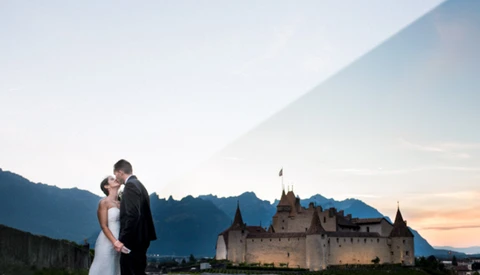
I’m sure many of you have wished at times that you could decrease your presets' opacity in Lightroom. There isn’t any real option existing, or so I thought until I stumbled upon The Fader by Capture Monkey. It's a simple plugin which allows you to increase or reduce your presets' strength.
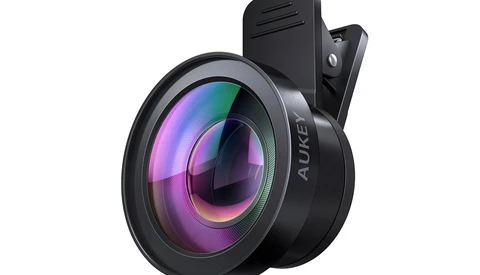
“The best camera is the one you have with you.” To an extent, that quote is correct, and with current cell phones having pretty good cameras built into them, this is usually a camera we all have with us most of the time. Sometimes, we find ourselves wanting more out of our cameras in the phone.
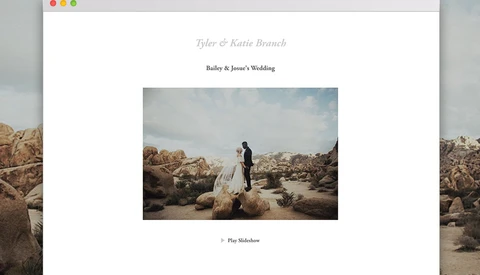
Pixellu released SmartAlbums about two years ago, and it was a game changer for wedding photographers. Creating albums was made easy and affordable, even for those who don’t know a thing about design. They are back with a new product this year and aim to change the game again. This time, they bring a slideshow solution called SmartSlides.
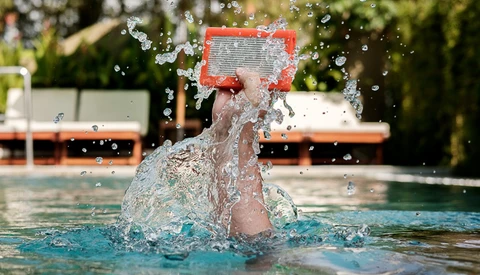
There are countless hard drives of all shapes, sizes, types, speeds, and capacities flooding the market now. As professionals, it's often quite a task to wade through the hype about every new offering and decide what's really the best drive for us.
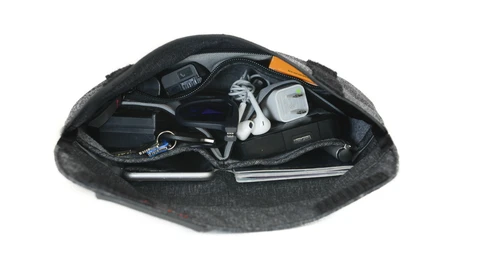
Here at Fstoppers, we will get you information on the newest announcements, the most exciting technological developments, the most jaw-dropping photo shoots. But you're not just on this site for that.
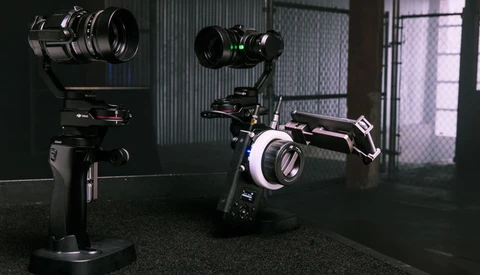
Chinese drone manufacturer DJI turned heads in 2016 with the release of the Osmo Raw, the world’s first handheld steadicam system with raw video capabilities. The appeal was obvious; the ability to capture enough data for effective color grading in post production, whilst utilizing the portability and effective steadicam technology from the original Osmo.
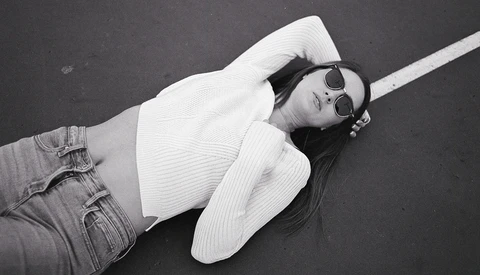
This is more or less the camera that started film photography for me. Since developing an appreciation for Joey L’s work, I wanted to shoot medium format. The focus falloff and rendering was just so surreal compared to full-frame and crop-sensor cameras that I had been shooting with. Unfortunately, the cost of entry was a little steep for a digital back.

As most of us know, DJI came out with the Phantom 4 Pro a few months back and decided to add a few collision/infrared sensors to it along with putting a larger sensor inside of the actual camera itself with a mechanical shutter to allow for more control of the camera. After my buddy, Vin, got his Phantom 4 Pro, I realized this whole sensor size thing was no joke.
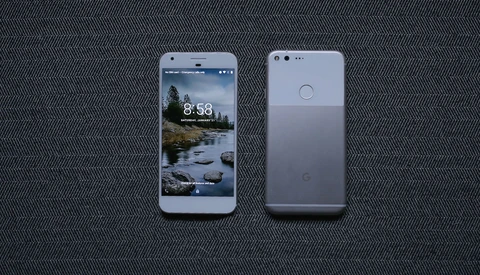
Apple lovers around the world, including myself, now have some serious reason to leave behind their beloved iPhone they have for the new Google Pixel. Introduced back in October the phone was welcomed with huge praise boasting some incredible specs.

Announced on Fstoppers a while back, the Platypod Pro Max Camera Support is one of my favorite recent additions to my primary camera kit.

Lensbaby has been making creative effect lenses for SLR and DSLRS for many years, and maintain a high level of popularity among a wide range of photographers. They have three primary “looks” that they sell in their lenses: selected focusing, soft focus, and a “twist” effect (similar to a Petzval lens).

Back in June, I reviewed the Hawkesmill Jermyn Street Camera Bag, which I continue to love to this day. I have used it every day for the past nine months, easily swapping in panels for when I need to carry camera gear and removing them when I just need an awesome daily bag.

The more you photograph people, places, and things, the more you understand how much control the available light has over the outcome of your image. Taking advantage of tools like filters to limit or modify the light coming into your camera is a great way to craft a unique image and even add a dramatic flare that you may not be able to create otherwise.
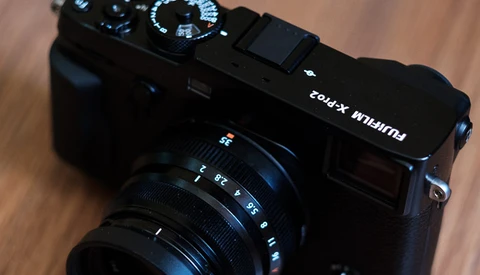
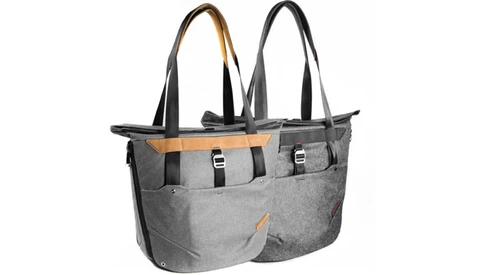
Peak Design is a camera accessory and bag maker that began on Kickstarter, producing the Everyday Messenger bag. They designed the Everyday Messenger in cooperation with photographer Trey Ratcliff, who supposedly had quite a bit of input on its usability.
This week, ON1 Software released their new Photo RAW 2017 processor. It functions as both a raw processor and a simple editing workflow that can be used as a standalone application or as a plugin within various other editing applications such as Lightroom.
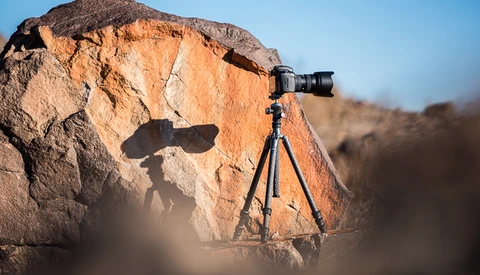
If you’re anything like me, you’ve spent hours browsing sites like B&H Photo Video comparing different tripods, tripod heads, and their features. You may also take it a step further by watching reviews until your eyes burn before you decide to finally make that decisive click and add one to your shopping cart. It’s an understandable practice if you ask me.
![Goodbye Tether Cords: Testing out the New Case Air Wireless Tethering System [Review]](https://cdn.fstoppers.com/styles/med_16_9/s3/lead/2016/12/tether_tools_case_air_review_.jpg.webp?itok=j0JCfHQ_)
Do you live tied down? Weighed down by the ball and chain? Feel like you're living with a leash on? No, I'm not talking about your love life, I'm talking about that tether cord attached to your camera. In-studio or on-location tethering has become a necessity, especially if you're working with clients.
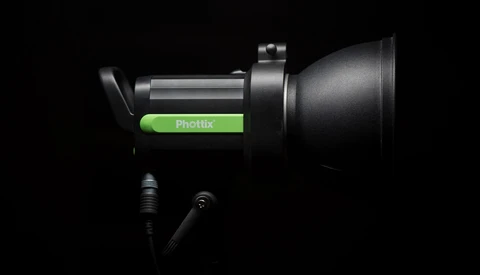
After shooting flash for a handful of years, I have acquired a small arsenal of lights that are suited for different needs. I have the large studio lights that are great for overpowering the sun, small hot shoe flashes that have the ability to use features like TTL and high-speed sync, and then video lights that allow me to see exactly what my light is doing before I take an image.
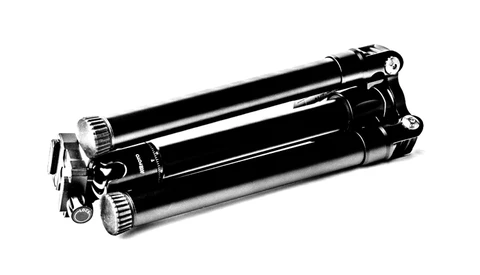
The idea of a travel tripod causes hesitation. On one hand, you have a size that makes bringing a tripod on location no longer a physical strain. On the other, these tripods tend to be thin, causing them to be less sturdy than larger, thicker tubed tripods. The key to a good travel tripod is striking a balance of size and strength.
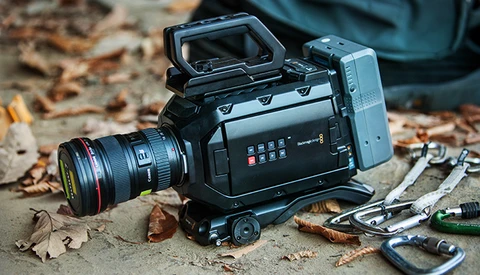
Blackmagic sent me one of their 4.6K URSA Mini Cameras to play with, and after just a few short days of messing around with it, the URSA Mini certainly made an impression. A RAW, 16-bit, 4608 pixel-wide impression to be specific. In short, this camera system is a beast, and comes at a price point that is very attractive.
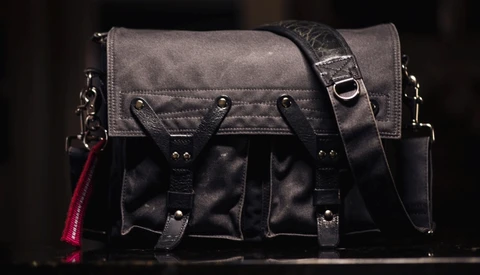
More and more photographers are starting to adopt a minimalist approach to their photography gear. What this means is that users want and need smaller bags that accommodate their gear. Having a small camera body and a couple lenses is almost useless if you have to let them rattle around in larger traditional camera bags.
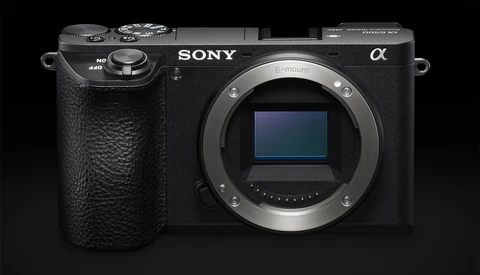
In early October, Sony announced a new addition to their a6000-series of APS-C mirrorless cameras. This camera, the a6500, is the new flagship of Sony’s crop-sensor line and costs $400 more than the previously released a6300. So what are we getting for that extra cash? Check out my first hands-on look of the 24.2-megapixel Sony a6500.