Interpreting and Executing Two Briefs
In my last Fstoppers post, I shared an interesting video called Briefly, which discussed how and why a company or advertising agency might approach developing or executing a creative brief.
In my last Fstoppers post, I shared an interesting video called Briefly, which discussed how and why a company or advertising agency might approach developing or executing a creative brief.
In the photography business, collaboration among all the players at a photo shoot is the key to success. We all know that concept is king, and effectively communicating that concept to your production team, model, retouch artist, makeup and hair stylists, and printer can make or break your idea.
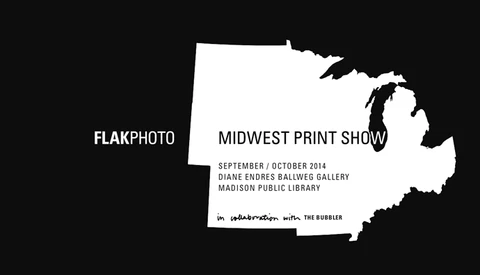
In conjunction with The Bubbler and the Diane Endres Ballweg Gallery of the Madison Public Library, Andy Adams of FlakPhoto has produced a new photo exhibition called the Midwest Print Show. The show features 41 photographers living and working in the Midwestern United States, and includes a variety of subject matter from across the region.
Mercedes-Benz – yes, the automobile manufacturer -- has shared a nice video featuring The Impossible Project and their quest to bring instant film back to the marketplace.
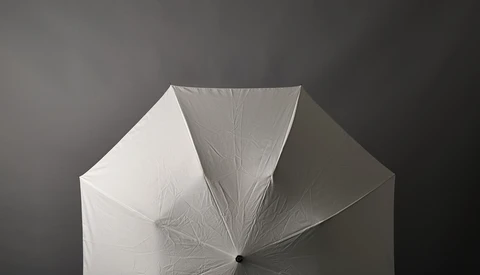
You may have noticed during our studies of umbrellas and technique that we have been lighting everything in a very direct manner, illustrating some very basic techniques for you to test out with your own photos.
We’ve studied how direction and angle can drastically change the quality of light produced from your umbrella. We have also seen examples about how distance can change the umbrella light falling on your subject.
Last week, we talked about how to understand the difference between your bare flash unit and a flash fired through an umbrella. We learned that adding the umbrella would drastically change the light, creating a much softer glow to aim toward your photo subject. We also learned that we could use a white umbrella in a shoot thru position or a reflective position.
Many photographers get their start by taking natural light photos, then progress into experimenting with flash photography. Maybe you’ve tried a flash on top of your DSLR, only to become frustrated and disappointed from the results. If you thought those images looked bad, don't fear.
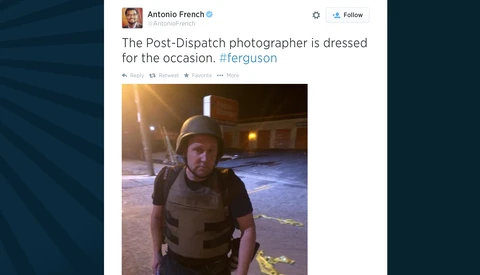
By now, many of you have seen the news coverage surrounding the Michael Brown shooting in Ferguson, Missouri. The shooting took place on August 9, 2014, with the demonstrations and looting beginning shortly thereafter. Unsurprisingly, nearly every major news outlet has a team in Ferguson to cover the events.
Sure, you could go grab incredible live shots of an artist and post them all over the internet. Guess what? If those images aren’t in their manager’s hands when it is time to make the new round of posters or t-shirts, you’re no further along in terms of advancing your photography business than you were before you hit the shutter button.
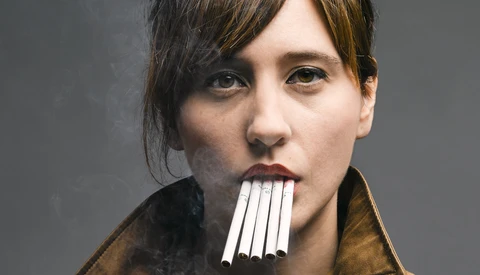
It’s always nice to work with a client that has as much invested in making a great image as you do. I recently had the opportunity to work with poet and academic Katie Schmid for some portraits. Outside of her own poetry, Katie writes for a few blogs and online magazines.
I recently produced a documentary on fine art photographer Tony Irons, showcasing his new photography exhibit entitled “Dead Weight.” The collection includes images created in a studio setting on large format film and landscapes photographed in and around Taipei, Taiwan.
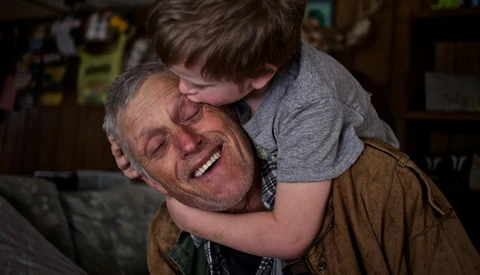
We all have our own motivation for the images we choose to make. Every photographer has that little voice, that driving force pushing you toward the goal, or that feeling in your gut when you really nailed it.
Maybe that works to your advantage now, but at some point, it’s likely to break loose and run wild…for better or for worse.
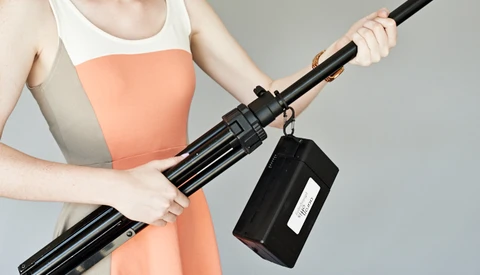
Paul Buff’s Vagabond Mini is a great portable power source for flashes. I use these little gizmos all the time, and in many different situations. They charge quickly, and they allow for a fast recycle flash time. Here is a $3 improvement on the Vagabond Mini that has made a big difference for me.
Michael Bay, the American movie director and producer, is worth millions of dollars. In fact, Forbes has Bay making $66 million in 2014 – and that’s just through the first six months of this year.
How’s he do it? Well, Tony Zhou has created a mashup of Bay’s movies for us to study. Let the Bayhem begin.
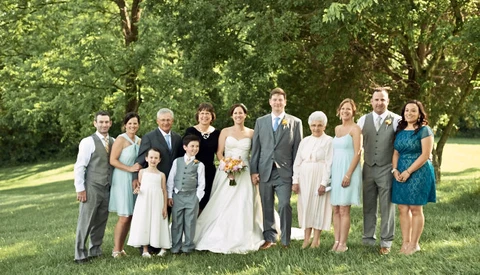
You don’t need another image of the bride’s shoes, the groom’s bow tie, or some other “detail” photo to repost all over your Pinterest album. Really, you don’t. That’s not the photo that will make you the hero of the wedding day, or even keep you in the conversation for the rest of the evening.