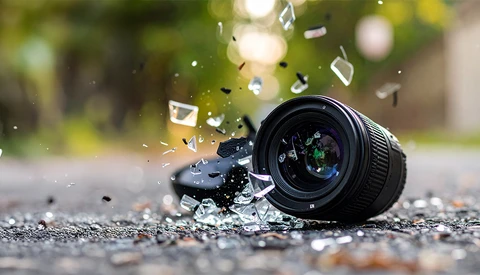
Prime Lenses Are Becoming Less and Less Relevant
Think prime lenses are still unbeatable? Think again—modern zooms are challenging everything we once believed about the best lenses.
Below are the most bookmarked articles by our members.
Think prime lenses are still unbeatable? Think again—modern zooms are challenging everything we once believed about the best lenses.

Dixie Dixon, the international fashion, lifestyle, and advertising photographer, is known for the glamorous images she creates for elite brands such as Disney, Virgin, and People magazine. She answered our Ten Questions, telling us what gear she can’t do without, what inspires her, and why Vaseline is indispensable.

You may have heard you should shoot in raw, but why use a format that's bulkier and takes more work? Let's explore the benefits.

Affinity Photo 2 offers powerful tools to enhance your raw images quickly and accurately, giving you professional results without the complexity or high cost of other software.
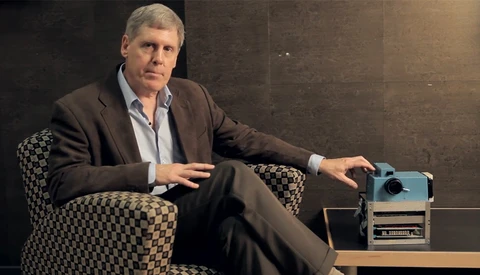
Photography has always been about capturing light to preserve moments. For over a century, that meant exposing a roll of film and then disappearing into a darkroom or waiting for a lab to develop the images. It’s easy to forget how different this process was before digital cameras came along. In the 1970s, the idea of instantly seeing a photo on a screen felt like science fiction. Yet it was in this era of film and chemicals that a young engineer quietly built a device that would change photography forever. What follows is the story of how the first digital camera was invented and how it transformed the way we take and share photos.
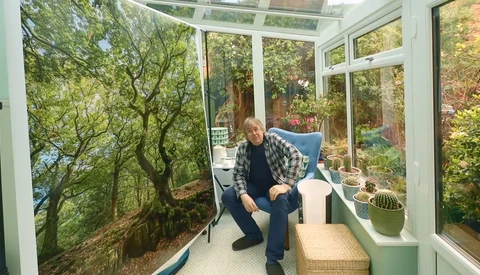
Buying a large format printer doesn't automatically guarantee big prints. Understanding what "big" really means and the considerations involved in producing large-scale photographs is crucial, particularly if you're planning to print at exhibition sizes.
Ever feel like your photos are just shy of great, missing something small yet crucial? Many photographers experience this subtle frustration, and recognizing what's off is the first step toward exceptional results.

You don’t need a passport. You don’t need a model. And you sure as hell don’t need permission. What you do need is your camera and a little curiosity.
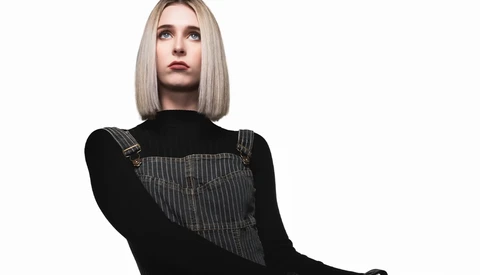
Exploring how to intentionally push your creative limits can dramatically improve your portrait photography. Whether you're seasoned or starting out, understanding how to control lighting effectively shapes your style and widens your capabilities on set.
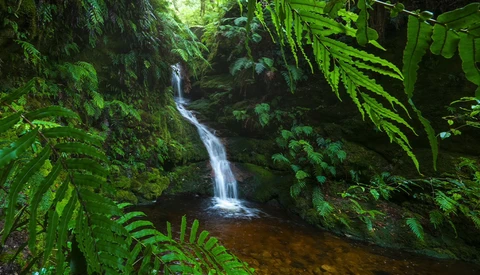
Finding hidden waterfalls or capturing streams that few have seen can set your photos apart and add depth to your work. Beyond beautiful landscapes, it's about challenging yourself and staying creatively sharp as you encounter new scenes.
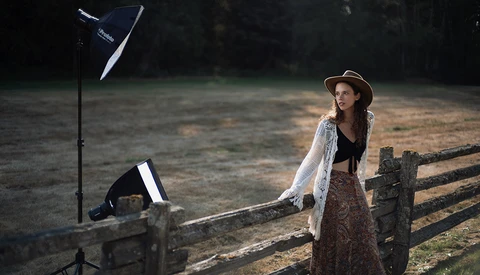
Balancing on‑location flash with existing light sits at the heart of compelling portrait work. Photographers who understand how a slight shift in ambient exposure reshapes mood and subject separation gain tools that make creative intent feel effortless rather than frustrating.

If you’ve been following along, you’ve probably started noticing something funny: SEO isn’t actually about being clever. It’s never been about outsmarting the search engines—it’s about being clear. You’ve started naming and uploading your images with intention. You’ve updated your homepage to say what you actually do. You’ve stopped tossing overused keywords into the void and started speaking your clients’ language. Google is beginning to understand you. And maybe, just maybe, so are your ideal clients.
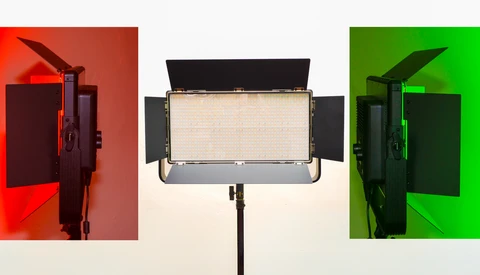
Neewer has released two new panel lights. Perfect for video and great for photography too, these powerful yet affordable arrays have slightly different functions and open up a host of creative possibilities. If you were seeking this kind of lighting, which would you choose?
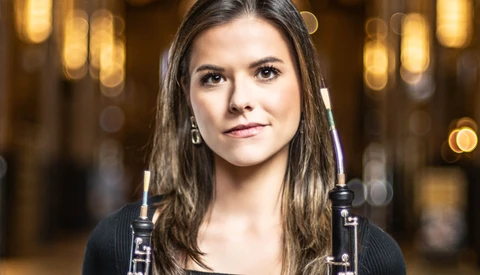
In recent years, some of the world's cheapest lenses have made appearances in the world's most expensive movies. Several scenes in "Batman" (2022) and "Dune: Part Two" (2024) were filmed using re-housed vintage Soviet optics first produced in the 1950s. Surprisingly, these lenses—actually defective copies of optically superior German Zeiss designs mass-produced in Soviet factories—are cheap and plentiful and can be obtained for under $100 apiece. So why are major movies being shot on cheap lenses?
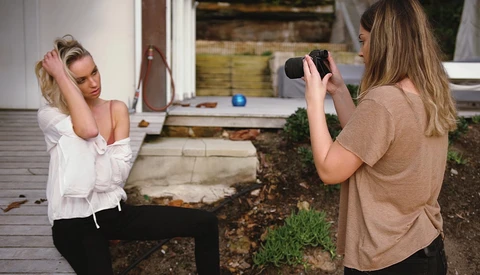
Learning to shoot in manual mode gives you greater control over your photography and helps you understand how to adapt to various lighting conditions. Mastering this skill is particularly valuable for outdoor portraits using natural light since you have to constantly adjust settings to match changing circumstances.
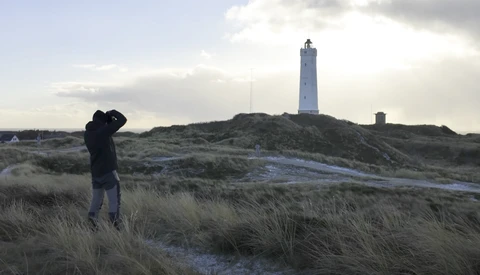
Do you find yourself scrolling social media, admiring wonderful photos from exotic locations with a bit of jealousy? Or maybe you are frustrated with not being able to travel frequently? You may have fallen into the trap of thinking you have to travel to take great landscape photos. It doesn’t have to be that way.
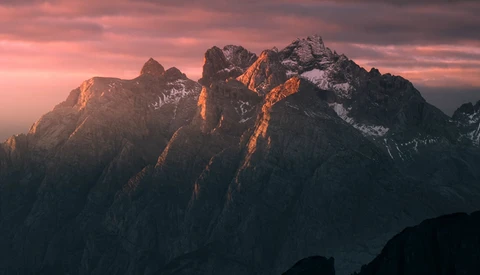
Post-processing is crucial because it helps you translate your vision and personal style into your photographs. Knowing specific editing techniques empowers you to shape images according to the mood and depth you're aiming for.
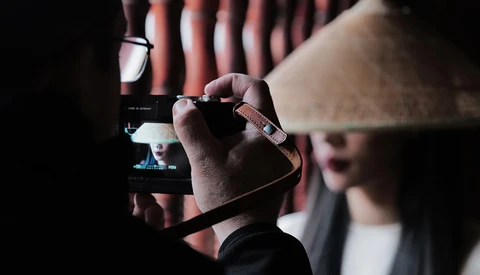
Mastering composition is a fundamental skill, crucial whether you're shooting portraits, street scenes, or documentary photography. One recurring composition mistake can detract significantly from the impact of your images, and it's an issue many photographers overlook.
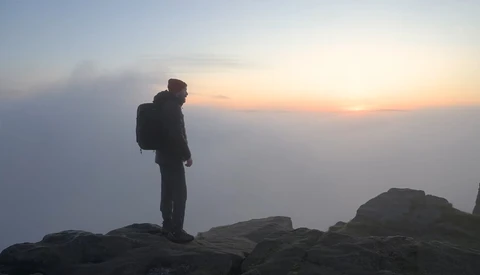
Landscape photography close to home offers far more than convenience—it transforms your familiarity with your surroundings and deepens your skills as a photographer. You might overlook hidden beauty nearby simply because it's routine, but a subtle shift in perspective can turn familiar terrain into something extraordinary.
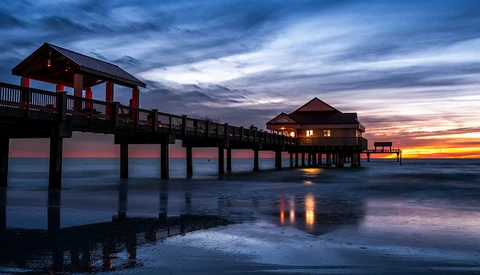
Mastering Lightroom can feel overwhelming simply because the software packs so many features. But you don't need to learn everything. Knowing just the right tools can elevate your photo editing significantly.
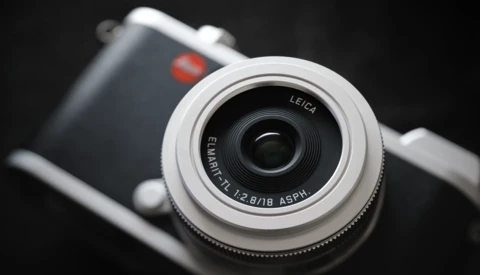
The idea of traveling with just one camera and one lens wasn’t something I decided on a whim for my most recent trip to Hong Kong. If I am being honest, it was mainly inspired by Leica’s design philosophy, Das Wesentliche, or "the essentials," when I read about it a few months back.
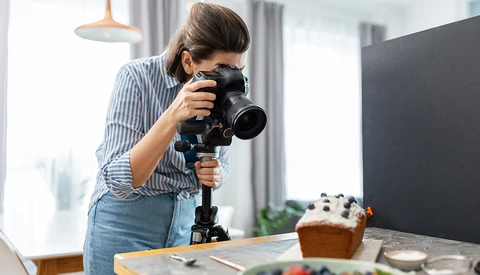
If the idea of relying on Instagram, TikTok, or other social media platforms to attract photography clients stresses you out, there is some good news. You can actually build a successful photography business without needing to spend endless hours posting and engaging online.
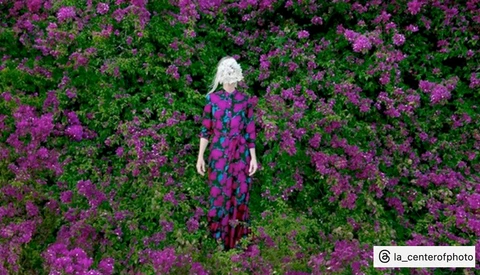
The business value of social media can’t be overstated, but not everyone wants to vamp in videos—the common path to stardom. Luckily, you don’t have to, says Janis McGavin, director of marketing and social media for the Los Angeles Center of Photography. “How do I know this?" she said. "I’ve done it.” She took the LACP’s following from zero to 18,000 followers (and growing) without appearing on camera. If you follow a few basic principles, you can expand your audience and your business without stepping in front of the camera (and even more if you do).
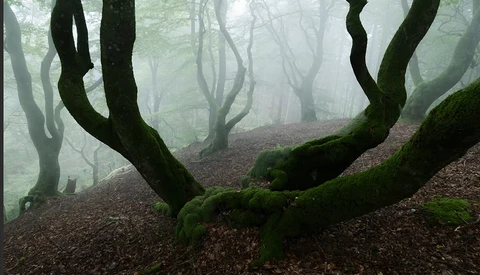
Efficient editing in Lightroom or Camera Raw can significantly elevate the quality of your landscape photos without overwhelming you with complexity. Learning focused techniques helps you produce professional-level results consistently.
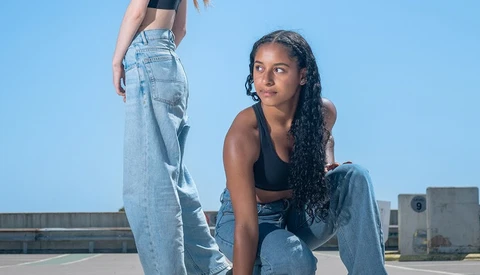
The export process in Lightroom Classic helps you efficiently share your images exactly as you envisioned them. However, without the right export approach, even your best edits might not translate well across different platforms or devices.