
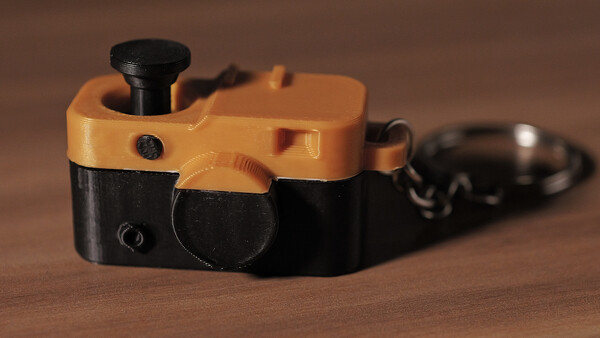
Whether you do photography as a hobby or professionally, there are a lot of tools and accessories that make what we do easier, more convenient, or even more foolproof. Sometimes even the simplest tools can be instrumental in how we achieve our shots or, on the other hand, something equally important: how we take care of our camera gear. Whatever these tools are and no matter how simple, we often need to buy them from a physical store or an online source that will take a couple of days to ship. But with 3D printing now becoming more and more accessible, we can have those tools ready for use within a couple of hours. Here are some ideas for what you can print from the comfort of your own home.
1. Labeled and Customized Lens Caps
For a photographer on the go, the extra seconds we spend going through the lenses in our camera bags can sometimes be enough to make us miss a fleeting moment. A lot of lenses look alike, and that’s for a good reason, but that doesn’t mean that we can’t change up the covers, right?
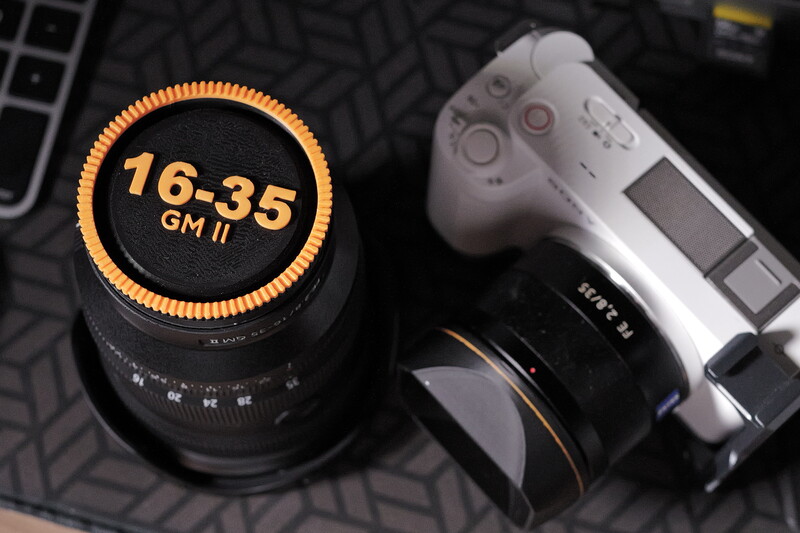
At the same time, having standard/generic lens caps can also lead to them getting lost when gear is being shared between a team or a group of friends. By being able to customize your lens caps with a certain color or even having your name or logo on them, the chances of you missing one become much lower.
2. Cases for Hard Drives and SSDs
The best reason to put your drives in cases in 2026 is the fact that their costs have gone ridiculously high in the past year. A drive that used to cost about $100 in 2024 now costs about $400-500. If a 3D-printed case made up of about $2 worth of filament can provide extra protection for these precious tools, by all means, we should all be using them.
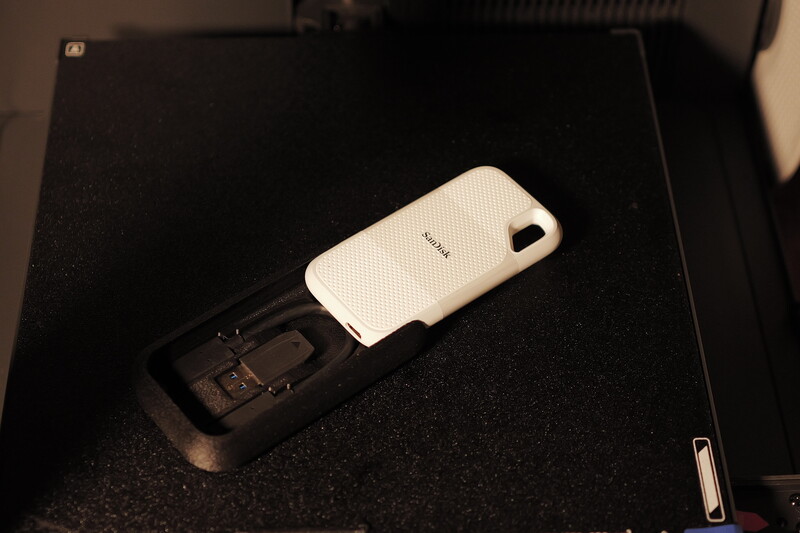
Another reason is the fact that the cables on these drives are often annoying. If I had a dollar for every time I brought a portable drive with me only to realize that I left the cable behind, I’d probably have enough money to buy a few spools of filament. Of course, soft cloth pouches are also an option, but a 3D-printed one can have a dedicated slot for these cables and even the USB-A adapter that we often lose the moment we take them out of the box.
3. Replacement Parts for Older Gear
If you own lenses that have been around for over a decade, especially those that aren’t being manufactured anymore, chances are that the lens cap or the lens hood has either gone missing or has been damaged through the years. It’s also not an uncommon occurrence that you acquired such a lens on the used market for a pretty good bargain, but it was already lacking the accessories.
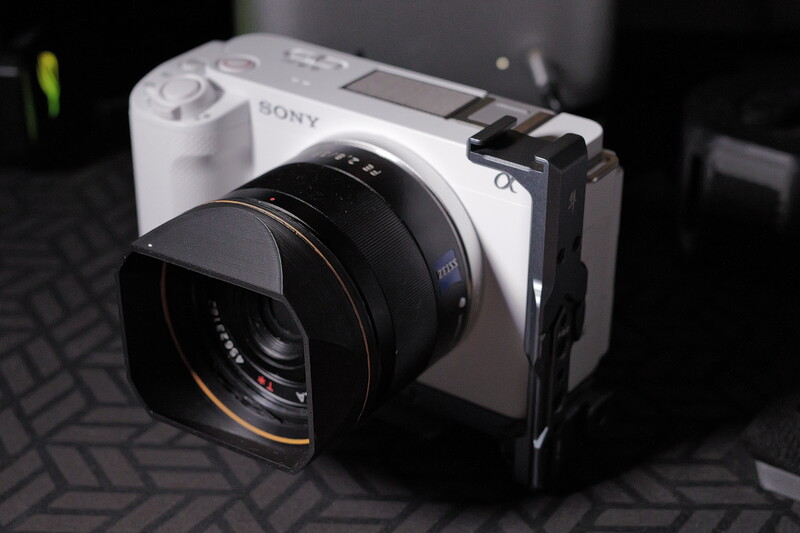
The nice thing about 3D printing is that there are various accessible platforms where you can find what other users have made and simply download them for printing. If you yourself end up designing or modeling something, then sharing it with others is also an option. Personally, I got a used Sony Sonnar T* FE 35mm f/2.8 ZA, which is a reputable compact prime that has been around since the first dozen E-mount lenses. When I got it, it came with a replacement lens cap and no hood to be found. Since such an accessory doesn’t seem to have many options yet online, I decided to use the bottom part of another type of hood I found online and attached it to a square-type hood that I designed from scratch. The original hood of this lens is more circular and short, but this option gives it a more retro look. With limited knowledge of 3D modeling, such customizations can be done easily.
Printing Made Easy With the Right Entry-Level Choice
There are various brands that make various models of 3D printers. You can even get started with a tiny one that prints with just one color of filament at a time. However, it’s actually a smarter idea to get started with one that can already switch between a couple of colors because most likely you’re going to want to print things with multiple colors, labels, and patterns. I’ve been using the ELEGOO Centauri 2 Combo for the past month, and I can say that it is a compelling option for someone who wants to get started with 3D printing and sees the potential of doing it more seriously down the line.
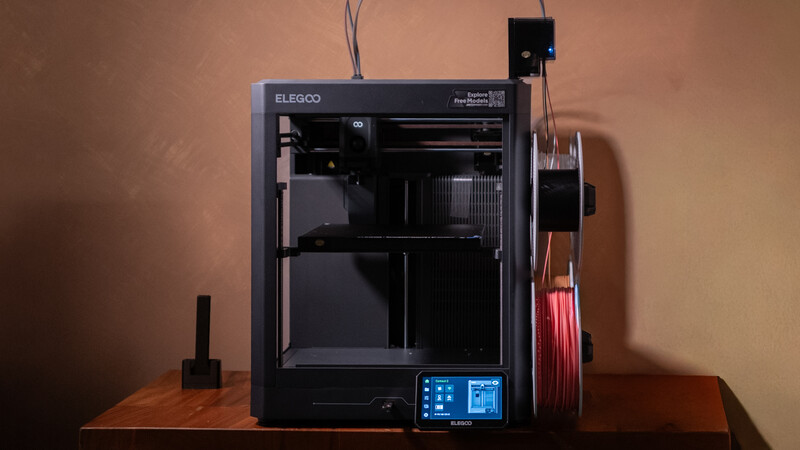
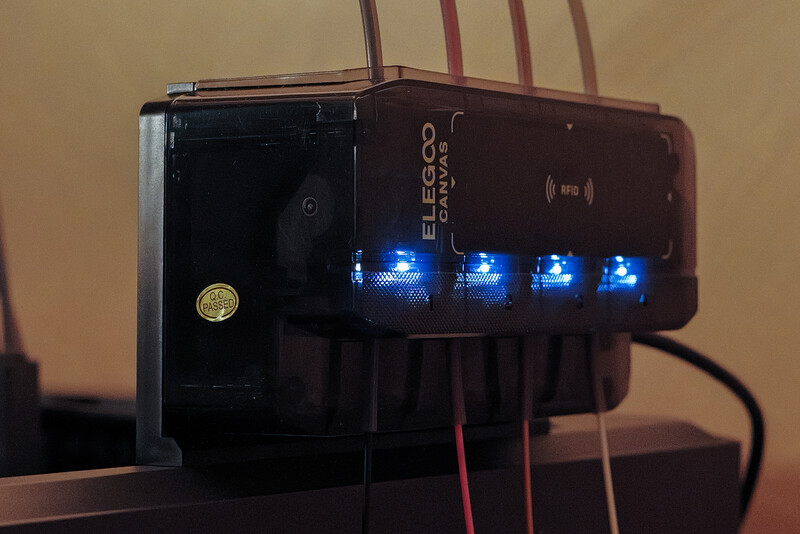
The Centauri 2 Combo is a mid-level printer that is 20 x 19 x 23 inches and takes up the space of a small desk. It comes in a rectangular shape with a rigid die-cast frame that houses all the moving parts. On its side is a set of spool holders that connect to the CANVAS mechanism that manages and switches up to four different filaments. This module also comes with an RFID scanner that makes it easier for the system to know what color and material are in which slot.
The Centauri 2 Combo can print as large as 256 × 256 × 256 mm, which is more than enough for printing accessories, toys, and even small lamps. For bigger objects, one can split them into smaller parts that can snap together very easily.
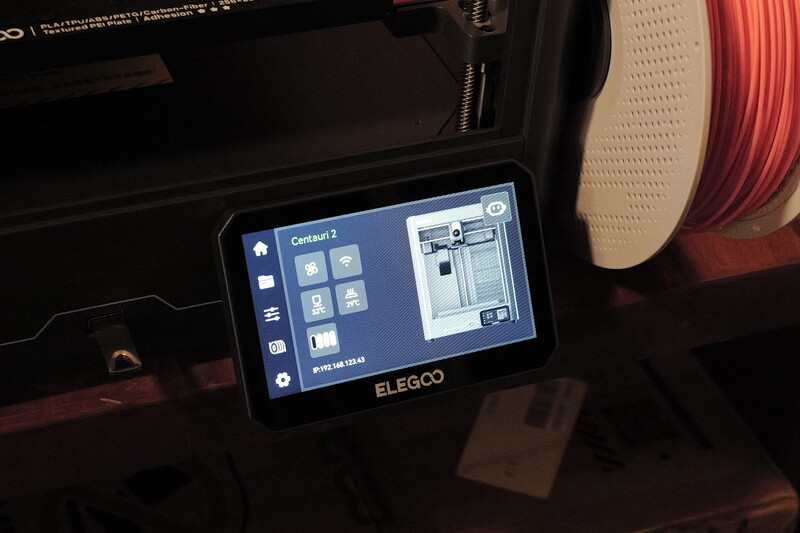
With ELEGOO’s Matrix app, it is very easy to find objects to print, modify their designs, and make products of your own. For any photographer who enjoys making solutions for challenges that are encountered in the field, it can be very helpful in making those ideas come to life, whether just for personal use or even for producing small batches commercially.
4. Cases for Anything and Everything
Photographers love having dedicated cases for everything, especially small objects that are easy to lose. Perhaps the most abundant objects online with designs to choose from would be storage cases. For small accessories and even compact/action cameras like a DJI Osmo Pocket 4P or an Insta360 X6, there are dozens of models of carrying cases made to enhance the protection of such objects and make them easier to carry around.
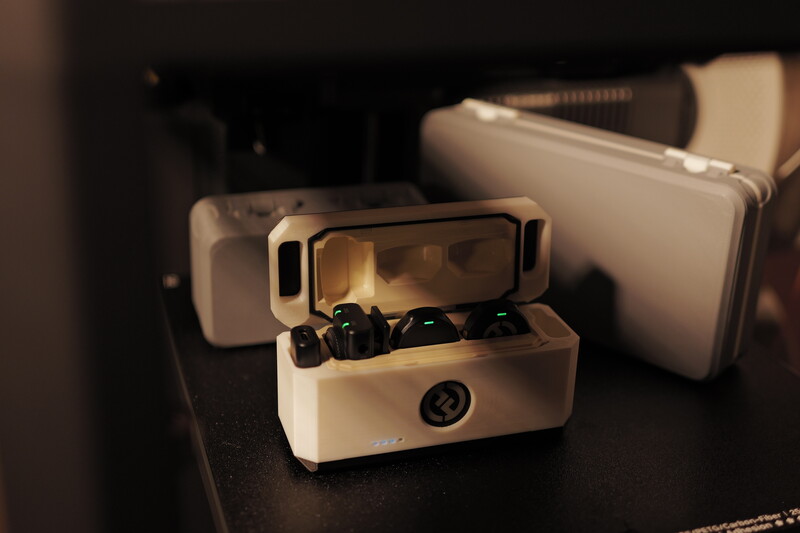
At the same time, there are hundreds of generic cases that come in all shapes and sizes, and these can be used for whatever would fit inside them. Personally, I’ve printed a hard case for my DJI Mini 5 Pro so I can have it in the same bag as my gear. I’ve printed cases for my wireless mics, for SD cards, storage cases for camera straps, and even dedicated cases for my filters. Because of how customizable existing designs are, it is very easy for someone to modify an existing case to best fit what they are planning to store inside.
5. AirTag-Compatible Accessories
For the sake of protecting our equipment, 3D-printing objects with hidden AirTag slots can actually be very helpful in preventing loss, theft, and damage. One dilemma I’ve always had about renting out lighting equipment is the possibility of loss, and while technically Bowens-mount light covers are removable, having a hidden compartment lessens the possibility of it being intentionally removed because someone who would steal it would also probably want it covered.
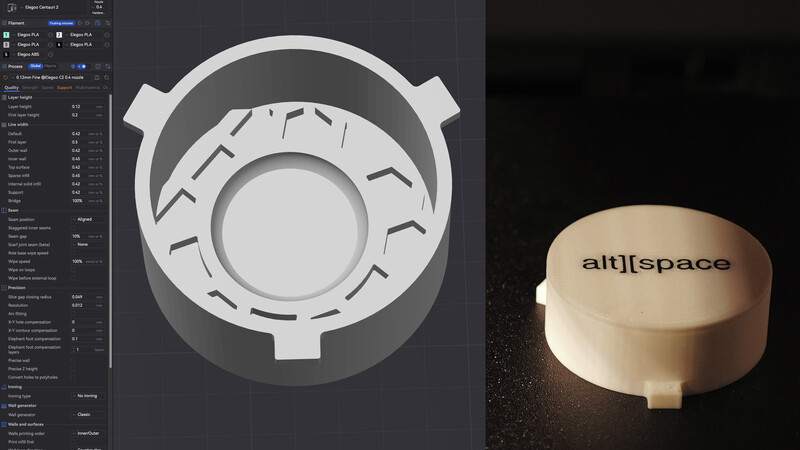
One design I’ve been working on simply covers the AirTag compartment with a false wall that makes the cover look thick for protection’s sake. While it’s not an airtight measure in terms of keeping the tracker always on the equipment, it is the most viable option that does not require tampering with the inside of the light.
A Little Reminder
While 3D printing is a highly productive and prolific activity, it is important to be aware of the potential environmental effects it can have. The two most common filament materials, PLA and PETG, aren't entirely eco-friendly. PETG, or polyethylene terephthalate glycol, is a durable plastic material and is highly recyclable, though it is non-biodegradable. On the other hand, PLA, or polylactic acid, is technically biodegradable but only breaks down under certain non-natural conditions that require industrial intervention.
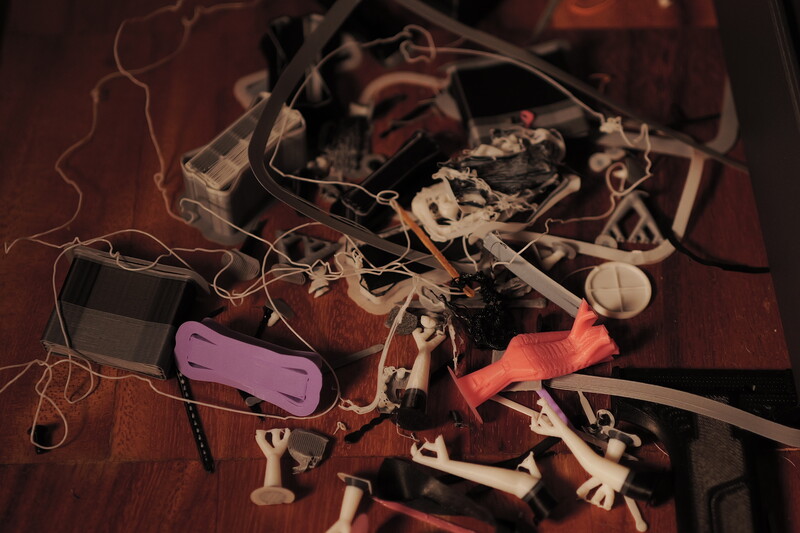
Plastic objects, accessories, and tools are pretty much unavoidable in the world we live in, but if you're someone who wants to start 3D printing, it would be best to familiarize yourself with how you can reduce the rate at which you waste filament, find out ways you can recycle old filament, and be intentionally selective about printing objects that are highly useful, that are not single-use, and that can be useful for a long, long time.
Photographers are generally very tech-savvy and love having the right tools for the job. 3D printing has just made it possible for us to have them on demand and customized to our needs and liking. There are definitely more creative ideas that can be made into useful accessories using 3D printing, which is why it is definitely something worth learning if you have the extra time and money.



Join the Fstoppers community for free
-
Post comments and join in the discussions
-
Browse the site ad-free
-
Share your work and get featured in the community
-
Compete in the photo contests for fun and prizes
No comments yet