
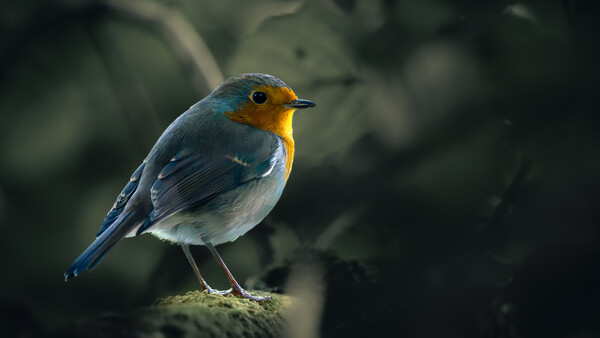
Certain pieces of photographic equipment make you rethink the way you photograph, and for me, the Sigma 150-600mm f/5-6.3 DG DN OS Sports lens was one of those lenses. I should probably start by admitting that wildlife photography isn't really my usual territory. I'm primarily a landscape photographer, and most of my photographic life has involved looking for dramatic mountains, interesting light, and compositions that don't move. Wildlife, or should I say in this instance local wildlife, by comparison, has always seemed like a rather different discipline. But spending time with Sigma's 150-600mm changed that.
I realize the Sigma 150-600mm f/5-6.3 DG DN OS Sports is hardly new to the market, having been released back in 2021, but if you’re considering purchasing one, I think there might be some value in hearing from someone approaching it with fresh eyes. This is not a review per se, although I have included the technical specifications of the lens. It's about the entirely new territory that this focal length and the type of photography it opened up for me.
First Impressions
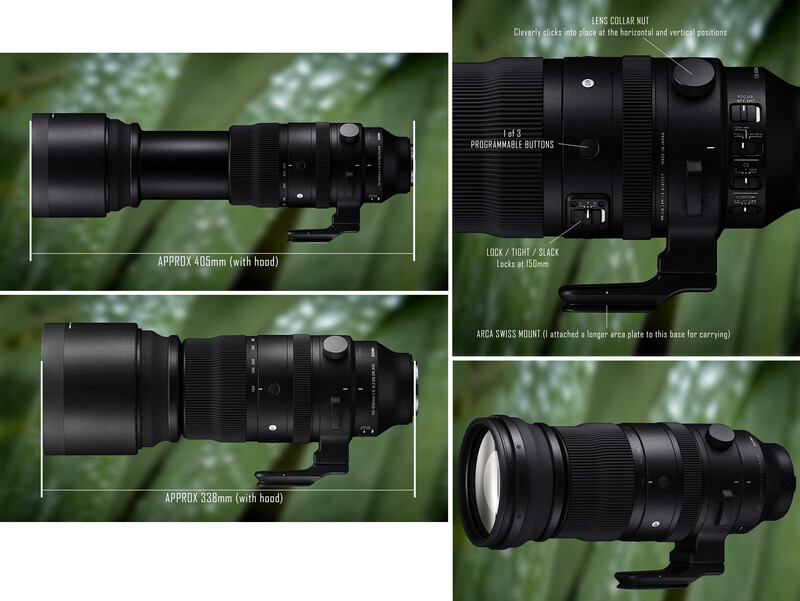
The Sigma 150-600mm f/5-6.3 DG DN OS Sports is not a small lens. At around 2.1 kg, it has a substantial presence, and there's no getting away from the fact that you're carrying a lot of glass. Coming from landscape photography, where I tend to be very conscious of the weight of everything going into my camera bag, this was one of the first things I noticed. My current lens lineup for landscape photography only weighs 928 g, so this was a considerable difference.
The lens feels like a serious piece of photographic equipment. The construction is robust, the controls are well positioned, and the overall impression is of something designed to be used rather than simply displayed in a camera bag. Sigma has also given the lens dust- and splash-resistant construction, which is particularly welcome for anyone photographing outdoors. It isn't waterproof, of course, but that extra protection provides some reassurance when working in the sort of weather that landscape photographers are generally quite happy to stand in. Or, in the instance that I primarily used it for, wildlife.
150mm to 600mm is an enormous range, and it makes the lens remarkably versatile. At 150mm, you have enough flexibility to work with larger subjects and environmental compositions, while 600mm gives you the ability to isolate distant subjects in a way that simply isn't possible with a conventional telephoto zoom.
Tech Specs
- Focal Length: 150–600mm
- Aperture: f/5 (at 150mm) to f/6.3 (at 600mm)
- Optical Construction: 25 elements in 15 groups (including 4 FLD and 2 SLD glass elements)
- Diaphragm Blades: 9 (rounded)
- Minimum Focus Distance: 58 cm (22.8 in) at the wide end
- Filter Size: 95mm
- Image Stabilization: Optical Stabilizer (OS) providing up to 6.5 stops at the wide end and 5.5 stops at the telephoto end with the required firmware
- Dimensions (Diameter × Length): L-Mount: 10.94 × 26.36 cm (4.3 × 10.4 in); Sony E-mount: 10.94 × 26.56 cm (4.3 × 10.5 in)
- Weight: 2.1 kg (74.1 oz / 4.63 lb), including tripod socket
- Weather Sealing: Dust- and splash-resistant structure with a water- and oil-repellent front coating
- Materials: Aluminum and TSC (Thermally Stable Composite) barrel construction
- Autofocus: High-speed stepping motor
- Controls: Zoom Torque Switch, Focus Limiter, OS switch, Custom Mode switch, and three customizable AFL buttons
Tripod Socket: Magnesium-alloy socket with a foot that attaches directly to an Arca-Swiss-type clamp
The Reality of a 600mm Lens
There's something slightly strange about using a 600mm lens for the first time. The world suddenly becomes much smaller. A bird sitting high in a tree no longer feels impossibly distant. Details in the landscape that previously blended into the background suddenly become potential subjects. Even when you're not photographing wildlife, 600mm gives you a completely different perspective on the world. Of course, that reach comes with a price. At 600mm, even the smallest movement becomes obvious. Handholding a lens with this kind of focal length requires some technique, and although Sigma's optical stabilization is extremely effective, it doesn't remove the need for good technique altogether. The stabilization makes a significant difference, though.
I found that handheld shooting at 600mm was considerably more manageable than I initially expected. There is still a learning curve, particularly when trying to keep a moving subject within the frame, but the optical stabilization gives you a fighting chance. And the more I used the lens, the less intimidating that 600mm focal length became.
Autofocus and Tracking
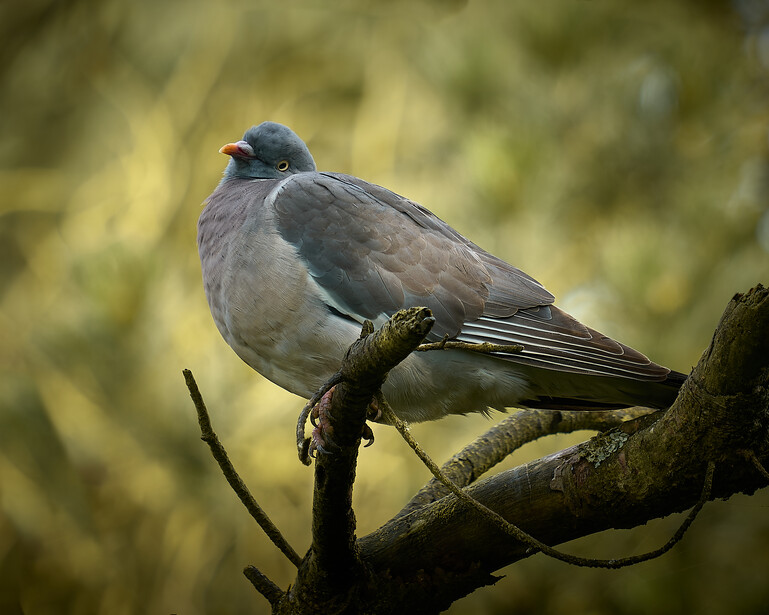
One of the areas that impressed me most was autofocus. On my Sony a7R V, autofocus and subject tracking were excellent. This was particularly important because, as someone extremely new to wildlife photography, I didn't want the lens to become another variable I had to fight against. Instead, the autofocus largely stayed out of the way. Granted, the wildlife I was photographing was local, so apart from the squirrels, nothing was fast-moving at all. As you can see from the images below, my own tracking capabilities greatly need improvement.

The combination of the a7R V and Sigma lens proved capable of acquiring and maintaining focus on subjects effectively, and this gave me considerably more confidence when using it. That's an important distinction, as a technically excellent lens can still be frustrating if you spend more time trying to make it focus than actually photographing your subject. However, I didn't find that to be the case here. The autofocus performance helped make wildlife photography feel much more accessible.
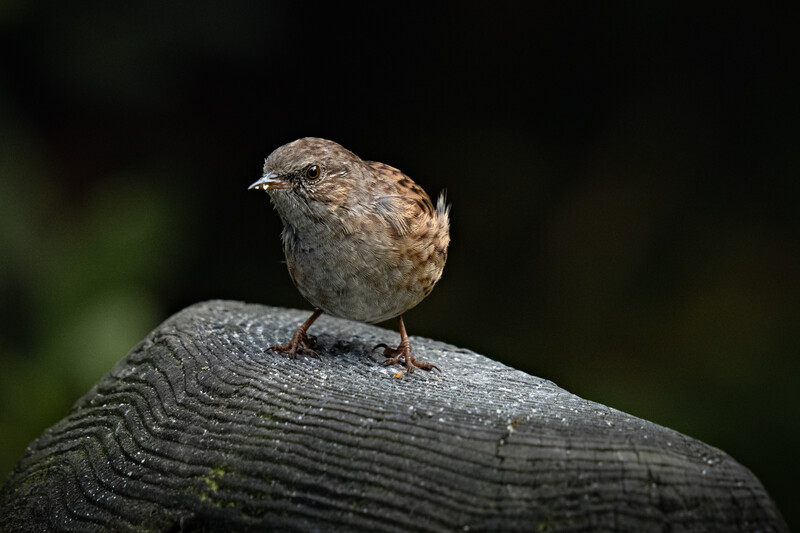
Image Quality
Ultimately, none of the other features matter if the image quality isn't good, and fortunately, this is where the Sigma really delivers. Across the zoom range, I found the lens capable of producing images with excellent levels of detail, good contrast, and very impressive sharpness. What surprised me most was how well it performed at the long end of the zoom. 600mm is where you might reasonably expect some compromise, particularly when you start looking closely at the files. Instead, the lens produced images that retained a high level of detail. This became even more apparent when I started cropping.
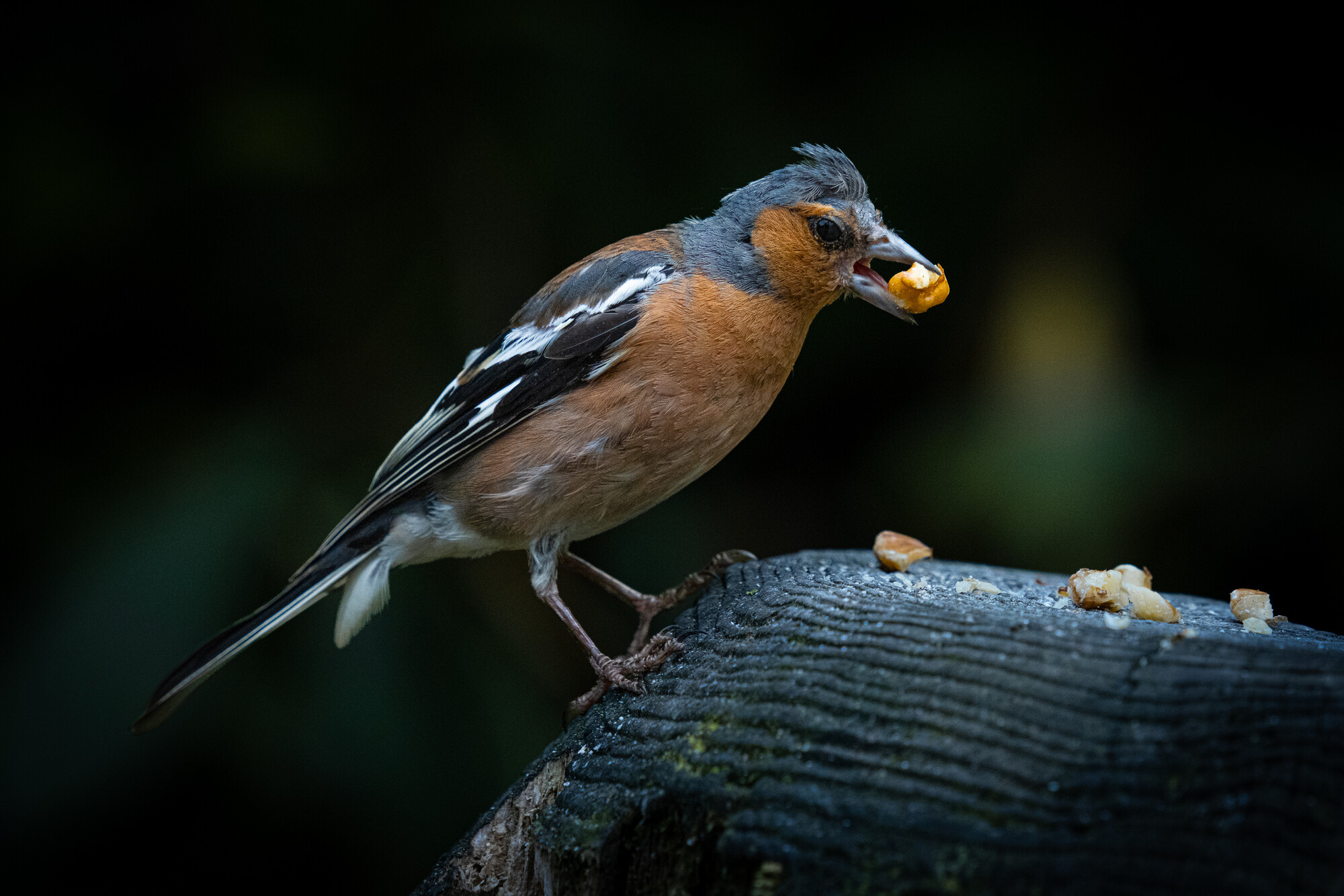
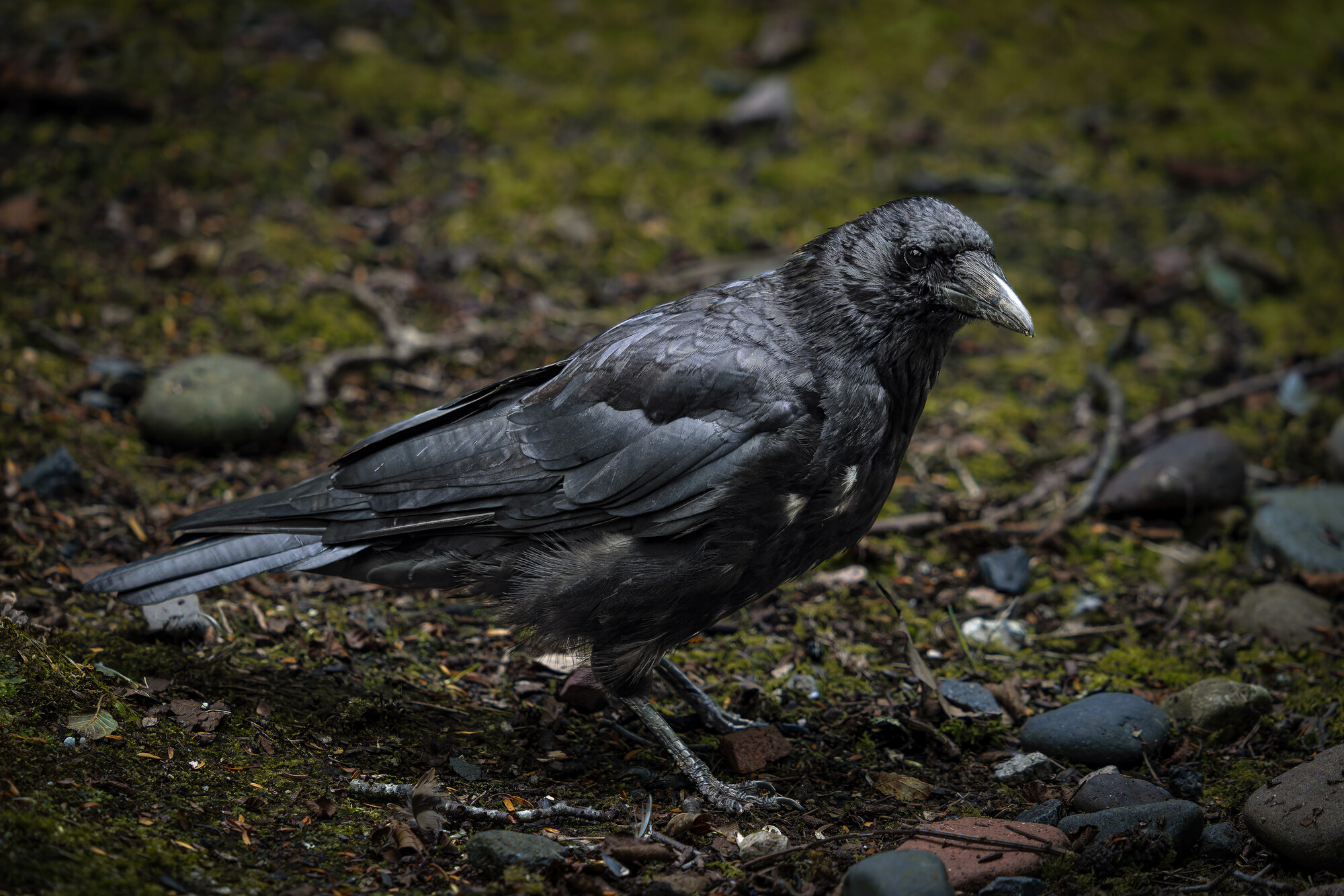
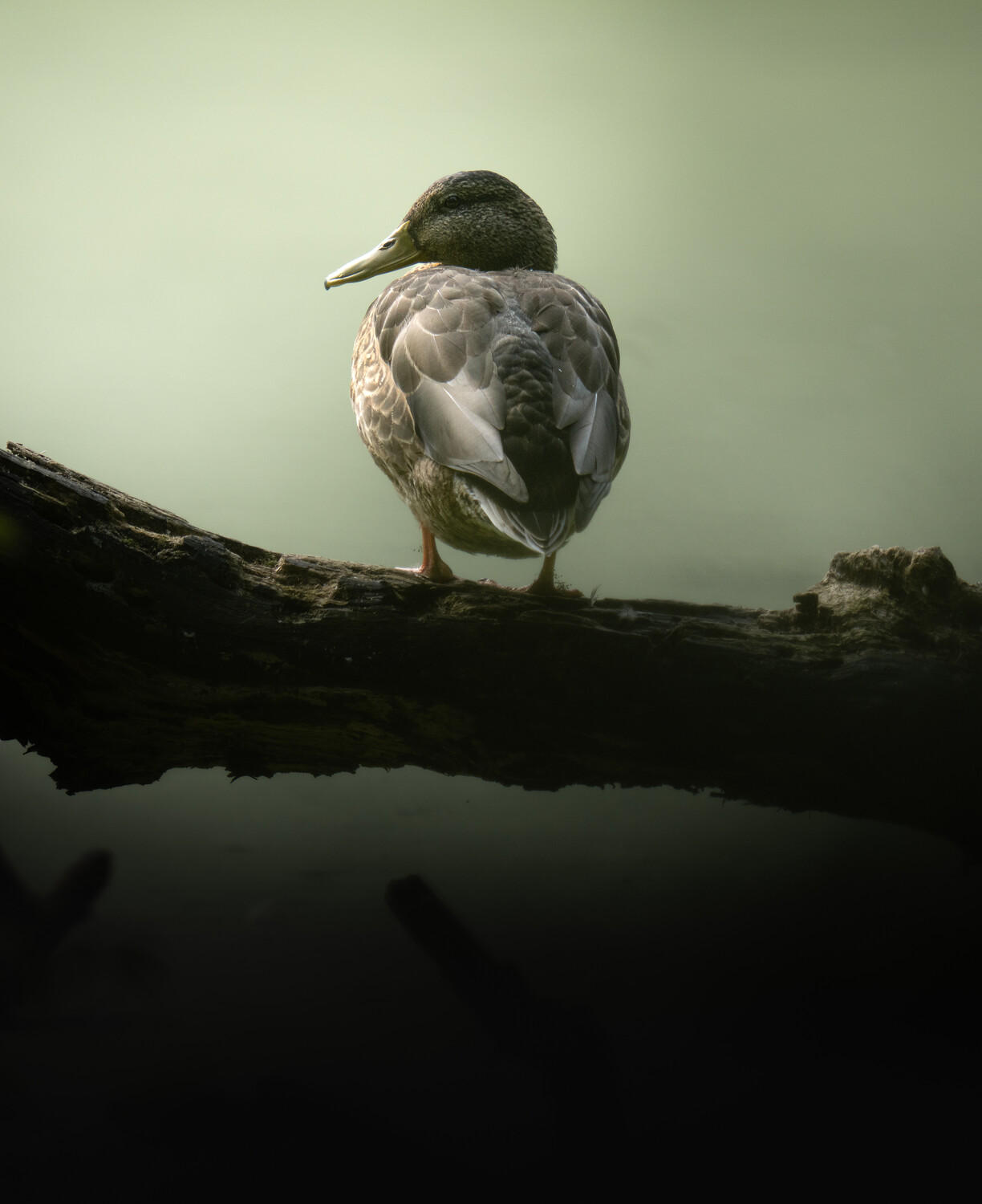
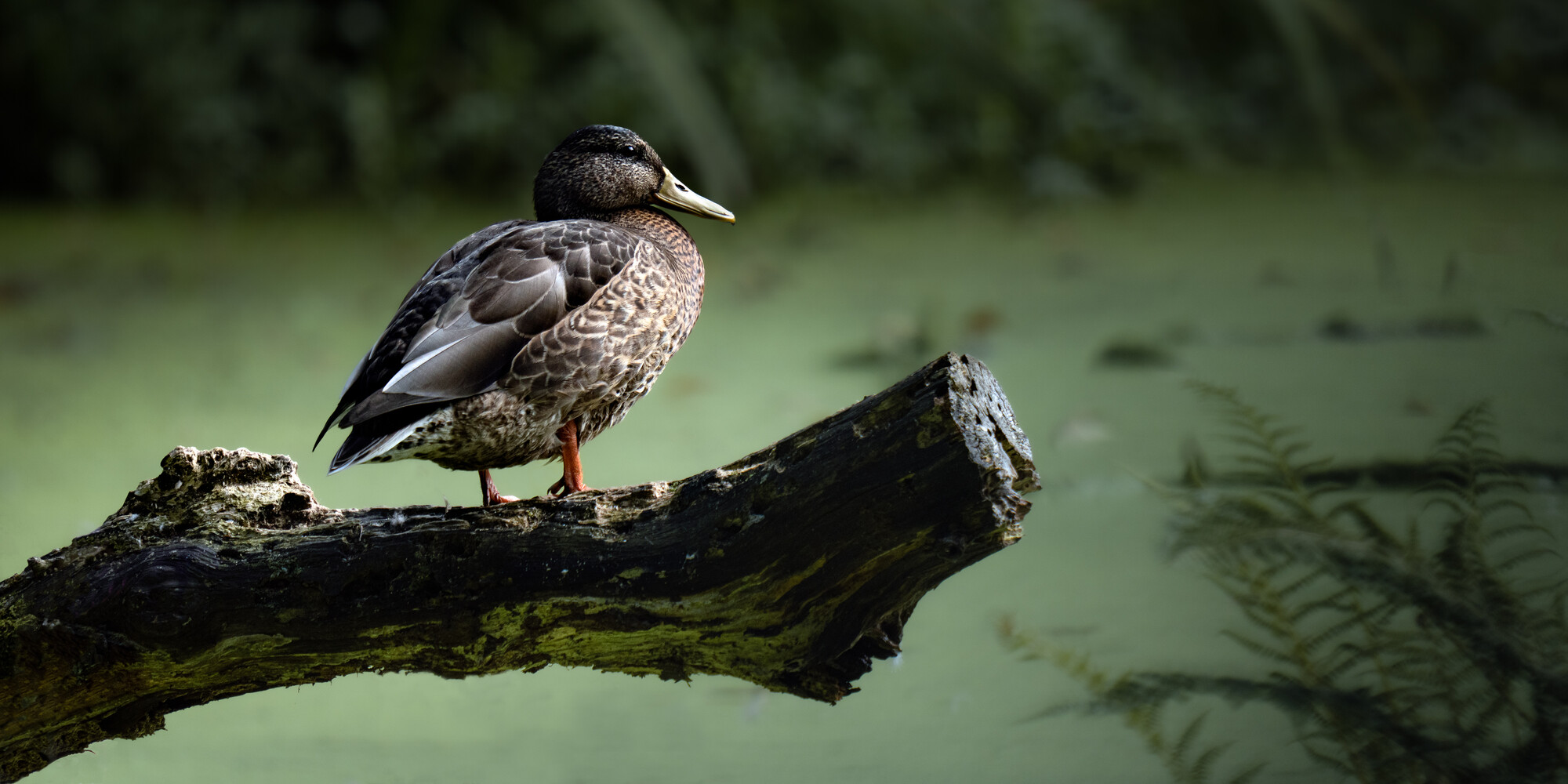
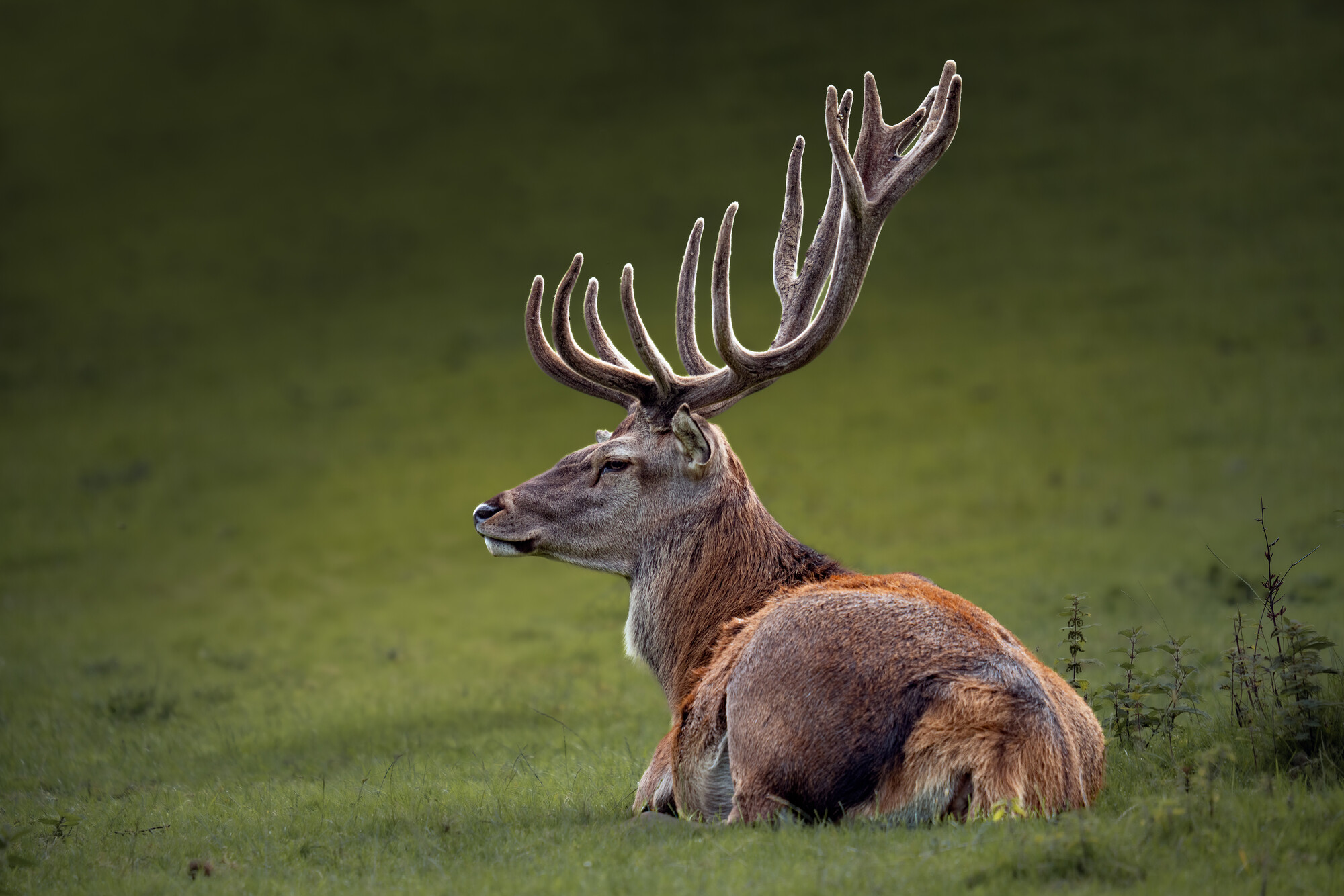
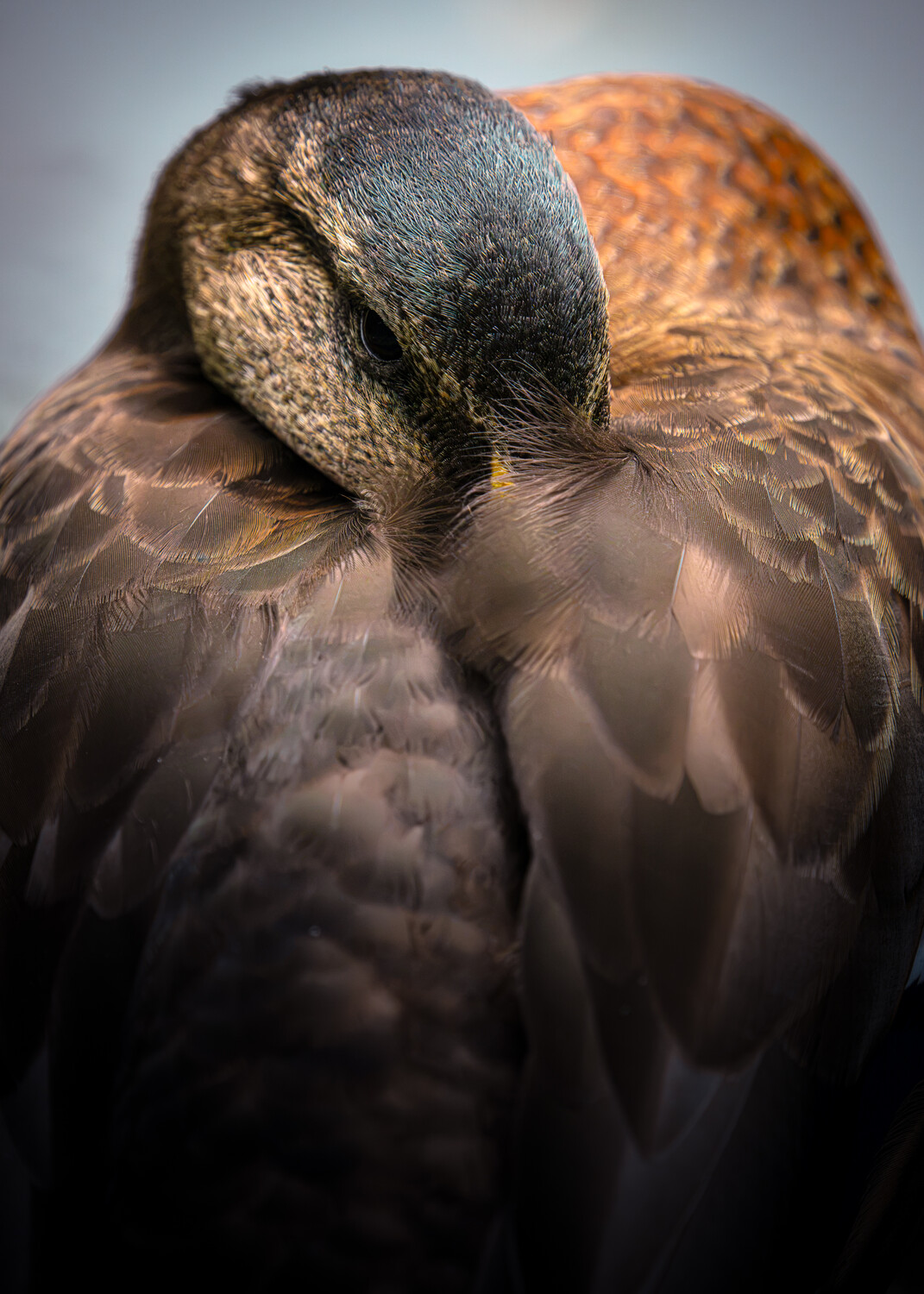
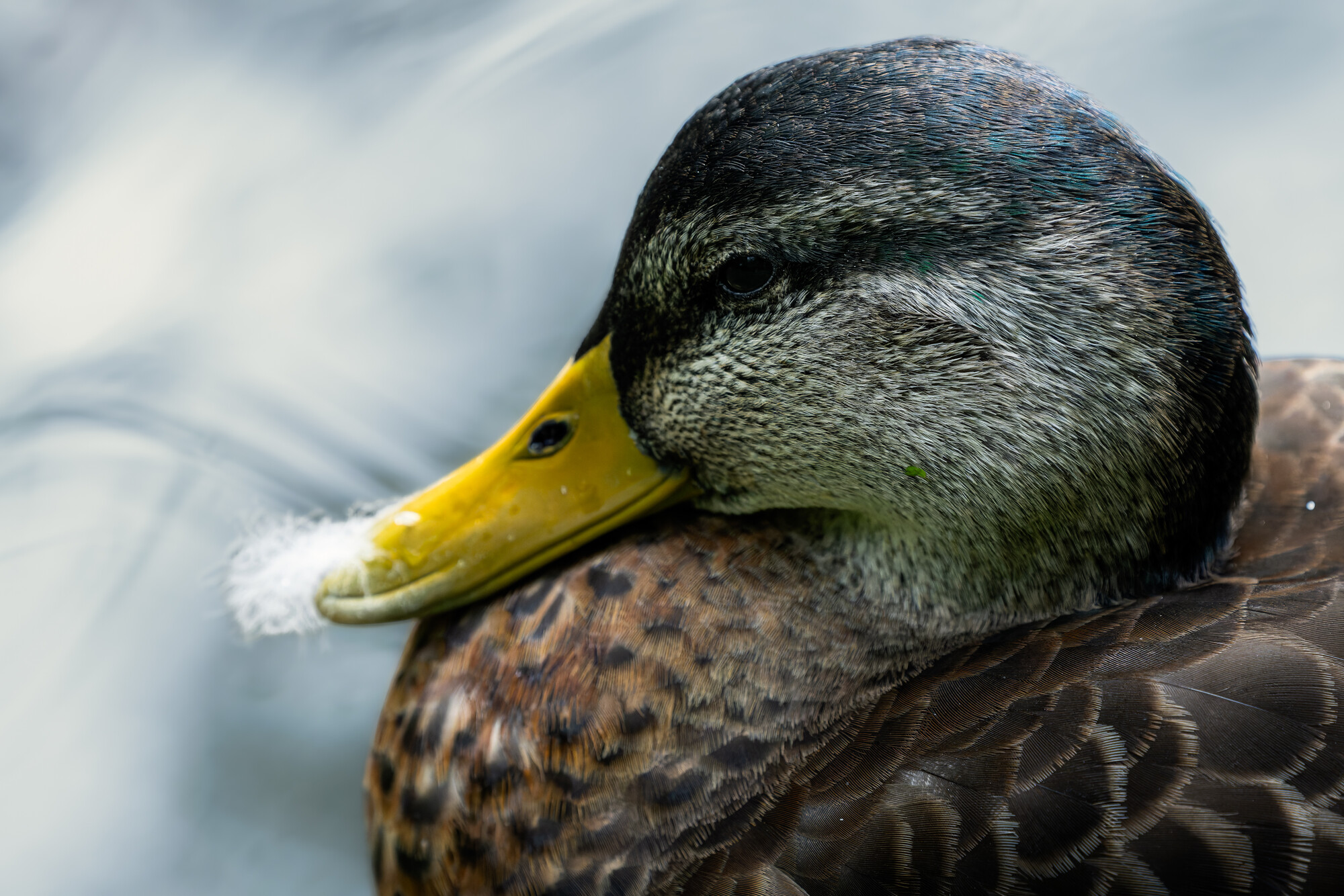
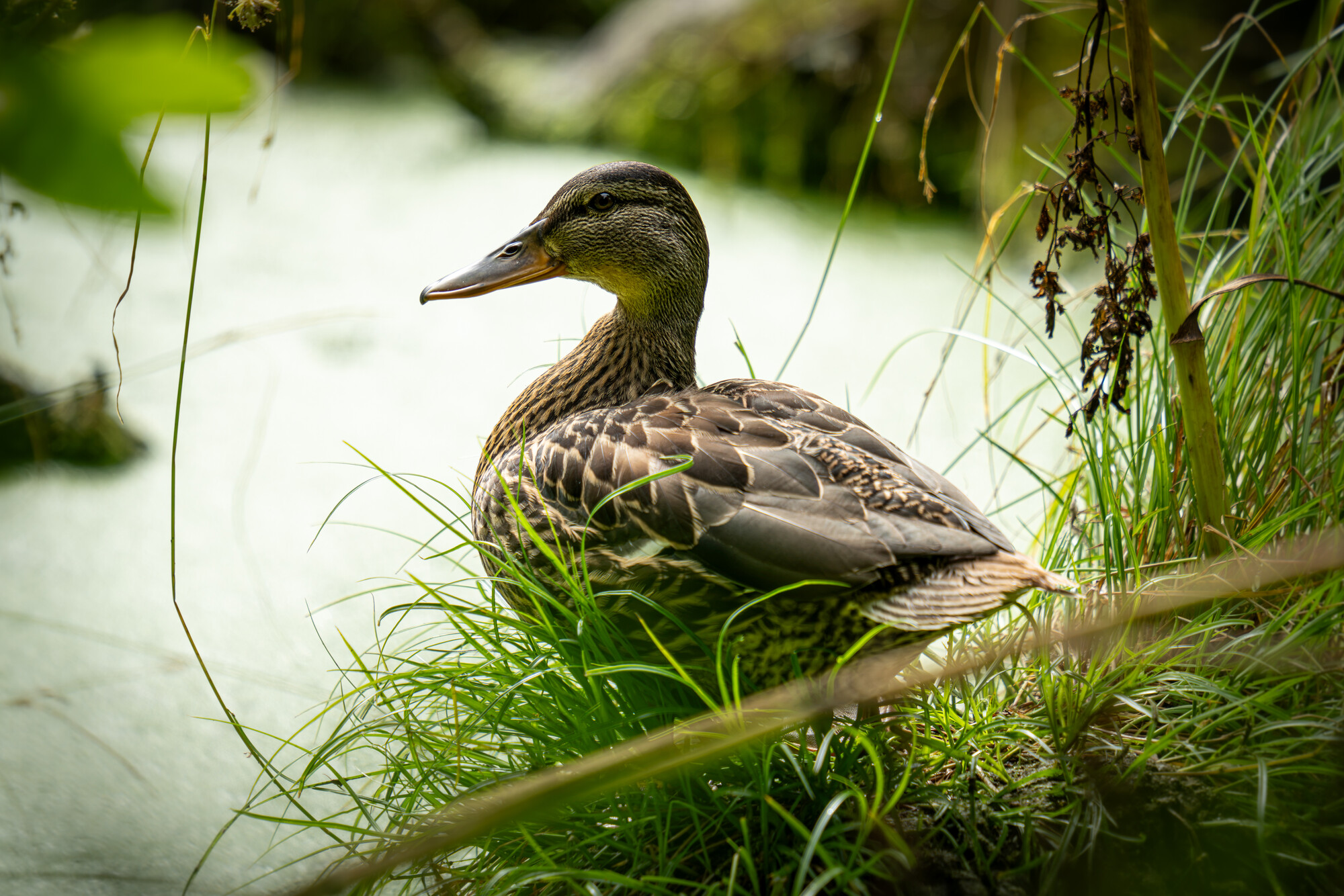
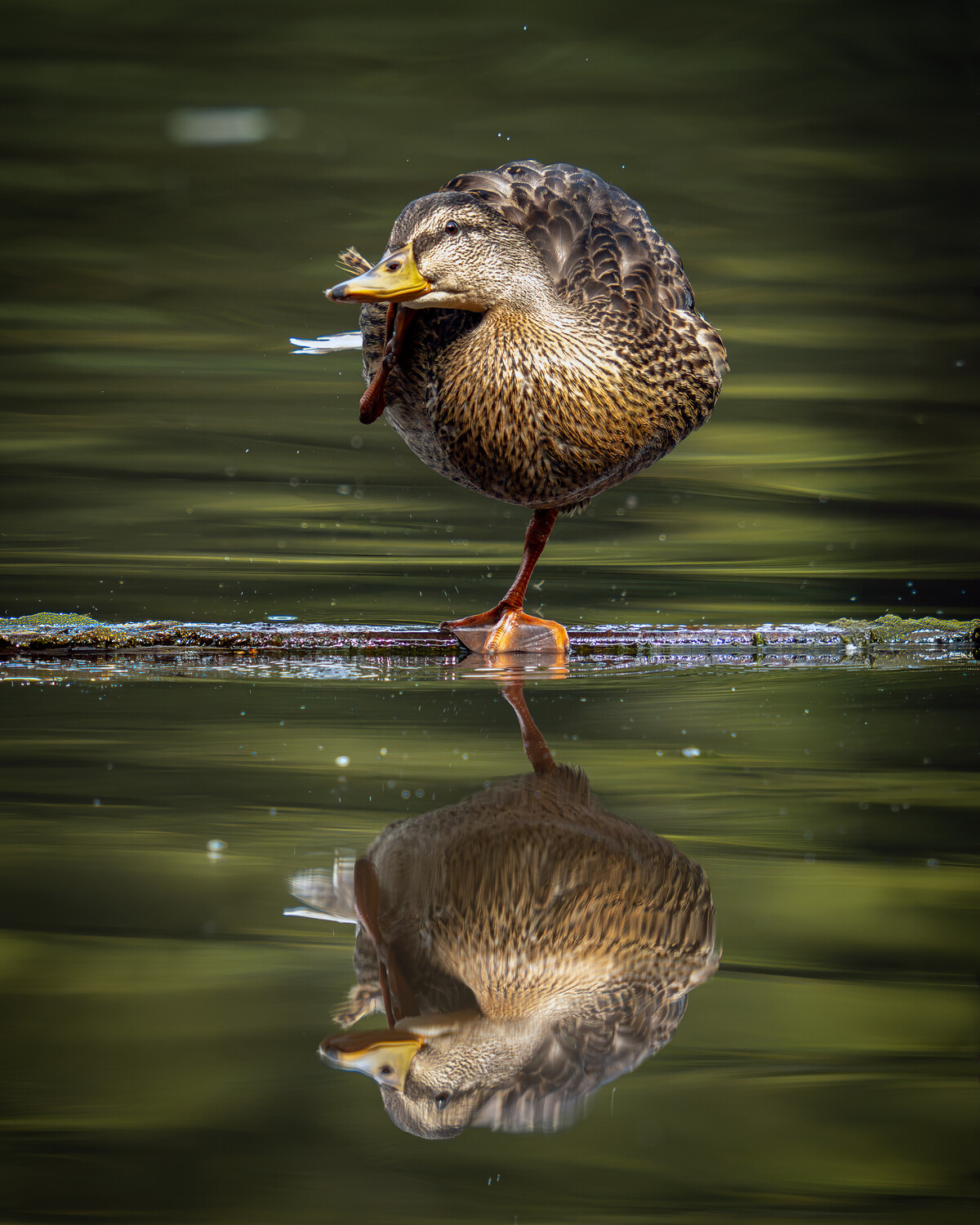
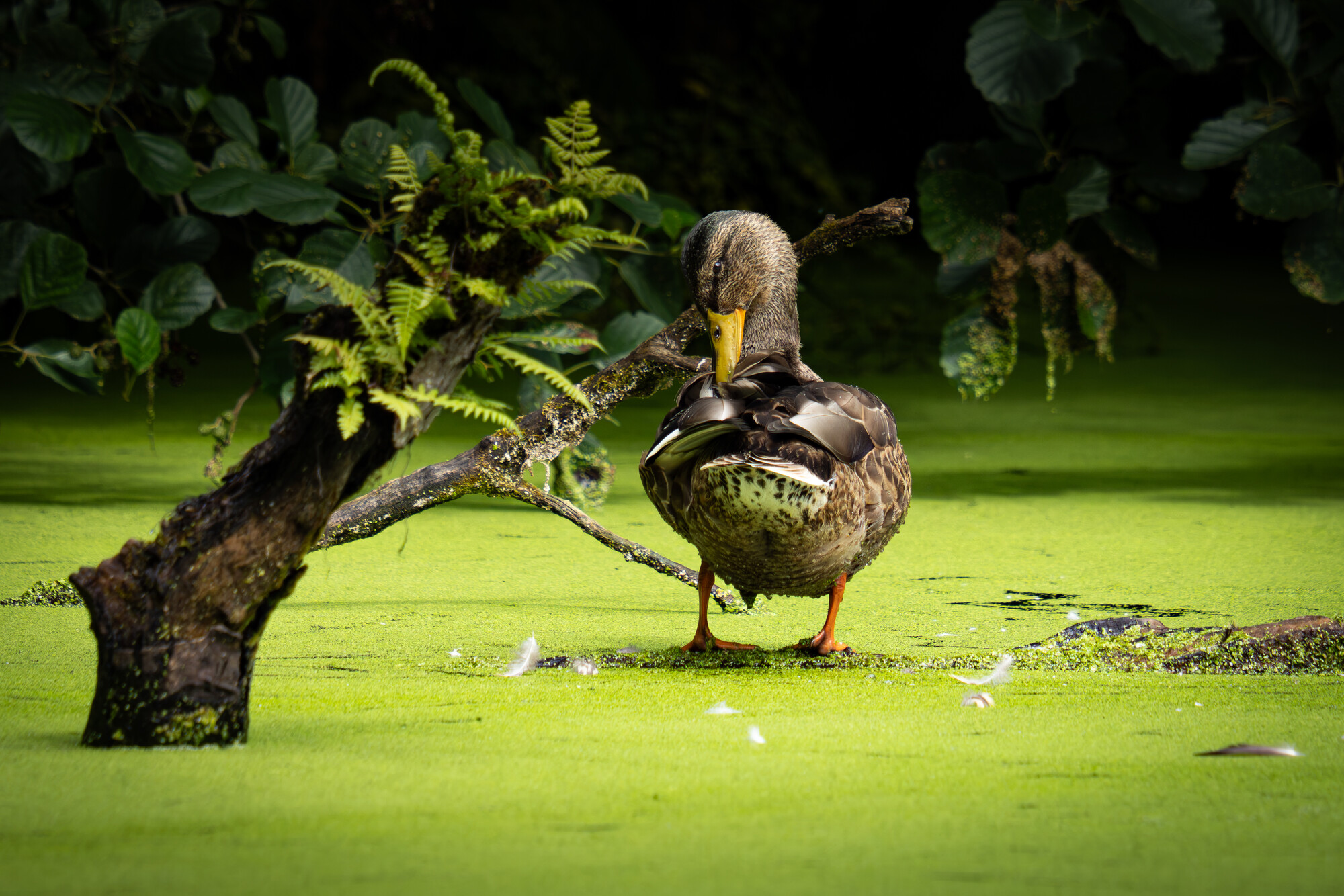
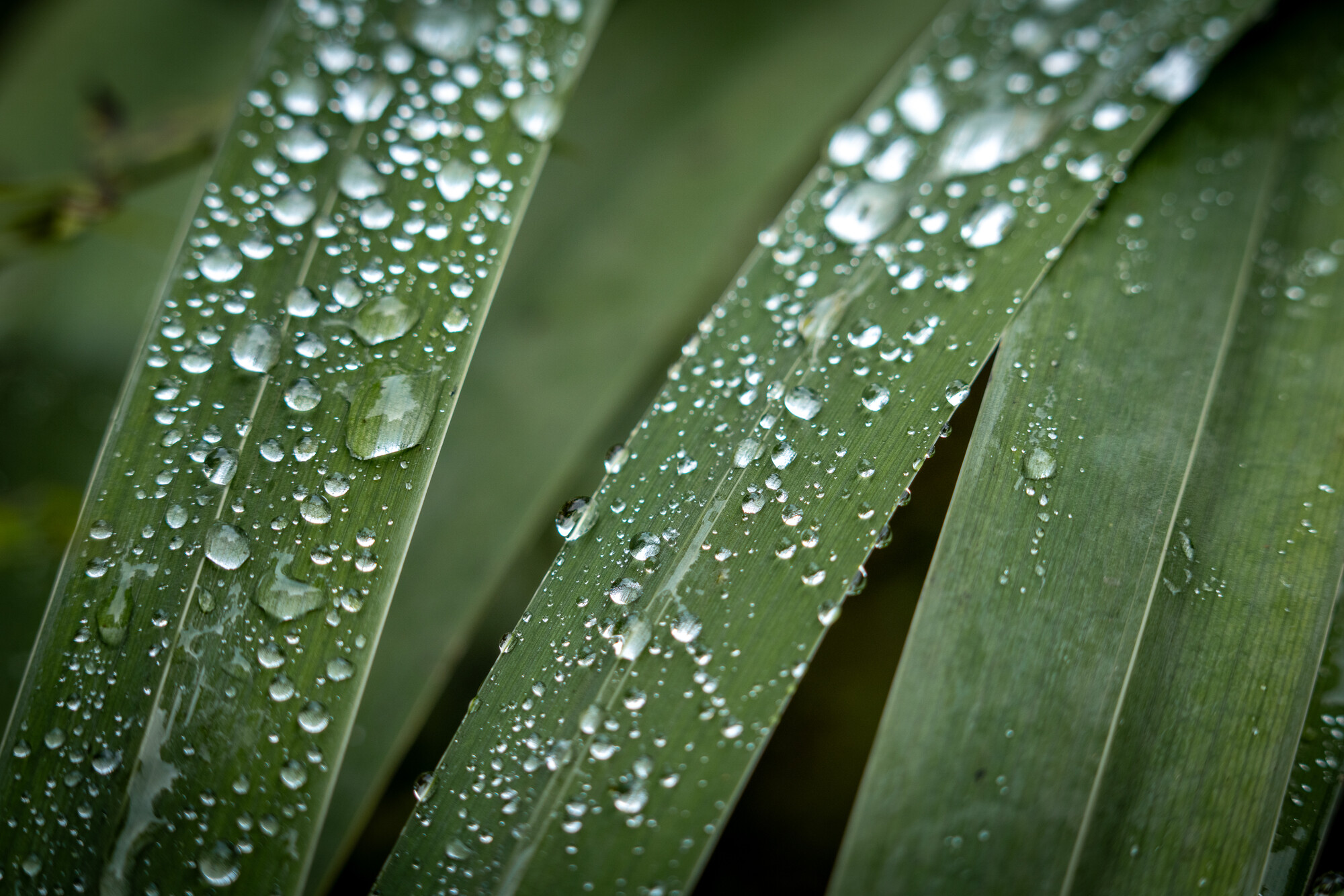
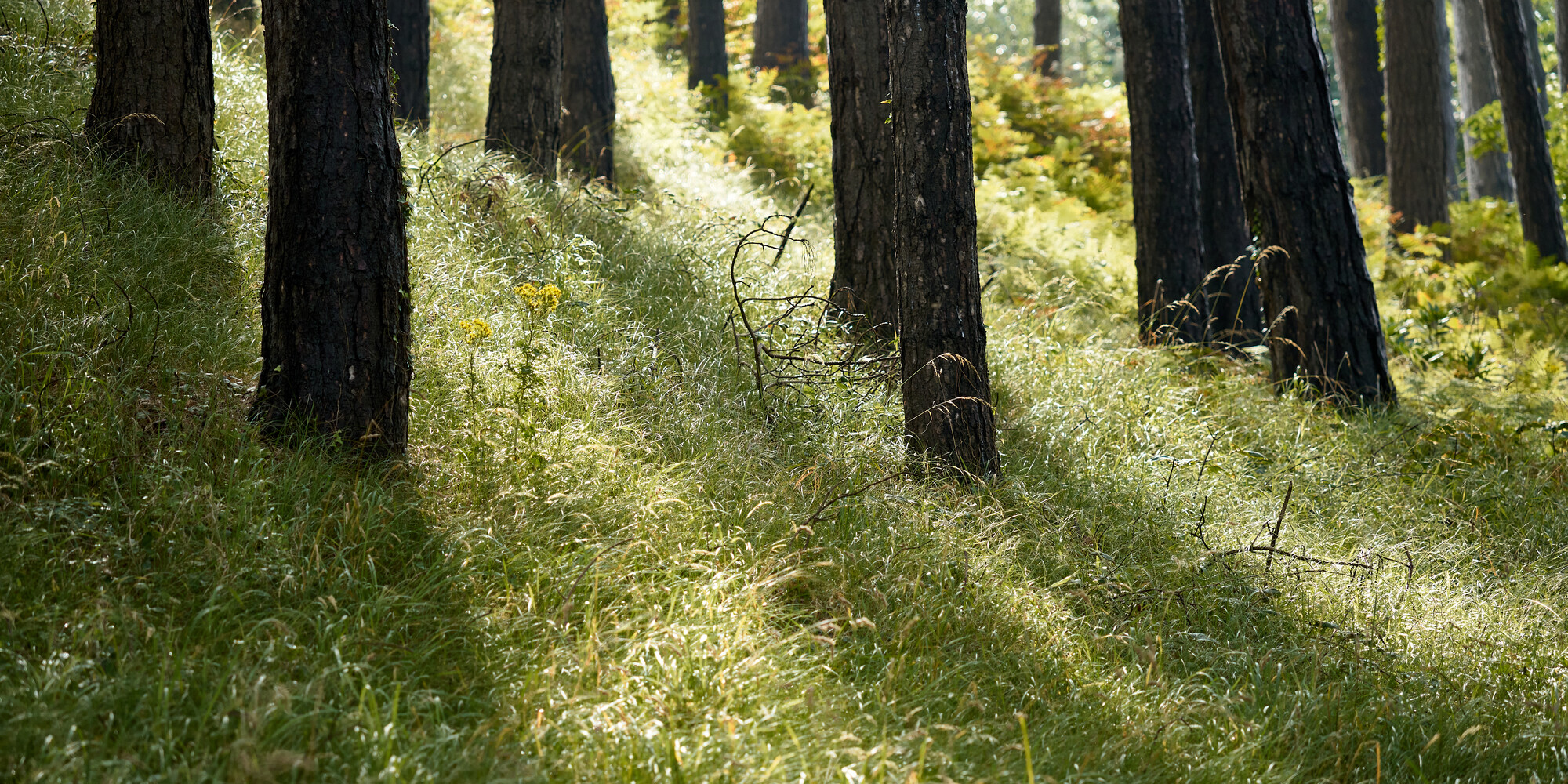
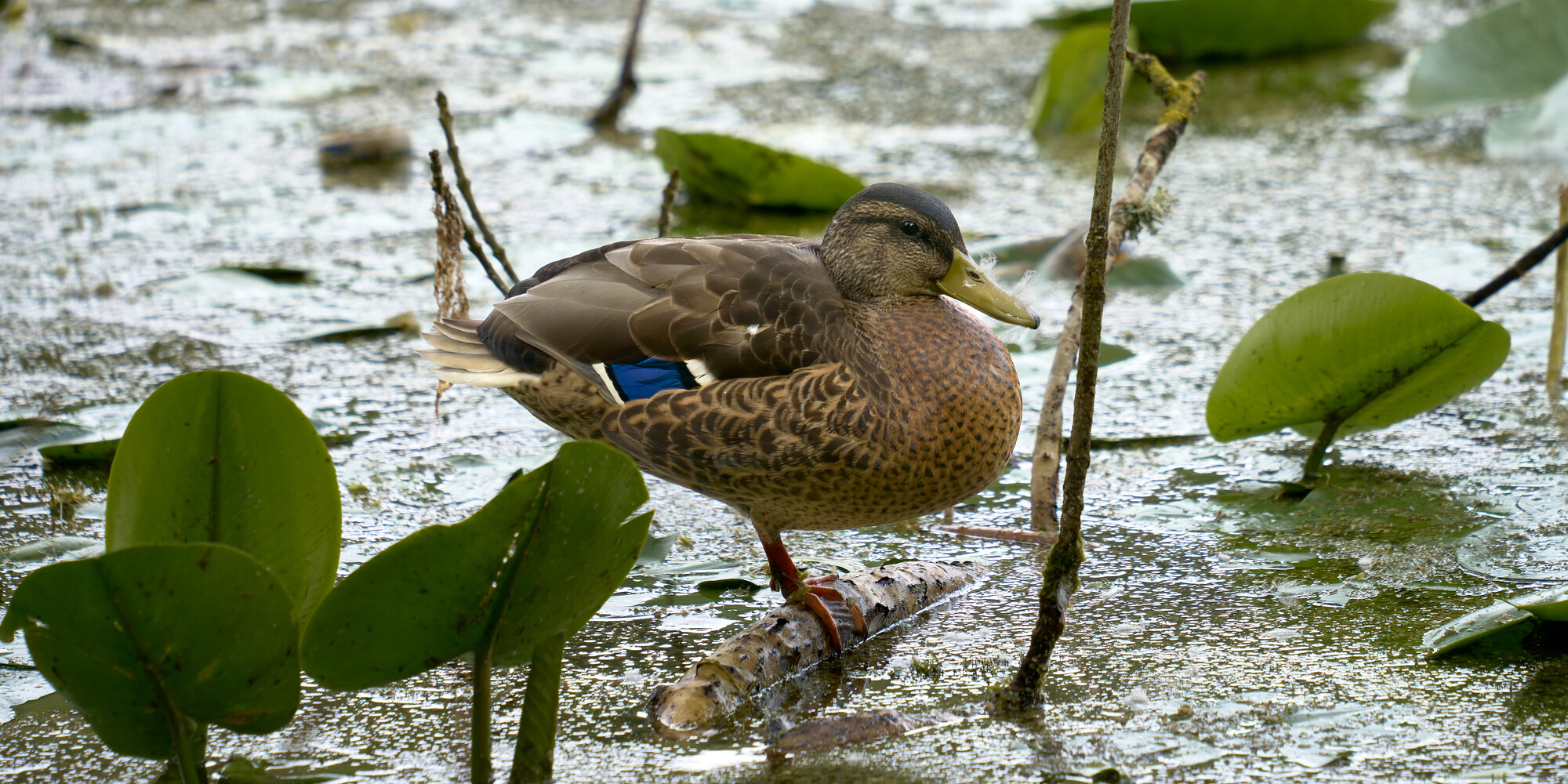
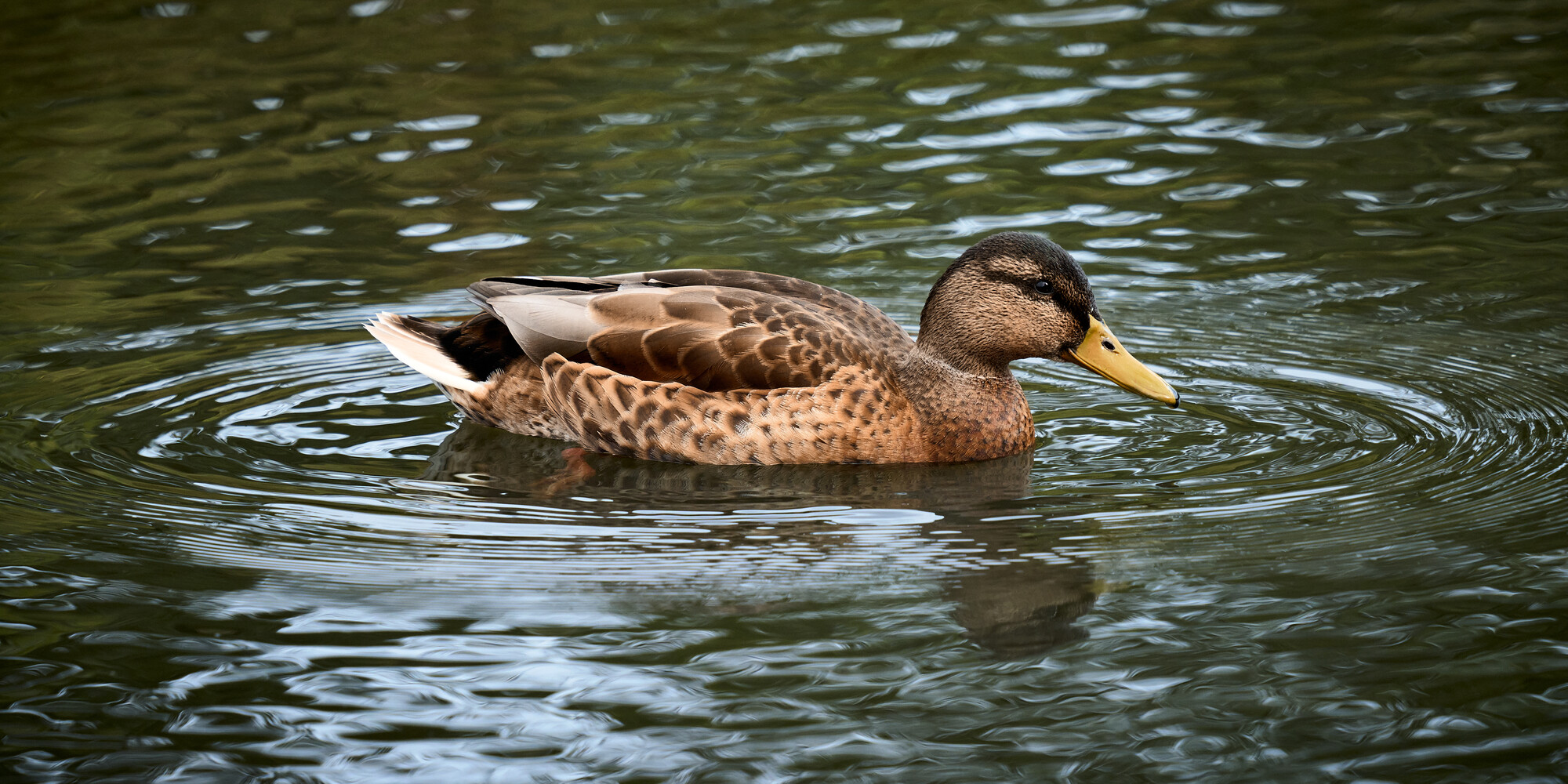
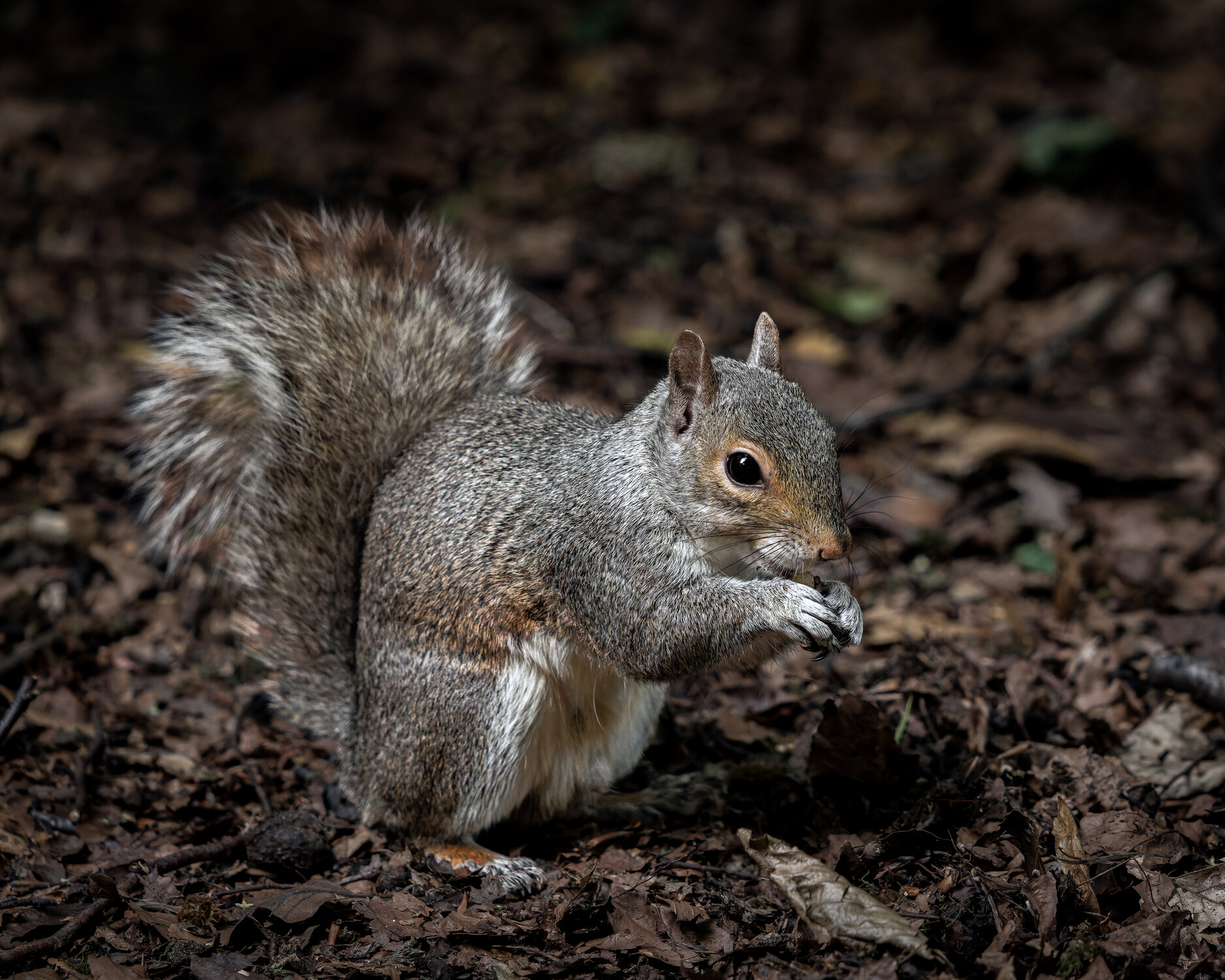
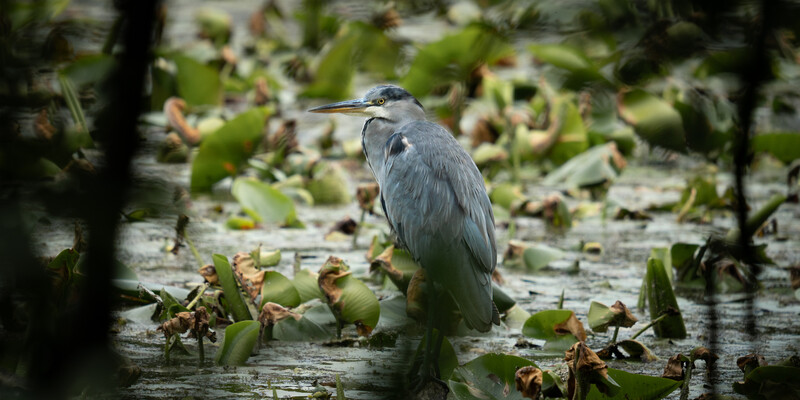
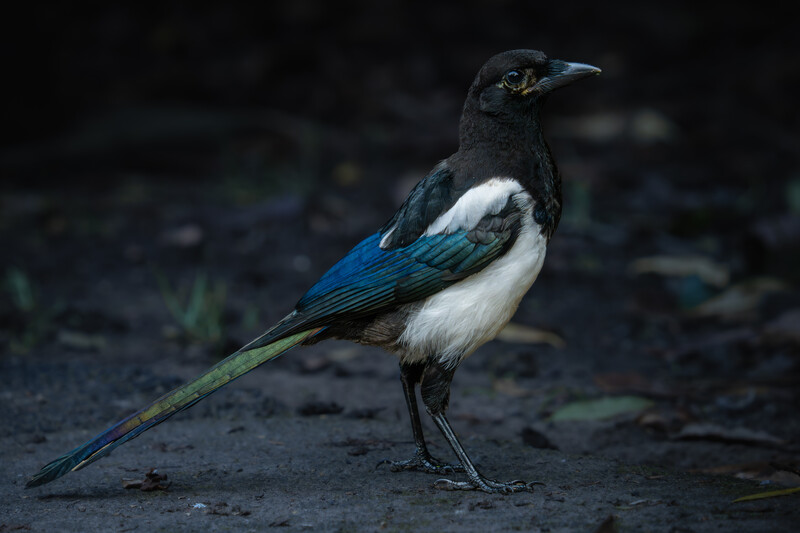
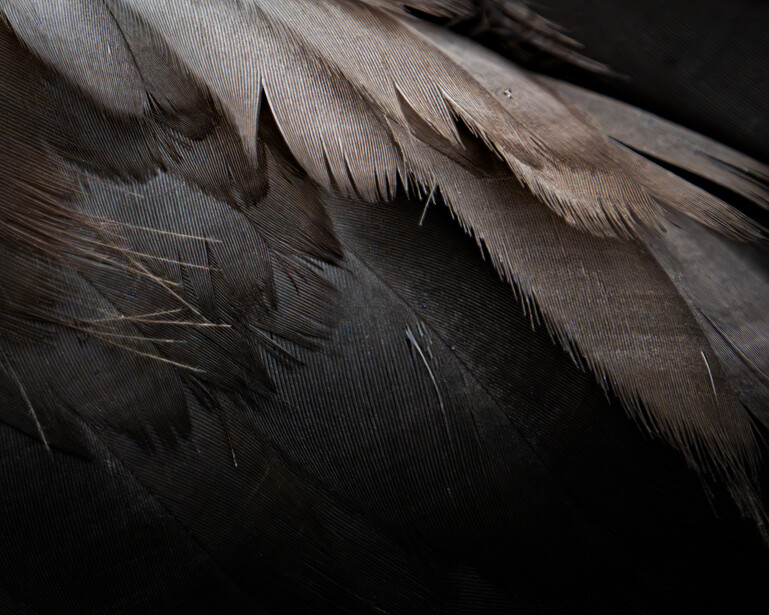
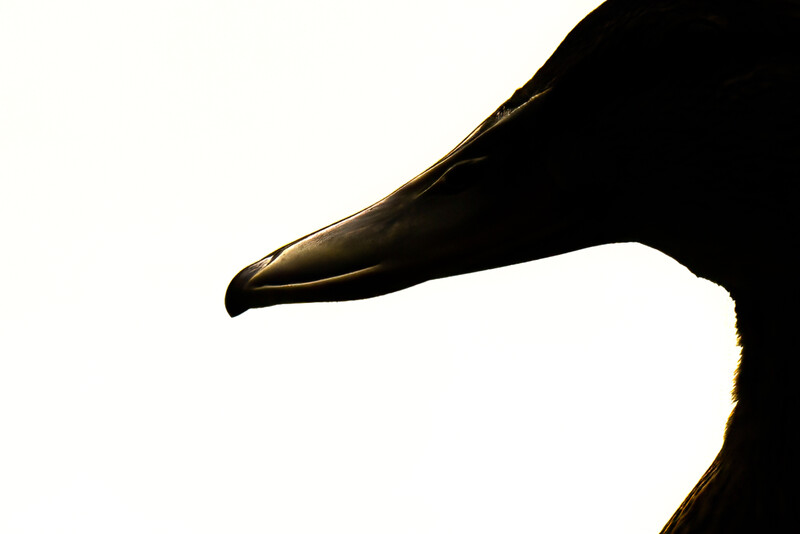
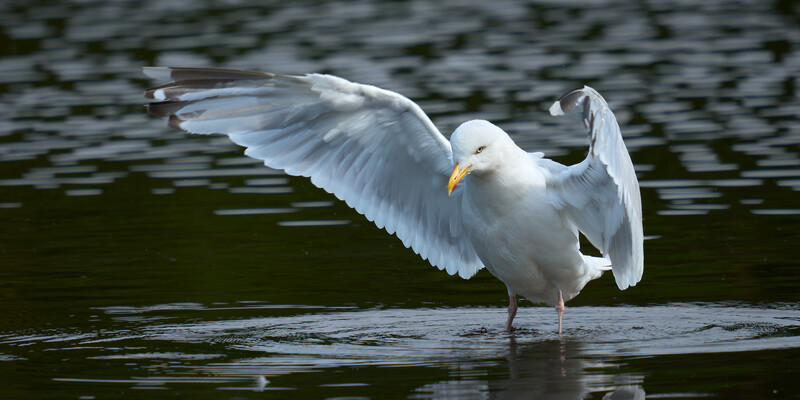
Local wildlife captured with the Sigma 150-600mm DG DN Sports lens
With a high-resolution camera such as the a7R V, there is a temptation to assume that a 600mm lens is going to be useful simply because you have so many pixels available, but the pixels are only useful if the lens can resolve enough detail in the first place. And the Sigma certainly gave me plenty to work with. Images remained detailed enough to withstand significant crops, which effectively extends the usefulness of the lens even further, and for my first foray into local wildlife photography, that is a major advantage. You're not always going to be able to get as close to your subject as you'd like, but being able to crop aggressively while retaining good detail can make the difference between an image that works and one that doesn't.
The Challenge of f/5-6.3
There is, however, one obvious compromise. The Sigma is an f/5-6.3 lens, which isn't particularly fast, especially when you're working at 600mm. In good light, it isn't really an issue. In fact, during much of my testing, I found the aperture perfectly usable. But as the light starts to disappear, the limitations become slightly more obvious. DxO PureRAW was my go-to when any instances of noise became an issue.
A slower aperture also means that achieving extremely shallow depth of field isn't always as straightforward as it would be with a faster, more expensive prime telephoto. That said, I think it's important to put this into context. A 150-600mm lens with a constant fast aperture would be considerably larger, heavier, and significantly more expensive. The variable f/5-6.3 aperture is part of what makes this lens relatively practical and versatile. For me, the question isn't whether f/6.3 is fast. It isn't. The question is whether the compromises are reasonable given what the lens offers, which I think they are.
Living With the Weight
The 2.1 kg weight was something I initially wondered about. As a landscape photographer, I'm used to carrying camera equipment over significant distances, and adding a lens of this size to the bag isn't insignificant. There is also a difference between carrying a heavy lens and actually using one. Once mounted on the camera and shooting, the weight became much less of an issue than I expected. The lens feels substantial, but that weight also contributes to its feeling of solidity. The biggest adjustment was learning to work with it. A 600mm lens changes how you handle a camera. Small movements are exaggerated, and finding and following a subject takes practice. But this is less a criticism of the Sigma and more an inherent characteristic of working at such a long focal length. The more I used it, the more natural it became.
A Different Way of Seeing
Perhaps the most interesting thing about this lens wasn't anything that appeared on the specification sheet. It changed how I looked at subjects. As a landscape photographer, I'm naturally drawn to wide, relatively expansive compositions. I'm often trying to include a sense of place, layering foreground, middle ground, and background. The 150-600mm encourages almost the opposite approach. Instead of asking, "How much can I include?" you start asking, "What can I isolate?" and that can be surprisingly addictive. A distant tree, a bird on a rock, a small detail in a landscape, or a subject partially hidden within its environment can suddenly become a photograph. The lens encourages you to look beyond the obvious. And for someone coming primarily from landscape photography, I found this really refreshing.
Is It Just a Wildlife Lens?
It's tempting to think of a 150-600mm lens as something designed exclusively for wildlife photographers, and I don't think that's entirely fair. Wildlife is obviously where the lens makes the most obvious sense, but that enormous focal-length range opens up plenty of other possibilities. Aviation, motorsport, and outdoor events are obvious applications where this lens would be most useful, but you knew that anyway.
What I Liked
- Image quality
- Focal range
- Optical stabilization
- Build quality
- Tripod collar included
What Could Be Better
The f/5-6.3 aperture is a compromise that I am more than happy to have, considering the cost of the lens. This sort of reach on a prime lens would cost a considerable amount more.
Who Is It For?
The obvious answer is wildlife photographers. If you're interested in photographing birds or animals and need serious reach without moving into the considerably more expensive world of super-telephoto primes, the Sigma 150-600mm makes total sense. It gives you the reach you need without forcing you to commit to a fixed focal length. That flexibility matters when you're still learning which focal lengths and techniques work best for you.
The Verdict
I tested the Sigma 150-600mm f/5-6.3 DG DN OS Sports as a landscape photographer who was relatively new to wildlife photography. I came away wanting one. That's probably the simplest way I can describe my experience with it.
Sure, it's heavy, but not incredibly so. Yes, the f/5-6.3 aperture means that you'll have to make compromises as the light falls. And yes, 600mm takes some getting used to. But the combination of reach, image quality, autofocus performance, stabilization, and versatility makes those compromises surprisingly easy to accept. More importantly, the lens made me want to photograph subjects I wouldn't normally consider. And that's something I value highly in photographic equipment. The best equipment doesn't simply perform well; it changes how you work and encourages you to see differently. For me, the Sigma 150-600mm did exactly that.
After using it, 600mm stopped feeling like an unnecessarily long focal length and started feeling like a creative tool, yet despite my initial concerns about carrying another 2.1 kg of equipment around, those concerns gradually disappeared. Sure, I probably will not carry it on a large hike up the mountains, but I did find that it introduced me to a completely new way of working and thinking. So much so that I am in the process of purchasing a Sigma 150-600mm f/5-6.3 DG DN OS Sports.


Join the Fstoppers community for free
-
Post comments and join in the discussions
-
Browse the site ad-free
-
Share your work and get featured in the community
-
Compete in the photo contests for fun and prizes
4 Comments
good photos, i like birds
Wildlife photography is addictive, it is fun, it is capturing something that is far and small, fast or slow. What I find interesting is, the bigger the lens, the more I want.
I shoot bird photography, in the beginning with a Canon 80D with a Tamron 70-200 mm lens, with a 2X adaptor, at that time, I was getting photos, but the subjects seemed to always be a little too far away.
I splurged and bought me a Canon R5 along with the 200 - 800 mm lens. What a difference having that much more distance makes.
If this was your first time taking out a big lens, and you started taking photos of birds, you did a excellent job capturing them. Have you tried capturing them taking off? Did you try capturing them when they were landing? How about just flying? To me, I find that the smaller the bird is, the faster they are when they fly which makes it a challenge.
That's where the fun comes in...
I was actually surprised by how much I enjoyed it. Yes, this was the first time I had been out with a big lens, and as you can see, most of them were static which made it easier for me. I did try to capture some flying, but I will need to practice my tracking skills for that. Lovely images you have.
sometimes it is hit and miss...the miss, the two herons in flight fighting (clipped wings)...just get out and shoot, I'd like to see more!