

You've heard it once, you've heard it twice: shoot daily. Sounds like excellent advice (because it is — for some people). Shooting daily is one of the most repeated pieces of advice that gets thrown around. It gets repeated because it's simple and sounds disciplined. But for working adults, parents, busy people, or burned-out creatives, it can quickly become a guilt machine. What if the goal isn't shooting every day, but building a practice you can actually sustain?
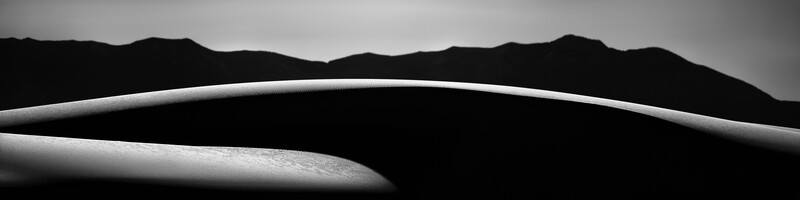
Where It Starts to Break Down
Shooting every day is solid advice — don't get me wrong, there is great advice rooted in this concept. Repetition builds familiarity, familiarity builds confidence, and consistency improves seeing. This frequency can benefit beginners, but the problem isn't the advice itself. The problem is how absolute it's become. Daily shooting can become counterproductive in a few cases.
Turns into a Checklist: Creative work becomes a daily task you must complete, eventually leading to creative numbness, and you start producing rather than seeing. The tendency starts where you begin photographing everything just to keep the streak alive. Output increases, but the intention behind your images begins to wane; the habit persists, but your work does not improve.
Creates Guilt: Guilt becomes a major factor; missing a day makes you feel like a failure. As time passes and a week goes by, it feels like you're falling behind. At this stage, photography starts to bear emotional burdens: pressure, shame, and comparison seep in. This guilt makes it more difficult to get back on track.
Ignores Real Life: At no point does shooting daily take your life into account. Jobs, kids, caregiving, weather, health, money, and energy levels are not built into the formula. Some photographers go for long periods without taking a single photo because life gets in the way. Advice that ignores life logistics often feels motivating in theory but punishing in practice.
Reinforcing Bad Habits: Repetition only helps if you pay attention. Shooting daily without reviewing can reinforce bad habits, leading to repeated patterns in compositions, subjects, editing, and timing. High volume can mask stagnation.
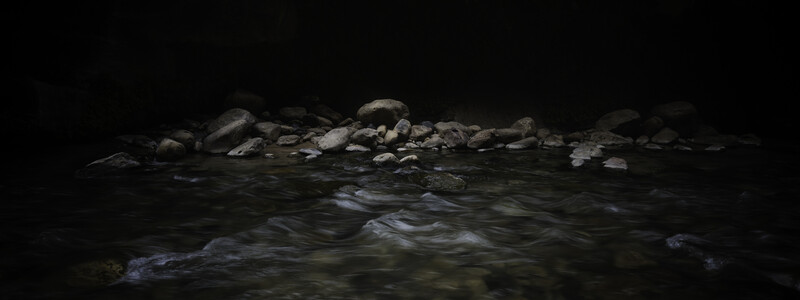
We Confuse Output With Growth
The internet tends to reward visible activities like reels, posts, daily challenges, and updates about your work. Posting daily images just to have content is not true growth. Genuine development is slow and less noticeable in the short term. It becomes evident through improved observation, editing choices, sequencing, and restraint. Any photographer can grow without shooting every day, but it's also possible to shoot more and remain stagnant.
There is a notable distinction between output and growth. Begin by determining whether you're focusing on growth or output, considering various factors. Output includes metrics such as the number of shoots, photos, and posts. The most noticeable growth comes from making better choices, having clearer intent, editing consistently, exercising patience, and applying stronger self-criticism. It shifts the mindset to prioritize quality over quantity.
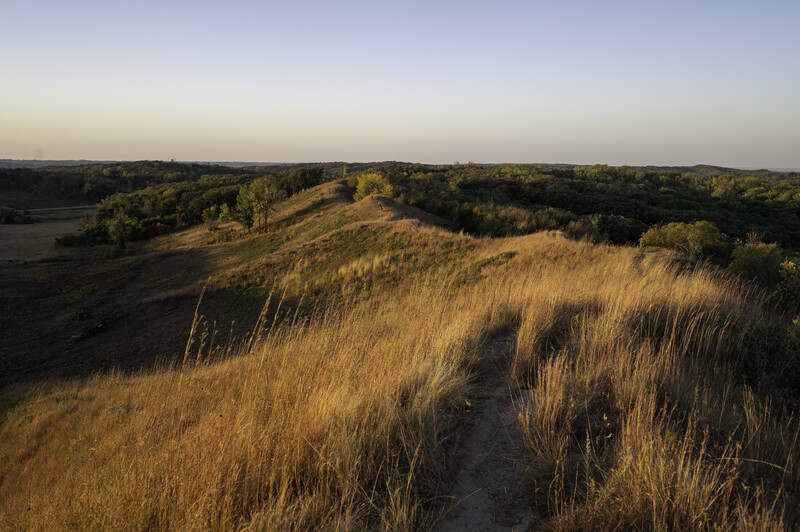
What to Do Instead
Ultimately, if daily shooting doesn't fit your lifestyle, it's worth finding a better alternative. Instead of sticking to a daily streak, consider developing sustainable practices that suit you. Improvement doesn't require performing the task every single day; focus on consistency over frequency.
Skip the Daily Rule: Use a weekly rhythm instead. Shooting every day can be replaced with shooting two to three times a week, or one intentional session per week. Weekly routines are more flexible and realistic, and easier to maintain in the long run. For example: one walk, an editing session, or reviewing your week. Consistency is about return, not frequency.
Redefine Practice Beyond Shooting: Growing your skill set doesn't always mean holding a camera. It can be many things: editing old work, revisiting failed images, looking at photo books, and even observing without a camera. These are just a few of the things you can do without the camera and may fit into your daily life more easily. If you want to deepen your skills across disciplines, The Well-Rounded Photographer: 8 Instructors Teach 8 Genres of Photography is a great resource to explore on your own schedule.
Use Assignments: Streaks reward completion, and assignments reward intention. Every assignment will help your intention grow. The daily shoot is vague, whereas assignments provide a clear goal to strive for. Assignments can range from only shadows to photographing a familiar location at different times, or from one location with three different moods. It works because you have a clear goal of what you need to be photographing.
Schedule Review Times: Progress happens when you evaluate, not just shoot. Schedule an hour each week to review photos and see what worked, what didn't, editing techniques, and anything you may have avoided. Taking the time to evaluate your own work helps you see patterns in your work and style. After each shoot, ask yourself these questions:
- What was I actually drawn to?
- Which image feels strongest and why?
- What pattern keeps showing up in my work?
Leave Room for Rest: Rest is part of the process, not a break from it. It is the easiest way to avoid creative burnout. Rest is not laziness; it's time for you to take a break and re-energize, because creative recovery matters. Distance will also help you see your work more clearly, and some ideas just need time.

Who “Shoot Every Day” Does Work For
I mentioned earlier that shooting every day is not bad; it just does not work well for everyone. It does work for photographers who thrive on structure, are in a short-term challenge, are intentionally practicing a specific skill, and genuinely enjoy the routine. The issue is not daily shooting; it's that you start to see it as the only way to grow. If daily shooting helps you, keep doing it. But it shouldn't be the standard that makes everyone else feel like they're failing.
Daily shooting has never worked for me; my daily life is just too hectic. There have been longer periods when I have not picked up the camera to create personal images — rather than client images, which take priority. I've tried other "daily" tasks in photography, and they only make me feel worse because I miss the deadline. By stepping back and slowing down, I gave myself time to evaluate where I wanted my photography priorities to go.
In the End
Shooting every day is not bad advice. It becomes problematic when it creates pressure, guilt, or mindless output. The real goal is sustainable practice, and consistency should support your life, not fight it. The goal isn't to prove you're dedicated. The goal is to keep making work that matters to you.





Join the Fstoppers community for free
-
Post comments and join in the discussions
-
Browse the site ad-free
-
Share your work and get featured in the community
-
Compete in the photo contests for fun and prizes
1 Comment
Justin, rather than shooting daily maybe being prepared to shoot daily or always is the solution. Find an EDC camera that is convenient and quick to access whenever you see something of interest or inspiring. A compromise between your cellphone and your full kit. Something you can carry on your hip and access in a moment that covers your shooting interests.
In following your and other FS Staff writers I've notice the practice of repeat an image at least once and sometimes multiple time?