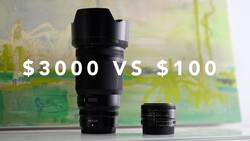
A 50mm lens can cost $50 or it can cost over $2,000, and both can take photos you’d happily keep. The real question is what you’re paying for when the focal length stays the same, and whether any of it changes what you can shoot tomorrow.
Coming to you from Hunter Creates Things, this practical video starts with the kind of cheap 50mm that’s easy to dismiss, then shows why that’s a mistake. Hunter uses the classic screw-drive AF NIKKOR 50mm f/1.8D as the baseline and calls out the one real catch that can bite you if you’re on newer bodies. Put it on an adapter like the Nikon FTZ Mount Adapter and you’re in manual focus, which is either a fun constraint or an instant deal-breaker. You also get a frank look at what happens when you shoot that older design wide open versus stopping down, without pretending you need to pixel-peep to notice it. The point isn’t that the cheap lens is secretly “as good,” it’s that it can be good enough in ways people gloss over when they’re shopping by reputation.
Then Hunter jumps to a modern middle option, the NIKKOR Z 50mm f/1.4, and the comparison gets more honest. You’re not just buying sharpness, you’re buying behavior: faster, quieter autofocus, better handling, and a different experience when you’re moving fast. There’s a small but real workflow benefit in features like full-time manual focus override, especially when autofocus gets you close and you want to finish the job yourself. You also get the tradeoff that comes with modern mounts, since a Z-mount lens won’t follow you onto older bodies like the Nikon F3 or even something like the Nikon D750, which matters if you bounce between film, DSLR, and mirrorless. Hunter also sneaks in a strong point that gets ignored in spec sheets: a larger lens can simply feel better in your hands, especially on a body like the Nikon Z6 III.
The expensive lens segment is where the video gets sharp in a different way, because it doesn’t treat “pro” as a synonym for “best.” Hunter talks about why something like the NIKKOR Z 50mm f/1.2 S can be brutally sharp wide open, and why that matters more for some work than others. Then the tone flips: the weight, the bulk, and the reality that some high-end features feel like clutter when you’re trying to keep your kit pleasant to carry. The most useful detail here isn’t the roast of an OLED display or a clickless ring, it’s the distinction Hunter makes between “clean and consistent” output for commercial jobs and “a little bit of look” for personal work, including why Hunter reaches for lenses like the NIKKOR Z 40mm f/2 when perfection isn’t the goal. There’s also a practical shopping move buried in the later section: go to a real shop, mount the lenses, and walk around for a while before buying based on charts. Check out the video above for the full rundown from Hunter.


Join the Fstoppers community for free
-
Post comments and join in the discussions
-
Browse the site ad-free
-
Share your work and get featured in the community
-
Compete in the photo contests for fun and prizes