
A quick inventory check at major US retailers tells a strange story. Some of the most advanced cameras in history are sitting on shelves, ready to ship today, while certain "retro" bodies remain perpetually backordered or hold their value years after launch with sensors their manufacturers discount in other bodies. This is not just supply chain noise. Demand is clearly concentrating around cameras that optimize for portability and tactile control, and manufacturers should be paying attention.
The Availability Paradox
Open the B&H website right now and look at the flagships. The Sony a7R V, Canon EOS R5 Mark II, and Nikon Z8 are all available for immediate purchase. These are technological marvels by any measure. They offer resolution that exceeds the demands of billboard printing, autofocus systems that can track a bird's eye through a cluttered forest, and video specifications that would have required a cinema rig five years ago. By every metric on the spec sheet, these cameras represent the pinnacle of what the industry can produce.
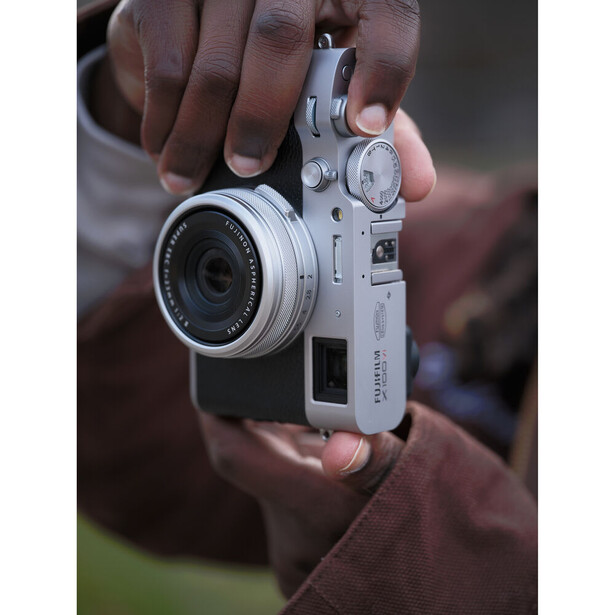
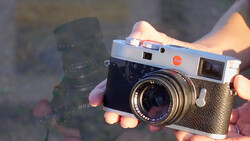
Now search for a Fujifilm X100VI. Nearly two years after its February 2024 launch, you will find the same story: backordered, awaiting stock, available from third-party sellers at prices often hundreds of dollars above MSRP. The X100VI is a fixed-lens compact with a crop sensor in a world of full frame interchangeable lens systems. On paper, it should not be outselling flagship bodies. And yet retailers cannot keep it on shelves.
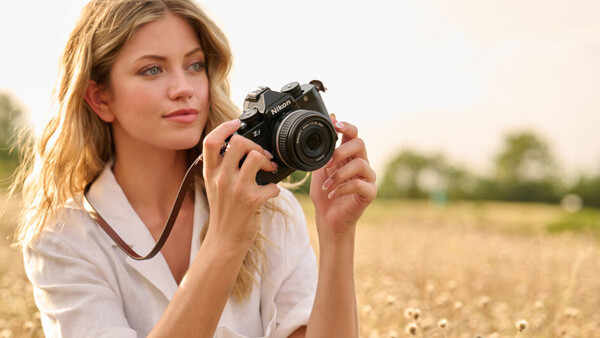
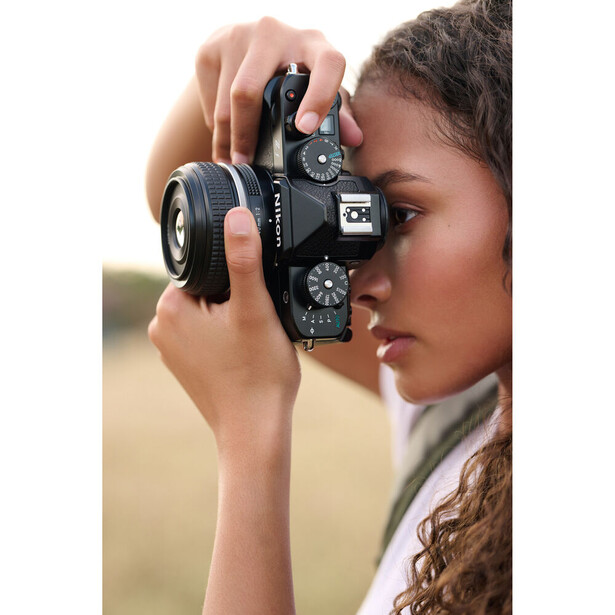
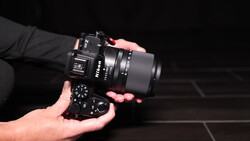
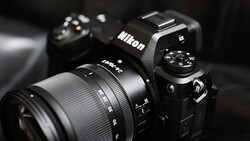
The Nikon Zf tells a different but equally revealing story. It launched in late 2023 and has been readily available for some time now. But here is what matters: the Zf uses the same 24.5 MP sensor as the previous-generation Nikon Z6 II, a camera Nikon routinely discounts at major retailers. The Zf maintains stronger pricing power despite sharing that sensor. Yes, the Zf benefits from a newer EXPEED 7 processor with improved autofocus, but the two cameras produce broadly comparable image files. Yet the market treats them completely differently, and the processor upgrade alone does not explain the gap in desirability.
The explanation is simple, even if it makes the spec-obsessed crowd uncomfortable. For a large share of buyers, we have reached Peak Useful Spec. The market is voting with its wallet, and it is saying that once a camera crosses the threshold of "good enough," the experience of using it becomes the deciding factor. The megapixel wars are over. The new battleground is industrial design.
The Leica Principle
This argument is not about cameras as fashion accessories for content creators. It is not about aesthetics for their own sake. It is about a philosophy that Leica proved decades ago and that the industry has periodically forgotten and rediscovered ever since: the best camera is the one you actually want to carry.
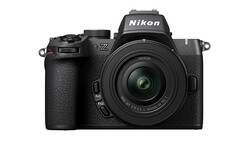
Consider the modern flagship mirrorless body. It is large, ergonomic, and wrapped in textured plastic. It fits the hand well during a long shoot. It balances nicely with heavy telephoto glass. It is, by every functional measure, a superior tool for the working professional. It is also, for many photographers, profoundly uninspiring. It feels like an appliance. It has the soul of a laptop. When the shoot is over, it goes back in the bag, and the bag goes in the closet, and the closet door closes until the next assignment.
The logic chain is simple and defensible: you do not take better photos because your camera is pretty. You take better photos because your camera is with you instead of sitting in a closet. A photographer who carries their camera everywhere will encounter more opportunities, develop faster reflexes, and build a larger body of work than a photographer whose technically superior machine stays home because it feels like bringing a workstation to a coffee shop. Leica understood this. Fujifilm understood this. Nikon, with the Zf, has finally remembered it.
Friction Is a Feature
There is another dimension to this shift that goes beyond appearances. Modern flagship cameras have become computers that happen to have lens mounts. Operating them means navigating nested menus, customizing function buttons, and interacting with touchscreens. The experience is efficient in the way that spreadsheet software is efficient. It optimizes for capability at the expense of feel.
The Zf and the X100VI reject this paradigm. They bring back what might be called mechanical friction: the physical click of a dedicated dial, the resistance of a manual aperture ring, the deliberate act of setting exposure with your fingers instead of scrolling through a menu. This friction is not a limitation. It is a feature. It forces the photographer to slow down, to consider each setting as a conscious choice, to stop operating a computer and start making a photograph.
When Specs Actually Matter
None of this is to say that specifications are irrelevant. Context matters, and there are contexts where the flagship bodies earn their place.
If you are shooting the Super Bowl from the sideline, you need the tracking autofocus, the buffer depth, and the 120 frames per second that separate a professional tool from an enthusiast indulgence. If you are photographing a wedding reception in a dark barn with a client who expects every moment captured in perfect clarity, you need the high-ISO performance and the computational photography that modern sensors and processors provide. If you are documenting wildlife from a blind at dawn, you need the battery life, the weather-sealing, and the telephoto reach that only a full-sized professional body can deliver.
For these applications, the Z8 and the Sony a9 III and the EOS R5 Mark II are not overbuilt. They are correctly built. The photographers who need these tools know who they are, and they are not the ones buying a Zf or hunting for an X100VI.
But here is the reality that the spec sheets obscure: most photographers are not shooting the Super Bowl. The overwhelming majority of camera buyers are enthusiasts, hobbyists, travel photographers, street shooters, and portrait artists who will never need 120 frames per second or 8K video. They are paying for capabilities they will never utilize, packaged in bodies that inspire nothing. They have been sold on numbers because numbers are easy to market, and they have slowly come to believe that photography is about the numbers rather than the images.
The Shift From Technician to Artist
For the last decade, camera marketing has treated photographers like technicians. The pitch has been about dynamic range charts, autofocus point counts, bitrate numbers, and rolling shutter measurements. The assumption has been that buyers make rational decisions based on quantifiable performance, and that the path to market dominance runs through benchmark superiority.
The manufacturers who understand this shift will define the next decade of the industry. They will build cameras that prioritize experience alongside capability, that treat industrial design as a core feature rather than a marketing afterthought, that recognize the photographer as an artist rather than a technician operating sophisticated machinery.


Join the Fstoppers community for free
-
Post comments and join in the discussions
-
Browse the site ad-free
-
Share your work and get featured in the community
-
Compete in the photo contests for fun and prizes
20 Comments
I agree. Now, if only the camera manufacturers will provide more such cameras.
My guess is that most of the people buying these kinds of cameras are primarily from the so-called right-brained persuasion. Which basically means they are not basing all of their decisions on data and logic and reason. They go by how things feel instead of going by how things actually are. Seems like misguided purchasing decisions to me. The feel and ambiance of the camera does not affect the images we take. No, it doesn't. And the only thing that matters are the images we take, not the tool we use to take them.
Merry Christmas
That's exactly what a left brain dominant person would say. Is it not fair to say that there is no 'wrong' way to choose the camera you prefer for whatever reasons.
S Browne wrote,
"Is it not fair to say that there is no 'wrong' way to choose the camera you prefer for whatever reasons."
Absolutely correct! I am glad you worded it that way, because if you had worded it the way you meant to, then what you wrote would be incorrect. Hahaha!
Merry Christmas!
Logically speaking you are correct but not everything needs to be logical in Art. In fact it wouldn't be art if it was 100% logical. it would more akin to science or math. Sometimes having worse specs produces the results one may desire for the work they are trying to create. It's why we have seen a surge in desire for older gear. it lacks the perfection of modern gear which is what a lot of people want. Sometimes buying a camera is just about the looks. Some people want the camera because of how it makes them feel which is super illogical but it gets them to pick up said camera get out side and shoot which a great thing. Kind of like with my guitar. Is my guitar the most high tech and performance laden machine? NOPE not even close. I paid $100 for it and it's made of chinesium, BUT it is good enough and I like the way it looks and how it feels which keeps me picking it up and practicing.
Chris Rogers wrote:
"Sometimes having worse specs produces the results one may desire for the work they are trying to create."
But then they would not be "worse specs".
Camera and lens specifications are ALWAYS evaluated according to the specific uses that we have for them. Therefore, if we want images that area a little cloudy and not sharply detailed, a lens that resolves a gazillion line pairs per inch actually has bad specs, because we are evaluating the lens' resolving ability according to the uses that we have for it.
So, given the above paragraph that I wrote, I would argue that worse specs never produce results that someone desires, because if gear produces the results one desires, then to that person that gear has the best specs.
Semantics really, really matter.
Love to you all :)
".. the only thing that matters are the images we take, not the tool we use to take them"
So true.
To quote the old line; the best camera is the one you have in your hand when inspiration/scene presents itself.
Patrick Tueth wrote:
"To quote the old line; the best camera is the one you have in your hand when inspiration/scene presents itself."
YES! And I will always try to have the most capable camera in my hand, not the most stylish or the easiest to carry. Style and convenience do not play a part in what camera to pick up and take with me. Nor should they for anyone else who takes photography seriously.
Merry Christmas!
Your opinion is what's right for you, not for everyone.
nah ... if someone's objectives and priorities and values are the same as mine, then what I have figured out is best for them, too. If someone does not prioritize image quality at the essential level, and prioritizes ease and comfort, or style and impressions or other superficial fluff, then I can not help them because they are beyond hope.
You talk as if you are some sort of authority who needs listening to but sorry to burst your bubble, that's just misguided ego. All any of us can do is offer personal opinions but we cannot speak for or claim to know what is best for others.
If someone wants exactly the same things I want in their images, and shoots in exactly the same conditions, and shoots the same subjects, and wants their images to look the same way that I want my images to look, then I sure as hell can claim to know what is best for them. If I know what is best for me, and someone else is exactly the same as me, then I know what is best for them, too.
You only know what’s best for you because no two people are exactly alike and no one will have exactly the same priorities as you, unless someone invents cloning.
well it's not my fault if other people have the wrong priorities or values
Is that comment meant to be tongue-in-cheek? You can't seriously think that.
Again another photographer trying to figure why one buys a camera and for what! I come from the film days when yes you had pro's that after the capture had to head to the dark room to develop then edit the image with some trickery. But there were also developers in every drug store or camera store and there are boxes full of prints all over. Remember the Kodak 110mm pocket cameras like the cell phone today just to capture an event and no hassle prints.
The biggest thing messed by most all is the fact most images are not edited like a jpeg on an SD card that can be printed at Walmart or drug store, there are also the hookup camera/cell phone to your computer and on a website get prints sent to you.
The point is easy prints no editing required. Also for the video a cell phone does it better than any camera for it comes out just the way it was captured and loaded on a computer and sent to the many web sites in just seconds - you see the videos on the news every day and yes today everyone including young kids have with them all the time. People do not have the time to edit.
The strangest thing is Canon and Nikon did not go mirrorless till 2018 where Sony started in 2013 and had a full list of lenses by 2018 and now are just improving the lenses and cameras with I and double II. Also when Canon and Nikon went mirrorless everyone had to trash can all camera and lenses for the lenses did not cross over, but yes all the old cameras still work and are used by many non pros and hobbyists. But the question is why keep going to Canon and Nikon brand as well as others.
The main thing is Sony never made it to the big box stores and not till ago year did I see in a military AAFES where I saw a A7/R/S mod ones on the selves brand new.
But again lastly very very few ever edit images for like in the film days all go from camera to computer to the net very fast.
The simple truth is many people just don't need flagship specs or want to pay flagship prices and just need a decent and capable camera. Street photographers, for example can easily use entry level cameras because it's a genre that doesn't require over the top specs.
You are so right, Sam.
There are even genres within genres that do not require high level gear.
For example, most wildlife photography does demand flagship gear in order to get all of the good photos that are possible, in all conditions and all scenarios.
I mean you better have world class tracking autofocus if you're photographing birds in flight, world class weather sealing if you're shooting in from a boat in choppy salt water bays, and super telephoto lenses if you are trying to get frame-filling portraits of animals that are terrified of humans, and very fast lenses and premium sensors if you are shooting well before sunrise or well after sunset.
BUT .....
One type of wildlife photograph is herp photography - the photographing of reptiles and amphibians. This type of photography does not require large aperture glass because you typically want as much in focus as possible, and also because you are usually controlling the conditions and the light. It does not require super telephoto focal lengths because you are usually able to get right up close to the critter, or pick it up and place it just where you want it and shoot it at whatever distance you want (close!). And it does not require especially durable or weather-sealed gear because the gear usually stays in your pack until you need to use it, then you use it for several minutes, and then it goes back into the safety and dryness of the pack.
Thanks for an interesting essay. But to me it's an unnecessary dichotomy. I have a Fuji X-T5 and a Nikon Z6 iii. The ergonomics of the Nikon are deeply satisfying to use, and the shutter sound is glorious - to me it's got soul and is nothing like a laptop in actual use. The Fuji, for all its tactile elements, is just as much a computer, and with both cameras I still have to dig into the menus every so often. What distinguishes them for me is that I have different use cases. The lighter Fuji is better for travel and hiking, the Nikon is far better for birds and wildlife. Nothing to do with aesthetics vs function.