Choosing the right gear matters less than most people think. What matters far more is whether the act of making photos actually means something to you, and that turns out to be a harder question than it sounds.
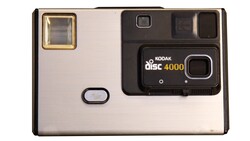
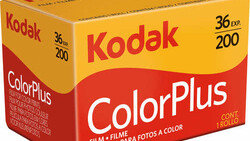
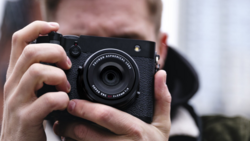
Coming to you from Hunter Creates Things, this thoughtful video takes a hard look at what "enjoy the process" actually means in practice, because it turns out the phrase is both true and almost completely useless as advice on its own. Hunter shoots the video while working with an old Kodak film camera, and that choice isn't random. His point is that analog tools like that one give you more opportunities to genuinely do your best work, from metering by eye to developing and scanning your own film. He draws a sharp line between making photos and consuming photography, and the difference isn't always obvious. Scrolling gear listings, chasing Instagram likes, and obsessing over other people's opinions of your work can all feel like creative engagement when they're actually the opposite.
One of the more striking ideas in the video involves how Hunter describes his own experience chasing social media validation early in his career. He'd go out and shoot, then stay up until the early hours developing and scanning just to post as fast as possible. He frames it bluntly: he was doing the labor required to consume likes, not to make art. He also brings in a quote from Tyler Shields, who asks himself before every frame, "What if someone was paying me a million dollars to take this photo? What would I do differently?" That question reframes the entire act of shooting. It's not about the camera. It's not about the audience. It's about whether you actually gave it everything in that moment.
The scanning section of the video is worth watching on its own. Hunter explains that he moved away from an Epson flatbed scanner and is now using the Valoi 360 with a Nikon Z6 III and Negative Lab Pro, and the results from 35mm film are running to 12,000 pixels across. He's still deep in the learning curve with it, experimenting with backlight color temperature, borders, and pixel shift options. The reason he brings all of this up isn't to recommend a scanning workflow. It's to make the point that effort is part of what makes the work meaningful, and possibly part of what makes great art great in the first place. He ties this to figure skater Alysa Liu, who rejected the hyperoptimized, punishing culture of elite figure skating and just decided to have the most fun possible, and then won gold and became famous to people who don't follow skating at all. Author Brad Stulberg put it plainly in a post Hunter references: the combination of intensity and joy is what makes excellence sustainable, and without the joy, the intensity eventually burns out.
Check out the video above for the full breakdown from Hunter, including where the Olympics fit in and what it actually looks like to approach photography without optimizing the fun out of it.

Join the Fstoppers community for free
-
Post comments and join in the discussions
-
Browse the site ad-free
-
Share your work and get featured in the community
-
Compete in the photo contests for fun and prizes
No comments yet