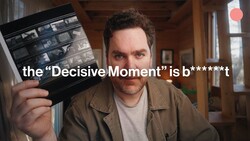
Shooting film won't make you a better photographer. The real argument isn't about film versus digital; it's about where creative intention actually comes from.
Coming to you from Jesse Senko, this thoughtful video takes on one of photography's most persistent myths: that shooting film makes you more intentional. Senko has been shooting film since the '90s, still processes it, and genuinely loves it, which makes his argument harder to dismiss. His case is that what film actually does is raise the financial stakes, and that the intentionality people credit to the medium is really just a response to cost. A roll of Kodak Portra runs around $35 Canadian, and once you factor in developing and even basic scans, you're well past $50 per roll. That economic pressure is real, and it does change how you shoot, but calling it artistic virtue is where things get muddy.
Senko draws on his own history straddling the film-to-digital transition to make the point personal and specific. He describes using a digital camera in college for product photography while classmates shot daylight-balanced film under tungsten lights, ending up with orange images they couldn't explain or fix. The ability to manually set white balance on a digital camera wasn't a cheat; it was the right tool for the situation. He also recalls borrowing a Mamiya RZ67 and renting a scanning station at Toronto Film Works, being genuinely blown away by what properly scanned film looked like. He holds both realities at once: film is amazing, and so is digital, and neither one automatically makes your work better.
The analogy Senko uses to frame the larger argument is sharp. He compares relying on film's limitations to make you intentional to relying on Mad Libs to make you a better writer. The implication is that if you need a constraint imposed by cost or format to think carefully about what you're doing, you're sourcing your creative intent externally rather than developing it yourself. He applies the same logic to his commercial work and short filmmaking, where being able to shoot digitally lets him workshop ideas, refine visual gags, and actually arrive at what he wants to say. Portrait subjects blinking through half a roll is a concrete, funny example of where the romantic version of film discipline collides with practical reality, especially when you won't know until the roll is developed.
The video doesn't stop at the film debate. Senko extends his argument to gear culture broadly, including the current digicam trend, and makes a clear-eyed point about what happens when you stop being able to hide behind equipment. That part of the conversation is worth hearing in full. Check out the video above for the full rundown from Senko.




Join the Fstoppers community for free
-
Post comments and join in the discussions
-
Browse the site ad-free
-
Share your work and get featured in the community
-
Compete in the photo contests for fun and prizes
1 Comment
I disagree to a degree.