67 megapixels at 30 frames per second used to be a contradiction. That combination now sits inside a single full-frame body that also handles portraits, landscapes, and wildlife without asking you to change tools.
Luca Petralia put the Sony a7R VI through landscapes, wildlife, concerts, and a heavy run of editorial and portrait sessions. For landscape work, the dynamic range let him recover shadows and highlights with room to spare, and zooming to 100 percent revealed a level of detail he calls mind-blowing. The wildlife takeaway centers on the autofocus and the ability to shoot at 30 fps electronically without meaningful rolling shutter, something Petralia says is unheard of at this resolution and price. He's even weighing a switch from the Sony 200-600mm to the Sony 100-400mm, since APS-C crop mode still leaves him 28 megapixels to work with.
Portraits and editorial sessions are where the camera earned his trust. Across thousands of frames, Petralia says the focus never missed, and the files came out sharp with strong dynamic range and colors he's happy to deliver. He compares the feeling to the Fujifilm X-H2S at launch, a level of confidence where the tool stops getting in the way. That's notable coming from someone who has openly used Sony for results rather than enjoyment. His one real complaint sits with the file sizes: the a7R V offered a usable lower-resolution raw option, and he wants Sony to bring a smaller raw back through firmware for the jobs that don't need all 67 megapixels.
The bigger shift here is the collapse of the multi-body kit. For years, serious work meant owning separate cameras for low light, for speed, and for resolution, with each one backing up the others. A stacked or fast-readout high-megapixel sensor changes that math, because you no longer trade resolution for burst speed the way you once did. Petralia's noise point is the practical key to using a body like this: view both at the same output size, whether a print or a 4K screen, and the noise gap shrinks toward nothing. Treat resolution as headroom you crop into rather than a penalty you pay in every frame, and the all-rounder logic starts to make sense.
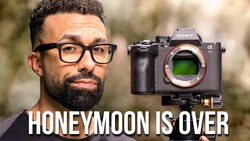
Petralia lays out the full portrait workflow, the wildlife crop strategy, and his verdict on whether the price is justified in the video above.



Join the Fstoppers community for free
-
Post comments and join in the discussions
-
Browse the site ad-free
-
Share your work and get featured in the community
-
Compete in the photo contests for fun and prizes
No comments yet