
I recently shot a roll of side-by-side photos in the Ricoh GR1 and the Minolta TC-1. I loaded both of these compact classics with Kodak Portra 160 and shot the images around Brisbane.
When I got the scans back, I was shocked at just how similar the images were. So similar, in fact, that for a while I couldn’t tell which roll was which. In this article, I’ll tell you about both cameras and show you some selected images side by side. Use the slider to compare photos from each camera below—the Ricoh GR1 photos are on the left, and the Minolta TC-1 photos are on the right.
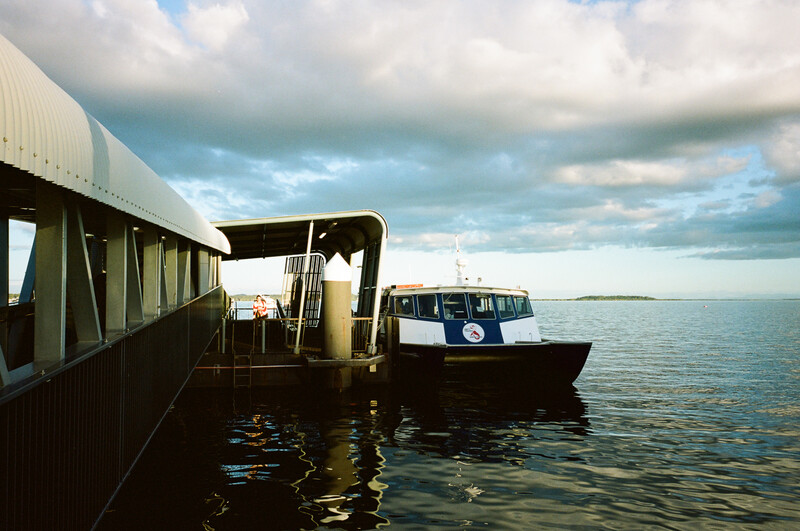
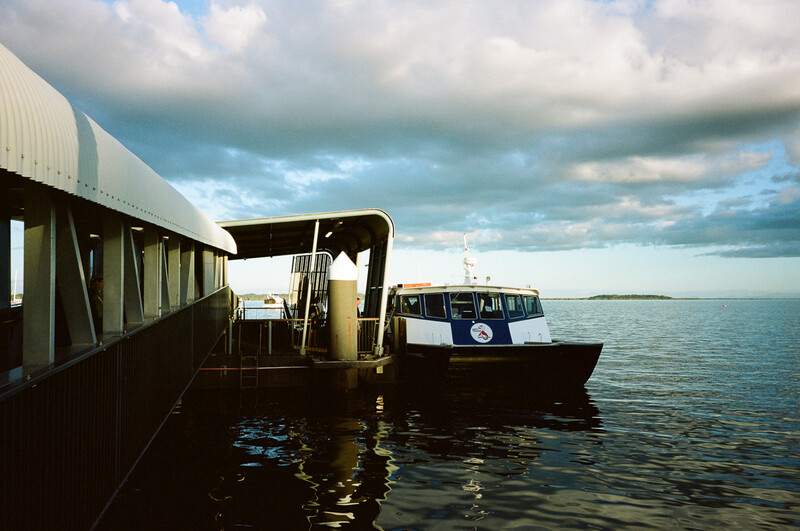
These two photos of Coochiemudlo Jetty are almost identical.
First Impressions: Two Cult Classics
The Ricoh GR1 and the Minolta TC-1 were released within months of each other in late 1996. These slimline cameras were aimed at photographers who wanted professional-quality optics in a truly pocketable package.
The GR1 was the first in Ricoh’s line of slim street shooters, which also spawned the GR1s, the GR1V, and the GR21. This line later inspired compact digital shooters such as the popular GR series, including the Ricoh GR III—the perfect camera for street and travel.
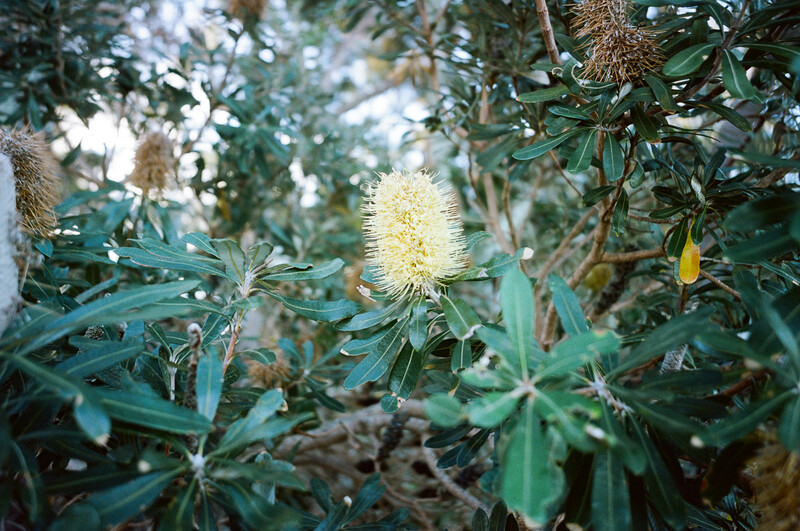
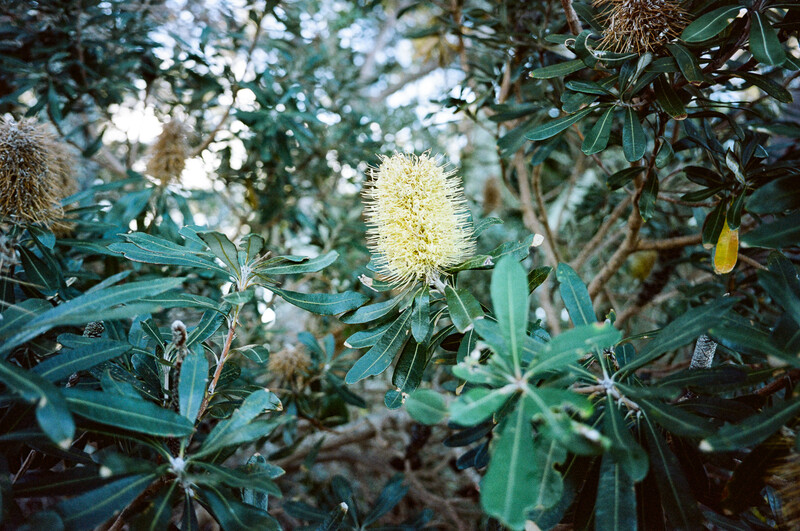
The photos of this Banksia also look remarkably similar.
The Minolta TC-1 is often described as the “jewel in the crown” of Minolta’s compact lineup, a camera that pushed the boundaries of what a point-and-shoot could achieve.
When they debuted in 1996, each offered something unusual: a 28mm wide angle lens and the ability to manually select an aperture. For photographers frustrated with fully automatic compacts, these features made both cameras serious creative tools.
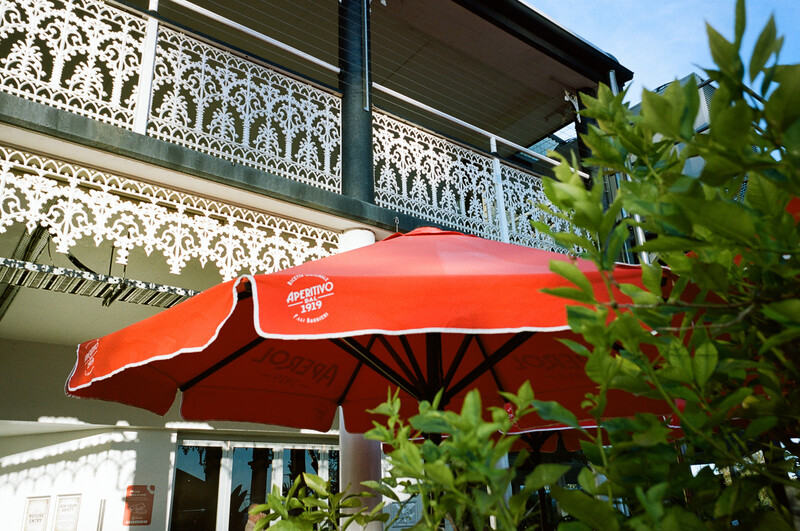
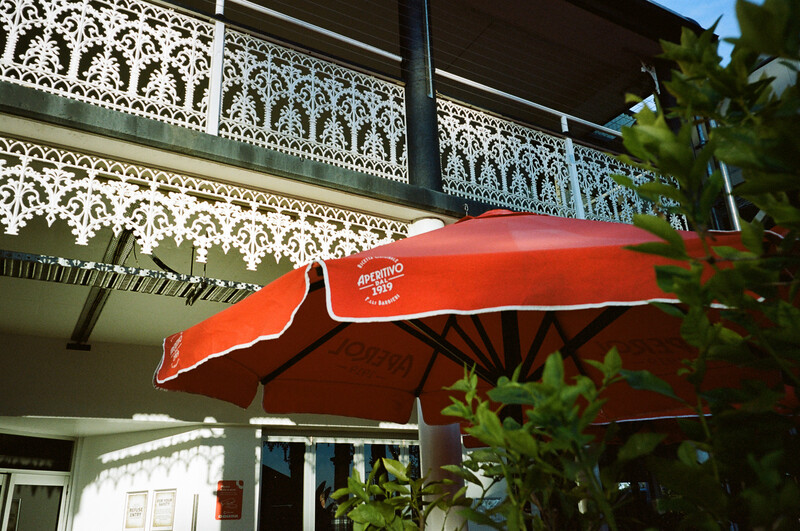
The shadows here in the TC-1 shot on the right are a little darker.
Build Quality and Design
Physically, the cameras reflect their makers’ philosophies.
The Minolta TC-1 is a tiny, titanium-bodied marvel of engineering. Unmistakably premium, it sports a 28mm f/3.5 G-Rokkor with apertures selected by a front-mounted dial.
The Ricoh GR1 is slimmer and longer than the TC-1, and although extremely capable, does not have the same luxury feel. It was designed with portability in mind, easily slipping into a pocket. It sports a 28mm f/2.8 GR lens. The GR1 has an understated design, giving it a more stealthy feel for street photography.


The shadows are a little darker for the TC-1, but both photos are very similar.
Shooting Experience
Although I couldn’t tell the difference in the images, using the two cameras is a completely different experience.
The Minolta TC-1 always operates in aperture priority mode—there is no program mode. Using a switch on the lens, you select one of four apertures (f/3.5, f/5.6, f/8, f/16), with the camera setting the shutter speed. It also has options for exposure compensation, setting the film speed, and various flash modes. This gives a feeling of control more akin to using a tiny SLR.
The GR1 can’t set film speed, but it has a handy program mode and more options for choosing aperture, right down to f/2.8. It also has the legendary Ricoh SNAP focus and an infinity mode.
To keep things fair during my comparison, I matched apertures across both cameras when possible.
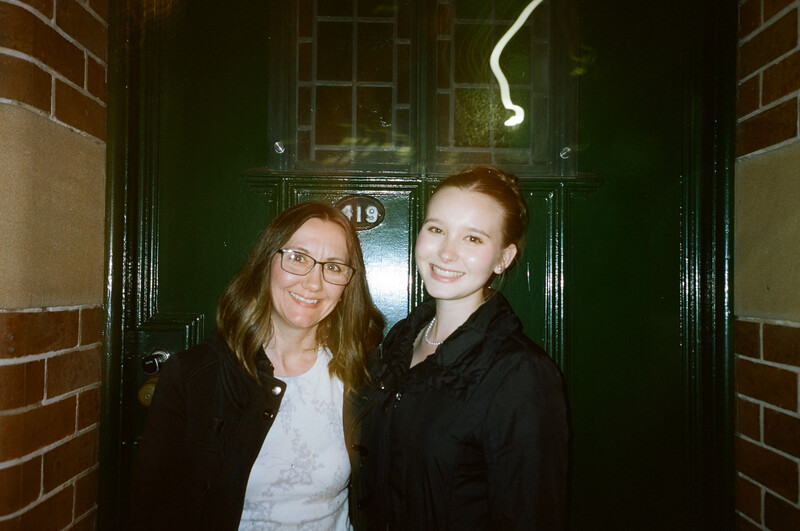
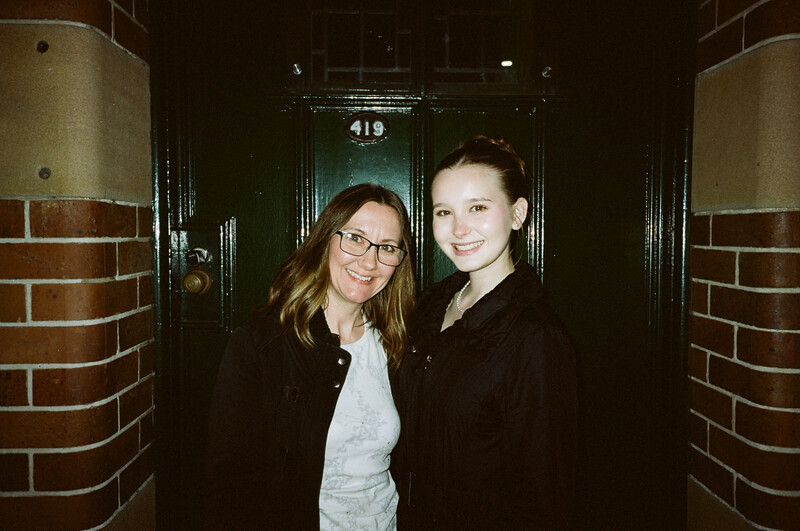
This is one of the more interesting differences—in program mode the GR1 will use a slower shutter speed, resulting in light trails.
Viewfinders and Focusing
Both cameras are notorious for their tiny viewfinders.
The TC-1 shows you an approximation of the scene, whereas the GR1 shows you framelines for image composition, plus a little extra of the scene around the outside. You can also see the lens through the viewfinder of the GR1, which is a little odd at first.
For autofocus feedback, the TC-1 displays actual focus distances along the bottom of the viewfinder window, while the GR1 uses symbols—macro flower, single person, group of people, or a mountain for infinity. Both systems work well enough, and shots with missed focus are rare.
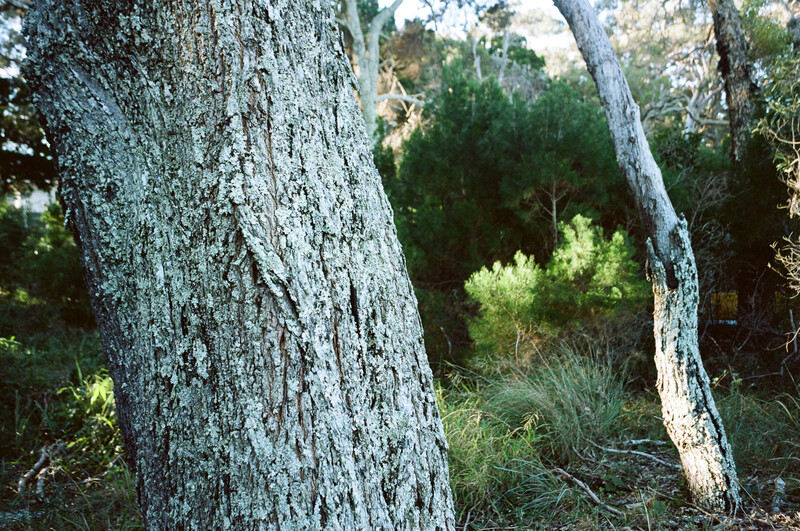
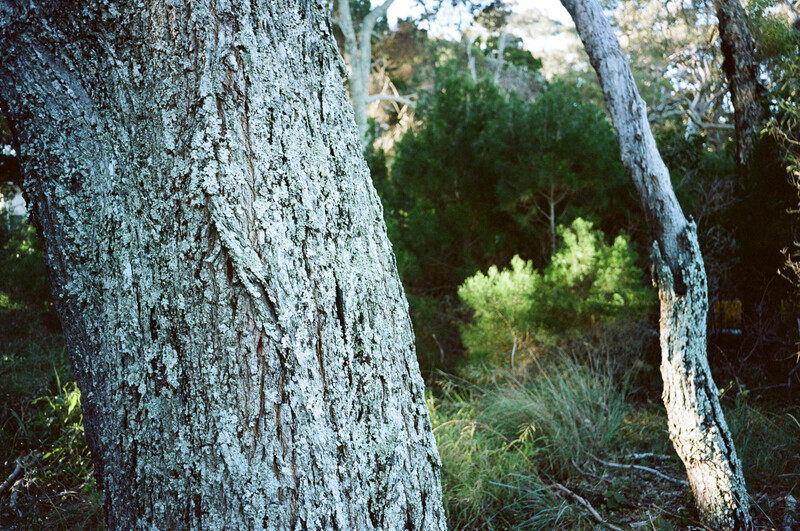
I matched apertures for the vast majority of the photos on both rolls.
Image Quality
Here’s where things get interesting. Looking through the digital contact sheets of both rolls, the differences in image quality are surprisingly subtle.
For most outdoor shots—beaches, flowers, family moments—the photos from both cameras looked nearly identical. Colors were vibrant, exposures accurate, and sharpness excellent across the frame.
One consistent difference was that the TC-1 tended to render darker shadows compared to the GR1. This may be due to variations in metering, but it gives TC-1 shots a touch more contrast.
Using flash revealed more noticeable differences. On the TC-1, shooting a portrait at f/3.5 with standard flash produced a clean, well-balanced result. The GR1, left in program mode, defaulted to a slow shutter speed which can be as slow as 1/30 s. This slower shutter speed gave the frame some motion blur and light trails. Other than when using special night scene flash modes, I have never seen this in a point and shoot before. Typically, they use faster shutter speeds and freeze the action, like the TC-1 did.
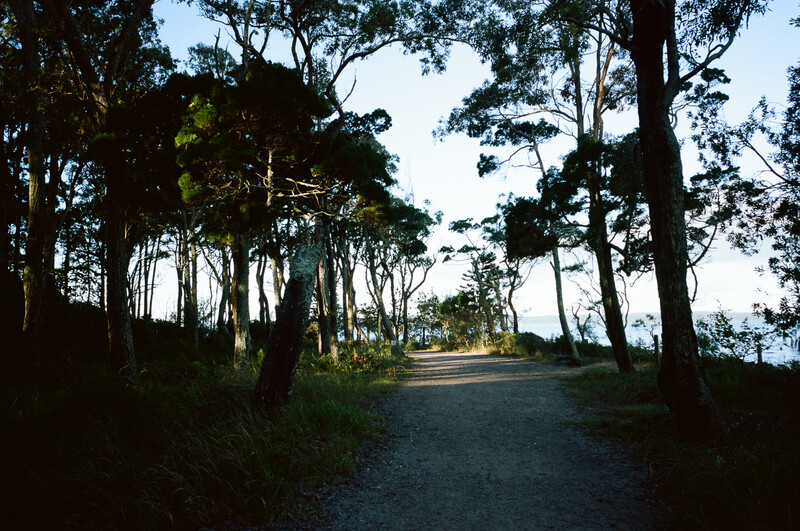
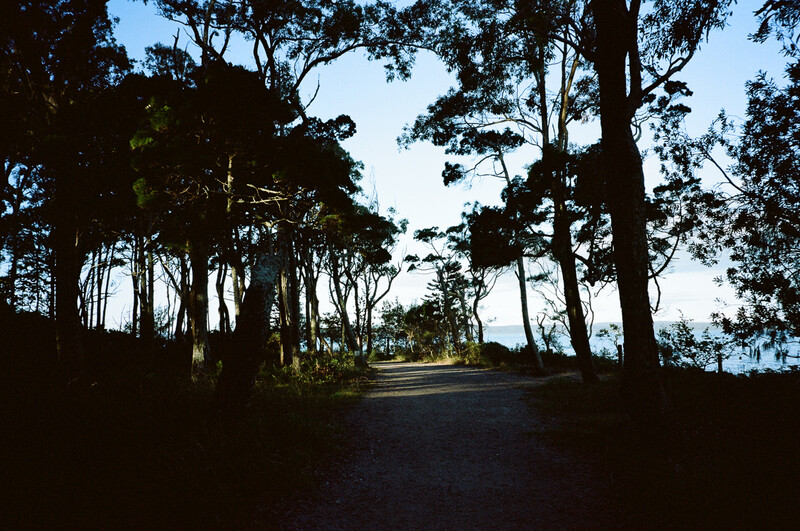
The TC-1 image on the right is noticeably darker here—perhaps due to the way it meters a scene?
Price and Availability
As with most cult cameras, prices have climbed over the years.
The Minolta TC-1 generally commands higher prices thanks to its legendary reputation and premium build. Even with cosmetic issues, these cameras often sell for well over $1,000 today. I picked mine up for the equivalent of $600 USD here in Australia, and I’ve shot a couple dozen rolls through it so far.
The Ricoh GR1 is more affordable but riskier, given its history of electronic failures. Bargains can still be found—my copy cost just $360 USD with a working LCD—but long-term reliability is uncertain. I’ve been burned by Ricoh film cameras in the past—I've had two Ricoh R1 cameras die on me.
Sadly, time is not kind to any point-and-shoot film camera. My TC-1 takes great shots but suffers from a loose battery door and peeling leatherette.
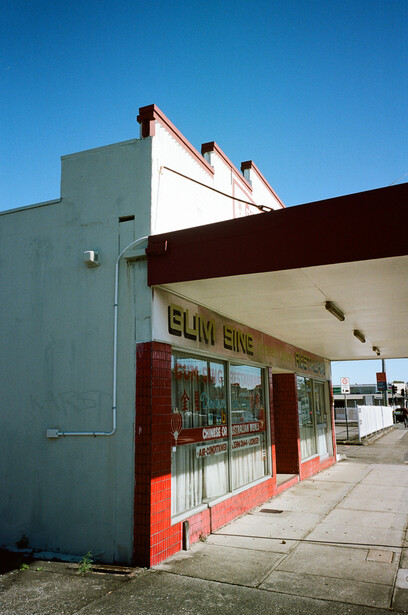
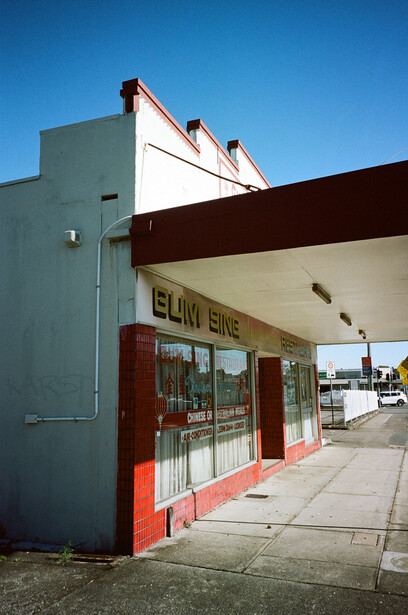
It was only because I took two photos of this Chinese restaurant on the GR1 that I was able to work out which roll was which.
Final Thoughts
After shooting both of these compact classics side by side, I was surprised at how similar the results were. This means that price, features, and usability are much bigger factors than image quality alone. These aging cameras are hard to recommend to people, but they are so much fun to use. What did you think of the images? Have you used these cameras before? I’d love to hear your thoughts in the comments.


Join the Fstoppers community for free
-
Post comments and join in the discussions
-
Browse the site ad-free
-
Share your work and get featured in the community
-
Compete in the photo contests for fun and prizes
2 Comments
Thank you for the interesting comparison! I had GR1, still have Nikon 28Ti, Contax T3, Leica Minilux. I did some comparisons in the past for myself and I think that some cameras have more contrasty lenses. And that's why the shadows are darker. Typically Makina 67 vs. Mamiya 7. I strongly prefer less contrasty lenses because it means you end up with more information in shadows. It helps during postprocess and it helps when shooting slides.
No worries, glad you enjoyed it! I've been thinking of a 28Ti for a long time... maybe one day I will pull the trigger! I also would love a Minilux but they have gone up so much in price. I recently shot a few rolls in Japan with my Klasse S, forgot how good that was! Right up there with the T3 I'd say, I think I will do a comparison with them both too. About 8-10 years ago I was looking at both the Makina and the Mam 7 as well, but sadly prices got away from me there too!