
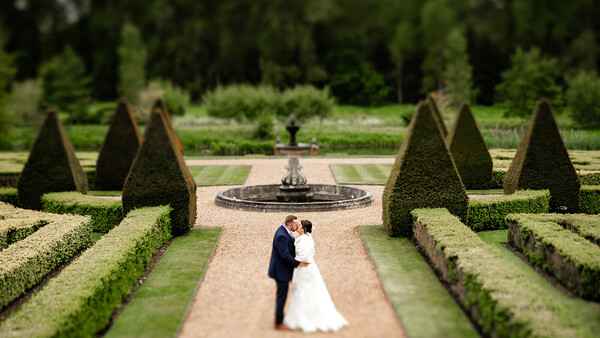
I found myself looking through some old photographs Neil had taken of me years and years ago. For context, Neil and I are married and photograph weddings together all around Norfolk (UK). As I clicked through the gallery, I kept coming back to the same images.
They weren't the sharpest photographs or technically perfect (that'll make sense in a minute). But they had a dreamy, distinctive quality that made them feel different from everything else. They drew me in every single time.
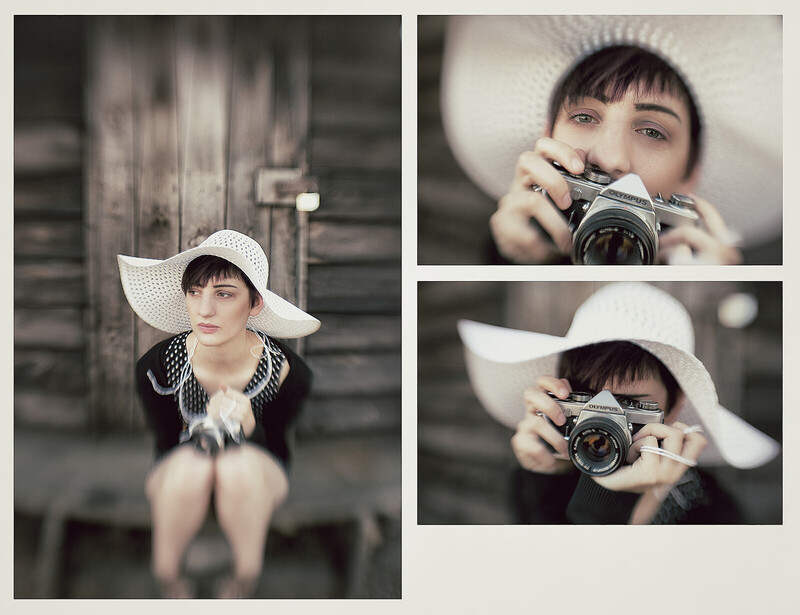
Every one of those photographs had been taken with a Lensbaby, specifically the Lensbaby Composer Pro II with Edge 50 Optic. If you've never used one, a Lensbaby is essentially designed to break the rules. Rather than creating edge-to-edge sharpness, it allows you to place a "sweet spot" of focus exactly where you want it, while the rest of the frame falls away into dreamy blur. The result sits somewhere between a tilt-shift lens, an old film camera, and a fever dream.
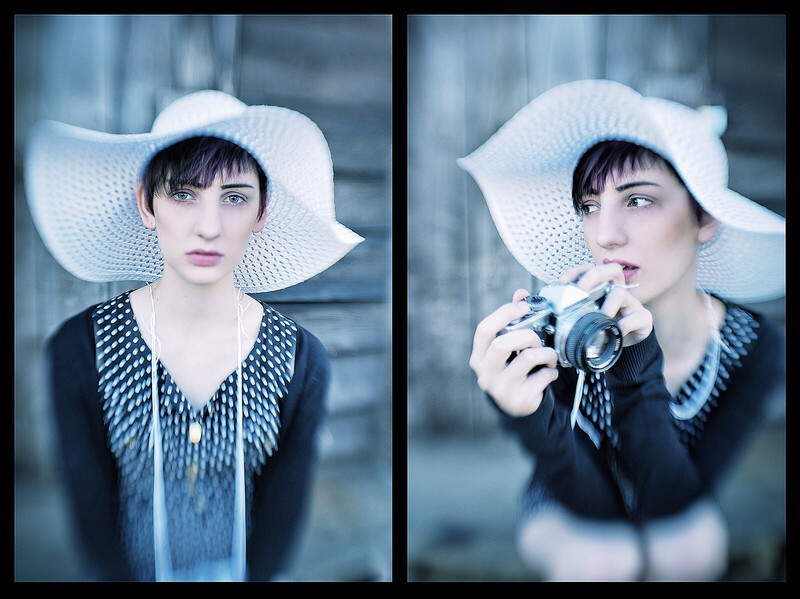
Recreating the 'Lensbaby Look' in Photoshop
As we went from hobbyists to professionals, the Lensbaby found its way into a drawer and was largely forgotten (well, actually, we sold it). It simply didn't feel like an appropriate lens for a wedding. Years passed, technology improved, and Photoshop became ridiculously powerful. Before long, we were recreating many of those dreamy selective-focus effects in post-production, often with far more control than the lens itself ever offered.
Here are a few examples where we achieved a similar look using high-quality glass and Photoshop alone.
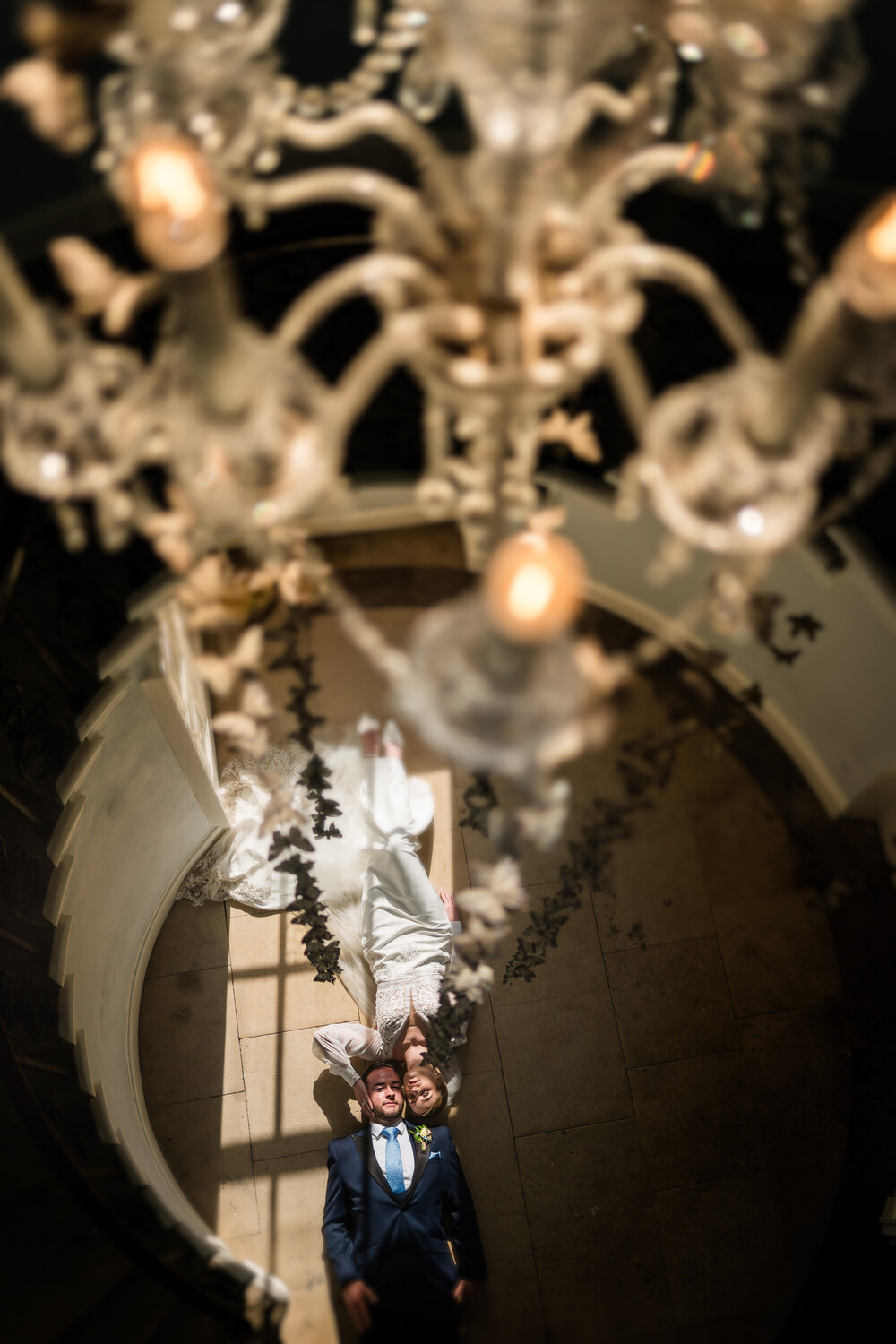
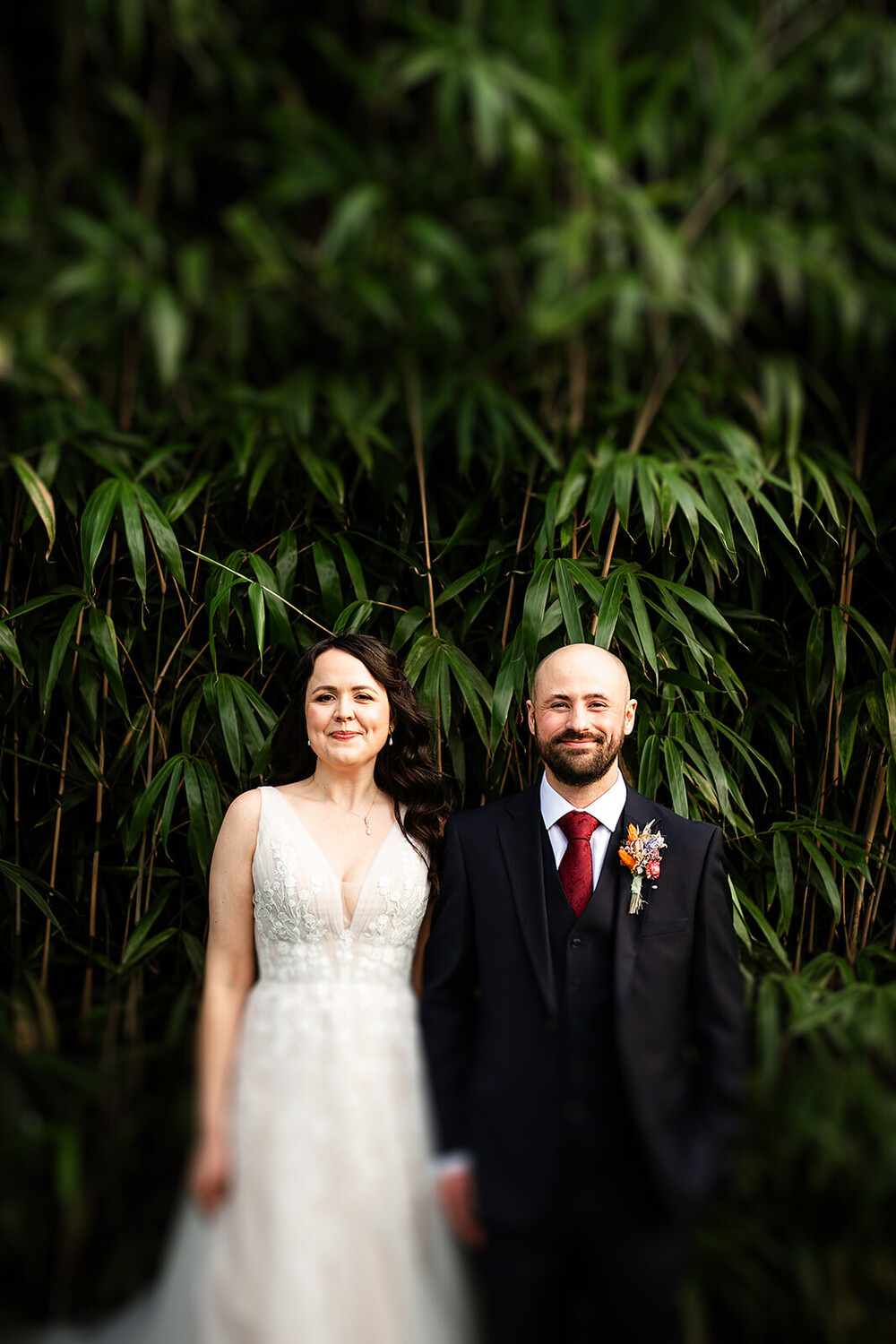
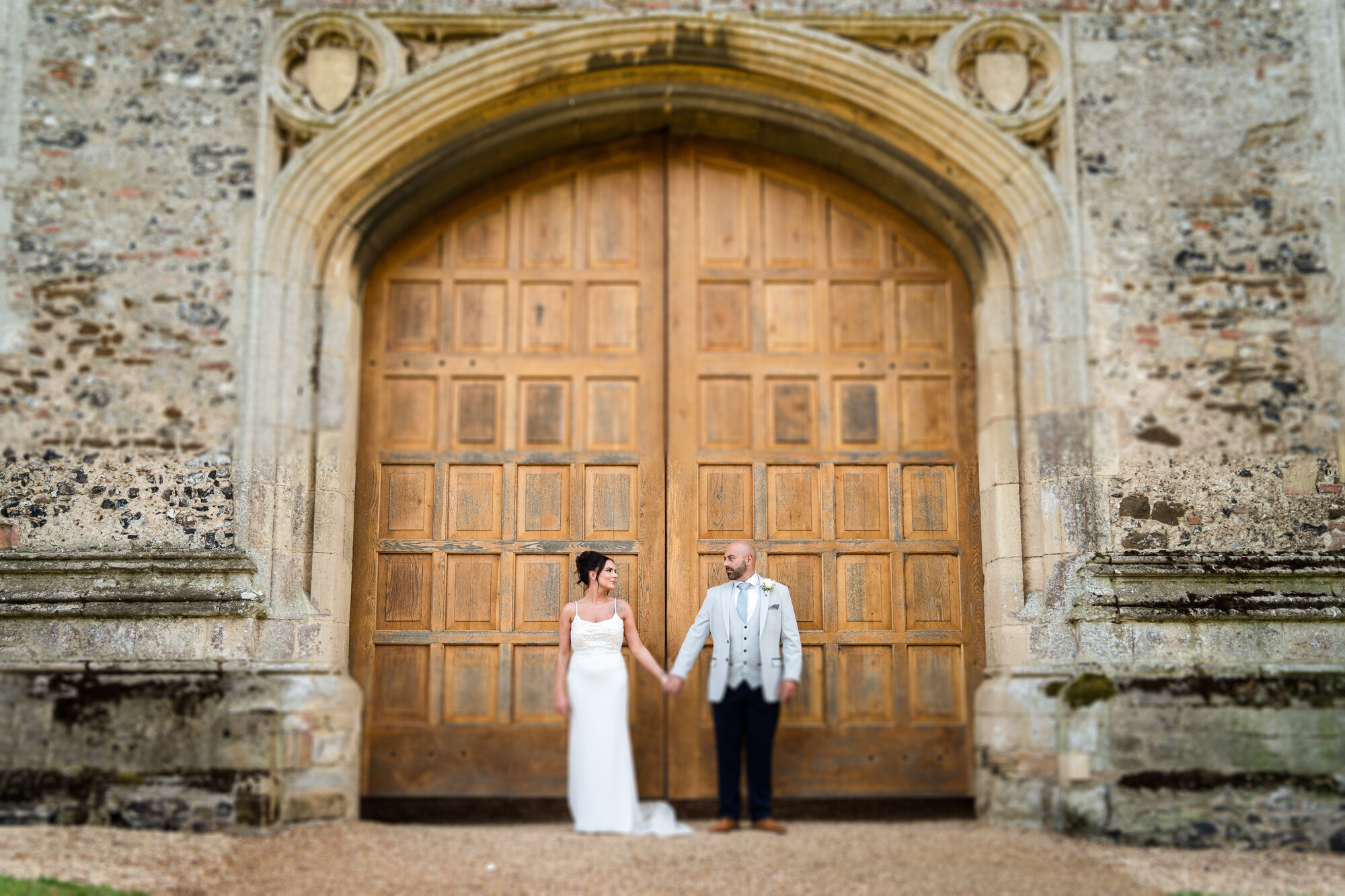
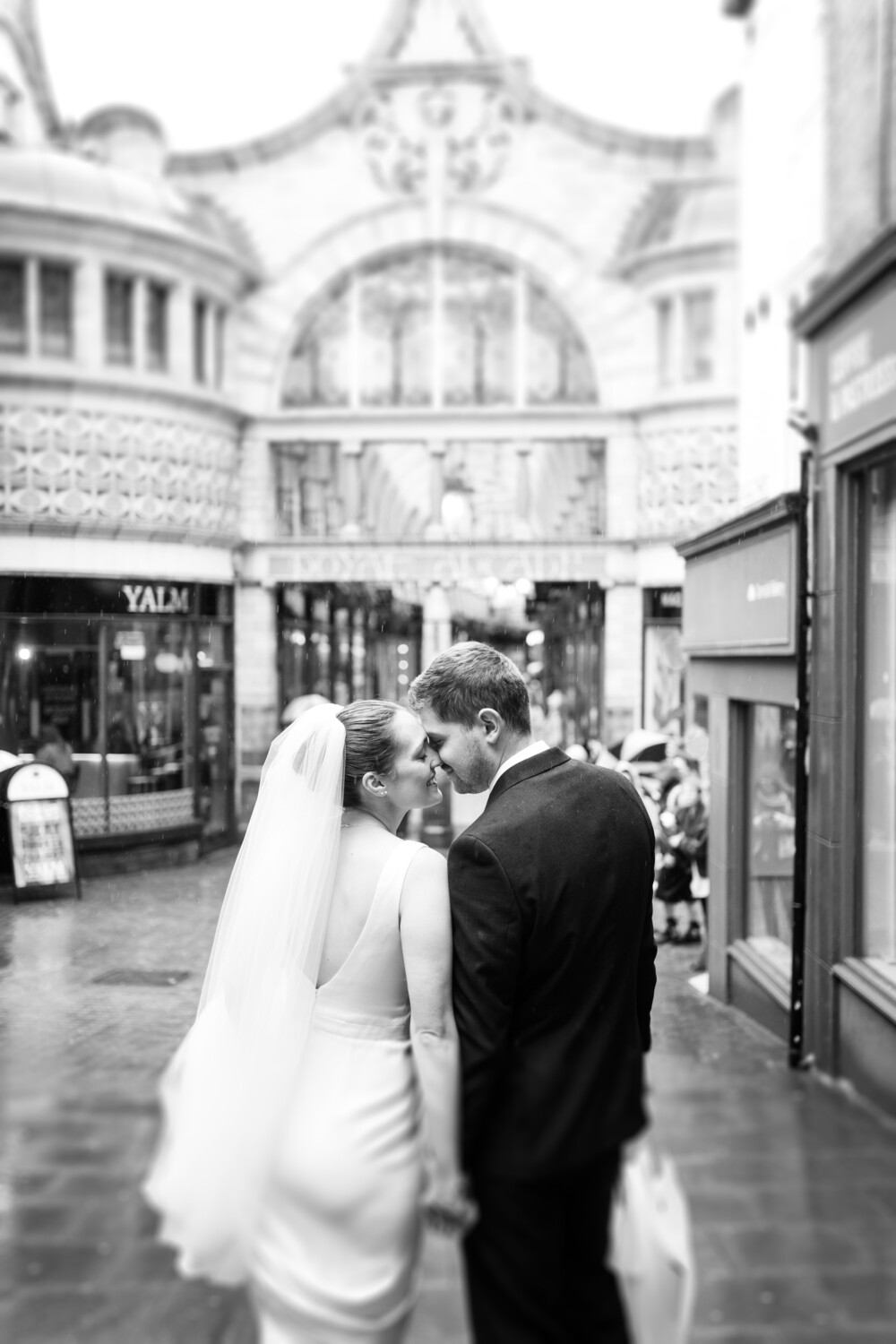
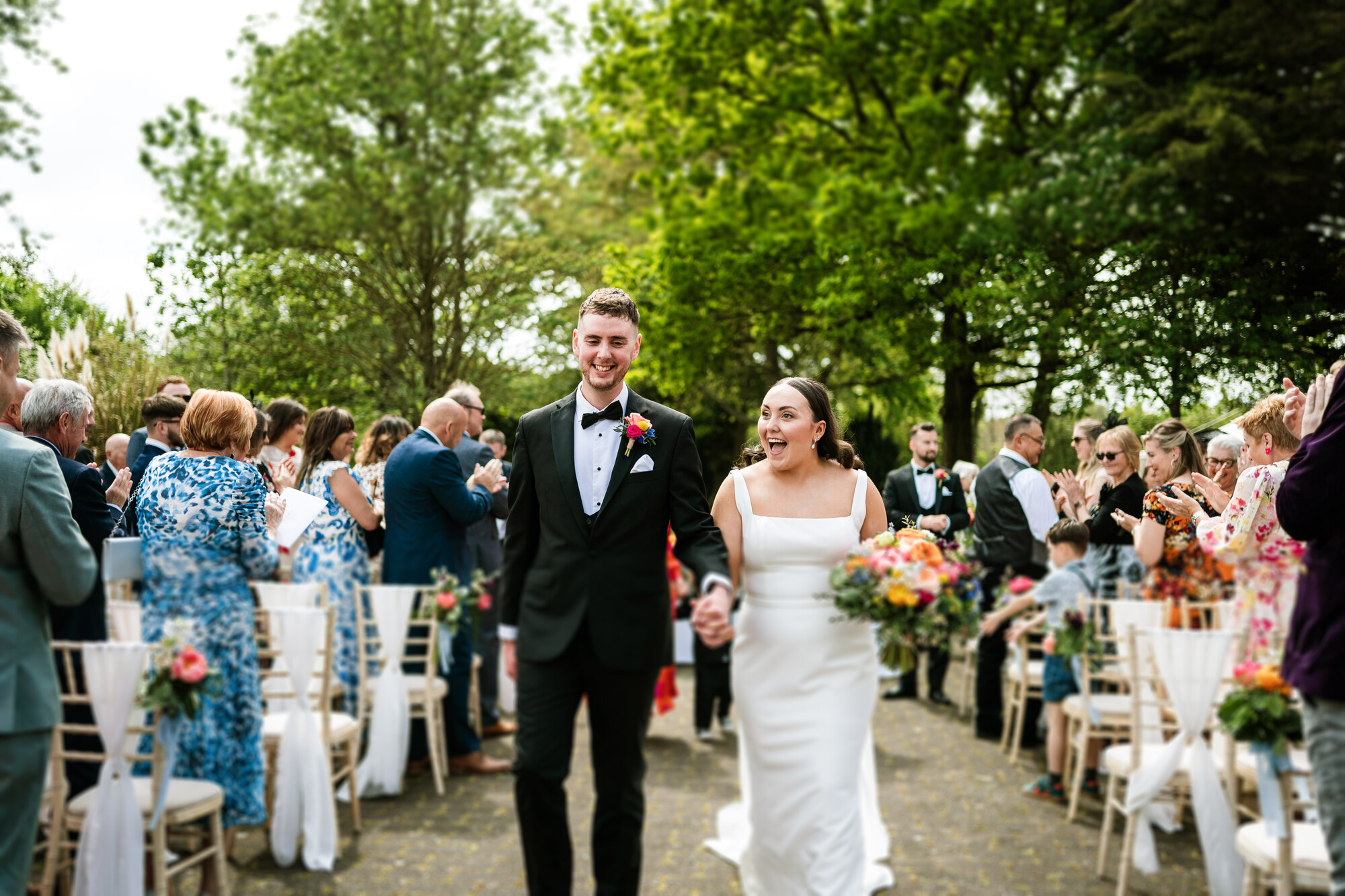
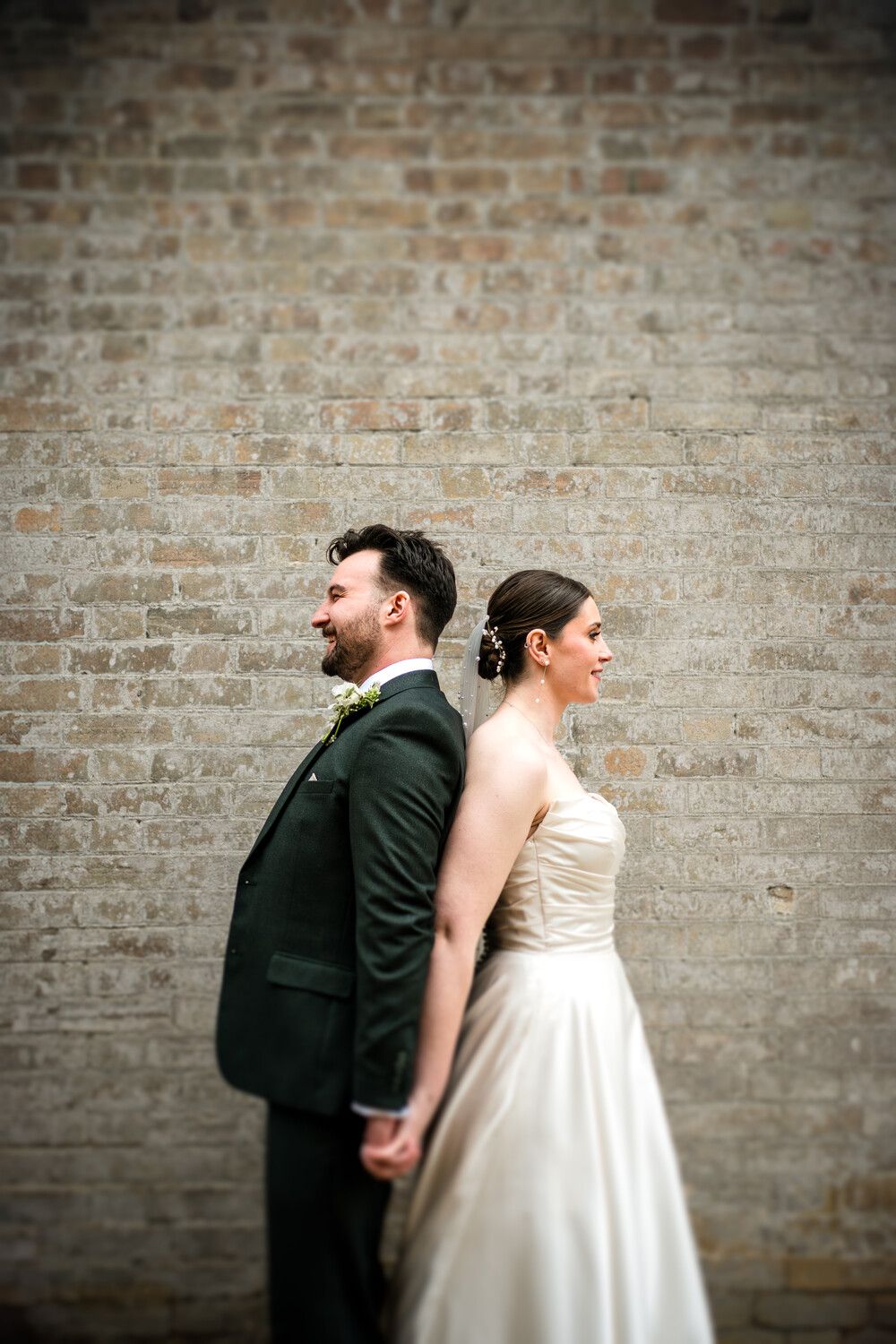
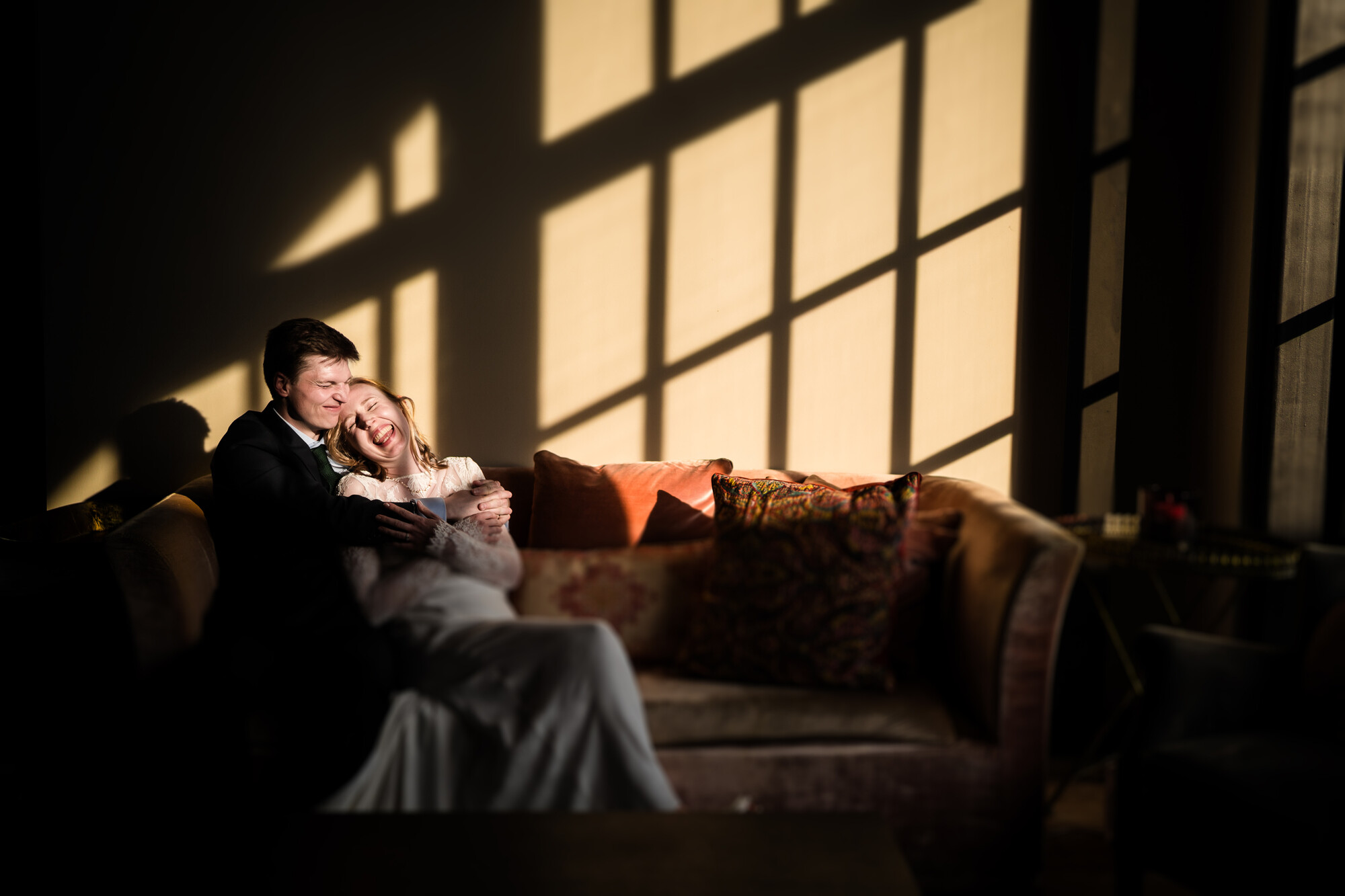
By this point, we'd become so comfortable creating the effect in post that buying a Lensbaby again seemed almost unnecessary. And yet those old photographs still stuck with me. So naturally, we started asking ourselves a dangerous question: what if we stopped faking the Lensbaby look and actually took a Lensbaby to a wedding?
So that's exactly what we did.
An Experiment at Oxnead Hall
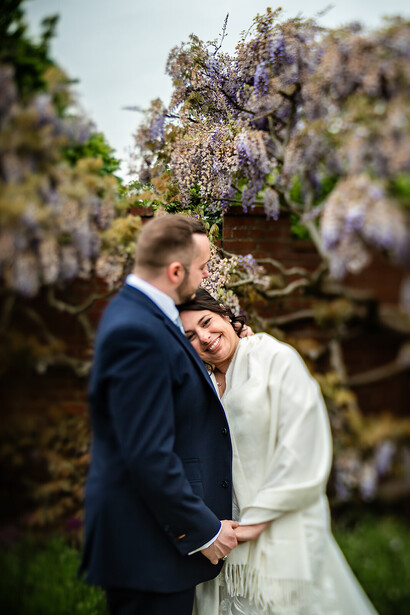
The test subject was an amazing wedding at Oxnead Hall. With its beautiful gardens, historic architecture, and wisteria-covered walls, it seemed like exactly the sort of venue where a Lensbaby should shine.
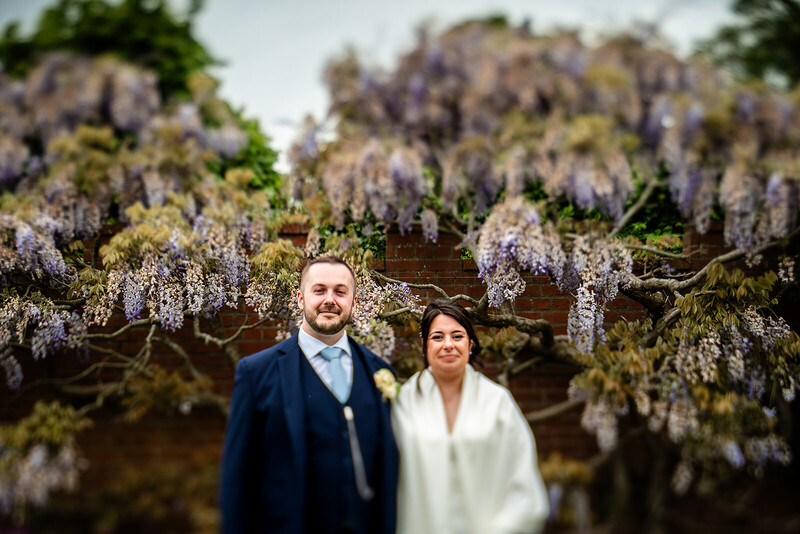
I wasn't completely reckless, though. The plan was simple: use the Lensbaby only for portraits. A wedding is not the place to gamble with key moments, and the manual focusing alone introduces enough risk without attempting to photograph a ceremony or confetti exit with it.
When you're responsible for documenting somebody's wedding day, experimentation has limits. So while the Lensbaby came along for the ride, it was always intended to be a side quest rather than the main event.
The Problem Nobody Talks About
The biggest challenge wasn't image quality, sharpness, or even the low keeper rate (although all of those were obviously a problem we'll come to). It was speed. Wedding photography is fast—really fast. Couples don't want to spend twenty minutes standing in a garden while you fiddle with focus, especially when guests are waiting, timelines are moving, and the light is constantly changing. Perhaps most importantly, awkward silences start creeping in when you're concentrating on technical adjustments instead of interacting with your couple. And we're not the sort of photographers who are prone to awkward silences; however, having to manually focus and adjust where we wanted the focus plane to be took up mental capacity.
With modern autofocus lenses, you barely think about focusing. Your camera does most of the work, allowing you to concentrate on posing, composition, and connection. The Lensbaby takes all of that away. Suddenly, you're thinking about where the sweet spot sits, whether you've tilted too far, whether focus is actually where you think it is, and whether you've accidentally made the bride's ear sharper than her face. Every frame becomes slower, and then slower again.
There were multiple points during the portrait session where I genuinely thought, "This was a terrible idea." Not because the lens was bad, but because weddings are simply not built for this kind of shooting.
The Hit Rate Problem
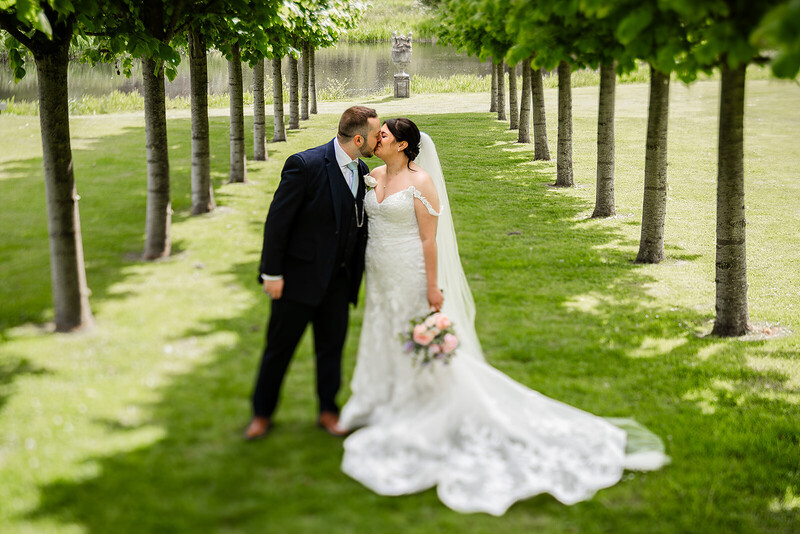
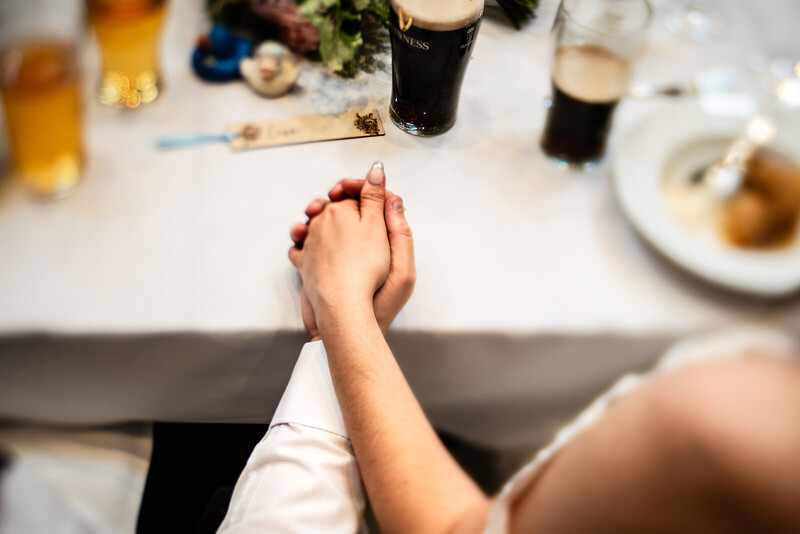
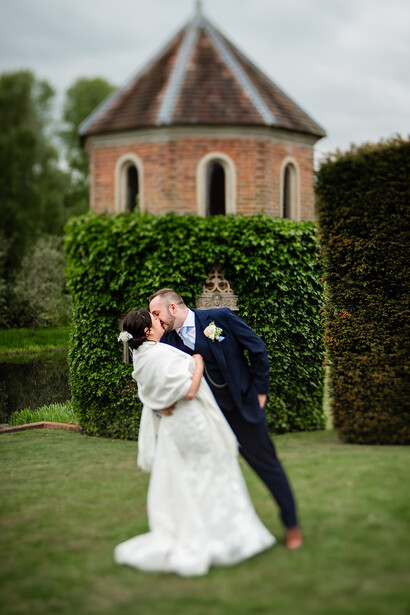
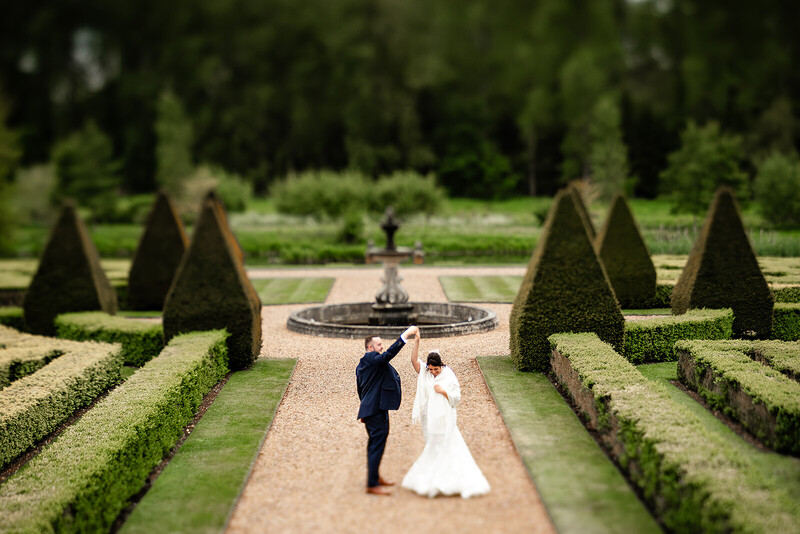
Let's talk about keeper rates. If I shot ten frames with the Lensbaby, perhaps three were technically successful. That sounds awful, but it's also slightly misleading. For every setup we attempted, we got a photograph worth keeping, whether that was a portrait in front of the wisteria, a romantic frame in the gardens, or a quiet moment between the couple. The low hit rate didn't mean the experiment had failed; it simply meant shooting significantly more frames to achieve the same result. The problem is that wedding photographers don't really need more work. We already have enough of that.
The Unexpected Success
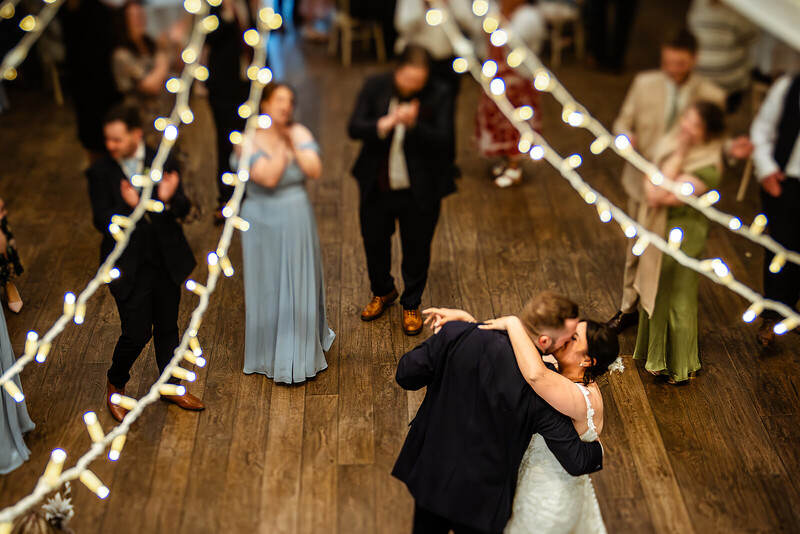
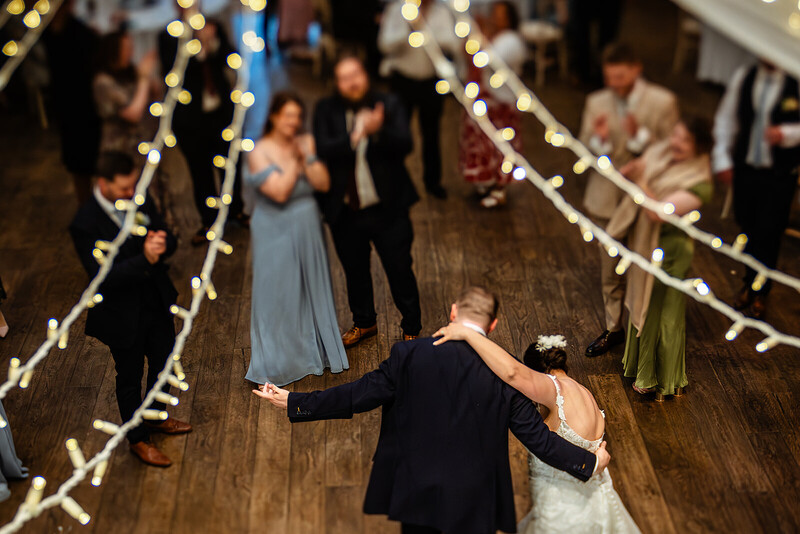
Then came the first dance, which wasn't part of the original plan. Normally, I'd never choose a manual-focus creative lens for such an important moment, but one of the advantages of working as a husband-and-wife team is that somebody always has your back. Neil was covering the dance floor conventionally, so the safe shots were already secured, and the pressure was off. That gave me the freedom to grab the Lensbaby and see what happened.
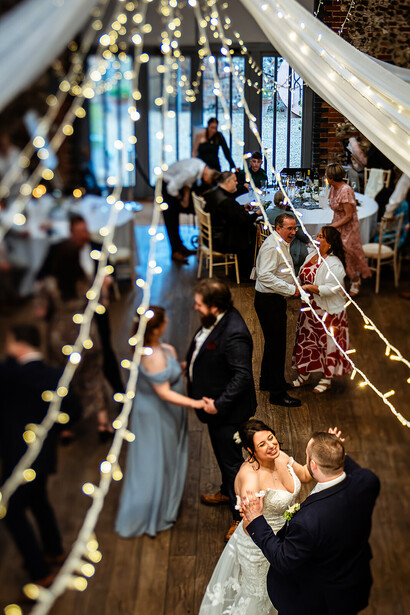
Honestly, those photographs ended up being some of my favorites from the entire day. The swirling lights, movement, and selective focus all worked together perfectly. Instead of fighting the lens's quirks, the environment seemed to embrace them. For the first time all day, the Lensbaby felt completely at home. The images had character, energy, and a sense of imperfection that suited the atmosphere beautifully. They felt different, and in a sea of technically perfect wedding photography, different can be incredibly refreshing.
So, What Did We Learn?
Nothing. Well, nothing we didn't already know. The Lensbaby still creates beautiful images, and some of my favorite photographs from the day were taken with it. The couple loved the photos, I loved the photos, and I'm genuinely glad we tried it.
But I won't be taking one to another wedding. The experiment answered a question I'd been wondering about for years: had we been missing out by leaving the Lensbaby behind? For us, the answer is no.
As wedding photographers, we need speed, consistency, and reliability. The Lensbaby demands patience, experimentation, and a willingness to accept a much lower hit rate. That's a fantastic combination for a personal project or creative portrait session. It's a far less practical one when you're documenting a wedding day.
So next weekend, when we're photographing another wedding, the Lensbaby will be staying at home.
Dear Lensbaby
Lensbaby, if you're reading this: please make a version with modern autofocus, sharper optics, and a visual indicator for the placement of the focal plane (we tested and put two notches on ours so we could feel the position as well as see it when composing/focusing).
I know that probably sounds like I'm missing the point. Part of the Lensbaby's appeal is its imperfections. But even when I nailed focus, I often found myself wishing for just a little more sharpness in the sweet spot. Think about all those nifty fifty lenses out there, inexpensive glass that's disproportionately sharp.
Because here's the thing: the creative effect isn't what stopped me from using it. I loved that part. The problem was the combination of manual focus, slower shooting, poor sharpness, and a hit rate that simply doesn't fit the pace of a wedding day.
Announce a Lensbaby with modern autofocus and a genuinely sharp focal plane, and I'll be back on your website with my credit card revved up.
So, am I missing something? Or am I making a mistake, even? Are any of you regularly using a Lensbaby for weddings or other fast-paced professional work, and if so, how are you making it work?



Join the Fstoppers community for free
-
Post comments and join in the discussions
-
Browse the site ad-free
-
Share your work and get featured in the community
-
Compete in the photo contests for fun and prizes
2 Comments
I think that one of the new Petzval lenses would make more sense at a wedding. Much better optics with adjustable bokeh and you can increase sharpness across the image by just closing the f-stop down and lowering the bokeh.
I love the look of this lens! Might give it a try next :)