
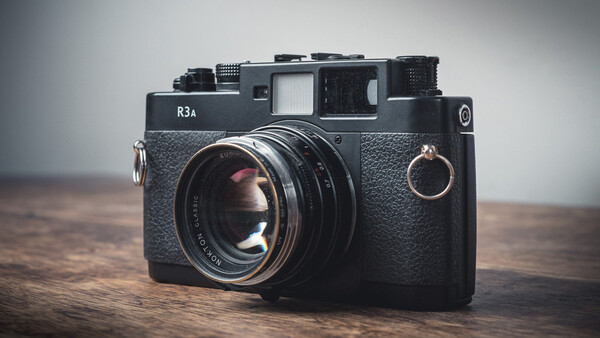
If you’re pondering a Leica rangefinder film camera but can’t bring yourself to spend a crazy amount of money, maybe give this a go.
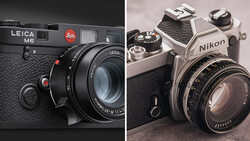
Having reimmersed myself back into the wonderful world of analog about five years ago, my collection of film cameras has slowly been growing. And like many analog enthusiasts, there’s one camera that has a certain allure, especially as all the cool kids on YouTube seem to own one: the Leica M6.
Brand new, we’re looking at seven grand, body only, for the 2022 reissue, which is great if you’re a lawyer or a dentist but a bit daft for us normies. For the first iteration, the batch that ran from 1984 to 1998, the secondhand market makes it slightly more realistic, but not by much; you’re still looking at upwards of four grand if you insist on the luxury of having a lens to attach to it.
(With a bit more research, I realized that the M7 was probably the better fit for me. It’s essentially the M6 but with some extra electronics and aperture priority.)
Lacking organs to sell and houses to remortgage, I started researching other options. I already enjoyed focusing manually, taking my time with images, and liked the idea of having an f/1.4 lens that wasn’t the size of a small horse. And certainly there was a little of the hipster aesthetic that drew me in; SLR cameras have their place, but there’s something different about a rangefinder. Plus, I’d already had a taste of the rangefinder experience with my brilliant little Olympus XA. I needed more, but without having to give up things like food and heating.
What I landed upon is such an oddity when you dig into it: a Japanese company that, just as everyone else was switching to digital, decided to go rogue and make a whole series of cameras that probably should never have existed.
The Voigtländer Bessa R3A
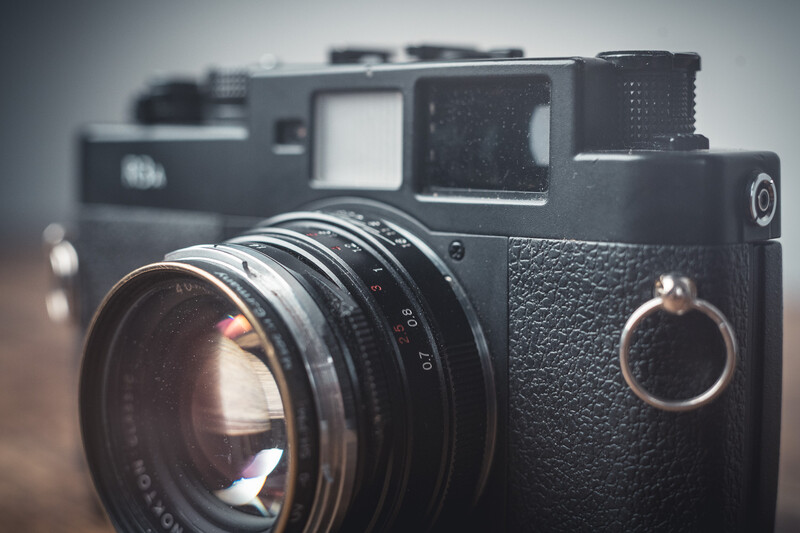
In 2005, a Leica M7 cost $3,600. For that money, you could buy six Bessa R3As at $539 a pop and still have money left over. And if you’re thinking, “Yes, but the Leica will have held its value,” you might want to consider that, while the M7 today goes on eBay for about three grand, an R3A will set you back as much as $1,700.
Adjusting for inflation, you will pay around 50% more for a secondhand R3A than you would have done when they were sold brand new 20 years ago.
What the Hell Is a Voigtländer Bessa?
Founded in 1959, Cosina is a Japanese optical manufacturer that, over the decades, has built cameras and lenses both under its own name and for a host of other brands. In the late '90s, the company decided to use the Cosina CT-1, an SLR it produced in 1979, as a foundation for a new line of rangefinder cameras. By then, the original German Voigtländer camera manufacturer was long gone. Cosina licensed the historic name and resurrected old Voigtländer trademarks, including Bessa, Nokton, Ultron, Skopar, and Heliar, for a completely new range of Japanese-made cameras and lenses.
The cameras looked a bit Leica-esque, but the SLR base gave them conventional film loading and a vertical metal shutter. Mix in some plastic, and you had a rangefinder camera that was comparatively cheap to produce. The Bessa was born.
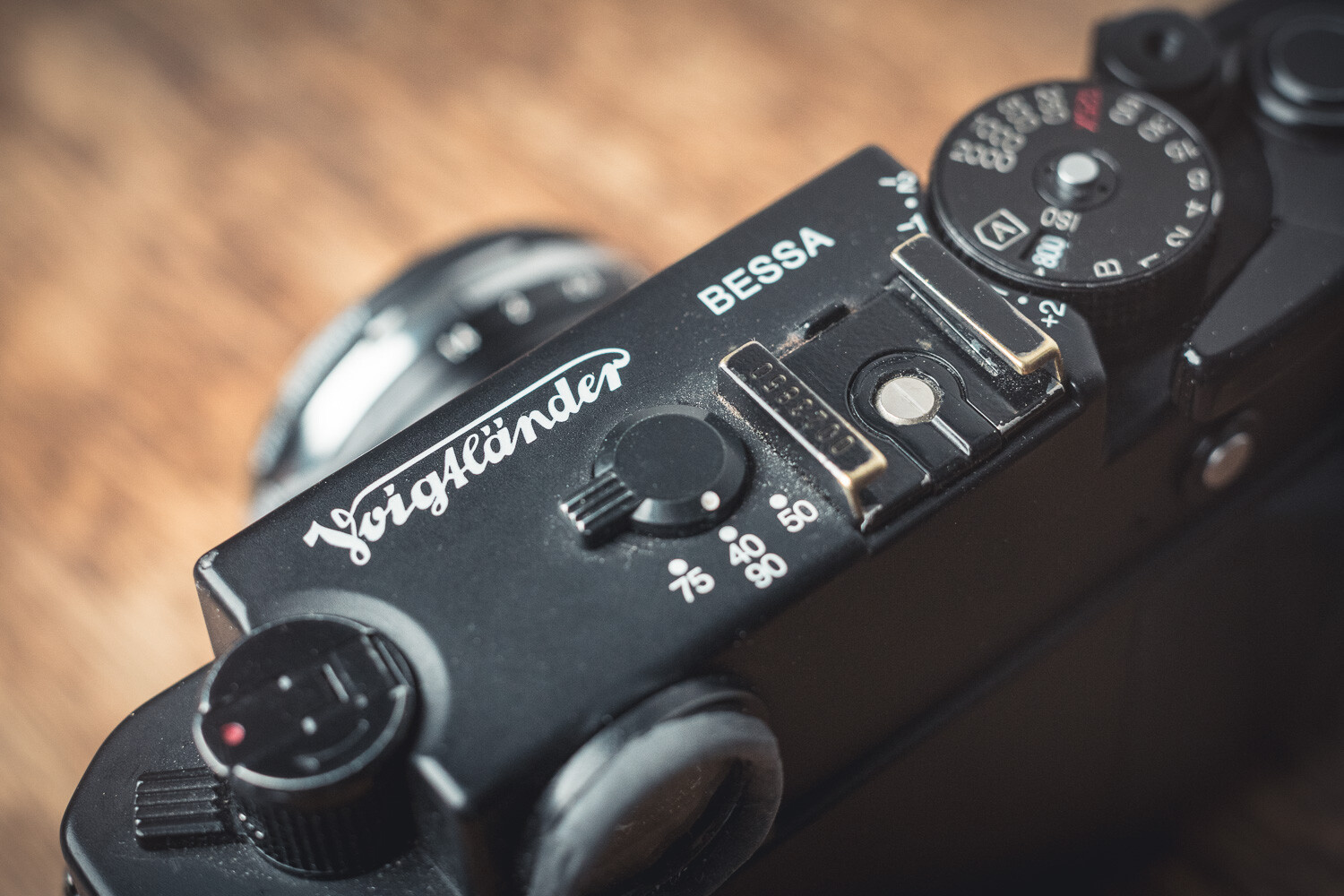
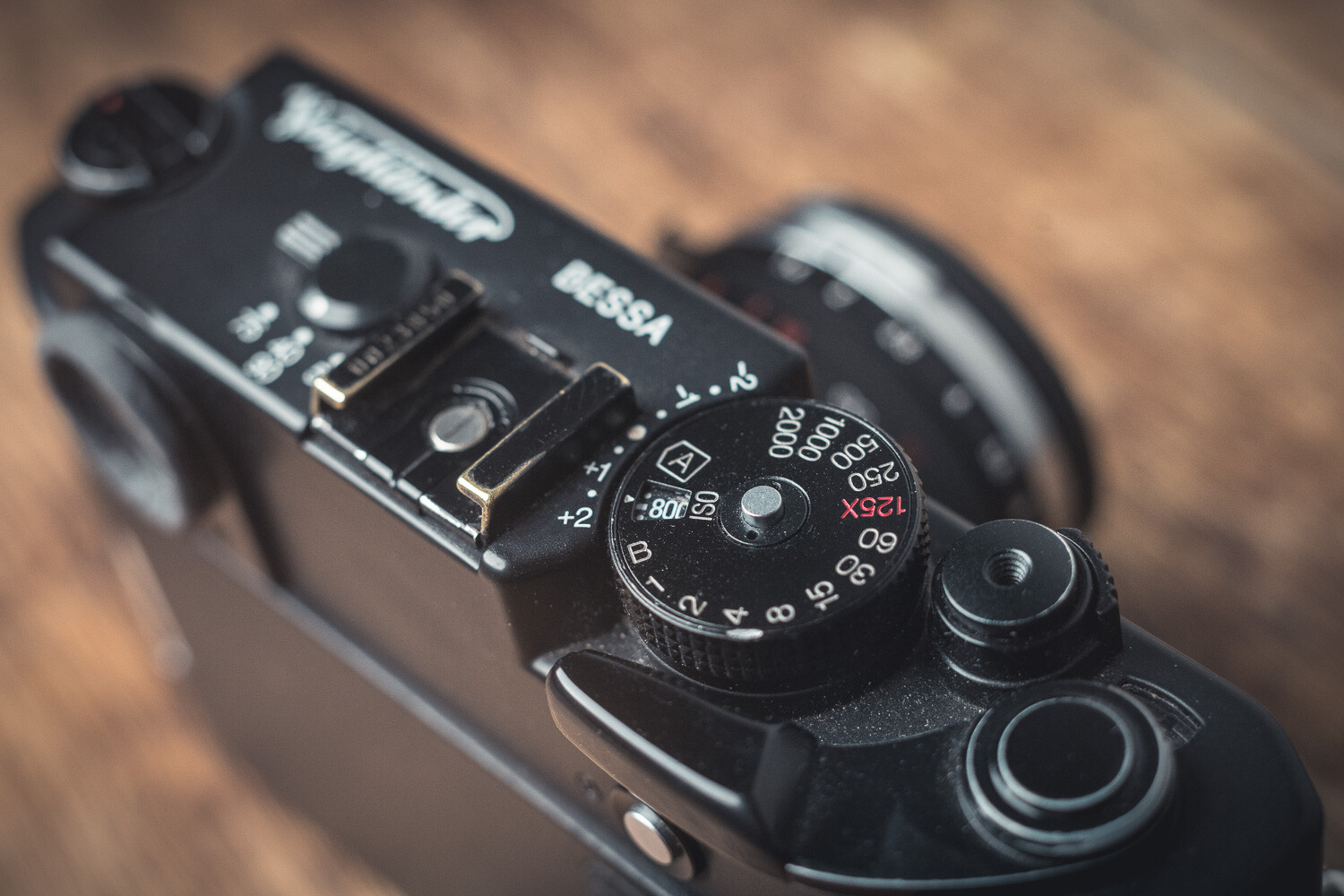
The resulting iterations slowly evolved, moving from Leica thread mount to M mount, and turning into an ecosystem of rangefinders that was dramatically more affordable. At a time when most camera manufacturers were shifting to digital, developing a range of old-school film cameras was a bold choice.
The R3A was unveiled at Photokina in 2004 alongside the almost-identical R2A. (If you’ve ever stumbled upon an Epson R-D1, the digital rangefinder also launched in 2004, you might already know that it was made by Cosina, and the similarities in design are clear.) Both offered a light meter, aperture priority, and a button that locked exposure — much like the Leica M7. Set your aperture, focus, and take your shot.
And that’s not all. The Bessa’s maximum shutter speed is 1/2000 compared to the ceiling of 1/1000 you’ll find across Leica’s rangefinders. If you enjoy using your f/1.4 M-mount lenses at their widest apertures, that faster shutter speed makes a big difference.
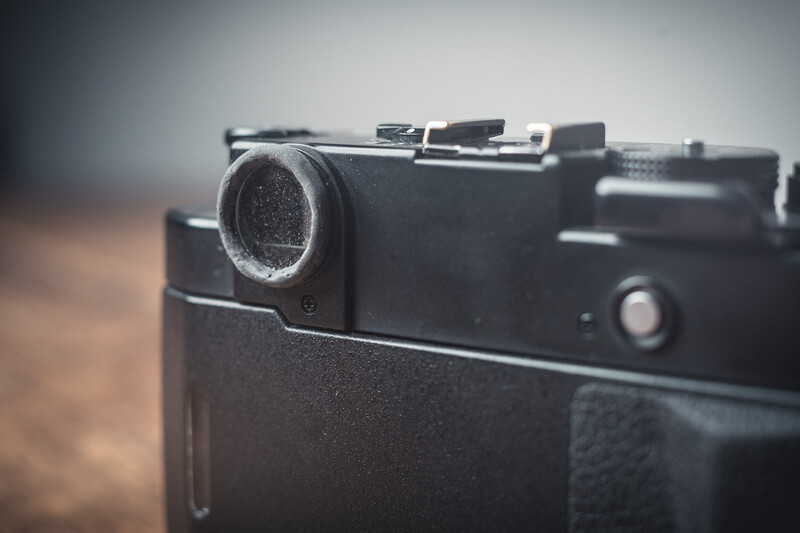
The other notable feature of the R3A is the 1.0× viewfinder, meaning that what you see through the finder is life-sized. Shoot with both eyes open and there’s no disconnect.
So given that it seems to match or beat the M7 on every metric while also being a fraction of the price, why would you ever consider one over the Bessa? This is where it gets complicated.
The Compromises
Leica rangefinders are famed for their beautifully quiet operation. That cloth shutter is subtle, elegant, and reassuring. By contrast, the Bessa is such a loud clunk that you wonder if its SLR pedigree also means that they forgot to remove the mirror.
Then there is lens/frameline compatibility, and this explains why there are two almost-identical Bessa cameras: the R2A and the R3A. Diving into the full range of Bessa cameras and their idiosyncrasies is a rabbit hole that can stay on Wikipedia.
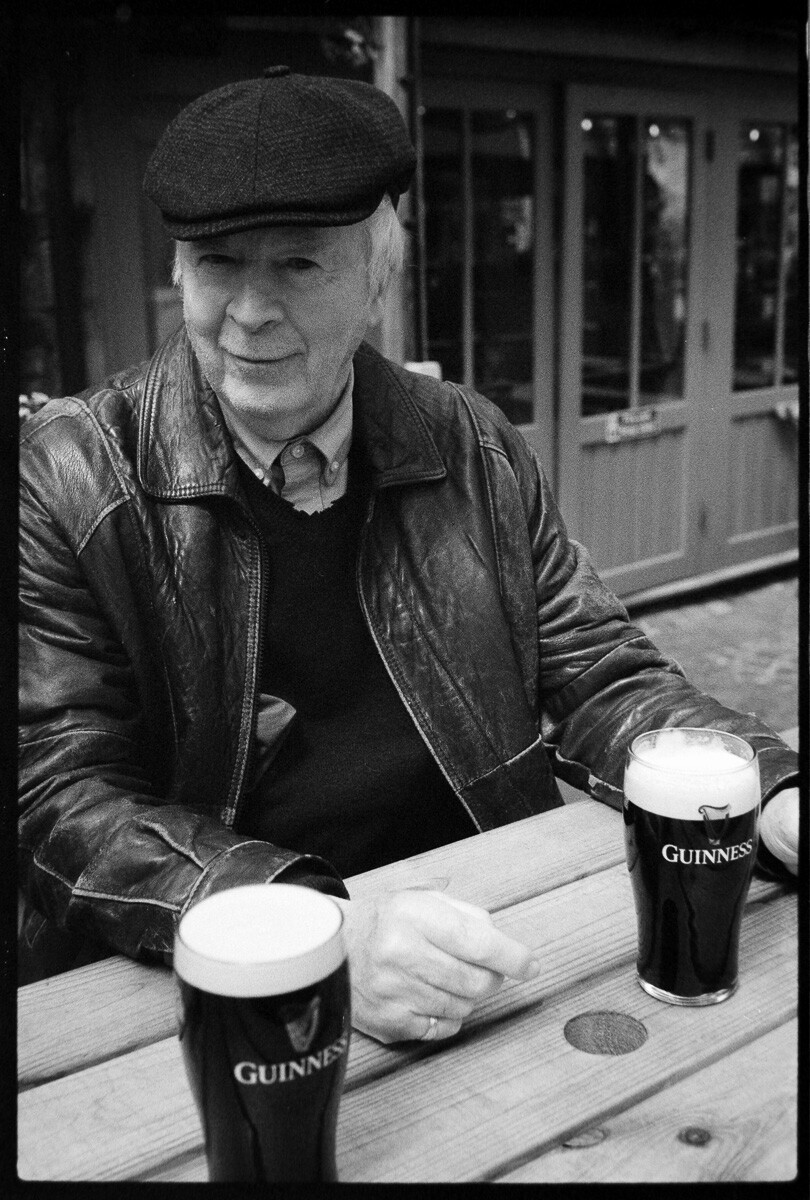
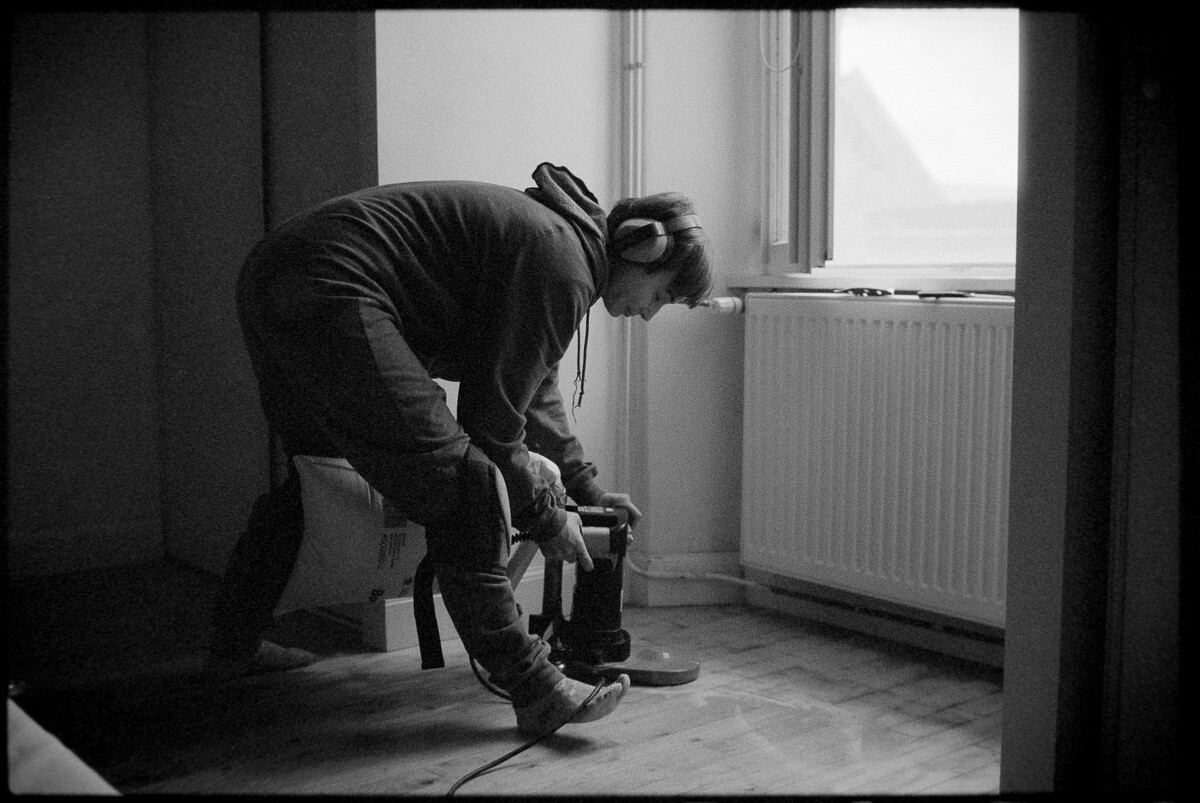
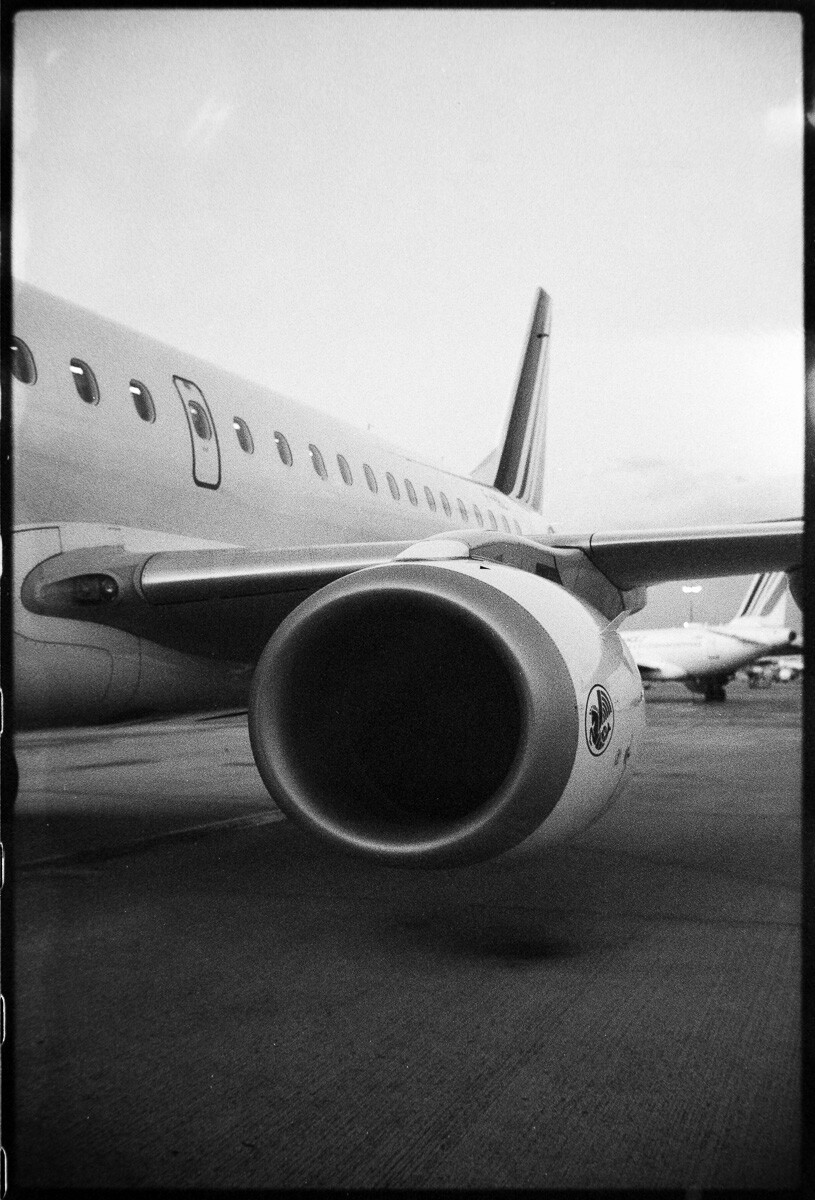

In short, the rangefinder focusing on Bessa cameras is not as good as what you’ll experience on a Leica because the distance between the viewfinder window and the rangefinder window is so much smaller. Without going into detail, the R3A compensates for this difference thanks to its 1.0× viewfinder, but the trade-off is that the framelines go no wider than 40mm. Here’s a summary:
- R2A: 35mm, 50mm, 75mm, 90mm
- R3A: 40mm, 50mm, 75mm, 90mm
You’ll notice that the widest framelines on the R2A are 35mm, and there begins the rabbit hole. Sure, there are other Bessas for different focal lengths, but with a Leica rangefinder, you’re buying one camera that can take a wider range of lenses, and almost certainly one featuring better build quality.
Why I Chose the R3A
Almost eight years ago, I wrote about my love of Canon’s wonderful 40mm f/2.8 pancake lens, noting: “40mm is a bit of an odd length that initially put me off. I assumed that it wouldn't quite feel wide enough for street photography and not quite narrow enough for portraiture. As it turns out, I've found that this betwixt-and-between length to be quite useful, making it a handy all-rounder.”
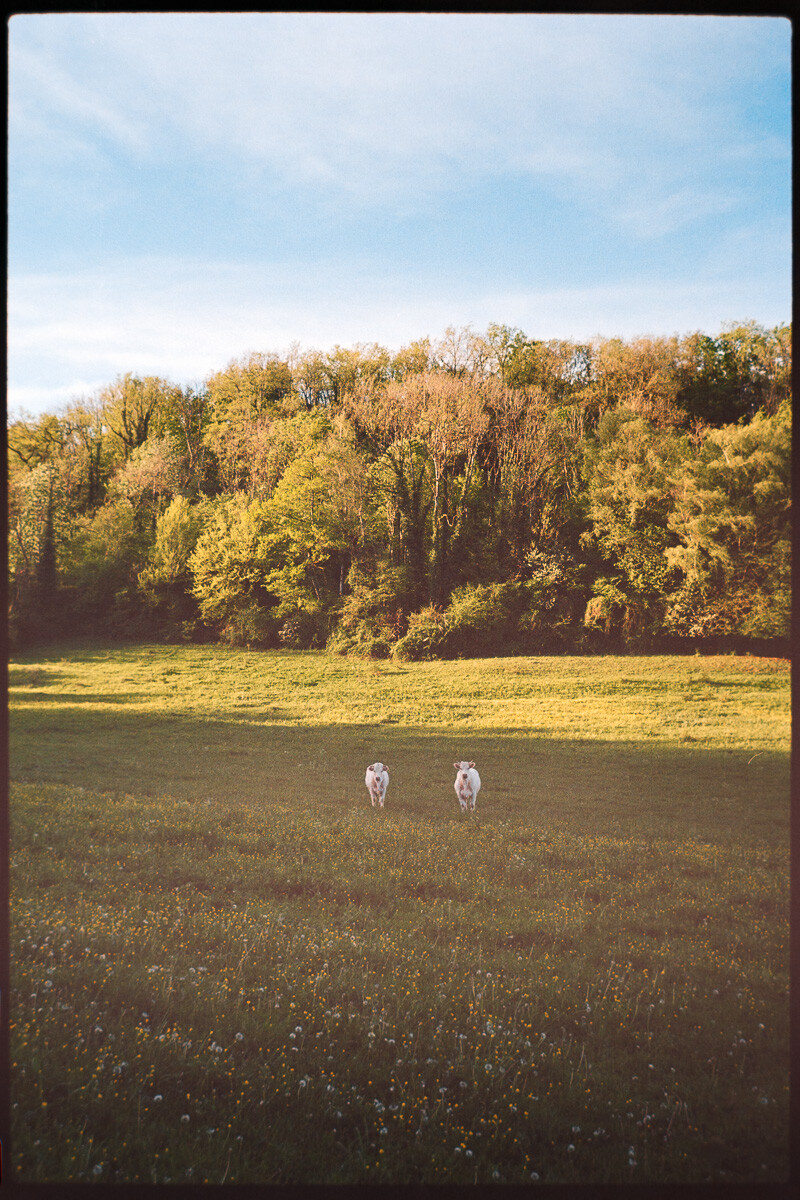
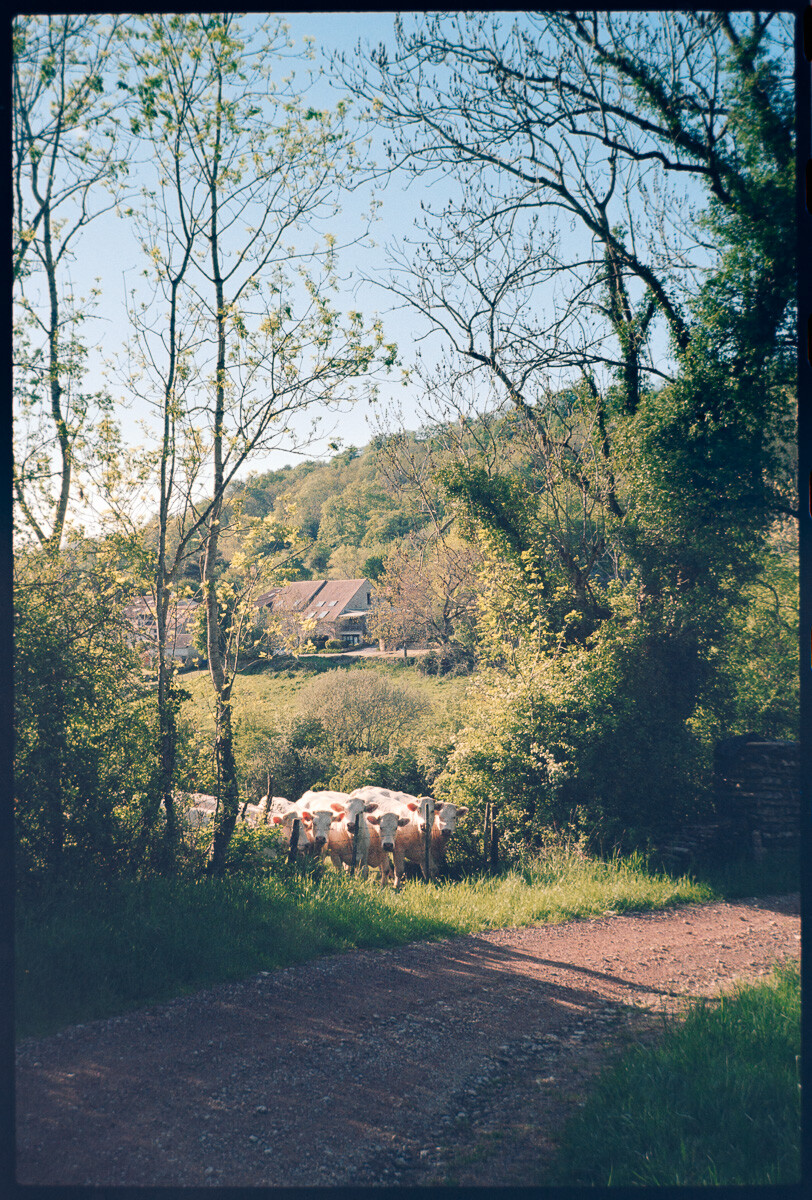
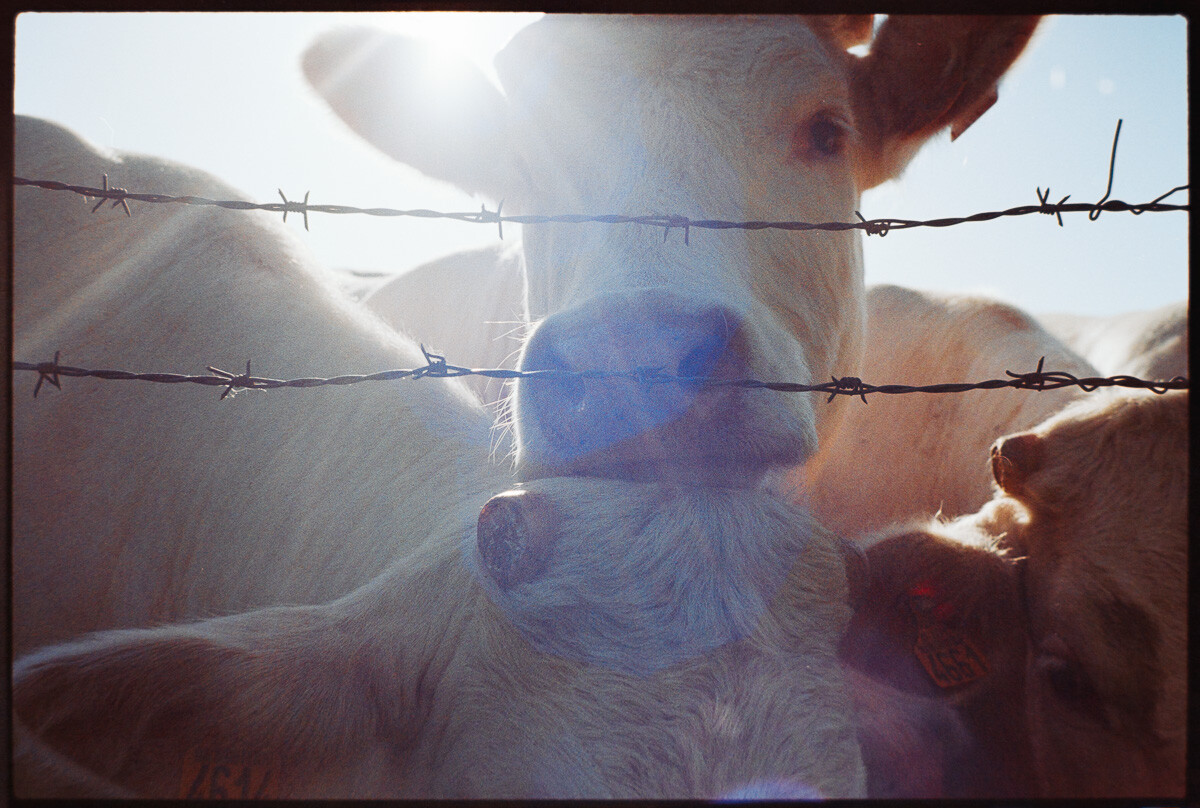
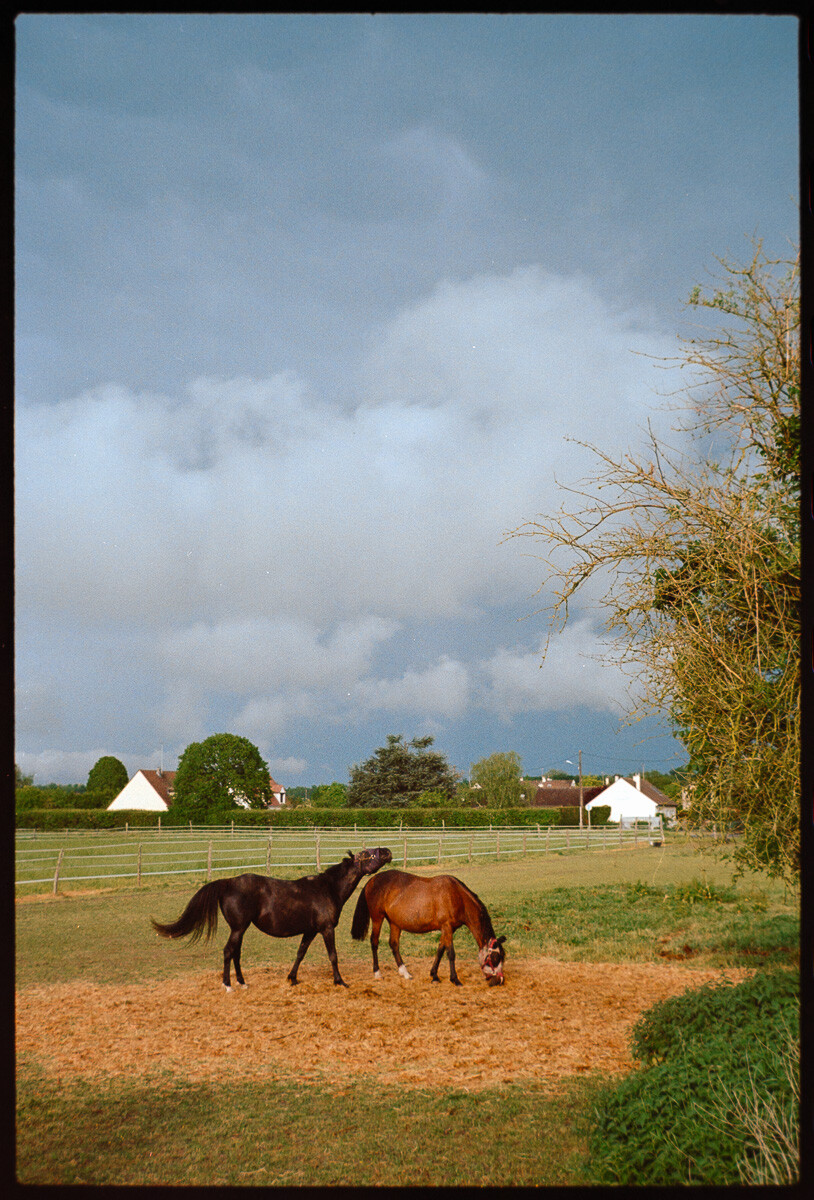
Not long after, I fully embraced the 40mm focal length, especially for informal photos of friends and family, and the R3A is a camera that, with the 1.0× viewfinder paired with the Nokton 40mm f/1.4 lens, is as close as you’ll get to the perfect 40mm camera. The large aperture gives me that extra level of separation that can bring images something special, and the maximum shutter speed of 1/2000 makes those wider apertures available more often.
I wanted an all-around camera that gave me a ton of flexibility, especially in social situations. I typically load it with ISO 400 black-and-white film and push it to ISO 800. It’s not often that I’d take it out on a sunny day, but with 1/2000 available, it’s rare that I have to close the aperture all the way down. At the same time, I can go for drinks with friends on an evening and shoot indoors under ambient light; the shutter isn’t subtle, but there’s no mirror flapping around, meaning that I can shoot handheld at 1/15 (and maybe slower) when needed.
The lens is tiny and produces gorgeous results. There’s a touch of bloom in the highlights when shooting wide open, but it otherwise handles bright lights and strong contrast well.

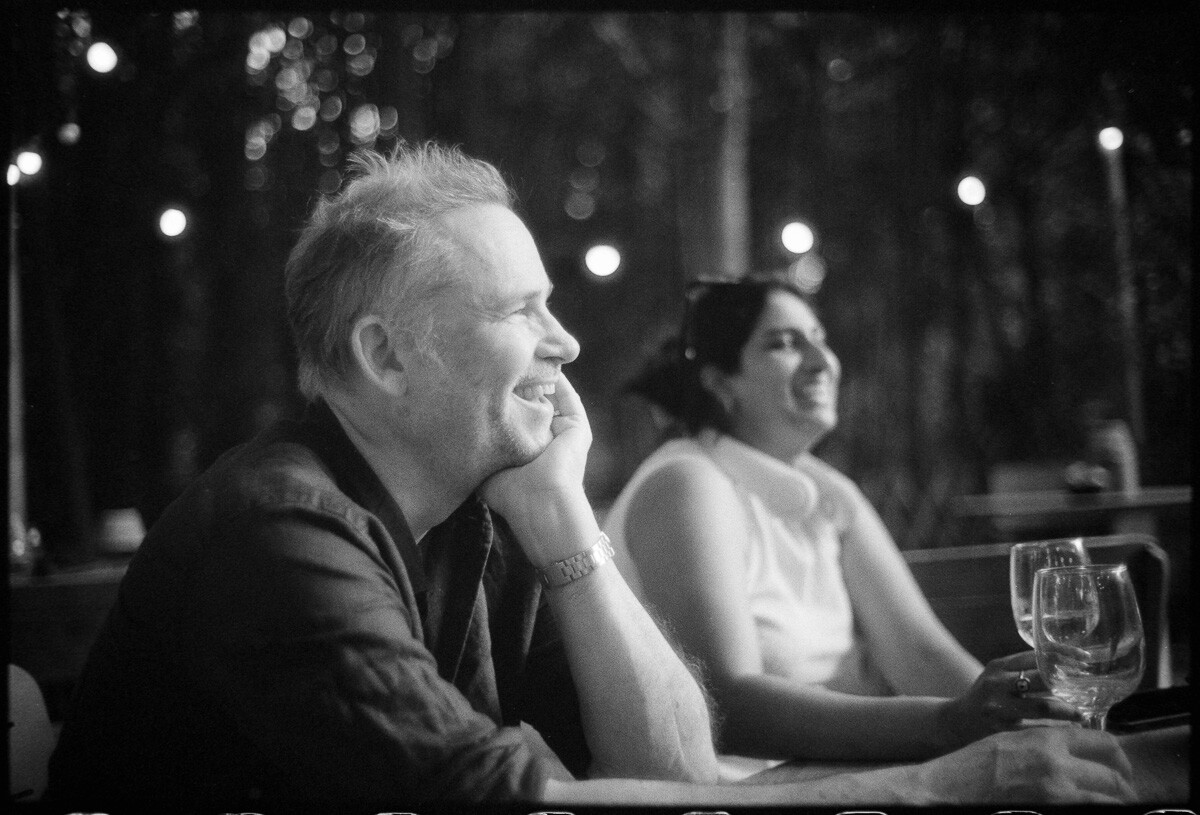


In short, it's a great everyday carry; 40mm gives me versatility and a low profile, and the f/1.4 aperture paired with 1/2000 of a second is a fantastic combination.
A Genuine Leica Alternative?
Yes, to a degree, if you know what you’re getting into. My Bessa won’t last as long as an M6, could potentially last as long as an M7, and who knows if I can make my money back if and when I ever sell it. Regardless, it has scratched that rangefinder itch without breaking the bank and, most importantly, it sparks joy every time I pick it up.
Whether it's a great Leica alternative has become irrelevant; it makes me want to take more photos and feel I can produce images I love. As a result, it's pretty much perfect.


Join the Fstoppers community for free
-
Post comments and join in the discussions
-
Browse the site ad-free
-
Share your work and get featured in the community
-
Compete in the photo contests for fun and prizes