Panasonic, TTArtisan, and Viltrox all make a compact 40mm autofocus prime for full frame L-mount cameras, and one of them costs noticeably more than the other two. When three lenses share a focal length and a mount, the choice comes down to build, rendering, and how much each extra dollar changes what ends up in your files.
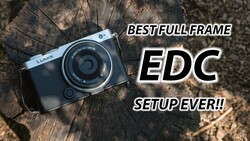
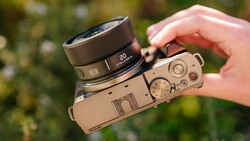
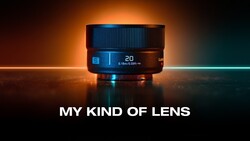
Pav SZ has shot hundreds of frames with the Lumix S 40mm f/2, the TTArtisan AF 40mm f/2, and the Viltrox AF 40mm f/2.5 Air, and he isn't convinced the most expensive one makes better pictures. On paper, the three are far apart. The Lumix is the most complete package: tiny, light, weather-sealed, and capable of focusing very close. It feels almost purpose-built for the Lumix S9, though it works fine on larger bodies. The TTArtisan goes for metal construction, a metal hood, and a real aperture ring, while the Viltrox is plastic, has no aperture ring, has no weather-sealing, and is two-thirds of a stop slower at f/2.5. His argument is that once you start shooting, those differences shrink faster than you'd expect.
The Lumix gets the most complicated treatment. Pav loves small lenses and the freedom to carry a camera everywhere, so this one should suit him perfectly. Some of his images from it have lovely subject separation and a rendering he really likes. Others, shot in similar conditions, come out flat, with a blue or magenta tint, inconsistent contrast, and plenty of chromatic aberration when pointed toward strong light. A few frames refused to look right no matter how much he worked on them in Lightroom, which he rarely runs into with Lumix glass. He found it more enjoyable for video, where those quirks fade into the background.
The TTArtisan surprised him in the other direction. Before he knew the price, he assumed it cost far more, partly because of how solid it feels in the hand. Backlit scenes pick up a soft glow around the highlights, a little like shooting through a light mist filter, and the out-of-focus areas can swirl in a way that reads as vintage. Autofocus held up well for stills, and video tracking worked without obvious hunting. His main complaint is the 40 cm minimum focusing distance, which keeps him from filling the frame with small details.
For years, L-mount shooters looking for autofocus primes mostly chose between Panasonic, Sigma, and Leica, and none of those options ranked as an impulse buy. Viltrox and TTArtisan have since brought their inexpensive autofocus designs to the mount, which gives Lumix and Sigma camera owners the kind of low-cost prime selection Sony E-mount users have had for a while. That competition makes rendering a bigger part of the buying decision, since every one of these lenses focuses reliably enough for everyday work. If you're weighing two small primes, shoot both straight into a bright window or a low sun, then again against a busy background like foliage. Those two situations expose glow, flare, color shifts, and the texture of the blur faster than any test chart, and they're exactly where the TTArtisan and Lumix differ most here. The 40mm focal length is also a sensible place to run that test: it sits between the classic 35mm and 50mm, wide enough for street and travel scenes and tight enough for a casual portrait, so a lens you like at 40mm can stay on the camera for most of a day.
The Viltrox follows the formula Pav has come to expect from the brand's Air line: cheap autofocus that works. Sharpness impressed him enough that he never felt his files needed extra sharpening, and colors and contrast were generally strong. He saw some chromatic aberration, vignetting, and occasional flare, along with backgrounds that can get a little busy, and none of it bothered him much. Autofocus can hesitate a bit in tougher light, yet video focus was dependable enough for everyday filming. Even at f/2.5, he could still pull a subject away from the background without trouble.
Try telling the three lenses apart in the same-subject frames Pav shot with identical settings and lighting, which come late in the video.


Join the Fstoppers community for free
-
Post comments and join in the discussions
-
Browse the site ad-free
-
Share your work and get featured in the community
-
Compete in the photo contests for fun and prizes