
Back in September 2024, I sat down to write an article for Fstoppers called What I Wish I Knew Earlier. I had no idea it would eventually become a trilogy of books. At the time, it was simply an opportunity to reflect on some of the lessons landscape photography had taught me over the years. Not the technical lessons that can be found in camera manuals or specification sheets, but the things that only seem to reveal themselves after countless early mornings, long drives, missed opportunities, and disappointing photographs.
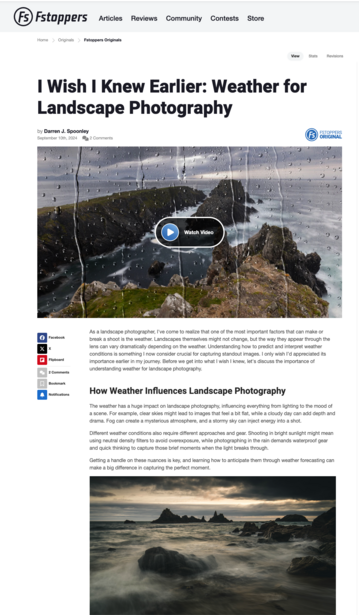
Like many photographers, I spent my early years believing that improvement would come from acquiring more knowledge. I watched tutorials, read articles, and spent far too much time researching equipment. Yet despite all of that effort, I often found myself standing in incredible locations and returning home with images that failed to capture what I had experienced. Looking back now, the problem wasn't a lack of information. The problem was understanding which information actually mattered and, more importantly, knowing how to apply it when standing in front of a scene.
That realization became the foundation of the original article. The response to it was great and, in many ways, unexpected. The conversations that followed revealed a common theme. People weren't necessarily struggling because they didn't know enough. If anything, they were overwhelmed by the sheer amount of advice available. Every day there seemed to be another video, another tutorial, or another opinion telling them how landscape photography should be approached. The challenge wasn't finding answers. The challenge was identifying the answers that would make the biggest difference to their photography. Of course, gear is important; however, having a Formula 1 car and not knowing how to drive it, well, let's just say that's not a good recipe for success.
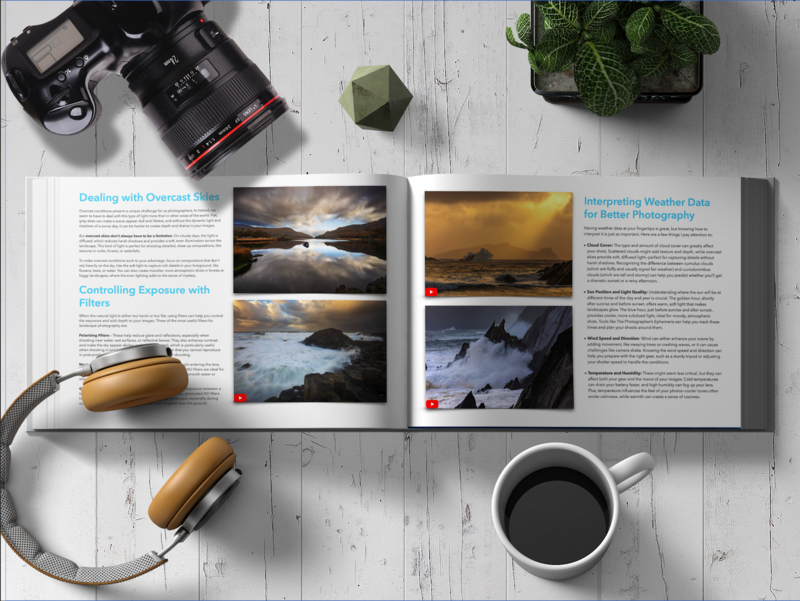
As those conversations continued, I began to see an opportunity to create something more structured. Rather than producing another collection of standalone tips or tutorials, I wanted to create a resource that followed the same journey many photographers experience themselves. A resource that started with the fundamentals, built upon them gradually, and eventually addressed the challenges that appear once the basics have been mastered. That idea eventually became the Essential Landscape Photography Skills Volume 1, and now the trilogy, which I wanted to be free to everyone.
The first volume focuses on the foundations because, in my experience, that's where my greatest improvements were made. Topics such as location scouting, understanding light, reading weather conditions, and creating stronger compositions may not sound as exciting as discussions about new cameras or advanced techniques, but they are the skills that consistently separate successful photographs from disappointing ones, and ones that I was glad I got a good handle on once I decided I wanted to get better at this discipline. Many of the lessons in Volume I come directly from my own experiences photographing coastlines, mountains, waterfalls, and remote landscapes throughout Ireland. They are the lessons I wish somebody had sat me down and explained years earlier.
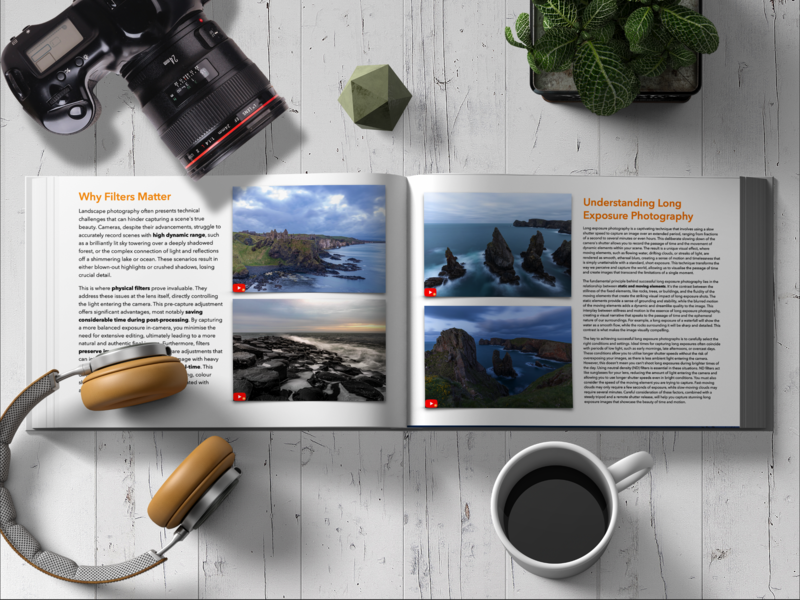
Once those foundations are in place, we often encounter a different set of challenges. We begin to understand the basics, but our growth starts to slow. Questions become more specific. How should filters be used effectively? When does a long exposure improve an image, and when does it become a distraction? What role should editing play in the creative process? These were the questions that ultimately shaped Volume II. Rather than simply introducing new techniques, this volume focused on refinement. It explored some of the common misconceptions that can hold photographers back while also examining the role of inspiration, community, and continuous learning. Photography can often feel like a solitary pursuit, but some of the most valuable lessons I have learned have come through conversations with other photographers and from studying how others approach the scene.
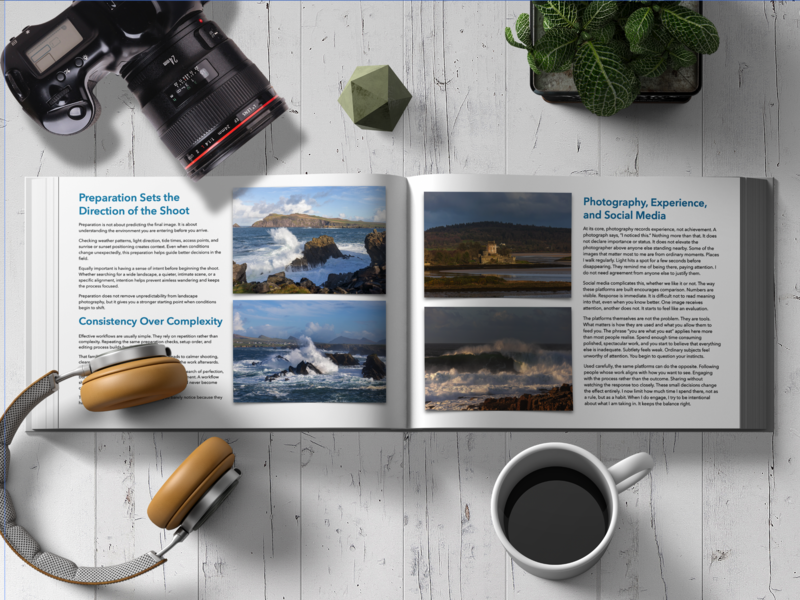
As work on the second volume progressed, another theme started to emerge. Many photographers understood the fundamentals. They understood the technical side of photography. Yet they still struggled with consistency. I certainly know I did. They could produce excellent images, but they couldn't always repeat the process. I experienced this firsthand while running workshops, where clients knew their way around their camera but wanted to know how to get consistency in their images. They even wanted to develop some sort of style. That observation became the starting point for Volume III. This final book explores the habits, workflows, and decision-making processes that help photographers create stronger work more consistently. It looks at focus and sharpness, building an effective workflow, understanding hit rates realistically, and learning how to simplify rather than complicate the photographic process. In many ways, Volume III is about confidence. Not confidence in your equipment, but confidence in your ability to assess a scene, make decisions, and trust your own judgment.
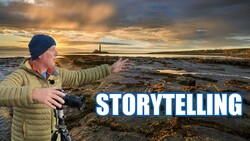
One of the decisions I made early in the project was that the books should not exist in isolation. People learn in different ways. Some prefer reading, while others absorb information more effectively through visual demonstrations. For that reason, every chapter, right from the beginning and across the trilogy, is accompanied by its own YouTube video. The books provide structure and detail, while the videos allow readers to see many of the concepts applied in real-world situations. Together they create a learning experience that is far richer than either format could achieve on its own.
A question I am asked most often, however, has very little to do with photography directly. Instead, people usually ask why the books are free. The answer is simple. I remember what it was like to be starting out. Photography can be an expensive hobby and, in many cases, education is treated as another product to be sold. While there is absolutely a place for paid workshops, courses, and mentoring, which I offer, I never wanted cost to become a barrier to accessing these particular lessons. Photography has given me opportunities, friendships, and experiences that I could never have imagined when I first picked up a camera. Making Volume 1 and ultimately the trilogy available free of charge feels like an opportunity to contribute something back to the community that helped me along the way.
That's why all three volumes remain available free to newsletter subscribers. For those who wish to support the project, there is an optional €4.99 contribution that I often refer to as a digital high five. But whether somebody downloads the books for free or chooses to support the work financially, the goal remains exactly the same. If the trilogy helps a photographer understand a location more effectively, make a better decision in difficult conditions, or create an image they might otherwise have missed, then it has achieved precisely what it was created to do.
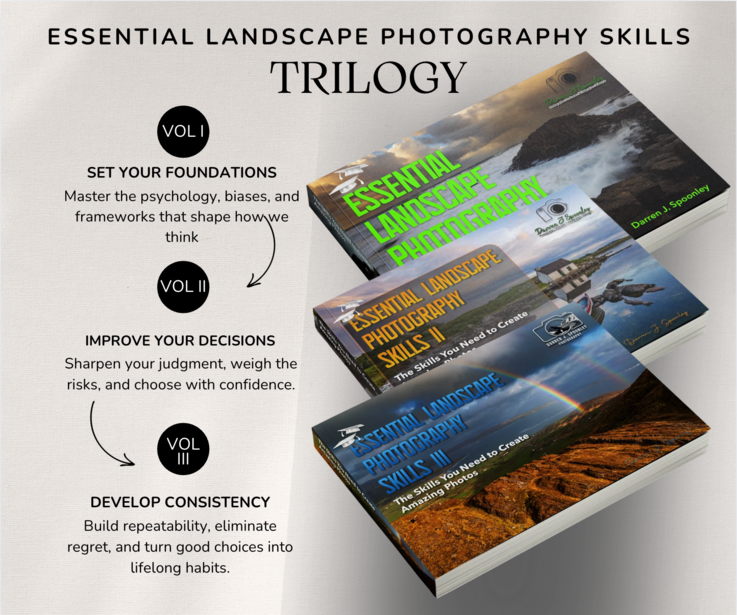
The trilogy may have started as a single article, but looking back now it feels as though it was always heading in this direction. Thirty chapters, thirty videos, and years of lessons condensed into one structured learning journey. Not a shortcut to better photography, but a roadmap designed to help photographers spend less time guessing and more time creating.
You can download your free e-book and dive in just by joining my newsletter here.
Just to think, one article could lead to this body of work that has been downloaded over 3,000 times and is helping many photographers around the world daily. This still blows my mind.
If you have downloaded any of the volumes so far, or are yet to do so, I'd love to continue the conversation in the comments below.

Join the Fstoppers community for free
-
Post comments and join in the discussions
-
Browse the site ad-free
-
Share your work and get featured in the community
-
Compete in the photo contests for fun and prizes
No comments yet