
When I first started learning photography, ISO was probably the setting I understood the least.
Shutter speed made sense because I could see movement blur or freeze. Aperture made sense because I could see depth of field changing in the image. ISO, however, felt far more abstract. I knew it made the image brighter or darker, but beyond that I mostly treated it as a setting to avoid touching unless absolutely necessary.
Like a lot of photographers starting out, I became obsessed with the idea that higher ISO automatically meant bad photography. I had read endless advice online telling photographers to "always shoot at ISO 100," so I followed that advice rigidly without fully understanding why.
The problem was that photography does not happen in controlled textbook conditions.
I quickly realized that there were situations where sticking stubbornly to ISO 100 was actually ruining my images. I was introducing motion blur, camera shake, and missed opportunities simply because I was too afraid to raise ISO when conditions demanded it.
Over time, understanding ISO properly completely changed the way I approached exposure in landscape photography and photography in general. I stopped seeing it as the "bad" setting in the exposure triangle and started treating it as another tool that simply needs to be used deliberately.
That shift made me far more confident in difficult conditions because I finally understood what compromises I was making and why.
What ISO Actually Does
The easiest way I eventually learned to think about ISO is this: it controls how sensitive your camera sensor is to light.
A lower ISO value, such as ISO 100, keeps sensitivity low and produces the cleanest possible image with the best overall image quality. A higher ISO value increases brightness, which helps in darker conditions, but it also increases visible digital noise and reduces overall image quality to some extent.
At first, I thought of ISO purely in terms of brightness, but the more important lesson was understanding that every ISO decision involves a trade-off.
Raise ISO too far and you begin introducing noise, reducing dynamic range, and losing color accuracy. Keep ISO too low in difficult conditions and you risk motion blur, missed focus, or unusable images altogether.
Landscape photography taught me this lesson very quickly because conditions are constantly changing. Sunrise and sunset scenes can transition from bright to dark within minutes, and Irish weather especially does not always give you the luxury of stable lighting.
Sometimes keeping ISO low works perfectly. Other times it simply is not realistic.
Why I Used to Fear Higher ISO Too Much
For a long time, I treated higher ISO almost like a mistake.
I remember photographing coastal scenes around blue hour while refusing to move beyond ISO 100 because I wanted the "cleanest" possible files. The result was often exposures that became impractical. Either I needed extremely long shutter speeds when the scene did not suit them, or I risked introducing movement from wind, waves, or camera shake.
Eventually I realized I was prioritizing technical perfection over actually capturing the photograph successfully.
That was not helping my photography.
Modern cameras are far better at handling noise than older systems were. Noise still exists of course, and higher ISO absolutely impacts image quality, but the difference is nowhere near as destructive as many photographers make it out to be, especially when images are exposed properly.
In fact, one of the biggest mistakes I used to make was underexposing images at low ISO and then lifting shadows heavily in editing afterward.
Ironically, that often created worse noise than simply increasing ISO slightly in camera and exposing correctly to begin with.
Once I understood that, my approach changed completely.
Why Exposure Matters More Than ISO Alone
One of the most important things I learned about ISO is that noise is heavily influenced by exposure quality, not just the ISO number itself.
A properly exposed image at ISO 1600 can often look cleaner than an underexposed image at ISO 400 that has been brightened aggressively later in editing.
That was a major turning point for me because it shifted my focus away from obsessing over the lowest possible ISO and toward making better overall exposure decisions.
For example, when photographing moving water during low light, I sometimes need to increase shutter speed slightly to avoid losing detail in waves or sea spray. If aperture is already where I want it creatively, ISO becomes the setting that allows me to maintain that balance.
In those situations, raising ISO is not a failure. It is simply the correct exposure choice for the conditions.
That understanding removed a huge amount of hesitation in the field.
Low ISO Still Has Huge Advantages
Even though I became more comfortable using higher ISO values, I still shoot at low ISO whenever conditions allow because the benefits are very real.
ISO 100 generally gives the cleanest files, the best dynamic range, and the most flexibility in editing. Landscape photography especially benefits from this because scenes often contain subtle tonal transitions in skies, shadows, and foreground textures.
When I am photographing landscapes from a tripod, there is usually no reason to raise ISO unnecessarily because shutter speed can simply be lengthened instead.
This is one of the reasons tripods are so valuable in landscape photography. They allow you to maintain low ISO while keeping maximum image quality.
A calm sunrise scene with stable conditions is a perfect example. If I can comfortably shoot at ISO 100 with a two-second exposure from a tripod, there is very little benefit to increasing ISO.
That said, conditions are not always calm.
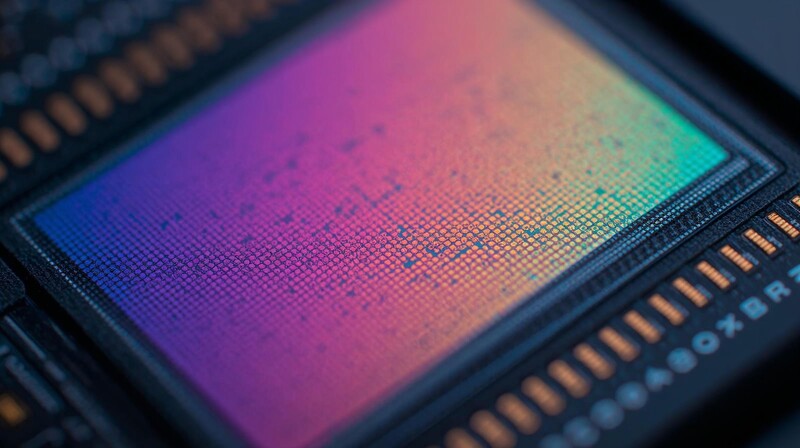
When Higher ISO Becomes Necessary
There are plenty of situations where raising ISO becomes the best option available.
Wind is one example I deal with regularly in Ireland. Even on a tripod, strong wind can introduce movement into grasses, foreground elements, or even slight camera shake. In those cases, increasing ISO allows me to use a faster shutter speed to keep detail sharp.
Handheld photography is another obvious example.
I often shoot handheld while scouting locations, documenting behind-the-scenes moments for videos, or reacting quickly to changing conditions. In those situations, shutter speed matters far more than maintaining perfectly clean files.
A slightly noisy sharp image is always more usable than a completely blurred clean one.
That became one of the simplest but most important photography lessons I ever learned.
I also became far more comfortable raising ISO during poor weather. Storm conditions, fog, heavy rain, or dark woodland scenes often require compromises. Trying to force ISO 100 into every situation simply makes photography harder than it needs to be.
Understanding the Relationship Between ISO and Shutter Speed
Once I properly understood ISO, I stopped thinking about it in isolation.
Photography exposure is always about balancing shutter speed, aperture, and ISO together. Changing one affects the others.
If I need a faster shutter speed because waves are moving unpredictably, ISO may need to rise. If I want greater depth of field at f/11, that also impacts shutter speed and ISO choices.
Everything is connected.
This became especially important during changing sunrise conditions. Early dawn may require higher ISO values initially, but as the light develops, ISO can gradually come back down.
Understanding that flexibility made me much more adaptable in the field instead of rigidly chasing fixed settings.
Auto ISO Changed My Opinion Too
For years I completely ignored Auto ISO because I assumed manual control was always better.
Eventually I started experimenting with it during handheld shooting and quickly realized how useful it could be in changing conditions.
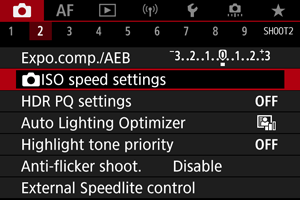
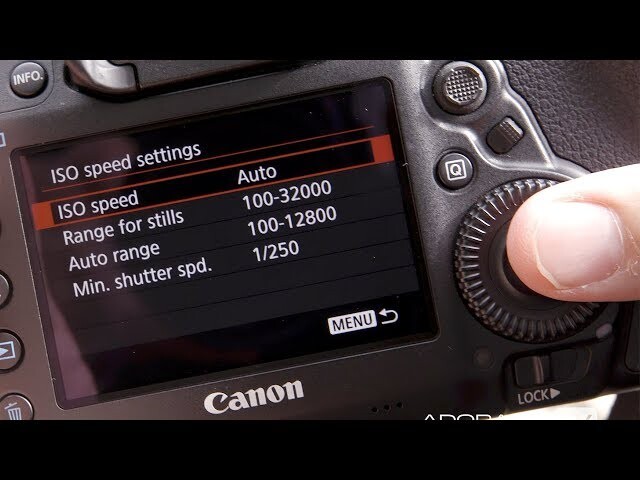
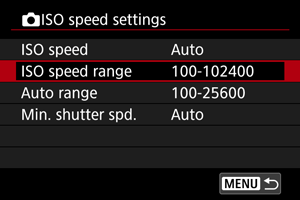
Modern cameras allow you to limit maximum ISO values while still giving the camera flexibility to adapt exposure automatically. That makes Auto ISO particularly useful when light changes rapidly.
I still tend to work manually for tripod-based landscape photography, but for handheld shooting, behind-the-scenes work, or fast-moving conditions, Auto ISO can genuinely simplify the process.
The important part is understanding what the camera is doing rather than blindly trusting it.
Noise Became Less Important Once I Focused on the Photograph
One of the biggest mindset changes for me was realizing that photographers often notice noise far more than viewers do.
When photographers zoom into images at 100% looking for flaws, noise becomes obvious very quickly. In the real world though, most people respond to composition, light, mood, and storytelling first.
Some of my favorite images were captured in conditions where technically cleaner files would have been impossible without sacrificing the shot entirely.
That perspective helped me stop chasing technical perfection constantly and focus more on whether the photograph itself actually worked.
And Finally
Understanding ISO properly made photography far less stressful for me because I finally stopped treating it like a setting to fear.
Low ISO absolutely provides the best image quality, and whenever conditions allow, I still prefer to keep ISO as low as possible. But photography is about adapting to real conditions, not idealized ones.
Sometimes raising ISO is the difference between capturing the image successfully and missing it altogether.
The key lesson for me was learning that ISO is not about avoiding noise at all costs. It is about balancing exposure decisions intelligently based on the scene in front of you.
Once I understood that, my confidence in difficult lighting conditions improved massively.
And perhaps most importantly, I stopped worrying so much about the settings themselves and focused more on making the photograph.
What are your thoughts? Let's continue the conversation in the comments below.


Join the Fstoppers community for free
-
Post comments and join in the discussions
-
Browse the site ad-free
-
Share your work and get featured in the community
-
Compete in the photo contests for fun and prizes
10 Comments
And ISO is an acronym for what?
Increasing Shitty Outcome :-) :-)
j/k
International Organization for Standardization
It's not an acronym. It's a word... Google it.
I know what ISO does, but still have no idea how to pronounce it. 😝
Eyesore 😇😂
eye-so
If you take the time to learn how to shoot film... you will understand ISO.
Technically, ISO doesn't alter the sensitivity of your camera sensor. The sensor is what it is. ISO affects the amplification of brightness in the camera's computer chip, much like an amplifier in a stereo makes sound louder. And when ISO amplifies or brightens the shadows in a picture, along with it comes noise inherent in the image.
The important thing to consider, which was pointed out in the article, is that you'll generally see less noise in an image that is exposed properly at a higher ISO, than you will by underexposing an image at lower ISO and brightening it in post-processing. Of course that may be dependent on the camera, but I shoot with a 14 year old Nikon D800 and have minimal noise at about any ISO if exposed properly. It took a long time before I realized that because, like Darren, I assumed wrongly that higher ISO automatically created more noise.
Crank it up I say there's nothing worse than a photo. That's motion blurred when it shouldn't be because you were too scared to pump the ISO up and the noise reduction in several programs is a game changer. In situations like this where there is very little light you're gonna need to crank it and 4000 ISO is not a problem with noise software. Just run the noise software at about 50%. Add a bit of clarity and text you back into the face and you're good. That said some cameras are better than others. That's why I'm a big Fuji fan. The noise actually looks okay in some cameras. The noise looks terrible and in other cameras it almost looks like it's part of the art. It just depends on how it's rendered. I don't know I've rendered the right word but you get what I mean.
Noise has always been a part of images to be fair, some more and some less and even from the film looks that people are creating now it seems to still be on trend