
There is a habit many of us landscape photographers develop without realizing it. We drive past locations we know well, places we have seen dozens of times, and we tell ourselves we will stop another day. The light is not right. The weather is poor. We are on our way somewhere else. Over time, these familiar places become invisible. They are no longer considered options, only background. This is a mistake, and one that limits growth more than most of us care to admit.
Why Stop?
Stopping at locations you pass often, even when conditions are not ideal, is one of the most useful habits you can build. It improves observation, strengthens compositional thinking, and removes reliance on perfect conditions. More importantly, it creates opportunities that only reveal themselves when you slow down and commit to being present.
Many photographers wait for a clear reason to stop. They wait for strong light, dramatic skies, or favorable forecasts. While those conditions can help, of course, they also create dependency. When the expectation is that good images require good weather, everything else is dismissed too quickly. This mindset narrows what you see and how you work.
When you stop without ideal conditions, the process changes. You are no longer reacting to light; you are solving problems. You look for structure, balance, and relationships between elements. You notice how lines move through the frame, how foregrounds interact with subjects, and how small shifts in position alter the image. These skills are not optional in photography. They are foundational.
Where's the Value?
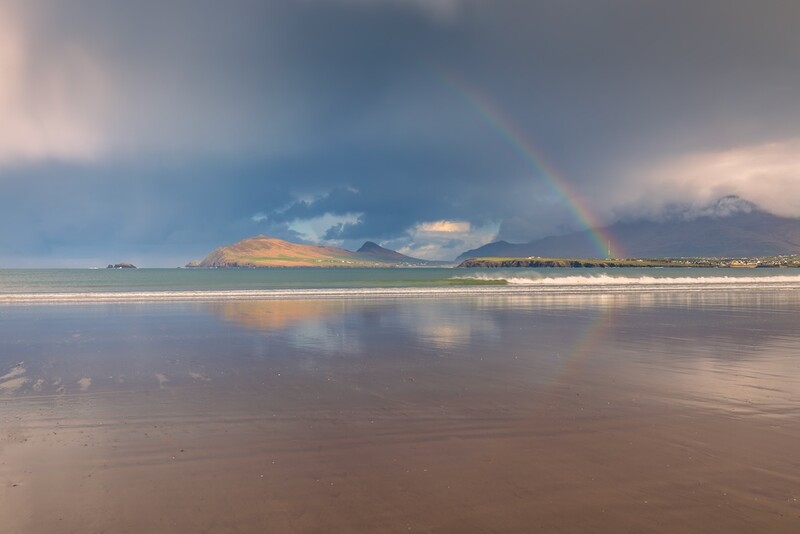
Locations you pass regularly are especially valuable for this kind of learning. Because they are familiar, you are less distracted by novelty. You already know what is there in broad terms. This allows you to focus on refinement rather than discovery. You can experiment more freely because there is no pressure to make a final image. The goal becomes understanding the place, not extracting a result. You also get the opportunity to try different compositions in all types of light—compositions that can be banked for another day if needed.
Using Weather to Our advantage
Weather that is considered poor often supports this process. Flat light removes contrast and simplifies exposure decisions. Overcast skies reduce distractions and make tonal relationships clearer. Rain, mist, or low cloud can flatten a scene, but they also reveal shapes and textures that strong light hides. These conditions encourage slower work and more deliberate choices.
Stopping in these moments also builds confidence. When you prove to yourself that images are possible without ideal conditions, you remove a barrier that holds many other photographers back. You stop waiting for permission to shoot. Instead, you respond to what is available. This is a shift from dependency, and it changes how you approach photography as a whole.
Compositional Advantages
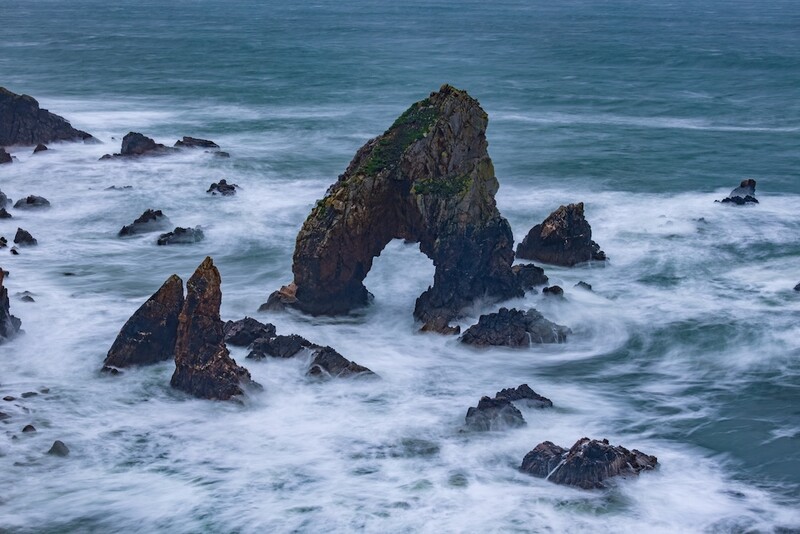
There is also the matter of composition practice. Composition improves through repetition, not theory alone. Every time you stop at a familiar location, you are given a controlled environment to test ideas. You can try framing variations, different focal lengths, or alternative viewpoints without the pressure of a limited opportunity or fast-moving light. Over time, you will see patterns emerge. You begin to recognize what works and what does not, and more importantly, why.
Often, small details only become visible after repeated visits. A rock that catches water in a certain way. A curve in the land that only aligns from one position. A background element that simplifies the frame if you step back half a meter. These are the details that do not announce themselves. They are found through attention, not luck.
Seasonal Changes
There is also value in seeing how a location changes across conditions and seasons. A place that feels ordinary in flat light may behave very differently after rain. Water levels shift. Surfaces darken. Reflections appear. Wind changes how vegetation sits. By stopping in varied weather, you build a mental catalog of how the location responds. This knowledge compounds over time and gives you an advantage when conditions do align.
One of the common reasons we do not stop is the belief that we already know what a location offers. Familiarity breeds contempt or dismissal. But knowing a place visually and knowing how to photograph it are not the same thing. The second requires time, attention, and a willingness to fail quietly. The best images from familiar locations are rarely made on the first visit.
A Real-World Example
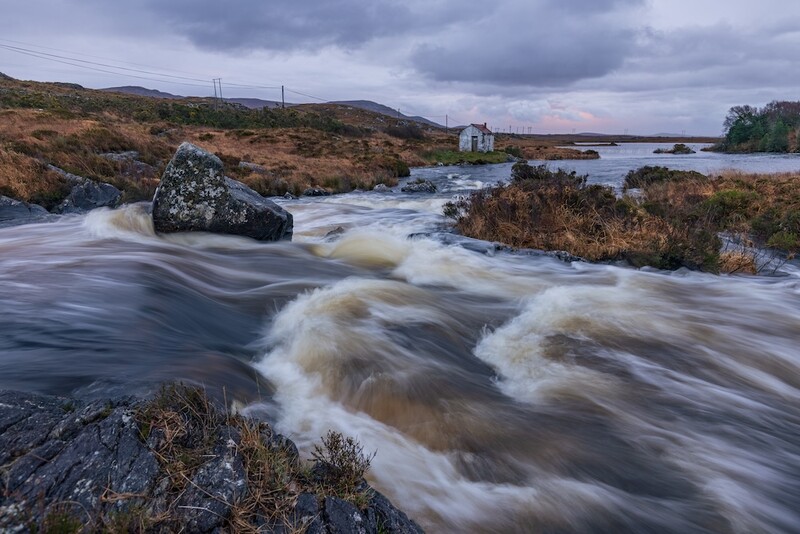
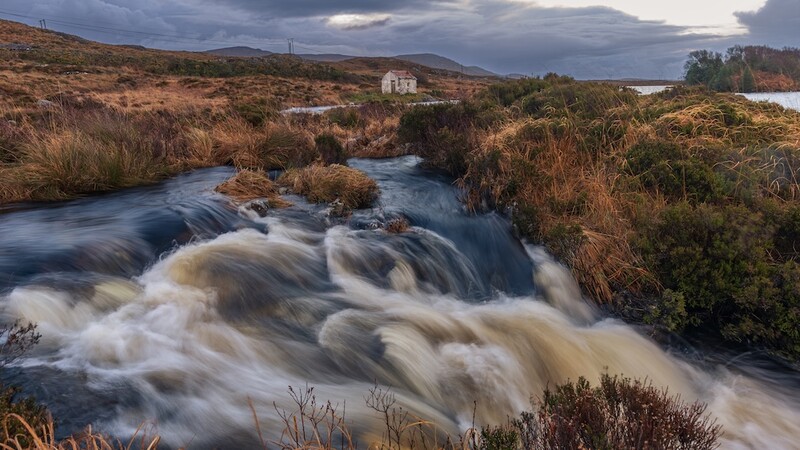
A recent example for me was a small fishing hut in Connemara that I had driven past for years. I had seen it in all kinds of light, but never stopped. There was always a reason not to. On the morning I finally stopped, the forecast was poor and the light was flat. Yet by committing to the location, I found workable compositions, useful water movement, and subtle structure that I had overlooked from the road. The images were not dependent on conditions. They came from engagement. I was glad that I stopped, even if the weather wasn’t ideal. I was able to bank compositions for the future and also knew more about the location now than I had ever known before.
Build the Relationship
This is not about forcing productivity. It is about building a relationship with a place. When you stop regularly, locations stop being targets and become collaborators. You begin to understand their limitations as well as their strengths. This understanding leads to better decision-making, both on location and when planning future shoots.
Stopping also changes how you value time. Instead of rushing between known viewpoints, you allow space for observation. This often leads to unexpected outcomes. You might notice a secondary composition that becomes more interesting than the original idea. You might realize the location works better in a vertical frame. These shifts are only possible when you are not mentally elsewhere.
Practical Advantages
There is also a practical benefit. Regular stops close to home or along familiar routes reduce reliance on travel. You do not need long trips to practice or improve. Some of the most useful learning happens within a short distance of where you live, precisely because those places are accessible and repeatable.
The belief that strong images only come from rare conditions or distant locations creates unnecessary pressure. It encourages waiting rather than working. By contrast, stopping at familiar places builds consistency. It teaches you to extract value from what is available, not what you hope for.
The weather will never be perfect often enough to justify waiting. Light will rarely align exactly as imagined. If you only shoot when conditions meet expectations, you will miss far more than you capture. Stopping, even when it seems unpromising, keeps you engaged and learning.
Finally
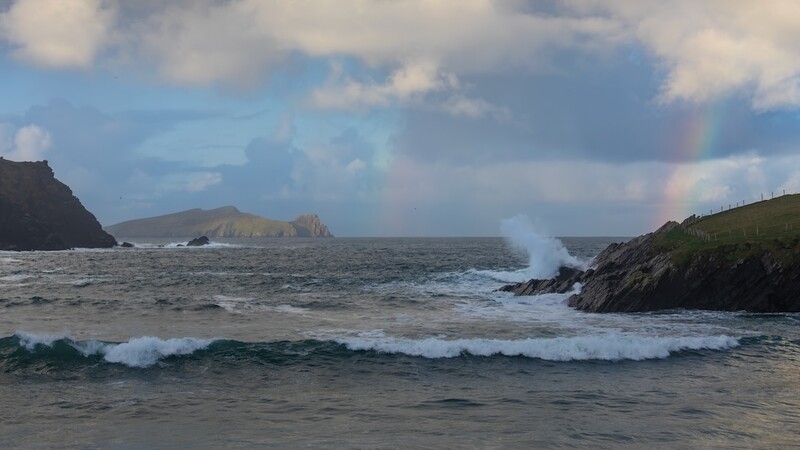
There will always be a shot to be had, even if it is not the one you expected. Sometimes the value lies in the image. Sometimes it lies in the lesson. Both matter. Over time, these stops accumulate into something more important than a single photograph. They build skill, patience, and confidence.
The next time you pass a location you know well, consider stopping. Not because the conditions are good, but because they are not. Walk it. Study it. Make a few frames. See what it offers when it is stripped of ideal circumstances. You may leave without a finished image, but you will not leave empty-handed.
Do you have examples of this approach working for you, or even not working? I’d love to continue the conversation in the comments below.
Join the Fstoppers community for free
-
Post comments and join in the discussions
-
Browse the site ad-free
-
Share your work and get featured in the community
-
Compete in the photo contests for fun and prizes
2 Comments
Thank you for a very good presentation...even while walking the streets near my home, I am always surprised when I choose new roads to find interesting subjects, I guess we are all creatures of habit and it is not rocket science to use common sense to break out of the comfort zone...
Thank you! Yeah, sometimes the search can be right under our nose it seems