We often talk about photography as a craft or a hobby, but if we’re being honest, the greats don’t treat it that way. For the pros, photography isn’t just a career. Photography is an obsession. We live in a world where we’re told to seek "balance," but I’m here to give you permission to do the opposite. This video will show you exactly how I break lighting down through the art of obsession.
If you want to make an impact on your career, you have to stop waiting for "later" and start obsessing over the "now." We think we have all the time in the world to master our craft, but the truth is, time is moving faster than your shutter speed. If you aren’t obsessed, you aren’t growing. What does that mean?
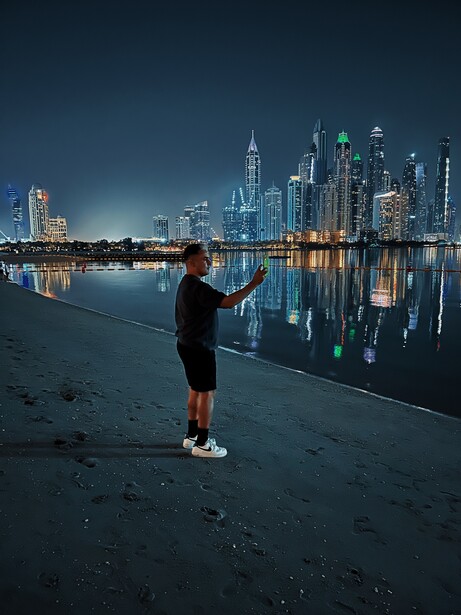
I take an average of 50-70 photographs per day with my phone. There's a fascination in seeing through my lens versus my own eyes. Toward the end of the day, I'll likely delete 98% of the photos. My niece asks why I take so many pictures all the time and then just delete them. The most logical thing to say is that it makes me happy. That's what this video is about: I am showing you how to obsess over a photograph to learn how images were created.
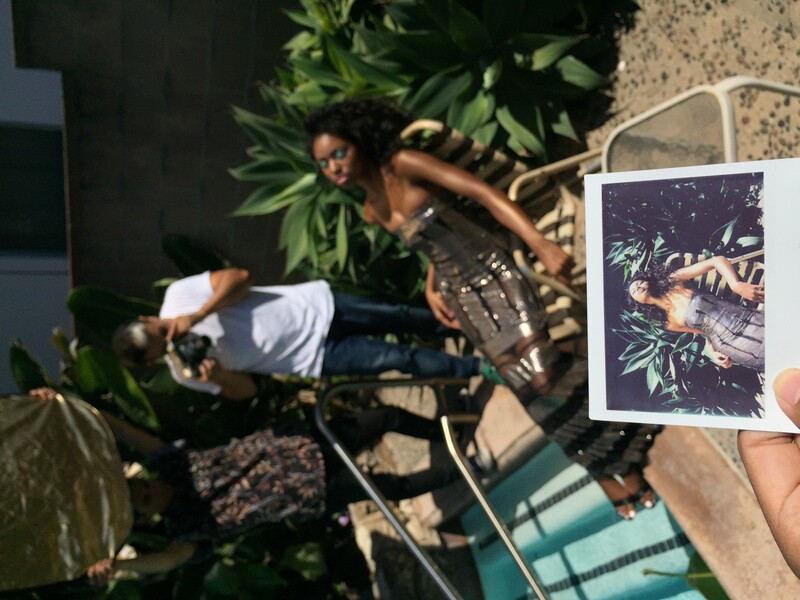
My own journey into lighting didn't start in a classroom or with a textbook. It started on the streets and at newsstands. I didn't just look at magazines or billboards; I stared at them until the images broke apart in my mind. I became a student of the shadows. Whenever I saw a film crew working on a sidewalk, I didn’t just walk past. I stopped. I pulled out my camera and took photos of their setups.
I documented the modifiers, the angles, and the flags. Then I would go home and wait for the final commercial or the magazine spread to come out. I would lay my "behind-the-scenes" shots next to the polished final product and bridge the gap. That was my education: connecting the physical modifier to the emotional result on the page. I obsessed over this process.
This process of dissection is exactly what I’m diving into in my latest video. I’m taking the iconic Lady Gaga Rolling Stone cover and showing you exactly how I would redo it. But more importantly, I’m showing you how to reverse-engineer it. We’re going to find the key light, identify the modifiers, and look for those tiny "tells" in the shadows that confirm exactly where the gear was placed.
I don’t just want you to see the light; I want you to understand the physics of why it’s hitting her face that way. This kind of forensic breakdown is how you learn what a modifier actually does versus what the manual says it does.
You have to get obsessed with every single detail of your process. You have to care about the falloff of a shadow or the catchlight in an eye as if your career depends on it, because it does. The photographers who make a mark are the ones who can't look at a billboard without wondering about the distance of the softbox. They are the ones who dissect because they are hungry to know.
I’m walking you through this entire process because I want you to start looking at the world through this lens of obsession. Don't put off your mastery until next year. The impact you make on your career happens in the hours you spend tearing an image apart to see how it works. Let’s stop scratching the surface and start digging into the mechanics of what makes a great photo. It’s time to get obsessed.





Join the Fstoppers community for free
-
Post comments and join in the discussions
-
Browse the site ad-free
-
Share your work and get featured in the community
-
Compete in the photo contests for fun and prizes
No comments yet