Most portrait photographers obsess over camera settings and flash power, but those aren't what separate a flat, lifeless portrait from one that actually has mood and presence. The real gap comes down to a set of creative decisions that happen before you ever press the shutter.
Coming to you from Martin Castein, this sharp, practical video breaks down exactly what those decisions are and how to make them intentionally. Castein opens with a direct challenge to the way most people approach studio lighting: they set up a softbox in one position, usually 45 degrees off to the side, and leave it there for every single portrait. The problem is that light direction isn't just a technical variable. It's the thing that determines the entire mood of the image. Move the light to a butterfly position in front of your subject and the portrait feels open, clean, radiant. Push it to the side and suddenly there's depth and drama. Take it even further around and the whole thing turns cinematic.
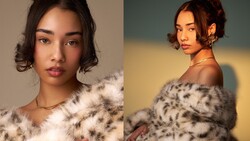
Light quality is the next piece, and Castein makes a point that's easy to miss. Chasing the softest light possible, which many people do by going bigger and bigger with their modifiers, can actually kill the mood rather than create it. Flat, directionless soft light produces flat, directionless portraits. Castein's own solution is a 3x2 softbox, a medium-sized modifier that sits in the middle of the hard-to-soft scale. The portraits he shows look neither harshly lit nor washed out. There's structure on the face, shape, clear depth, but the light still reads as flattering. That middle ground is where a lot of strong portraits actually live, and most people never consciously aim for it.
What Castein adds to all of this is something worth paying attention to: the edit isn't separate from the lighting decisions. It's the completion of them. If the Raw file already has the right light direction and quality baked in, the edit comes together quickly. You're not fighting the file. You're finishing what you started. If you're spending hours trying to rescue a portrait in post, Castein's argument is that the problem wasn't in the edit at all. It was upstream, in the lighting. He illustrates this by walking through a Raw file from one of his own shoots, showing how the mood was already present before any editing began, and then showing how the final edit brought it the rest of the way. The video only covers part of his full editing process here, so there's more ground to cover on that front. Check out the video above for the full breakdown from Castein.




Join the Fstoppers community for free
-
Post comments and join in the discussions
-
Browse the site ad-free
-
Share your work and get featured in the community
-
Compete in the photo contests for fun and prizes
1 Comment