Portrait Photography

Portrait photography is deceptively straightforward — point the camera at a person and press the shutter. But creating a portrait that actually captures something true about a person is far more demanding. This section covers the technical craft of portrait lighting and posing alongside the human skills — directing subjects, building rapport, and creating an environment where people feel comfortable enough to reveal something genuine.

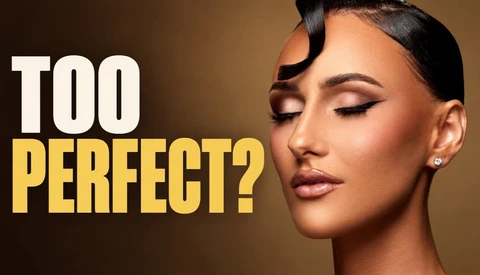
10 Mistakes That Kill a Headshot

A headshot has one job: to make a person look like the best, most confident version of themselves, and to do it in the fraction of a second a viewer spends forming a first impression. That is a narrow target, and it is easy to miss. What helps is that these failures repeat. Most weak headshots are not ruined by the camera or the location but by the same handful of mistakes, almost all of them fixable once you know what to look for. Here are ten that quietly kill a headshot, each with the fix.

Why the Best Portrait Photographers Think About Darkness First

Choosing the right light is one of the most misunderstood skills in portrait photography, and most advice online focuses on the wrong things entirely. Gear and camera settings have almost nothing to do with why certain portraits feel alive while others fall flat.

Portrait Photography for Beginners: Settings, Lenses, and Posing Basics

The fastest way to make better portraits is not to buy a flash, a softbox, and three light stands. It is to learn to see and shape the light you already have. Natural light is free, it is forgiving once you understand it, and it teaches you the fundamentals that every lighting setup later builds on. This guide covers the gear, the camera settings, and the posing and light-shaping basics that get a beginner from snapshots to real portraits, all without a single strobe.

Why Posing Maternity Clients Starts Long Before You Pick Up Your Camera

Why do I tell every maternity client, "Show up in your pajamas and I will take care of you"? Great maternity portraits have very little to do with fancy equipment or complicated lighting setups. They start with trust, and that trust begins long before the camera comes out.

Bodyscape Photography: One Light Is All You Need for Dramatic Results

Bodyscape photography sits at the intersection of portraiture and abstract art, and it's more accessible than most people assume. With minimal gear and a basic understanding of light angles, you can produce images that look like they required a full studio production.

How to Edit Portrait Skin Tones in Lightroom

Lightroom skin tone editing is one of those things that separates a gallery that looks cohesive from one that looks like a collection of individual images. Get it wrong and even technically sharp, well-exposed portraits look off in ways clients can't always name but will absolutely feel.

How to Know When a Portrait Belongs in Black and White

Shooting portraits in black and white is a genuine creative decision, not just a stylistic default. The difference between a black and white image that works and one that falls flat comes down to whether the light, expression, and mood were already there before you pulled the color out.

Which Lens Wins the Micro Four Thirds Portrait Lens Shootout?

One of the benefits of the Micro Four Thirds system is that there are many, many lenses to choose from to get the job done. If that job is specifically portraits, look no further than this deep dive into almost a dozen of the options available for the system.

Pushing Boundaries: A Different Take on Photographing Sports

Outdoor photographer Rainer Eder has teamed up with Swiss mountain sports brand Mammut to produce Pushing Boundaries, a visually arresting photo series that reimagines what athletic determination looks like when it's taken out of its natural habitat. Instead of pristine alpine settings, elite athletes are placed into unexpected, often industrial environments — spaces that test their physical ability, adaptability, and mindset.

You Can Shoot Professional Model Portraits With a Phone. Here's How.

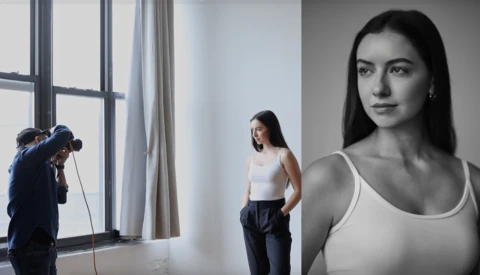
Shooting model portraits well has less to do with gear than most people assume, and everything to do with understanding light and how to pose a subject. Whether you're working with a phone by a window or a pair of strobes in a studio, the gap between a flat, forgettable shot and one that actually stops someone mid-scroll comes down to a handful of decisions you make before you ever press the shutter.

12 Things That Go Wrong on Every Outdoor Portrait Session (and What to Do About Each One)

If you have shot outdoor portraits for any length of time, you already know that the session you planned and the session you got are never the same session. Something always goes sideways. The light shifts, the location changes, a variable you could not have predicted shows up and rearranges everything. The difference between a beginner and a working portrait photographer is not that the veteran avoids these problems. It is that the veteran has been ambushed by them so many times that the solutions are automatic.

The Face Is Not Innocent

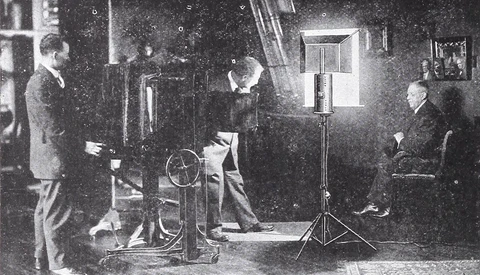
Portraiture did not begin with photography. It began with control. Long before the camera, someone was already deciding how a face should be seen, remembered, and fixed in time. The portrait has always been an act of authority. Photography didn't change that; it just made the act faster and more invisible.

Why Your Studio Portraits Look Flat Even With Good Gear

Most portrait photographers obsess over camera settings and flash power, but those aren't what separate a flat, lifeless portrait from one that actually has mood and presence. The real gap comes down to a set of creative decisions that happen before you ever press the shutter.

Why the Best Travel Portraits Don't Look Like Portraits at All

Getting a genuine portrait of a stranger is one of the hardest things to pull off in travel photography. The second someone knows a camera is pointed at them, they stop being themselves, and whatever drew you to them in the first place vanishes.

Why the Best Portrait Photographers Specialize in One Thing and Ignore Everything Else

Choosing a specialty in portrait photography isn't just a stylistic preference. It's a business decision. The photographers who build sustainable careers aren't necessarily the most technically gifted; they're the ones who commit to a recognizable style and understand the world around their images, not just the camera settings.

Getting Started With Portrait Lighting: 4 Classic Patterns Explained

Lighting is one of those skills that separates snapshots from professional-looking images. Whether you're working in a studio or improvising at home, understanding these four classic lighting patterns gives you a repeatable, reliable system for flattering almost any subject.

The Right Focal Length for Portraits Isn't What Most People Think

The lens you choose doesn't just affect background blur or how much of a scene fits in the frame. It physically changes how your subject's face looks, and if you're picking focal lengths based on habit rather than intention, you may be getting results that don't match what you're seeing in real life.

Let Your Creativity Bloom: Cover the Washington, D.C. Cherry Blossom Festival Like a Pro

Every year, the cherry blossom trees around the Tidal Basin and throughout D.C. bloom in a spectacular display of pink and white petals. These annual events provide an opportunity to create stunning landscapes and captivating portraits. In preparation for this year's National Cherry Blossom Festival, here are some tips and tricks to help get you up to speed on where to get the best shots and when to shoot.

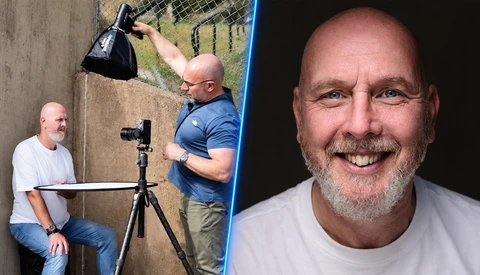
The Pocket-Friendly Headshot Setup: Studio Results With One Speedlite

You can build a high-end headshot portfolio with nothing more than a speedlite, trigger, softbox, and stand, if you understand how to control light. You don't need 600-watt strobe lights or high-end softboxes to get the commercial portfolio. In this guide, I'm breaking down the budget-friendly studio workflow I use at 415Headshots Inc., when I need to deliver corporate headshots in cramped offices in San Francisco. 

A Simple Trick for More Dramatic Portraits

Dramatic portraits often come down to one thing: how you control light across texture. If your images feel flat, the issue is usually direction, not gear.

Mastering Outdoor Natural Light: A Photographer’s Guide

Ever wondered why some professional portraits look effortlessly lit using natural light while others struggle with harsh shadows and flat tones? In this article, with the help of a video, we explore how mastering the simple positioning of your subject can transform ordinary sunlight into a high-end, studio-quality look without a single piece of extra gear.

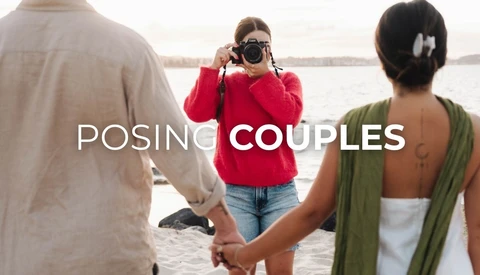
Realistic Couples Poses That Actually Feel Natural

Valentine’s Day photos tend to bring out the same problem over and over: hands feel useless, bodies feel stiff, and everything starts to feel forced. The video focuses on simple couples poses that reduce that awkwardness, whether you’re working with a pro camera setup or just a phone.

If You Only Bring One Prime: 50mm or 85mm?

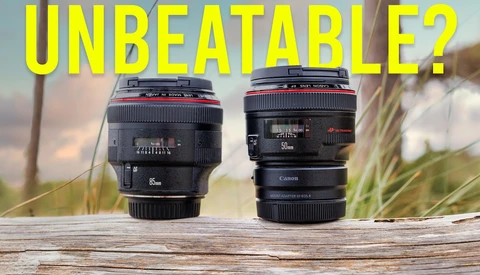
A 50mm and an 85mm can both make strong portraits, but they push you into different decisions the moment you pick one. This video puts the Viltrox AF 50mm f/1.4 Pro FE and Viltrox AF 85mm f/1.4 Pro FE in the same real location so you can see what changes when you use both.

How to Create Believable Window Light Without a Window

You can get “window light” even when there isn’t a usable window, and the difference between fake and believable usually comes down to a few small decisions. If you shoot portraits in a controlled space, this approach gives you a repeatable look without waiting on weather, time of day, or room layout.

Top 10 Questions for Photojournalist Lynsey Weatherspoon

Lynsey Weatherspoon is a photojournalist and portraitist whose work has been featured in such publications as The New York Times, USA Today, The Wall Street Journal, The Washington Post, Time, and ESPN. A Canon Explorer of Light, she is often called on to capture heritage and history as it happens. Here, she shares why you should buy less stuff, question everything, and always pack a multi-tool.

Hands On With The Viltrox 56mm f/1.2 Pro

When it comes to lenses these days, we are spoiled for choice. For crop-sensor shooters, Viltrox has just made the decision a little harder with the 56mm f/1.2 Pro.

How to Quickly and Easily Edit a Portrait in Lightroom

Portrait retouching in Lightroom often stalls when you get stuck doing the same careful selections again and again. This video puts the spotlight on a faster path using Lightroom Classic’s built-in AI masking, with results that still look like a human made the calls.

The Soft “Window Light” Setup That Actually Holds Up

A clean “window” look in a home studio usually comes down to one thing: how you spread and soften flash before it hits your subject. In this video, the entire setup revolves around a big diffusion wall, and it answers a question you’ve probably wrestled with after a few too-contrasty test frames.

Using 24mm and 50mm to Control Portrait Mood and Context

Portraits fall apart when the lens choice fights the moment or the setting. Using 24mm and 50mm on a full frame camera forces you to decide whether a portrait is about connection, context, or the tension between the two.

Three Cheap Moves That Fix Harsh Window Light Portraits

Window light can make a portrait look either effortless or painfully flat, and the difference usually comes down to a few small choices. If you shoot people indoors, this is one of the fastest ways to level up without buying anything.

Mistakes With Lighting That Cost You Shots

Lighting mistakes rarely look dramatic in the moment, but they show up later as shaky setups, inconsistent color, and portraits that feel slightly off. If artificial lighting is part of your work, a few small habits can save you from expensive repairs and awkward on-set surprises.

Portrait Headshots To High-Fashion With One Beauty Dish

A beauty dish looks simple, but small changes in how you set it up can completely change a portrait. If you shoot people in tight spaces or on location, learning to control one beauty dish will do more for your images than adding another three lights you barely touch.

Build a Cleaner Studio With Just Seven Smart Gear Choices

Studio gear multiplies until your space feels more like storage than a place to shoot. This video tackles that problem by imagining a completely fresh studio and choosing seven pieces of equipment that actually deserve floor space and budget.

The Simple Lighting Trick That Balances Background Exposure

Lighting a background with a single light sounds simple until you see the ugly gradient running from one side to the other. If you shoot portraits or products against seamless paper, getting that background clean and even can save time, keep your images consistent, and give you more control over how everything looks in camera.
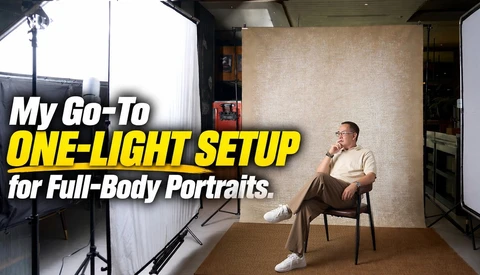
The Simple Lighting Trick That Fixes Your Studio Portraits

Nailing a dramatic close-up in the studio and then watching it fall apart the second you zoom out to a full-length frame is frustrating. You get harsh falloff on the legs, dead backgrounds, and a look that feels accidental instead of controlled. Here's how to fix that. 

Why Taylor Swift Looks So Different on Her Album Cover

Taylor Swift’s “Life of a Showgirl” bathtub cover looks like a different person compared to the matching moment in the music video, and that has people jumping to conclusions about retouching or AI. Here's a look at why. 

50mm vs 85mm vs 135mm: The Ultimate Portrait Lens Comparison

Let’s see the comparison of the portraits taken with 50mm, 85mm, and 135mm prime lenses. Is there a difference in the bokeh and background? Find out if focal length affects facial features and what the ideal shooting distance is for both environmental and close-up shots.