Portrait Photography

Portrait photography is deceptively straightforward — point the camera at a person and press the shutter. But creating a portrait that actually captures something true about a person is far more demanding. This section covers the technical craft of portrait lighting and posing alongside the human skills — directing subjects, building rapport, and creating an environment where people feel comfortable enough to reveal something genuine.

Master Outdoor Lighting Without Overcomplicating It

When you’re shooting portraits outdoors, light control can make or break your image. The sun’s position changes everything, from how your subject looks to how much flash power you need. You can manage it with high-speed sync, a neutral density filter, or a reflector, but each comes with tradeoffs that affect both your process and your results.

Transform Flat Window Light Into Cinematic Portraits

Window light can be beautiful, but it’s rarely perfect. You deal with uneven shadows, odd reflections, and unpredictable sunlight. Even when the light looks good, it can flatten your subject or lose detail in the background. Learning to balance window light with flash helps you control the look instead of waiting for luck.

How To Use Shadows for Better Photography: A Guide

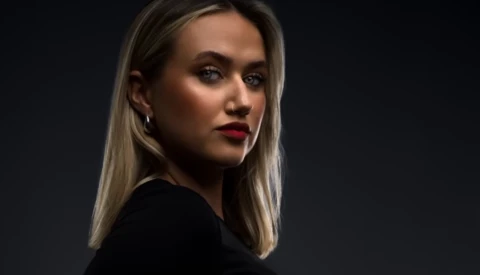
Let’s talk about shooting from the shadow side, where light rakes across your subject at an angle, transforming ordinary photos into cinematic images by adding dramatic contrast and dimensional depth.

What You Need to Know About Depth of Field for Portraits

Depth of field can make or break a portrait. It decides whether a viewer’s attention stays locked on a subject’s eyes or drifts into the blur of the background. Getting it wrong doesn’t just soften an image; it can shape how you compose and light every shot. Many people misunderstand what truly affects depth of field, and that misunderstanding can quietly steer years of work in the wrong direction.

The Secret Behind The Most Successful Portraits

Some portraits pull you in without warning. They hold a quiet force that lingers, a kind of truth that has nothing to do with technical perfection or fancy lighting. You’ve seen portraits that look great but feel hollow, while others stay in your mind for days. The difference lies in what the image says beyond the surface, the story that seeps through the smallest details.

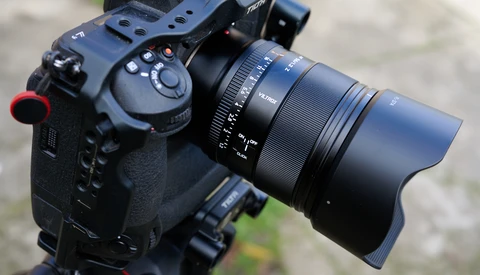
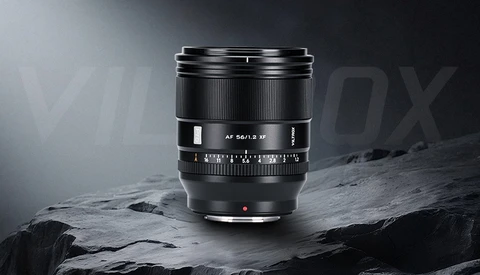
The New Crop King? A Review of the Viltrox 56mm f/1.2 Pro

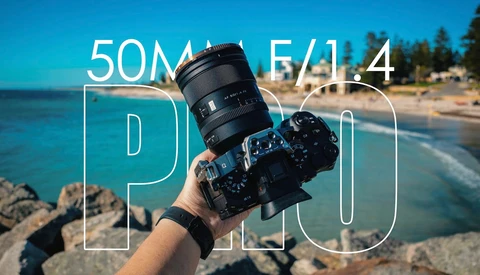
The 56mm lens, an 85mm full frame equivalent, has long been the crown jewel for portrait photographers using Fujifilm’s X-mount system. For years, the market has been a crowded battlefield. Fujifilm's own 56mm f/1.2 set the original standard, while the stalwart Sigma 56mm f/1.4 became a legend for its incredible sharpness-to-price ratio. Viltrox also carved out its own territory with the budget-friendly 56mm f/1.7 Air and its older, value-packed 56mm f/1.4.

Lighting Tricks That Add Depth to Your Studio Shots

A single backdrop and a few lights can look either plain or powerful depending on how you set them up. The way you control shadows, spill, and separation is what decides whether the final image feels flat or dimensional.

Mastering Flash: Essential Tips That Change Your Portraits

Flash is one of the trickiest but most rewarding parts of portrait photography. The way you use it can completely change the look of an image, and without at least a basic understanding, it’s easy to miss out on control you could have over your shots.

6 Myths About Natural Light That Cost You Clients

Photographers love to romanticize “natural light.” It gets described with words like natural, authentic, or real, as if using anything other than what’s already in the environment somehow cheapens the work. Scroll through Instagram captions and you’ll see countless photographers boasting about being “natural light only” shooters, presenting it as a stylistic badge of honor. There’s no denying that natural light can be beautiful and can transform scenes, wrap subjects in softness, and produce images that feel alive. But there’s also no denying that it’s widely misunderstood.

How School Portrait Photographers Are Making Millions

School portrait photographers are usually the joke of the photography industry, but did you know that many of them are profiting over a million dollars a year? Years ago, I tried to break into this industry, but it felt impossible. But now, after talking to Heather Crowder, it doesn't just seem possible, it seems easy. 

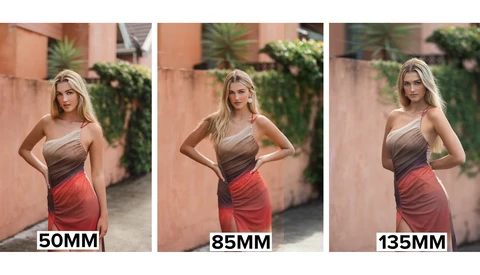
How Lens Choice and Camera Angle Can Transform a Pose

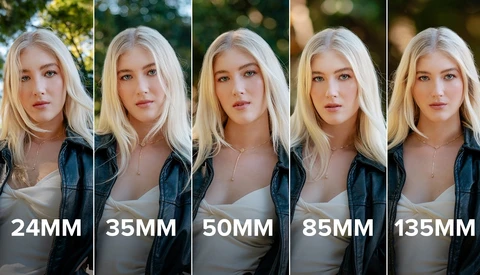
Creating flattering portraits isn’t just about telling someone how to stand. The way you position your subject, the lens you use, and the angle you shoot from all come together to decide how your subject actually looks in the final image. Small changes in these areas can completely transform how someone appears, which is why learning to control them matters so much.

5 Ways for Photographers to Prepare Portrait Clients for a Shoot

A smooth portrait session starts days before the first shutter click. Set expectations, reduce decisions, and build trust up front, and your clients will walk onto set relaxed, styled, and ready to give you real expressions. Here’s a five-part playbook you can copy, complete with scripts and micro-checklists.

Why the 24-105mm Might Be the Lens You Actually Need

If you’re looking at standard zooms, you’ve probably noticed the choice between the  24-70mm f/2.8 and the 24-105mm f/4. The first is faster and sharper on paper, but there’s more to choosing a lens than just speed and sharpness.

Medium Format vs Full Frame: When the Difference Really Shows

Matching medium format files against today’s best full frame options isn’t just a technical exercise. It can reveal exactly where the differences show up and when they don’t matter at all. In certain lighting situations, the gap between these formats shrinks, and in others, it’s clear why some people pay more for that larger sensor. 

Portrait Lighting Tips That Will Transform Your Images

Lighting can make or break your portraits, yet many people struggle with creating natural-looking illumination that flatters their subjects. The difference between amateur and professional-looking portraits often comes down to understanding just a few key lighting principles.
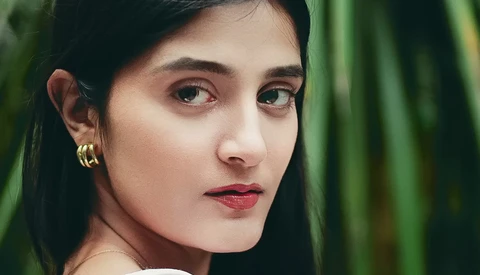
A Two-Light Portrait Setup That Works Every Time

Creating magazine-quality portraits doesn't require an elaborate lighting setup or years of experience. A simple two-light technique can consistently deliver professional results when you need to work quickly and efficiently.

Why Some People Hate Being Photographed (And How to Help Them)

Jennifer's heart rate spiked the moment she saw the camera. Her shoulders tensed, her smile became forced, and her natural warmth disappeared behind a mask of visible discomfort. The photographer, confused by her sudden transformation, kept shooting while Jennifer grew increasingly rigid and self-conscious. By the session's end, both parties felt frustrated—the photographer couldn't understand why such a vibrant person became wooden in front of the camera, while Jennifer felt embarrassed about her obvious discomfort and disappointed with the stiff, unnatural results.
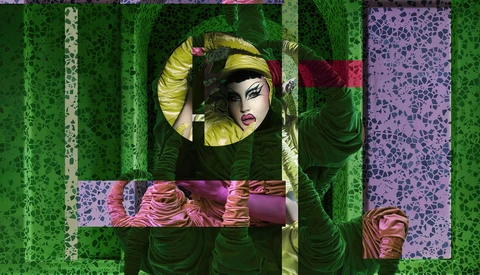
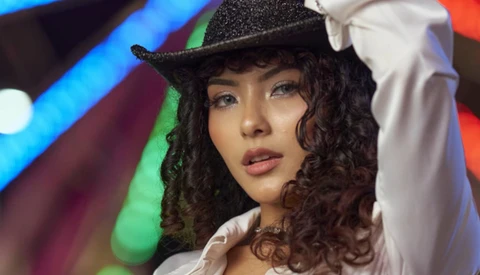
Backlighting Techniques for Better Portraits

Backlighting is one of those techniques in portrait photography that can quickly elevate your work if you do it correctly. Understanding how different types of backlights work and how each impacts your image is crucial to creating portraits that have depth rather than feeling flat.

One Modifier to Define Your Portrait Style

Portrait lighting isn't about gear; it's about control and intention. Getting consistent and distinctive images is about mastering one tool deeply enough to shape precisely the mood and emotion you want.

How to Create Timeless Portrait Lighting

Photography’s power to freeze memories, creating timeless images, relies heavily on mastering precise lighting and thoughtful composition. Understanding these techniques can significantly improve your ability to make compelling photographs that stand the test of time.

Mastering Lightroom Basics: Step-by-Step Portrait Editing

If you've struggled to understand Lightroom, or if your photo edits feel inconsistent and unpredictable, this tutorial provides a clear path forward. Clearly grasping each editing step helps you consistently achieve professional-quality results.

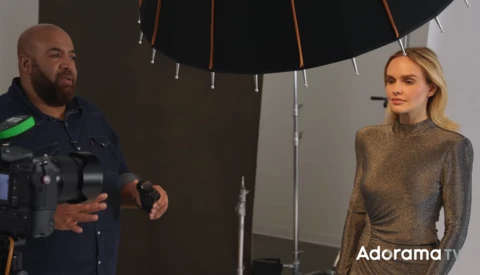
Transform Portraits With a Single Umbrella

Using a large umbrella for lighting portraits can significantly change the mood and quality of your images. Whether you're after smooth, wrinkle-free skin or dramatic shadows, understanding this versatile setup is great for getting exactly the look you want.

Single-Light Portraits: Professional Results on a Budget

Creating a clean, white background for portraits can be tricky, especially if you’re limited to just one light. Getting this right without relying on heavy editing can improve your skill set and streamline your workflow.

Editing Landscapes Faster With Lightroom’s Latest Update

Adobe has just released a Lightroom update with a new landscape masking feature designed to streamline your editing workflow. If you frequently edit landscape photos, this update is worth exploring for its practical improvements.

How to Master Portraits Using Only Two Lenses

Your camera gear doesn't define how good you are at taking portraits, but the lenses you pick do matter—a lot. Choosing the right lenses affects your flexibility and helps shape your distinct style as a portrait photographer.

Why Your Portraits Aren’t Sharp—and How to Fix Them

Are your portraits consistently coming out softer than you expect, even after careful focusing? Clarity makes a significant difference in the professional appearance of your images. Here's how to achieve it.

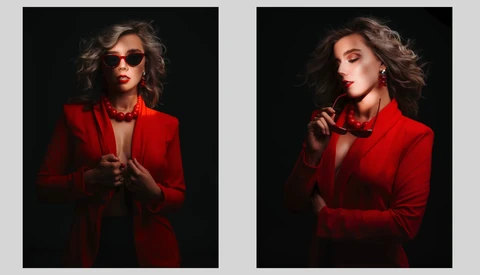
The Art of Controlled Lighting for Striking Portraits

Exploring how to intentionally push your creative limits can dramatically improve your portrait photography. Whether you're seasoned or starting out, understanding how to control lighting effectively shapes your style and widens your capabilities on set.

Creating Dramatic Black and White Photos in Monochrome Mode

I’m obsessed with color. Like, deeply. Bold tones, dreamy palettes, warm hues—color is one of the main reasons I fell in love with photography. But that doesn’t mean I can’t appreciate the raw emotion and timeless feel of a strong black and white photo.

Flash‑Ambient Balance Made Simple

Balancing on‑location flash with existing light sits at the heart of compelling portrait work. Photographers who understand how a slight shift in ambient exposure reshapes mood and subject separation gain tools that make creative intent feel effortless rather than frustrating.

How to Shoot a Cat (and Other Living Creatures)

In my first portfolio review, my critic was drawn to the cat photos, “because I know how hard that is,” he said. I didn’t let on that it’s not so hard. I volunteer at a local shelter and have learned a trick or two. And it turns out that best practices for cats also apply to dogs, horses, birds, and, come to think of it, people.