When you’re shooting portraits outdoors, light control can make or break your image. The sun’s position changes everything, from how your subject looks to how much flash power you need. You can manage it with high-speed sync, a neutral density filter, or a reflector, but each comes with tradeoffs that affect both your process and your results.
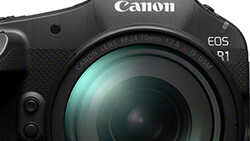
Coming to you from John Gress, this straightforward video compares these three common methods head-to-head. Gress starts with high-speed sync, using an Elinchrom FIVE and a white Maxi reflector setup. He shoots with a Canon R5 Mark II and a Canon RF 28-70mm f/2L USM, choosing settings around 1/4,000 second at f/2, ISO 100. Shooting wide open outdoors keeps backgrounds soft and emphasizes the subject. Gress explains how high-speed sync turns the flash into a rapid series of dim pulses, giving flexibility with shutter speed but cutting efficiency. It works when you need fast shutter speeds to freeze motion or isolate a model under bright sun, but it drains power quickly.
He then switches to a neutral density setup, using a Canon RF 85mm f/1.2L USM and a variable ND filter. The larger front element of the 28-70mm made it impractical to use a 95mm filter, so the smaller 82mm thread of the 85mm lens solved the problem. A variable ND filter reduces light by a few stops, allowing Gress to shoot at 1/200 second and still use a wide aperture without high-speed sync. That single, full flash pulse produces stronger, more efficient light than the many small pulses from high-speed sync. He notes that this means faster recycle times and longer battery life, but using a variable ND filter can be frustrating in the field. Adjusting the filter often throws off exposure or adds unwanted reflections. Gress points out that a fixed ND filter might be a cleaner choice if you want reliability.
Then comes the reflector test. Gress returns to a simple 5-in-1 reflector, the kind you can find anywhere for about $50. He reminds you that placement is everything. Hold it too low and the light looks eerie and unnatural. Raising the center above the subject’s face creates a softer, downward light that feels balanced. It’s a good low-cost method, but Gress shows how impractical it can be in wind. The light shifts, consistency drops, and whoever’s holding the reflector struggles to keep it in place. Still, when budget or gear limits you, the reflector remains a workable solution, especially in soft sunlight or when you want a quick fill light without batteries or cords.
The comparisons make one thing clear: there’s no single best option. Each tool fits a different situation, and understanding how they behave gives you control. Whether you value portability, power efficiency, or simplicity, Gress’s test gives you a grounded look at what actually works outside the studio. Check out the video above for the full rundown from Gress.
If you would like to continue learning about how to light a portrait, be sure to check out "Illuminating The Face: Lighting for Headshots and Portraits With Peter Hurley!"
Join the Fstoppers community for free
-
Post comments and join in the discussions
-
Browse the site ad-free
-
Share your work and get featured in the community
-
Compete in the photo contests for fun and prizes
1 Comment
I used to use a Metz 60CT flash on a bracket. Simple and easy. I would adjust the flash power to match or be more of a shadow fill. Doing that now would be so much easier. I did have a Polaroid back for the camera but it slowed me down too much. I used a lot of incident light meters.