Portrait Photography

Portrait photography is deceptively straightforward — point the camera at a person and press the shutter. But creating a portrait that actually captures something true about a person is far more demanding. This section covers the technical craft of portrait lighting and posing alongside the human skills — directing subjects, building rapport, and creating an environment where people feel comfortable enough to reveal something genuine.

The Vectorscope Trick for Perfect Skin Tones in Camera Raw

Adobe hid a color-grading tool inside Camera Raw that reads skin tones with real accuracy, and most people editing portraits have no idea it exists. The vectorscope lives in Camera Raw 18.4 and newer, it's not in Lightroom or Lightroom Classic, and even inside Camera Raw you have to dig to find it.
 

The Cheapest 50mm f/1.8 for Nikon Z, Tested in the Real World

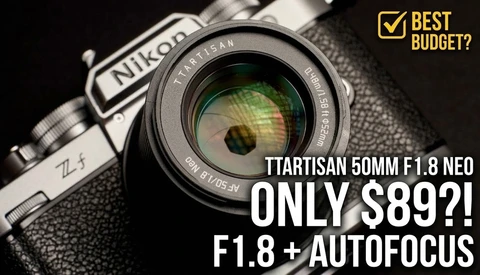
An autofocus 50mm f/1.8 for the Nikon Z system runs $89, and the images coming off it look nothing like the price tag suggests. A fast prime at that number changes what a beginner can afford as a first step past the kit lens.


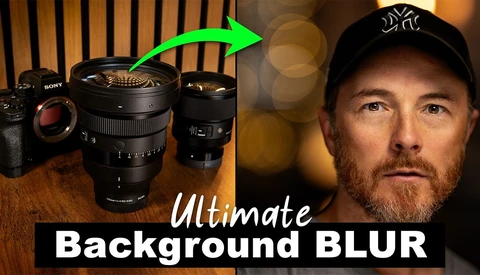
There's More to Background Blur Than Aperture

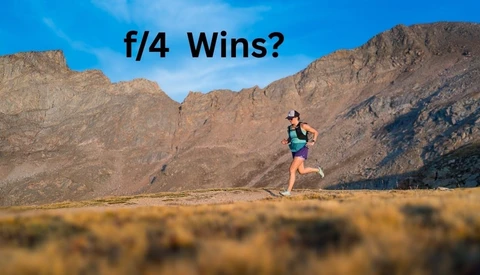
You can shoot at f/1.4 and get almost no background blur, or shoot at f/4 and get plenty of it. That single fact upends how most people spend money on lenses, and it explains why some expensive glass never delivers the creamy backgrounds you paid for.
 

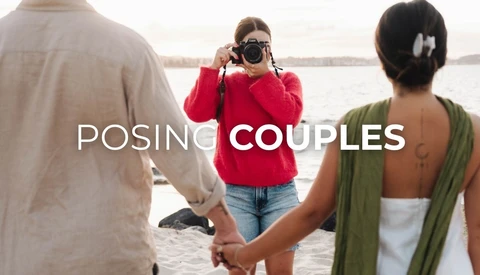
The 3-to-5 Pose System That Carries an Entire Wedding Day

Your mind goes blank the second the couple stands in front of you, every Pinterest board you studied the night before suddenly gone. That blank moment is the difference between a wedding day that flows and one that stalls while two nervous people wait for direction.


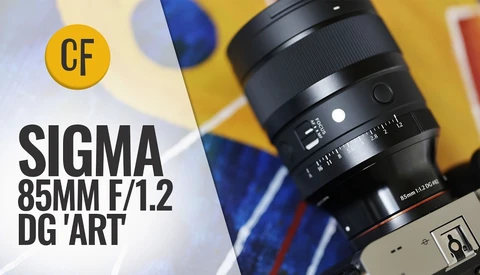
Sigma's 85mm f/1.2 Undercuts Sony's G Master by a Wide Margin

Sony sells a 50mm f/1.2 but has held off on an 85mm f/1.2 for its full frame mirrorless system, and now a third party has stepped in with autofocus and a price that undercuts Sony's own 85mm f/1.4 G Master II. The Sigma 85mm f/1.2 DG DN Art lands as the first autofocus 85mm f/1.2 for Sony E and the first 85mm f/1.2 ever for L-mount.


Sigma's 85mm f/1.2: Beautiful Bokeh, One Real Weakness

Sigma just released an 85mm f/1.2 DG Art for L-mount and Sony E-mount, and it lands at £1,299 in the UK or $1,599 in the US. That price sits well under Canon's and Nikon's mirrorless 85mm f/1.2 options, and the Sigma is smaller and lighter than both.


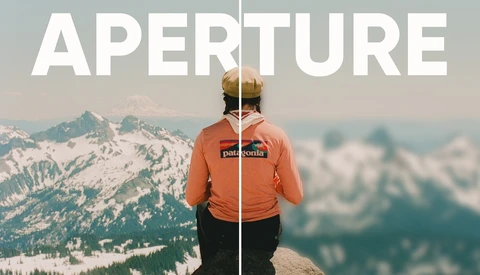
Three Anchor Points to Kill Aperture Overthinking

Aperture stalls you in the field because you treat it as a math problem with dozens of correct answers. The same setting looks different across cameras, lenses, and shooting distances, so memorizing what each value produces is a losing bet.


The Cheapest Autofocus 85mm You Can Buy, Tested Against a G Master

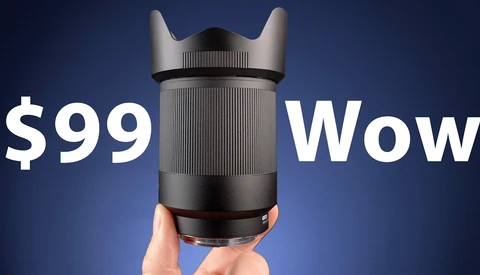
Put two portrait shots side by side, one taken with an $1,800 Sony lens and one taken with a $99 lens, and most people can't call which is which at a glance. That gap between price and image quality is worth understanding before you spend money on your next portrait lens.


Creating a Mobile Photography Studio Across America

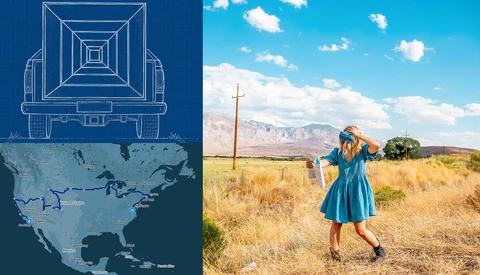
This September, we are turning our Toyota Tacoma into a mobile photography studio, building a custom set into the truck bed, and driving it 7,500 miles across the United States, photographing that same set against dramatically changing landscapes along the way.


Joseph Petzval Calculated the First Fast Portrait Lens in 1840 and Watched Someone Else Get Rich

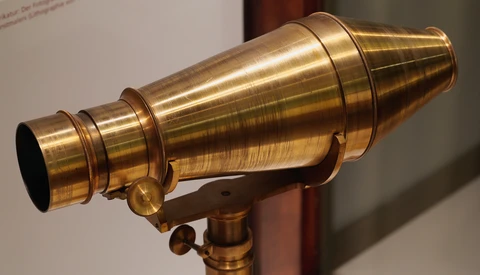
By May 1840, a mathematics professor in Vienna had finished a lens before a single piece of glass had been ground for it. Petzval worked the design out on paper, with a squad of army computers grinding through the arithmetic under his direction, and the result gathered roughly 20 times more light than the lens sitting on the front of a typical daguerreotype camera.
Continuous Light vs. Flash: What Actually Changes in Your Portraits

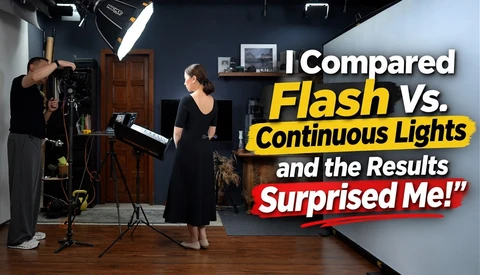
The question of flash versus continuous light comes up constantly, and the honest answer sits somewhere between "barely any difference" and "a huge one," depending on what you're shooting. Both can produce nearly identical portraits, yet the way you work with each changes how you shoot, how you meter, and how much room you need.


The Ultimate Skill for Better Street and Travel Photography

I find people fascinating, and when I see someone interesting when I’m out and about, I often want to photograph them. And I do. Many photographers have commented about this and would love to do the same but don’t feel comfortable or confident doing so.


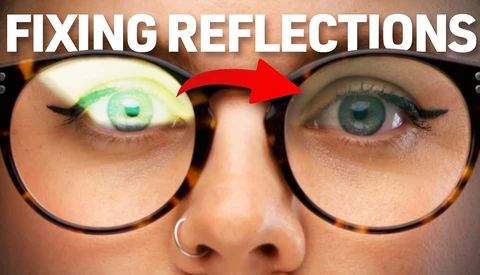
Why Moving Your Light Closer Kills Glasses Glare

Reflections bouncing off eyeglass lenses ruin more portraits than almost any other lighting problem, and the fix runs opposite to what most people assume. A smaller, more specular light source makes the reflection worse, while a large diffused light pulled in close makes it nearly vanish.


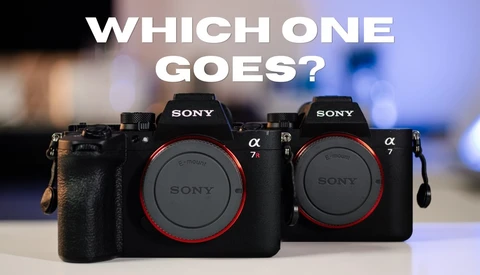
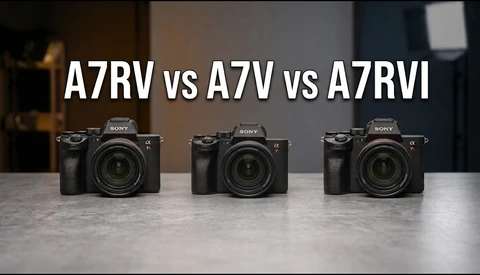
The a7R V, a7 V, and a7R VI Compared by Someone Who Bought All Three

Choosing a Sony body in the $3,000 to $5,000 range means weighing resolution, speed, and battery life against a price that keeps shifting on the used market. The a7R V, a7 V, and a7R VI look nearly identical in the hand, yet they behave very differently once you start shooting.
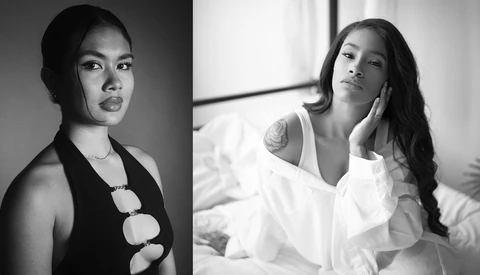
 

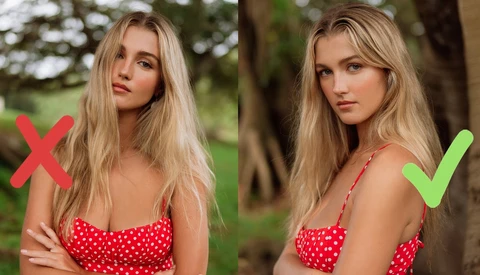
Seven Composition Tricks That Make Portraits Stop Feeling Flat

A great subject, beautiful light, and the right gear can still leave a portrait feeling like something is missing. The gap between an image that falls flat and one that holds your attention almost always comes down to composition.


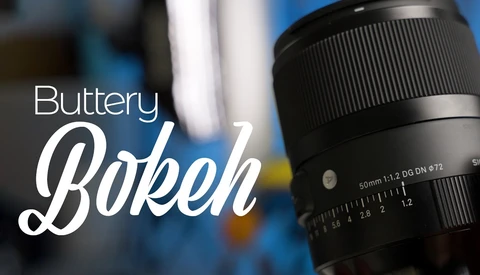
Why This 50mm f/1.2 Might Replace Your G Master

A 50mm f/1.2 with a 72mm filter thread sounds like a spec sheet mistake, yet that's exactly what Sigma built. A lens this fast usually forces a bigger front element and a heavier body, so seeing it stay compact changes the math on whether you carry a fast fifty at all.


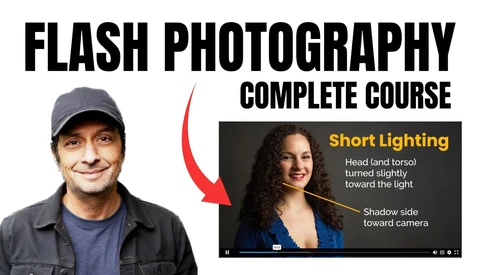
The One-Light Setup That Handles Almost Any Portrait

Flash portraiture stops most people cold at the same spot: too much gear, too many settings, and no clear order to put it all together. The fix turns out to be a single light, a handful of budget parts, and a repeatable routine you run the same way every session.


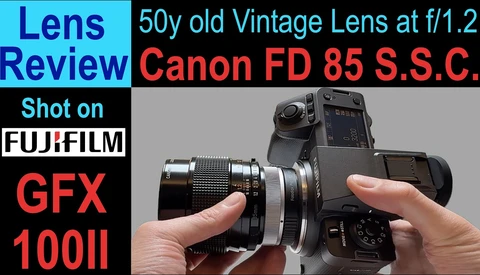
A 50-Year-Old Canon Lens That Out-Resolves a 100-Megapixel Sensor

A discontinued Canon lens from the 1970s can fully resolve the 100-megapixel sensor sitting inside a modern medium format body. Old glass carries a look that clean digital optics rarely match, and that character is exactly what draws people back to gear that stopped being made decades ago.


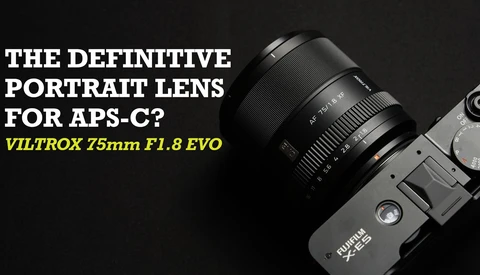
A $329 Lens That Punches Above Its Price on APS-C

A telephoto lens that weighs 325 g, holds corner-to-corner sharpness wide open, and sells for $329 sets a high bar for anyone shooting portraits on APS-C. The Viltrox 75mm f/1.8 Evo is the first APS-C lens in the Evo lineup, arriving alongside a 90mm f/2.2 sibling.


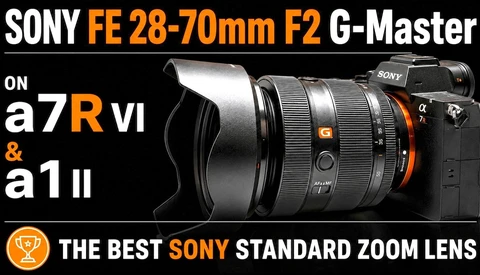
The f/2.0 Zoom That Outshines a 24-70mm G Master

A constant f/2.0 aperture across a full zoom range used to sound like a fantasy. Sony now offers it in a body smaller than the Canon equivalent, and the results push the limits of what a standard zoom can do.


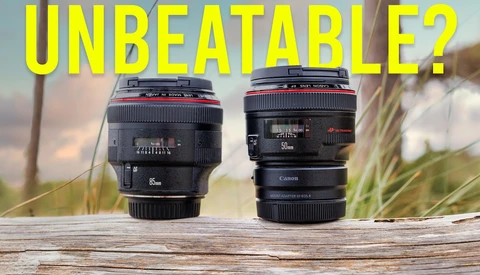
Can a 20-Year-Old Canon Prime Still Beat Its RF Replacement?

Plenty of photographers hang on to Canon's old EF f/1.2 primes because they swear those lenses render people in a way modern glass can't touch. That belief gets tested directly on a portrait shoot, with EF classics adapted to a current RF body and shot side by side against their RF replacements.


Does Your Camera Actually Matter Anymore? One Studio Test Says No

Most photographers assume a flagship body is the price of entry for paid client work, but a full studio fashion shoot on mid-range Nikon gear tells a different story. The gap between "professional" and "affordable" has narrowed enough that your lighting and lens choices now carry the weight your camera body once did.


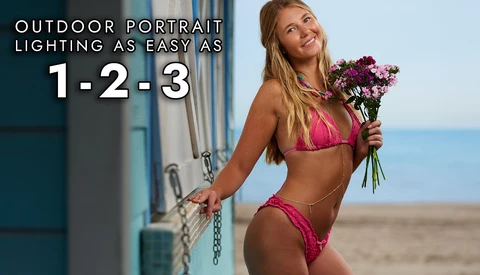
How to Balance Flash Against a Bright Sky Without Blowing It Out

Backlighting a subject at the beach solves a problem that trips up plenty of people shooting in bright sun: harsh shadows, squinting eyes, and a washed-out sky. Put the sun behind your subject, add your own light to the front, and the whole scene falls into place.


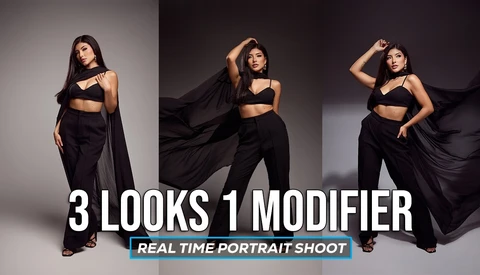
One 48-Inch Octa, Three Completely Different Portrait Looks

Most studio shooters own a pile of modifiers and swap them constantly, but a single 48-inch octa can produce soft, moody, and hard light without ever leaving the stand. Learning to read what one modifier does under different conditions builds more control than owning ten of them. 

Why Your Portraits Feel Flat and the Five Fixes That Change That

Portraits that fall flat usually trace back to a handful of choices made before and during the shoot, not to some missing gear or secret edit. Focal length, color, light, and how your subject moves all pull weight, and small shifts in each one add up fast. 

The Lighting Mistakes Hiding in Your Portraits

A photographer critiquing a stranger's early work is common enough, but here the images being torn apart turn out to be his own from 15 years ago. The fixes are the same ones any photographer can apply to their own portraits right now. 

Top Ten With Brandon Woelfel and How Shooting Every Day Led To a Nikon Ambassadorship

Brandon Woelfel, a New York-based portrait photographer and newly appointed Nikon ambassador, became known through constant experimentation with lo-fi props and effects posted daily on social media. His consistent behind-the-scenes posts amassed two million followers on Instagram and a reputation for dreamy, otherworldly images.

What Actually Separates a Good Portrait From a Great One

Show the same portrait to two working photographers and you can walk away with two opposite verdicts, one calling it strong and the other pulling it apart. Learning to read those reactions, and figuring out which ones are worth your attention, changes how quickly you grow. 

Three Portrait Setups That Work Every Time You Get Stuck

Standing in front of a person with a camera and no plan is one of the fastest ways to freeze up on a shoot. Having a small set of reliable frames to fall back on keeps you moving and gives every session a solid starting point. 

10 Mistakes That Kill a Headshot

A headshot has one job: to make a person look like the best, most confident version of themselves, and to do it in the fraction of a second a viewer spends forming a first impression. That is a narrow target, and it is easy to miss. What helps is that these failures repeat.

Why the Best Portrait Photographers Think About Darkness First

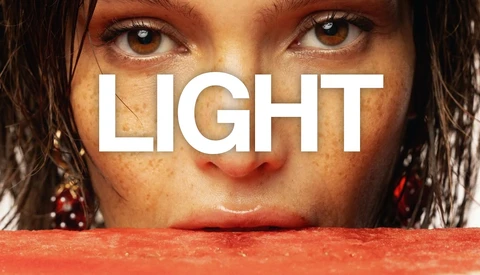
Choosing the right light is one of the most misunderstood skills in portrait photography, and most advice online focuses on the wrong things entirely. Gear and camera settings have almost nothing to do with why certain portraits feel alive while others fall flat. 

Portrait Photography for Beginners: Settings, Lenses, and Posing Basics

The fastest way to make better portraits is not to buy a flash, a softbox, and three light stands. It is to learn to see and shape the light you already have. Natural light is free, it is forgiving once you understand it, and it teaches you the fundamentals that every lighting setup later builds on.

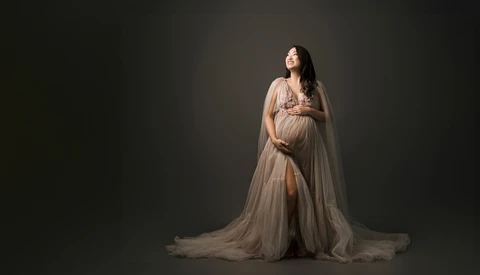
Why Posing Maternity Clients Starts Long Before You Pick Up Your Camera

Why do I tell every maternity client, "Show up in your pajamas and I will take care of you"? Great maternity portraits have very little to do with fancy equipment or complicated lighting setups. They start with trust, and that trust begins long before the camera comes out. 

Bodyscape Photography: One Light Is All You Need for Dramatic Results

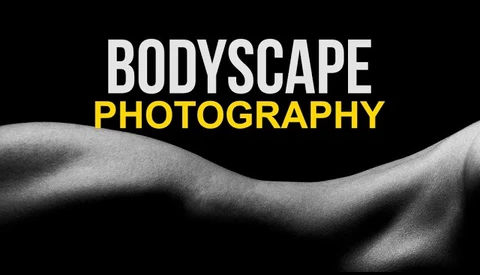
Bodyscape photography sits at the intersection of portraiture and abstract art, and it's more accessible than most people assume. With minimal gear and a basic understanding of light angles, you can produce images that look like they required a full studio production. 

How to Edit Portrait Skin Tones in Lightroom

Lightroom skin tone editing is one of those things that separates a gallery that looks cohesive from one that looks like a collection of individual images. Get it wrong and even technically sharp, well-exposed portraits look off in ways clients can't always name but will absolutely feel. 

How to Know When a Portrait Belongs in Black and White

Shooting portraits in black and white is a genuine creative decision, not just a stylistic default. The difference between a black and white image that works and one that falls flat comes down to whether the light, expression, and mood were already there before you pulled the color out. 

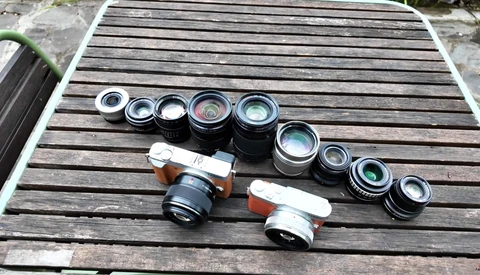
Which Lens Wins the Micro Four Thirds Portrait Lens Shootout?

One of the benefits of the Micro Four Thirds system is that there are many, many lenses to choose from to get the job done. If that job is specifically portraits, look no further than this deep dive into almost a dozen of the options available for the system. 

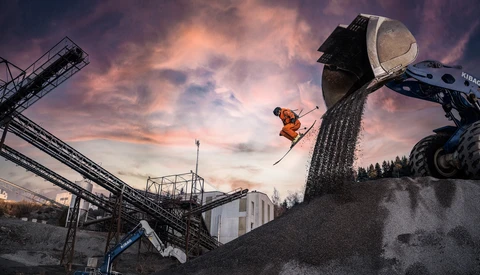
Pushing Boundaries: A Different Take on Photographing Sports

Outdoor photographer Rainer Eder has teamed up with Swiss mountain sports brand Mammut to produce Pushing Boundaries, a visually arresting photo series that reimagines what athletic determination looks like when it's taken out of its natural habitat.

5 Natural Light Portrait Mistakes That Make Your Images Look Flat

Shooting portraits in natural light sounds simple until you realize how many ways it can go wrong. Knowing the five most common mistakes, and how to fix them, is the difference between images that look flat and ones that have real depth and drama. 

The Face Is Not Innocent

Portraiture did not begin with photography. It began with control. Long before the camera, someone was already deciding how a face should be seen, remembered, and fixed in time. The portrait has always been an act of authority. Photography didn't change that; it just made the act faster and more invisible. 

Why Your Studio Portraits Look Flat Even With Good Gear

Most portrait photographers obsess over camera settings and flash power, but those aren't what separate a flat, lifeless portrait from one that actually has mood and presence. The real gap comes down to a set of creative decisions that happen before you ever press the shutter.