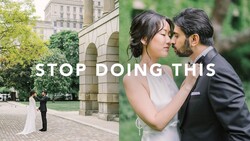
Valentine’s Day photos tend to bring out the same problem over and over: hands feel useless, bodies feel stiff, and everything starts to feel forced. The video focuses on simple couples poses that reduce that awkwardness, whether you’re working with a pro camera setup or just a phone.
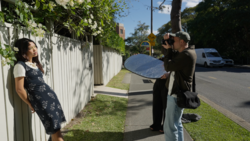
Coming to you from Susan Stripling with Adorama, this practical video walks through couples poses that start standing and stay grounded in real movement. The focus stays on connection rather than precision, which changes how the images look almost immediately. Instead of frozen smiles, the poses rely on interlocked arms, leaning weight, and letting bodies rest against each other. You see how small changes, like actually holding hands instead of placing them, shift the energy in the frame. The approach works whether you’re shooting horizontal, vertical, tight, or full length.
Stripling also addresses a problem you’ve probably noticed without naming it: straight, symmetrical stances rarely look natural. Crossing ankles, separating feet, or popping a knee adds shape without asking anyone to perform. Even when the couple feels ridiculous, the movement tends to soften faces and loosen shoulders. Laughing, even when faked at first, creates expressions that don’t need much direction afterward. That idea comes up repeatedly without turning into a rule.
The video then shifts into more playful territory with a pose Stripling jokingly calls “Broadway,” where one partner stands in front and leans back slightly. It looks theatrical at first, but the results feel surprisingly intimate once arms overlap and weight is balanced. She demonstrates how slight camera angle changes turn a single setup into multiple usable images. Cropping at the waist versus full length completely changes the feel of the photo. These choices are shown rather than explained, which makes them easier to apply on your own.
Seated poses take up a large chunk of the video, including one staged on a radiator. The setting isn’t the point. The lesson is how to stack arms, turn legs inward, and close the gap between lower bodies so the pose feels cohesive. Small adjustments matter here. One misplaced leg can make it look like someone is trying to escape, which Stripling fixes by rotating hips and shifting weight closer together. The idea of “shaking it out” and resetting comes up as a way to avoid over-posing when things start to feel tight.
The final section leans into intentional silliness, borrowing a walking pose inspired by social media trends. Holding hands and exaggerating movement creates walking shots that feel spontaneous instead of staged. It looks absurd in real time, and that’s the point. The humor lowers self-consciousness and produces genuine reactions. You see how motion can replace static posing when nothing else feels comfortable. Check out the video above for the full rundown from Stripling.



Join the Fstoppers community for free
-
Post comments and join in the discussions
-
Browse the site ad-free
-
Share your work and get featured in the community
-
Compete in the photo contests for fun and prizes
No comments yet