AI-based software company Evoto held its first-ever live-streamed event today to announce its latest build, Evoto 6.0, featuring numerous powerful updates designed to streamline retouching for photographers. Evoto Instant, a new platform aimed at event shooters seeking the fastest possible turnaround and delivery of their images, was also announced.
I attended the NYC event, which featured Lauren Goody, Head of US Marketing, Jay Peterson, US Sales Director, and photographers Mark Wallace and Susan Stripling. Throughout the presentation, I felt Evoto has a good understanding of the needs of working photographers and is continually refining its product to meet those needs. Often, the software we use is incomplete in some manner, requiring us to use an additional program just to cover the inadequacy of the first. In my workflow, I use Capture One, Photo Mechanic, Lightroom, Photoshop, Retouch4Me, and Evoto, despite several features being found in more than one of these programs.

I asked Jay if Evoto was seeking to take out its competition with its recent updates. “I don't think that we're necessarily trying to replace any other platform. Our quote-unquote competitors offer great solutions, and we know where we fit into the market. For us, we're building everything based on user and customer feedback. We are not thinking, ‘We are coming after you.’ We are building. We are building what our users are asking us for. We are looking at mobile workflows, we're looking at wireless transfer, and we're looking at instant delivery,” he said.
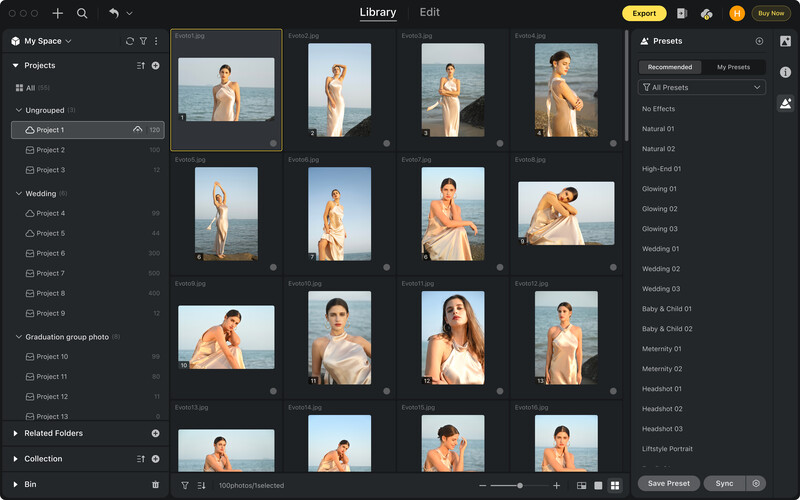
One feature announced today is AI Culling, which selects the best images from a shoot, speeding up the process of looking through thousands of images. The program can detect images that are out of focus, subjects’ eyes that are closed, under- and overexposure, and motion blur, among other things. A new cloud storage space, Cloud Spaces, allows photographers to collaborate with other creatives for approval and modification of edits. Evoto Video was announced but will be available in beta form only for a select group of users before launching in early 2026. Evoto Video will bring features like blemish removal, wrinkle reduction, and even color grading to video using an interface similar to the one Evoto uses for photo editing.
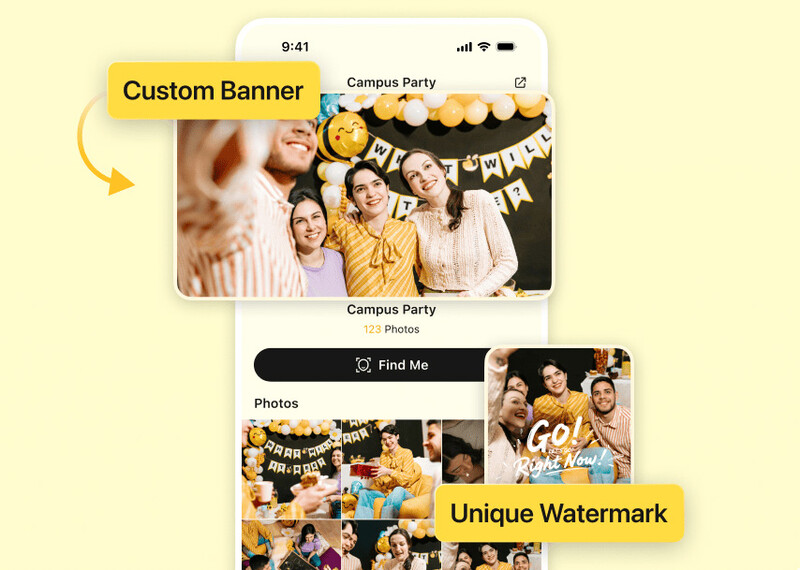
I believe most shooters would find Evoto Instant to be the most interesting addition to the Evoto ecosystem. Using a phone connected to your camera through a USB-C cable, Evoto Instant allows you to instantly transfer JPEG images to the phone for upload to an online gallery. The gallery can be set up at home prior to the shoot and can incorporate your personal branding. You can set download permissions in the gallery. During your shoot, if time permits, you can adjust images individually or apply adjustments across multiple images. Visitors to the gallery can upload a selfie to Evoto so that the program can locate all the photos in which they appear. Clients are asking for images to be delivered in ever-decreasing time frames. Today, a photographer would be wise to deliver images while the event is still taking place.
This platform will be useful to more than just wedding and party photographers. “You also have headshot photographers that go to corporate trade shows, and they've got 300 executives coming through. We have heard overwhelmingly that the faster you can get those images up—the finished images in front of those customers—the more they buy. So, the whole thesis for this is let's build better business tools, and if that is faster delivery, then so be it. How about within a couple of seconds? Yeah. I think that's good,” said Jay.
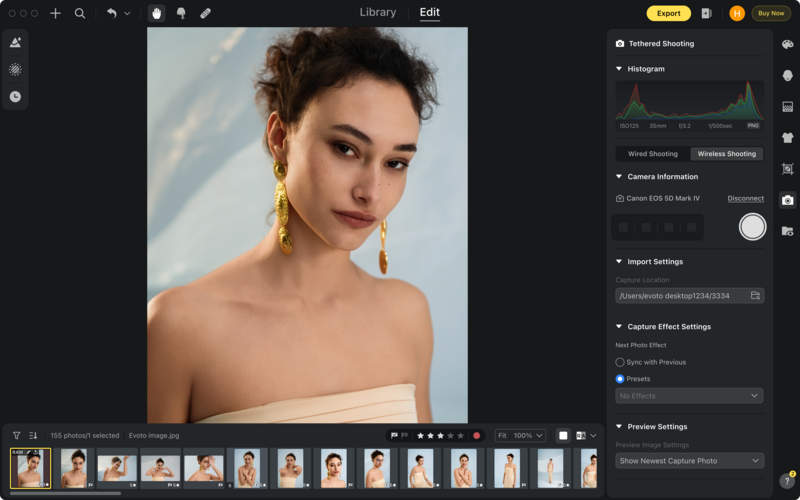
I was most excited by the announcement of wireless tethering. The process of connecting a camera to a computer hasn’t improved much in the past decade. Camera makers appear to have given little thought to improving the workflow. We are still using ugly, imperfect orange cords to transmit images from a camera into a computer that is just a few feet away. Some cameras don’t even write to the card inside the camera once the camera is connected to a computer. Evoto tethering can be done wirelessly if the camera and laptop are both connected to the same Wi-Fi network. Alternatively, the aforementioned orange cord can be used to connect the devices. Adjustments can be made to the images in real time so that the client can view images that look much like they will when they are delivered to the client.
For more information for everything announced today, visit Evoto's Blog.






Join the Fstoppers community for free
-
Post comments and join in the discussions
-
Browse the site ad-free
-
Share your work and get featured in the community
-
Compete in the photo contests for fun and prizes
No comments yet