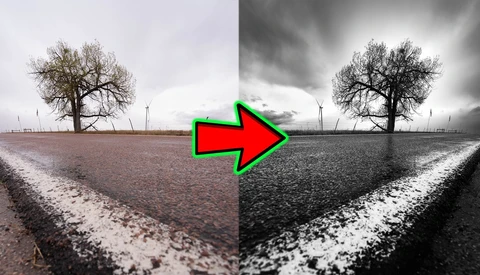
Why One Raw File Can Contain Several Photographs
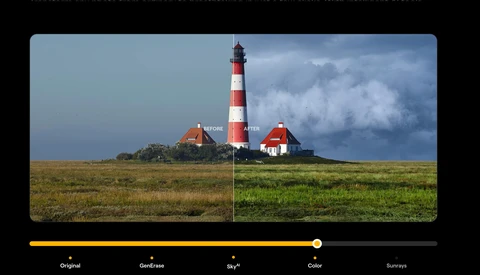
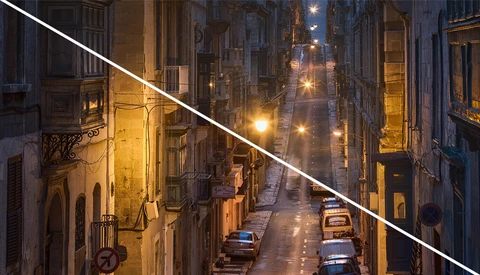
You press the shutter once. A raw file can contain more than one admissible photograph, and the camera shows you only the version it chose.
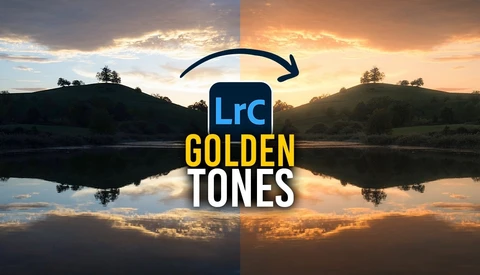
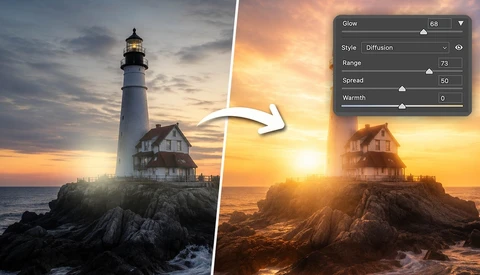
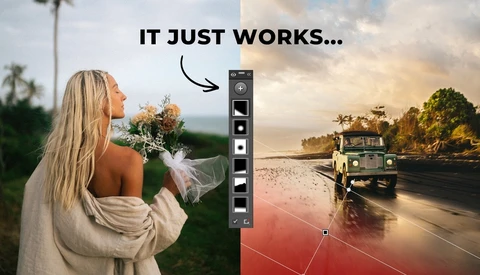
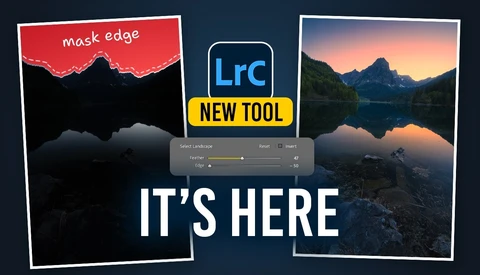
The masking upgrade in Lightroom Classic 15.5 lets you feather and reshape AI masks after you create them, which turns rough selections into precise, believable edits. That single change addresses one of the oldest complaints about automatic masks: they grab too much, too little, or leave a telltale glow around your subject.
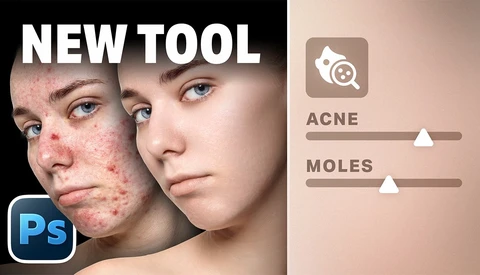
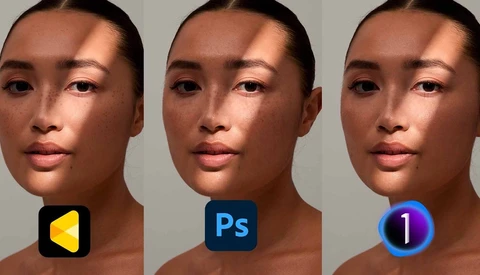
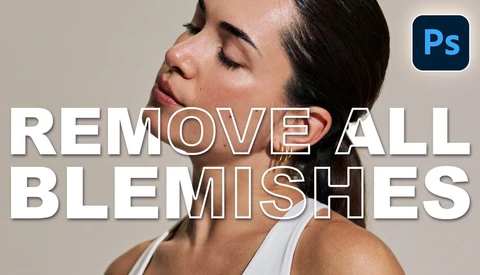
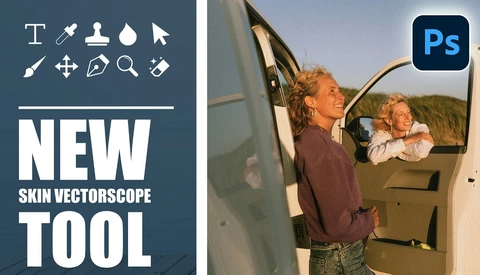
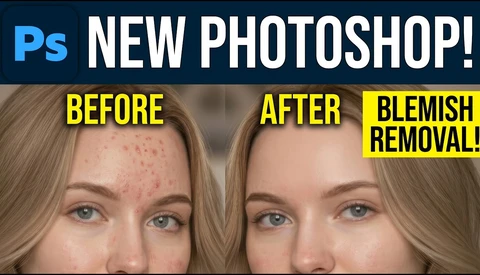
Skin retouching tools usually give themselves away by making faces look plastic. The new blemish removal tool inside Camera Raw takes a lighter hand, and that restraint is exactly what makes it worth learning.
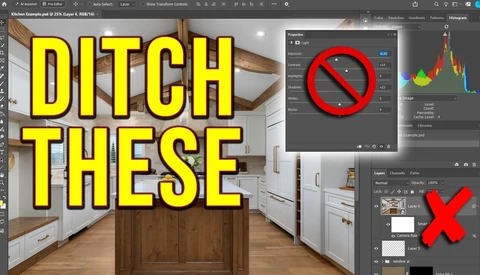
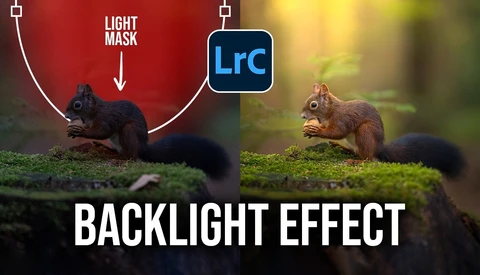
Lightroom's masking tools are the single biggest gap between a flat edit and one that looks professionally dialed in. Most people skip them entirely, and their edits suffer for it.
There's a lot of competition out there for photographers' attention with recent updates of editing software. The big target for competitors is Adobe's ecosystem of programs, and many of my pro photographer friends are pretty locked in on Adobe Lightroom.
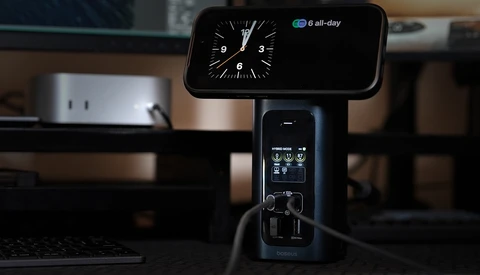
If a docking station can support or charge everything you use on your desk, this might be it. This 15-in-1 docking station powers all your devices safely and efficiently while keeping your desk neat.
Post-processing has long been the most time-consuming part of a photographer's workflow, and the numbers back that up. According to the 2026 Zenfolio State of the Photography Industry report, about 70% of photographers spend between 26% and 75% of their working time on editing. Only 5% of photographers surveyed feel they are managing the stress of running their business well.
Many of today's advanced AI software features require extra subscriptions. This is also true for Photoshop's premium AI models in Generative Fill. But what if you could access the powerful Nano Banana AI for retouching without committing to another subscription? In this article, I reveal a pay-as-you-go method for using cutting-edge AI in Photoshop.
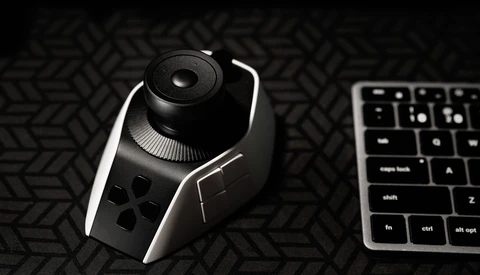
Imagine your editing workflow being enhanced by something that resembles the controllers you once played video games with. That, plus customizable efficiency, is what this editing console offers.
Minimalist photography is harder than it looks. When the summit of Pikes Peak closes due to a storm and your backup plan becomes a flat, windswept stretch of Colorado grassland, the only things separating a great shot from a boring one are patience, the right glass, and knowing how to work with almost nothing.
Here's how you can put the power of a single color to work to make your photos more impactful.
Blackmagic Design has changed the post-production landscape once again. But this time, it's doing so with photographers in mind.
Shooting wildlife in low light means pushing your ISO to uncomfortable limits. Here's how to handle the images in post.
Achieving tack-sharp landscape images from foreground to background is one of the more technically demanding challenges in the field. Focus stacking solves it, and it's more accessible than most people assume.
Getting skin tones right in post-processing is one of those things that separates a good portrait from a great one. The difference usually comes down to a handful of specific adjustments most people skip.
Bad audio can sink an otherwise great video. Whether your guest recorded on a laptop mic, you were stuck near an AC unit, or background music crept into your footage, the fix used to take real technical skill. Now, three AI tools can handle most of it in seconds.
If you've been paying for a Lightroom Classic subscription while quietly wondering whether it's still worth it, DxO PhotoLab 9 is a direct answer to that question. After roughly 15 years of Lightroom as his primary editing tool, Matt Day spent two months with PhotoLab 9 before canceling his Adobe subscription entirely.
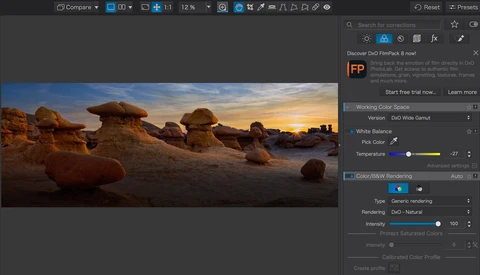
DXO had a big announcement a few weeks ago with powerful new features in their raw image processor PureRAW 6. Now those features have been folded into their powerful image editor, PhotoLab, which gets a version bump to 9.6.
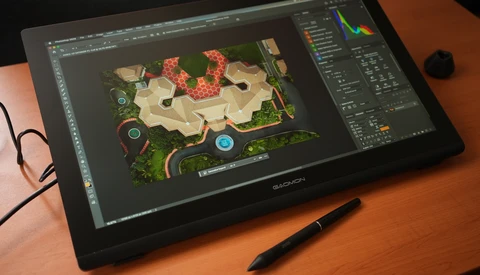
For detail-oriented creative work, the experience is just as important as the process itself. This new-generation pen display from Huion showcases refined features and capabilities.
Culling is the least glamorous part of any photographer's workflow, and it is also the part most likely to quietly devour your evening. Whether you are trimming a 3,000-frame wedding or whittling down a portrait session, the process of deciding what stays and what goes can stretch from minutes into hours if you let it. The frustrating part is that slow culling rarely produces better results. More often, it just produces more indecision and a nagging feeling that you cut the wrong frame.
DxO PureRAW has been a go-to item in the workflow of photographers for years. PureRAW launched back in 2021, designed as a tool to preprocess Raw files before they go into an editor. The software de-noises your image, then corrects for defects in your optical path or the sensor. To do this, DxO maintains an extensive database of lenses and sensors so it can match your equipment to the corrections.
Premiere Pro is no longer called Premiere Pro. With version 26.0, Adobe has renamed it Premiere on Desktop, and that shift comes with tools that could change how you handle masking, transitions, and overall timeline speed.
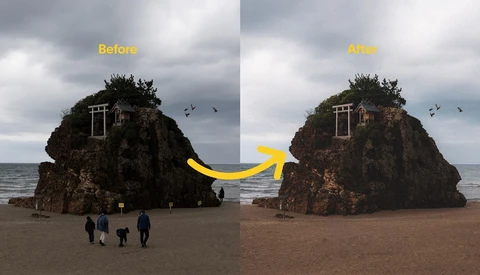
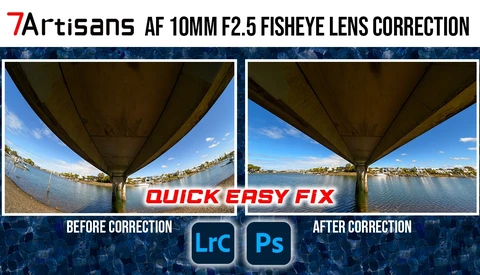
Shooting a landscape with only a 14mm lens can leave you stuck with too much foreground and not enough subject. When the light is right but the lens is wrong, the choices you make in editing decide whether the photo survives at all.
The skills that made you valuable in 2020 are now automated. Here is what matters now.
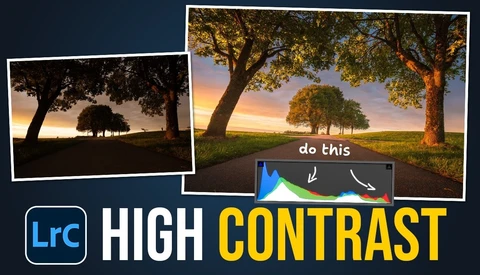
Getting a landscape file to feel deep and directional often comes down to what you do in editing, not what you did in the field. This matters to photographers who want edits that look intentional without turning every frame into a loud, crunchy mess.
Have you ever gone back to look at older images you created? Whether they’re from six months ago or six years ago, there are often elements worth revisiting. As our eyes mature and technology advances, we’re able to see opportunities to refine those images in ways we simply couldn’t before.
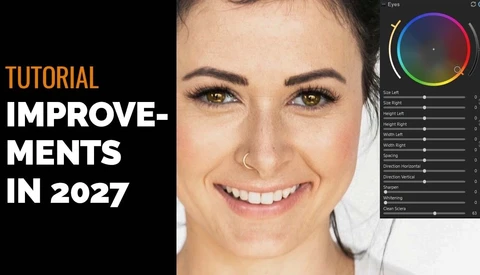
Aperty, professional portrait retouching software, has released a new update designed to integrate more seamlessly into photographers’ existing workflows. Here are the details from Aperty.
This week marks the return of the Sundance Film Festival to Park City, Utah. The festival showcases dozens of new documentaries, shorts, and feature presentations, as well as a variety of panels of interest to independent filmmakers. According to Adobe, 85% of films at the festival will have used Adobe Creative Cloud tools, so it comes as no surprise that Adobe chose this week to announce new features in its flagship editing program, Premiere Pro.
CYME has just announced Peakto 2.6, the latest version of its AI-powered media manager for Mac, introducing what is now the most comprehensive AI-driven culling and deduplication tool available for photographers and visual creators.
We all want our photos to pop. That desire drives us to experiment with sliders, presets, and AI tools that promise to transform our images into something extraordinary. But there is a fine line between "enhanced" and "radioactive," and most of us have crossed it without even realizing it. Your desire to make a better image is not the culprit. The problem is that when you push too hard, the image loses its anchor in reality, and the viewer stops looking at the subject and starts looking at the editing itself.
While gear reviews can offer a lot of secondhand insight and opinion, there’s nothing like being able to try out the camera for yourself. While there is no way for us to let everyone interested try out the camera physically, this might be the next best thing.
Current owners of Luminar Neo are getting a holiday update with some new and unique features. Besides the usual bug fixes and some speed increases, Neo has added what they call an AI Assistant.
Switching away from Photoshop sounds tempting until you hit the parts of editing that punish you for being slow or slightly sloppy. If you shoot in rough light, push exposure hard, or do regular cleanup work, the gap between “good enough” and “clean” shows up fast.
If you shoot Fujifilm and you care about getting a finished look straight out of camera, the difference between film simulations and recipes changes how you set up every shoot. Get it wrong and you either lock yourself into a look you did not mean to commit to, or you spend time “fixing” files that never needed fixing.
When video became the main way to capture attention, the environment for photography began to disappear. To survive, it must once again become an object, not content.
Affinity is now completely free, and the video shows how to use it to build full edits without paying Adobe. If you wonder whether you can cut Lightroom Classic and Photoshop from your workflow, seeing this process in action gives you a clear sense of what you gain and what you give up.
“Why does that dog look green?” From that startling comment, my parents discovered that I was red-green colorblind. But is it possible to be a colorblind photographer? We examine this interesting dilemma.
You spend hours dragging sliders when you would rather be out shooting. Cutting that processing time in half starts at the moment you press the shutter. Treating capture as a deliberate commitment instead of a casual tap changes how consistent your files are and how long you stay stuck at the computer.
Your fancy camera is useless if your display’s colors aren’t accurate. For all you know, you might be looking at an entirely different image. Here’s how the new entry-level Datacolor Spyder Express has come to meet you halfway.
When you’re reading this, I am in Tokyo, Japan, visiting the gallery opening of the 2024 Fujifilm GFX Challenge Grant winners. In late 2024, I got the message that my pitch was selected and I would be getting $5,000 to photograph Canadian drag performers! A dream come true! Read on to find out about my pitch, the selection process, and how I captured the images!
Skylum has announced a significant fall update for Luminar Neo coming in early November.
Pen tablets are probably the only precision tools shared by photographers and illustrators, and they play a key role in the creative process. However, they could never really be that functional without a keyboard or mini keyboard on the side. This aims to change that.
Zoner Studio is rolling out its highly anticipated fall update today, bringing a suite of intelligent features designed to help photographers spend less time culling and more time creating.
Peakto is releasing a 2.5 update to its excellent media management tool that frees it from the cloud while allowing robust search of all your media assets and enabling team sharing.
Today, we’ll have a look at the brand-new color calibration tool from Datacolor: the Spyder Express.
For photographers seeking the perfect balance between in-camera creativity and personal style, the quest often leads to a crossroads. On one hand, you have the instant gratification of in-camera film simulations offered by brands like Fujifilm, which deliver stunning, ready-to-share images straight out of the camera. On the other hand, there's the professional's need for a consistent, personalized aesthetic, often achieved through meticulous post-processing and custom presets.
If you’ve dreamt about editing and retouching on a large screen with a pen, this might be the perfect time to achieve that because new-generation pen displays have arrived, and they’re now as good as, or probably even better than, your computer monitor.
AI-based software company Evoto held its first-ever live-streamed event today to announce its latest build, Evoto 6.0, featuring numerous powerful updates designed to streamline retouching for photographers. Evoto Instant, a new platform aimed at event shooters seeking the fastest possible turnaround and delivery of their images, was also announced.
Maybe you can relate to this. You have filing cabinets full of negatives and transparencies you shot back in the film days that have remained untouched for decades now. What do you do with them? I’ve tried various scanners over the years, and none have given me the results I want. So I stopped bothering and continued to let them sit in their dark tombs, unloved and forgotten.
AI tools for editing are becoming more advanced, and some of them promise results that would have taken hours only a few years ago. Are they ready to compete with Photoshop?