The End of Adobe’s Monopoly? Why Creatives Are Switching
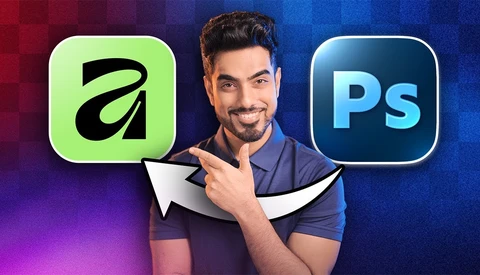
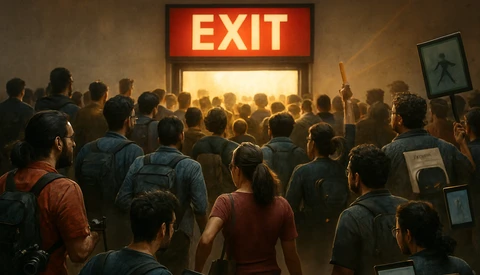
A growing number of photographers and creatives, once loyal to Adobe, are walking away. Is this the slow decline of Adobe's monopoly on the creative world?
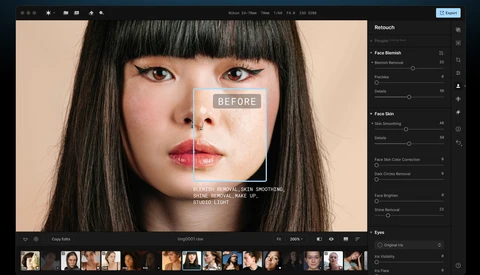
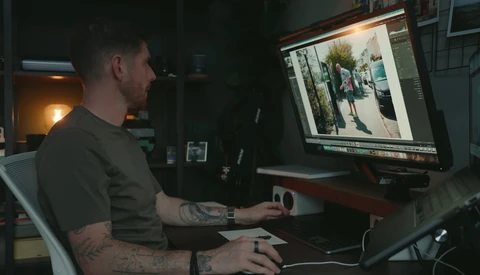
There is an ever-increasing number of features added to our cameras, designed to simplify tasks such as focusing and determining the correct exposure. I love the process of taking pictures, and this move toward a reliance on automation is of little interest to me. However, I am far more skilled at taking photos than editing them, so I welcome Adobe’s determination to simplify tasks like removing objects, adjusting color, or smoothing skin.
Is there a difference between blending and compositing in post-processing? Some photographers make no distinction between the two. But for many, there's a notable difference. It can represent the difference between deception and handling noise or dynamic range.
As AI tools improve, we all have to ask: What kind of creativity do we value most? Is it the idea? The process? The perfection or the imperfections? That’s not a bad thing. It’s a sign that art is still evolving.
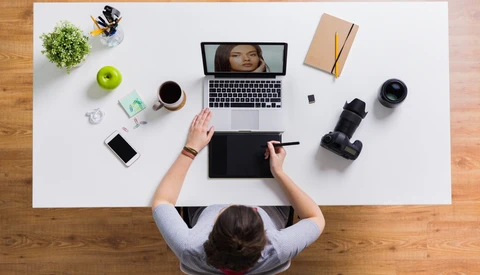
Editing photos doesn't have to feel like a chore you dread. Instead, it's possible to streamline your approach and eliminate the clutter that's keeping you stuck at the desk.
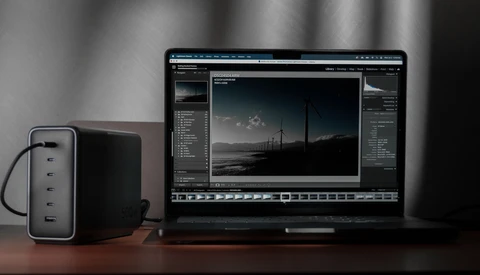
You alone probably don’t need a charger this powerful, but if you work with other creatives in a team, this new GaN charger from UGREEN should probably be on your table for efficient, organized, and safe charging.
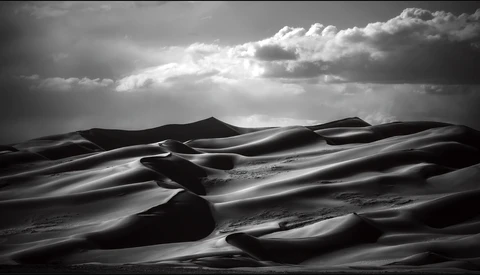
Converting color images to black and white in Lightroom often produces flat, uninspiring results that lack the punch of dedicated monochrome cameras. The secret isn't in expensive hardware but in understanding how to properly handle the conversion process and subsequent editing workflow.
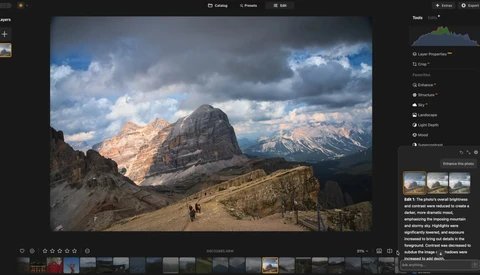
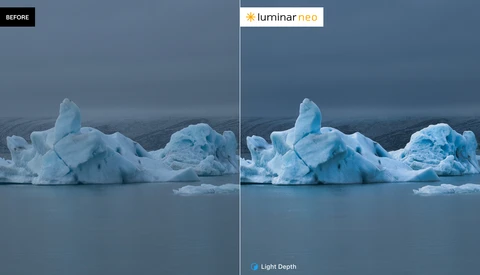
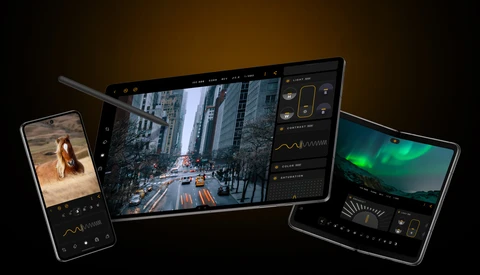
I've always been skeptical about the introduction of AI into popular applications such as Photoshop; however, as time went on, I started experimenting with specific features, and eventually, Luminar Neo emerged as a standalone and plugin app for Photoshop and Lightroom. Naturally, my curiosity was piqued, and I had to test it out. To my surprise, I found it so helpful that I wondered why I had been using Lightroom in the first place.
Modern photo editing software offers unprecedented creative control, with thousands of filters, adjustment options, and effects available at the click of a button. Adobe Lightroom alone provides over 100 adjustment sliders, while apps like VSCO offer hundreds of preset filters. Instagram and TikTok have democratized photo editing with dozens of built-in options that users can apply instantly.
Adobe has released, without fanfare, a work-in-progress camera app for iPhones that shows tremendous promise, and I think it will excite photographers. The app is part of Adobe's Indigo Project.
I’ve been a fan of SanDisk’s portable Extreme Pro SSDs for many years. When I travel with my laptop, I take a couple with me so I can back up my photos and videos each day. The ones I’ve been using transfer data up to 2,000 MB/s (sustainable read and write speed). They’re also very durable, with good water and dust resistance (IP65).
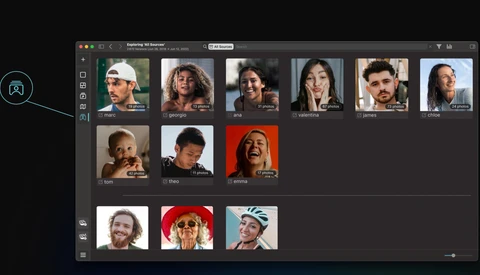
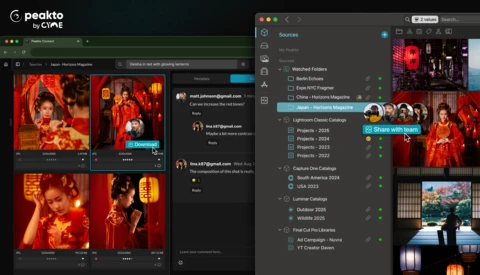
Peakto has been a premier Mac app for organizing and finding photo assets, using AI and metadata to quickly find images no matter where you have hidden them. Now, they are adding powerful collaboration tools and tools for pre-editing video, and we know a lot of our readers are also creating videos as well as still images.
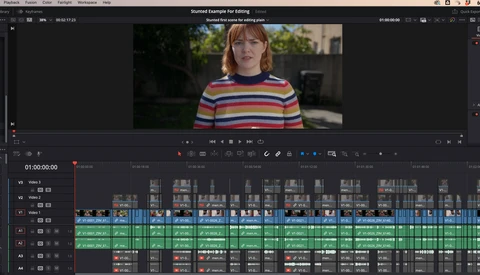
Today, we will take a look at new tools inside DaVinci Resolve Studio that help improve efficiency in the early stages of your editing workflow.
Editing black and white photographs effectively isn't as simple as flipping a switch in Lightroom. Getting the process right has a significant impact on the quality and authenticity of your final images.
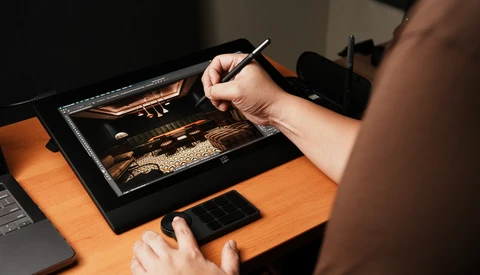
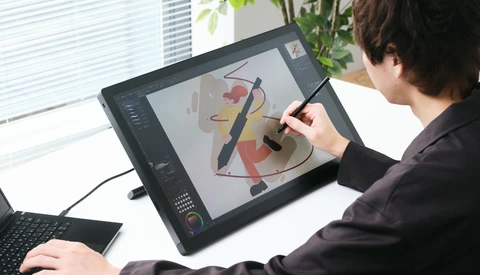
Wacom’s Cintiq line offers precision illustration and editing pen displays with high-resolution screens and reliable color accuracy. These three new options take them to a whole new level.
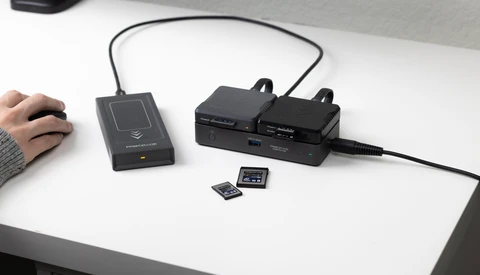
The Thunderbolt and broader USB-C hub space is crowded with options from budget to premium, offering a dizzying array of ports. ProGrade, makers of excellent high-performance storage, are diving into this space with their first hub: a Thunderbolt 4–based hub designed around their card reader ecosystem. Does this hub have what it takes to stand out from the crowd?
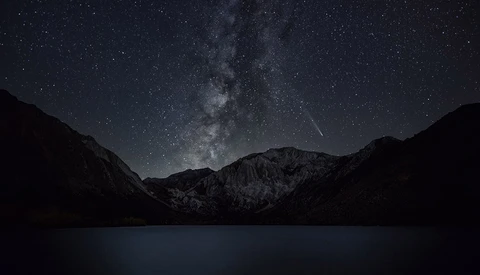
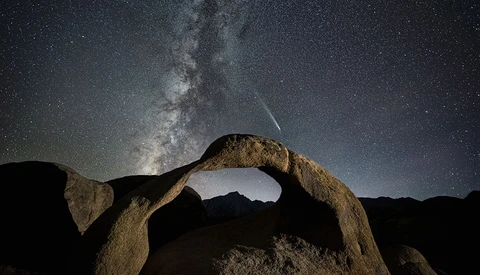
Adobe's new Adaptive Color Profile uses AI to analyze an image, adjusting color, tone, and contrast of raw images. Unlike presets, Adaptive Color Profile is not a "one size fits all." How would it work with night photography images, which are notoriously difficult for AI to interpret?
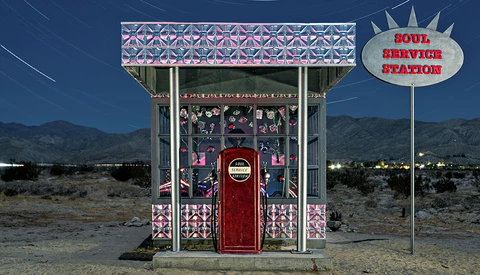
An unusual Soul Service Station in the desert. Long streaking stars. Surreal light painting. We take you behind the scenes to reveal how you can also create photos such as this.
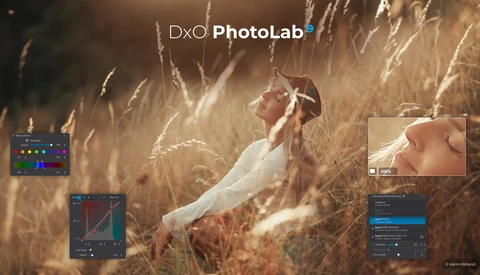
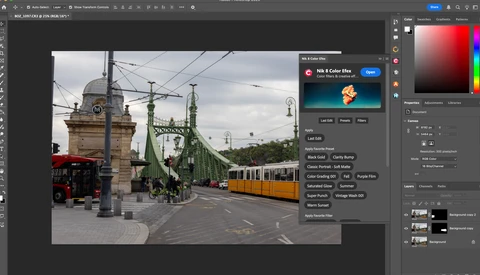
The Nik Collection has been a powerful and useful tool for photo editors since DxO rescued the software from Google in 2017.
More is sometimes less. High dynamic range can be great for bringing out the details in your photographs’ shadows and highlights, but it can also make them look rather flat, clinical, and lifeless. If you want to give your images impact and emotional depth, consider trying high contrast instead.


Panorama photography presents unique challenges, both in the field and during post-processing. For years, PTGui has been a favorite powerhouse tool for photographers needing more control and better results than the basic stitching tools provide. Now, with the release of PTGui 13, this already excellent panorama stitching software gets a significant update, focusing on a streamlined DNG-based workflow, performance boosts, and useful new features. Is it worth the upgrade?

Skylum is rolling out a spring update to their popular AI-based editing program, Luminar Neo. Users should start seeing the update today when they launch the application.

Affinity Photo 2 offers powerful tools to enhance your raw images quickly and accurately, giving you professional results without the complexity or high cost of other software.
Photographers know that working smarter means more time snapping shots and not being stuck behind a screen. But for newbies, finding an editing style can feel like a never-ending puzzle. Luckily, The Presets Room is here to save the day—offering quick, pro-level edits so you can spend less time clicking and more time creating.
We spent some time on the new DxO PureRAW 5 when it was announced in February, but now it's out and I've had a chance to give it a run.
Culling is an essential part of a photographer’s workflow. However, sorting through thousands of images takes up precious time and focus. This article looks at how AI-assisted tools like Imagen’s Culling Studio help speed things up without losing creative control.
The ingest process is rarely the most glamorous part of being a photographer or videographer. It can often feel like a bottleneck, especially when you're juggling multiple card formats, dealing with slow readers, or fighting a tangle of dongles after a long shoot day.
Affinity Photo 2 offers powerful editing capabilities at a fraction of Adobe's subscription cost, making it an increasingly popular choice for photographers looking to break free from monthly payments without sacrificing editing power.
Knowing how to quickly achieve professional results without sacrificing quality is crucial when editing portraits, especially when you have limited time. Here's how to do it.
Adobe has been at the forefront of incorporating AI-based technology into its platforms, with the goal of allowing more people to take an idea from conception to finished product. Today, Adobe is announcing the incorporation of agentic AI across many platforms, including Acrobat, Express, Premiere Pro, and Photoshop.
Artificial intelligence isn't just for Photoshop anymore—Affinity Photo 2 is stepping into the game, aiming to offer powerful selection capabilities.
Adobe recently raised the monthly price for its photography subscription again. For many, this raises questions about whether subscription-based software remains the smartest choice for editing photos.
Two monitors in one? This unique stacked dual monitor offers to boost your productivity even with limited desk space. But can it be used for a photographer’s work?
For those Nikon users who prefer to use Adobe Premiere for your workflow, a major new compatibility announcement should make your life quite a bit easier.
Using a NAS for editing has a lot of benefits but might not be as simple as it sounds. Here are the things you need to know and consider.
In his latest video, Greg Benz shares some surprising raw editing results. The seemingly same setting can have drastically different effects, depending on how you apply it in Camera Raw or Lightroom.
Color manipulation can make or break your image editing process. The ability to target specific colors in particular areas of your image provides creative control that basic sliders simply can't match.
Editing photos professionally on an iPad is now practical, thanks to Lightroom's advanced capabilities. Here's how to streamline your workflow, allowing you to spend less time managing files and more time creating compelling images.
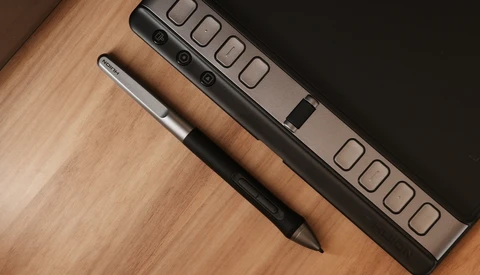
It’s about time that pen tablets and pen displays caught up with the portability of the computers we use for editing. The Wacom Movink allows you to bring the convenience and precision of pen displays anywhere your work takes you.
For Mac users, Peakto software has always been one of the premier solutions for cataloging and easily finding your media because it automatically sorts your media as it comes in, using AI to help you find images by content, colors, time of day, camera settings, and many other attributes.
Choosing between raw and JPEG when shooting directly affects how much freedom you'll have later when editing. Understanding this choice helps ensure you capture images that match your vision and reduces potential frustration during post-processing.
Capturing accurate color in real estate photography isn't as straightforward as tweaking white balance sliders. Colors often trick your eyes, impacting your photos more than you realize.
Fine art photography isn't just about capturing images; it’s equally about how you shape those images afterward. This type of editing transforms your work from ordinary captures into striking, artistic visuals that truly stand out.
took a look at the first version of Color Theory Pro last year and found it interesting and useful. Now, version 2 is out, and I find it more interesting and more useful.
This pen display doesn’t seem too different from the older generation, but its subtle new advancements might actually be worth a close look. Depending on your use case, this might be much closer to the perfect editing tool for you.
Editing portraits is about more than adjusting sliders—it's understanding how subtle choices shape your final image. Getting comfortable with Lightroom can make your portraits look more intentional and polished.
If you want to learn how to get better colors in your photos, then this video by Todd Dominey is for you.
When we think of AI editing tools, it’s easy to get caught up in flashy features like Generative Fill or the Remove Tool. But did you know there’s a whole world of lesser-known AI-powered tools in Photoshop and Lightroom?
I have to say that on many days, I find myself using a DxO product—most frequently, their PureRAW software, which looks at my image metadata in my RAW files and gives me a near-perfect image, correcting my sensor/lens combination, sharpening, and removing imperfections like vignettes and ringing. DxO has more than 100,000 camera/lens combinations covering almost any gear. Even both my DJI drones are covered by DxO.
If you’ve ever wanted to dive deep into the entire process of editing a photo—from raw files to final stylization—this video is a must-watch. It’s a thorough tutorial that walks you through every step, and trust me, it’s packed with insights.