Post-Production

Post-production is where raw files become finished images — and for most photographers, it's where a significant portion of their working time goes. This section covers the full post-production process: from culling and raw processing to retouching, color grading, and the workflow systems that keep a high volume of work manageable without sacrificing quality.

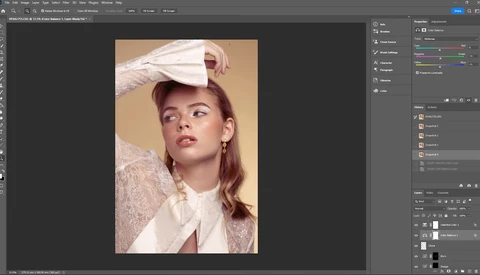
How to Use the Modern Frequency Separation Method in Photoshop

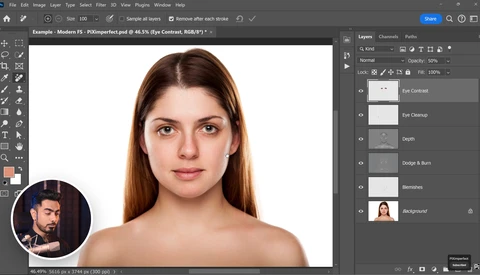
For those who have been editing portraits in Adobe Photoshop for a while, frequency separation is likely something you'll be aware of. If you haven't, it is a technique used for skin retouching. The most modern way of performing this technique is better and easier than ever.

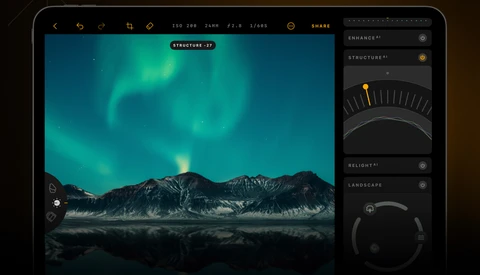
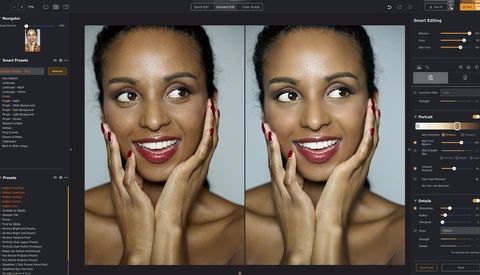
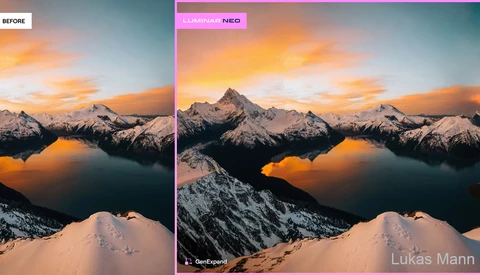
Luminar Neo Adds Generative AI to Its Photo Editing Software

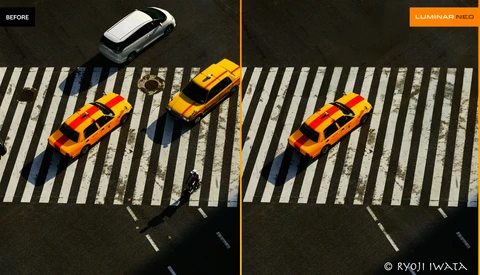
It was inevitable considering the evolution of photo editing, so Skylum is adding key AI features to its very popular Luminar Neo editing software. The new features include GenErase, GenExpand, and GenSwap. The new tools will be released one by one throughout October, November, and December, starting with GenErase on October 26, 2023.

A Quick Rundown of All the New Lightroom 2024 Features

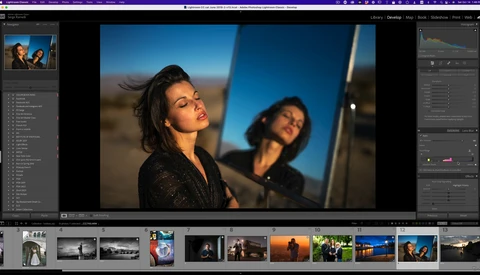
In the past few months, Adobe's suite of software has rocketed forward with features, most of which are AI-powered. Now, Lightroom 2024 has a plethora of new functionality that could be useful to you, so here is a quick rundown of what's new and what each addition does.

Important Photo Editing Fundamentals for New Photographers

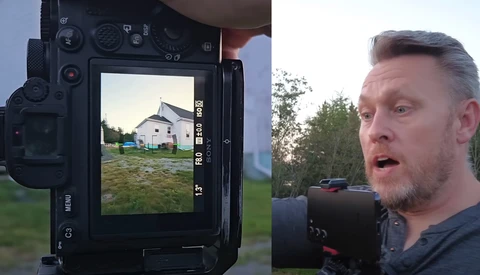
Creating a successful image is almost always a two-step process: shooting and editing. As you grow comfortable with your camera, you should also work on developing your post-processing skills. This excellent video tutorial features an experienced photographer sharing some of the fundamentals of editing photos and offering some helpful advice sure to put you on the right track.

A Closer Look at Luminar Neo Pano Stitching

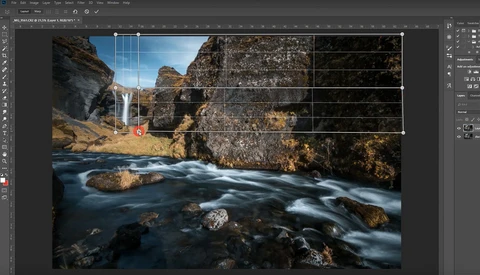
Shooting panoramas can be a highly rewarding exercise. However, there is always the dread in the back of my mind as to whether I will be able to stitch it correctly when back in my editing suite. I, for one, have had this challenge with an image that I thought was going to be a banger, only for the horizon to slope off or for an important part of the foreground or sky to end up not stitching, resulting in a scrapped image.

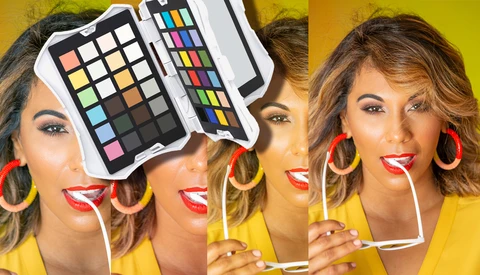
Simply Undefeated: We Review the Datacolor Spyder X2 Elite

If you haven't calibrated your monitor recently — or perhaps ever — you may not realize the impact it can have. It is a rather dry topic and you might want to allocate those dollars toward a new lens, which I understand, but a color-calibrating tool is an essential piece of kit and Datacolor are the best in the game.

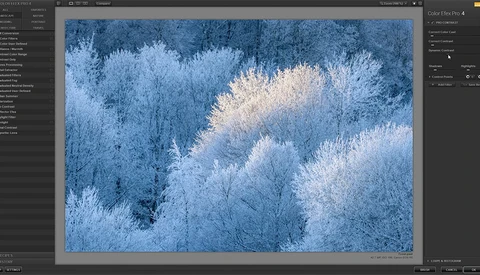
DXO Is Back With a Solid Update to Nik Collection Version 6.3

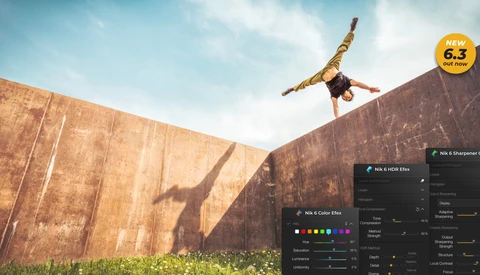
I go way back with the Nik Tools software. I bought the set before Google snapped it up, then they let it sit virtually idle. DXO got it six years ago and have added their own deep knowledge of photo editing and, I think, fulfilled the dream of what the Nik Collection should be. 

Buying Versus Building a New Editing Computer

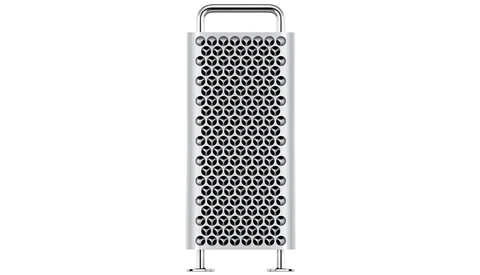
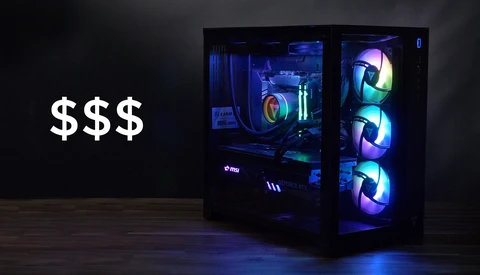
Getting a new editing computer can be a confusing process. How do you know when to upgrade? What kind of computer do you get for different kinds of editing? Do you build one or buy one? Well, I hope to answer those questions here in this article in a way that will match your specific situation.

A Simple Guide to Focus Stacking

Focus stacking/bracketing consists of taking several shots of the same frame (in this case, a landscape) at different focus points within your frame to ensure sharpness throughout. Is it necessary? In most cases, no, as an aperture above f/9 will typically cover any slight variations in depth of field. However, if you are using an ultra-wide lens with subjects close to the lens and a large distance between the foreground and background elements, it is beneficial to ensure sharpness throughout.

3 Simple Steps Every Photographer Can Take to Immediately Improve Their Compositions

The mistakes you make in life, including photography, leave a tart, bitter taste in your mouth, especially when they’re your fault and entirely avoidable. The solution? Don't make them. Here are three easy steps photographers from any genre can implement to immediately improve compositions and eliminate unnecessary errors.  

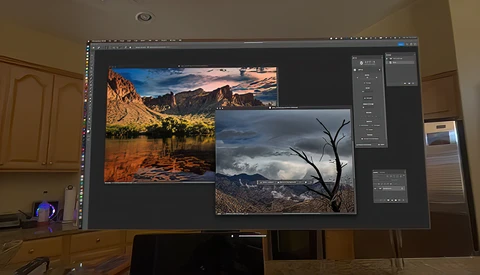
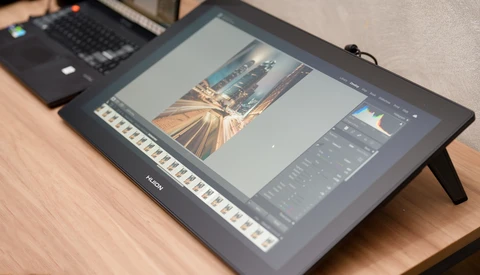
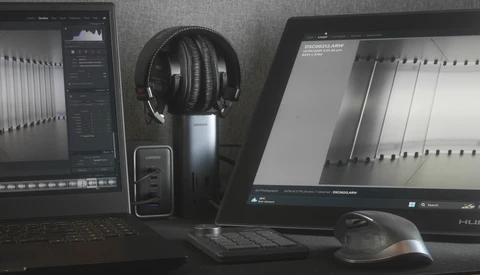
The Ultimate Desk for Creators

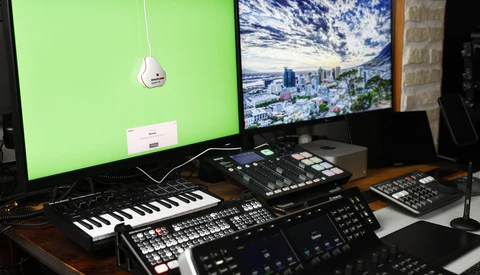
Like a lot of creatives, finding that perfect desk setup is sort of like searching for the holy grail. But after a lot of searching, I think I found mine. 
Are You Retouching Your Photos Too Much?

We all work quite hard to develop a range of post-processing techniques to help us realize our creative visions and to satisfy the needs of clients, but one thing that even experienced photographers struggle with is knowing when to stop retouching. If you find yourself unsure of how far to take your post-processing, check out this helpful video tutorial that features an experienced portrait and beauty photographer discussing philosophies of retouching and how to know you are doing just the right amount.

Should Professional Photographers Fear AI In Photography?

Photography is an art form that constantly evolves, and with the rise of artificial intelligence (AI) software, many professional photographers now face a common question: Should they fear AI in photography? 

Photoshops New Next-Level Retouching Tool

With their latest updates to Lightroom and Photoshop, Adobe has shown that they are serious about extending their software with AI capabilities. I was already impressed by the new Noise Reduction in Lightroom. And as Nick Page shows in this video, Photoshop also has a new, impressive AI feature.

5 Editing Mistakes That Make Your Photos Look Amateur

Post-production of your photography can feel like a minefield when you first start; overwhelming, endlessly complicated, and confusing. In this video, Pat Kay goes over five common mistakes that can ruin your images.
Astro Panel X Pro's Latest Version Should Please Astro and Landscape Photographers

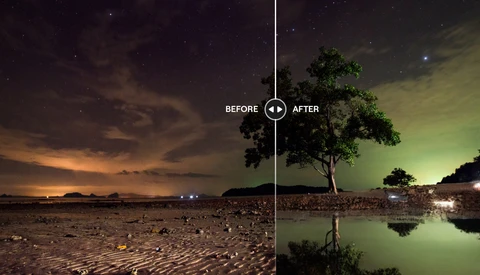
I've taken a look at some earlier iterations of Astro Panel over the years, a plug-in designed for automating and enhancing both astrophotography and landscape photos. I found it a powerful addition to my editing arsenal, and it was easy to use but could do some very sophisticated editing. This new version from photographer Angelo Perrone adds more than 80 new astrophotography and landscape functions, as well as some features to support portrait editing.

Why You Should Perform Focus Stacking in Your Next Product Photoshoot

In my previous article, we talked about the technique and tips for performing focus stacking for e-commerce shoots. In this article, we will further expand into discussing the advantages of using focus stacking techniques, apart from the obvious reasons of getting the entire product to be in focus. There are a few more logical reasons and advantages behind focus stacking.

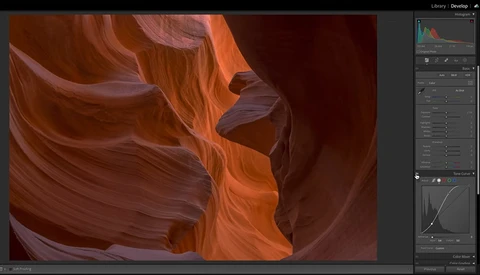
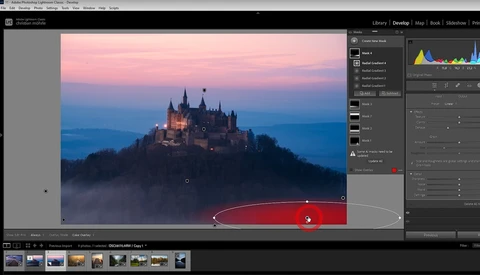
The Excellent Change to the Curves Tool in Lightroom

Adobe Lightroom was once where you imported all your images into collections and then made some small tweaks before exporting to Adobe Photoshop. Now, it is a complex beast in its own right and can manage entire post-production workflows in some instances.

Three Fantastic Uses for the Remove Tool in Photoshop

The Remove Tool in Adobe Photoshop is a very handy tool, but did you know it can do more than just remove? In this video, PiXimperfect shows us three brilliant ways to make the most of this tool to make your editing workflow even easier.

Testing Luminar Neo Extensions

I wanted to share with you my experience exploring the new extensions available in Luminar Neo, photography software that many of you may already be familiar with. These add-ons offer specific functionalities to enhance your photographs and are each sold separately. 

Focus Stacking on Steroids

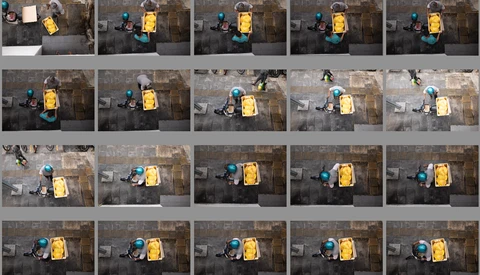
With the advancements in camera technology and software, focus stacking has never been easier. You can now even stack complex woodland photos without significant difficulty. In this article, I share how to approach such scenes.

Is Photography Dead? The Relentless March of AI

With Adobe's latest beta offering what they call Generative Fill, we're given a very powerful feature that lets us create or undo what is in our images. And I think features like Generative Fill are causing another round of soil searching, praise, and panic from photographers. I've tried to put my own thoughts in order, so I'm humbly sharing them, even though my thoughts will continue to evolve, or maybe devolve. I also wanted to create a forum in comments for your more recent thoughts as AI becomes more and more mainstream.

Easy Focus Stacking Technique for Sharper Ecommerce Photos

Ecommerce images represent a product on the web to provide potential customers with an accurate representation of the products. Therefore an efficient workflow that enables you to get an image of a product that is fully in focus is extremely crucial. Check out this article to find out how easy focus stacking might be the answer for you if you find yourself struggling with focusing issues.

Nik Collection 6 Is Out With Some Solid Updates

Today, DxO is releasing a revamped collection of editing tools that works as either a Photoshop plugin or as a standalone app. They also can function with Lightroom Classic, Affinity Photo and, of course, DxO PhotoLab. 

A Guide to Retouching Portraits

Of course, knowing how to light and pose a portrait is essential to creating a successful image, but the process does not end there. Having an effective, structured, and efficient post-processing workflow will help ensure that you can create polished shots every time. This helpful video tutorial features an experienced portrait photographer sharing his workflow.

Why You Should Edit Your Older Photos

Do you edit your photos, post them, and leave them to sit on your hard drive, never to be touched again? If so, you might be missing out. This great video features an experienced photographer discussing why you should consider digging into your portfolio to pull out those older photos to edit again. 

Google Photos Tests Game-Changing AI Photo Transformation Tool

Google Photos is pushing the boundaries of image editing, testing a new feature that uses generative AI to transform photos in a groundbreaking way. Last week, I talked about Google Photos's revolutionary changes to their search feature, and today, we're going to explore the editing features themselves. Named the "Magic Editor," this innovative tool promises to offer a level of manipulation that allows users to make drastic changes to their photos seamlessly.

Mylio Photos Is Relaunching as a Free App

Mylio Photos is about to be reborn as a free app with some options that will have a price attached. Mylio Photos is a complete photo management solution that allows users to easily collect, organize, browse, search, and share their media files, including photos, videos, and documents.

Cull and Edit an Entire Wedding in One Hour with Aftershoot

We've recently reviewed a lot of different programs that allow users to "train AI" to edit like they do in Adobe Lightroom. Aftershoot is the latest program to do this, but it has a few significant features that make it stand apart. 

Simple AI Tools Anyone Can Use in Their Photos and Videos

You cannot move for articles and videos about AI at the moment, but this is for good reason. Rather than heralding in the apocalypse, this video points out some of the simple and integrated AI tools that you can use in your post-production.

5 Ways to Speed Up Your Photo Retouching

Retouching can be a very time-intensive process, and as such, it is well worth finding ways to streamline your workflow wherever you can. This excellent video tutorial features an experienced pro sharing five ways you can make your post-processing workflow more efficient. 

Editing Tips That Can Transform Your Photos

Sometimes even the most beautiful moment captured doesn't quite translate into the final image. In these circumstances, it might be a mistake you made while shooting, but it could also be something that can be fixed in post-production.

Why You Should Use Presets as a Pro Photographer (I Was Wrong)

My first-ever article on Fstoppers condemned the use of presets and inspired photographers to focus on creating their own color grades and styles. Looking back, I still stand by some of those points, but not all of them. You see, while using presets is bad, creating your own presets might actually be beneficial to your photography and editing workflow.

Compositing Portraits With AI-Generated Images

AI is the most talked about subject on the internet these days, with many fearing its impact (and rightfully so), but for now, we ought to see how we can harness it. In this video, Aaron Nace of PHLEARN combines a portrait with images created on Midjourney, the AI image generation software.

Luminar Neo Delivers a Stealth Update With Some Powerful Features

Current Luminar Neo users are in for a treat the next time they open the app, which has quietly hit version 1.8.0. Some of the updates are evolutionary, and there's the usual gaggle of bug fixes, but there are some really nice updates here that will please Neo users.