Post-Production

Post-production is where raw files become finished images — and for most photographers, it's where a significant portion of their working time goes. This section covers the full post-production process: from culling and raw processing to retouching, color grading, and the workflow systems that keep a high volume of work manageable without sacrificing quality.
Amazing Black and White Fine Art Photo Editing

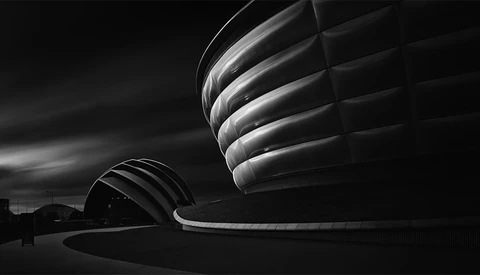
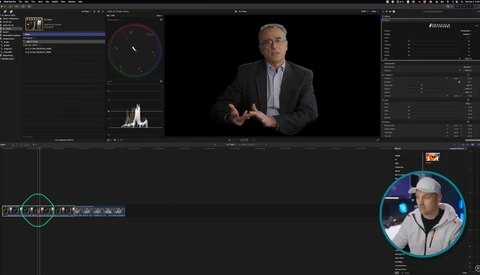
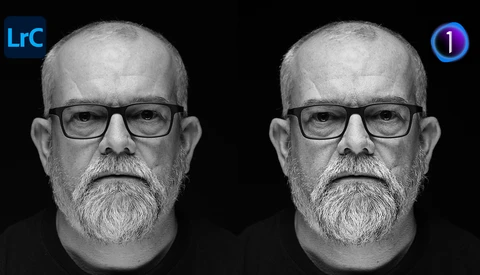
I've long been fascinated by the work of Joel Tjintjelaar and Julia Anna Gospodarou. Those two are among the pioneers of a popular editing style for black and white architecture photos that is very graphical and introduces strong contrasts and lighting that feel surreal. In this fantastic video by Ben Harvey, you learn how such images are created.

Peakto Integrates Pixelmator Pro, With DXO Links on the Way

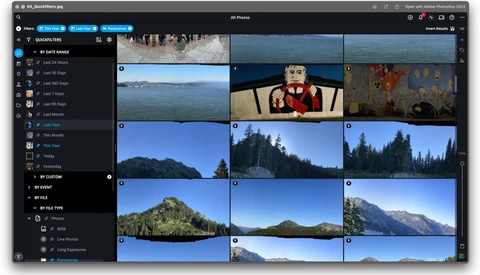
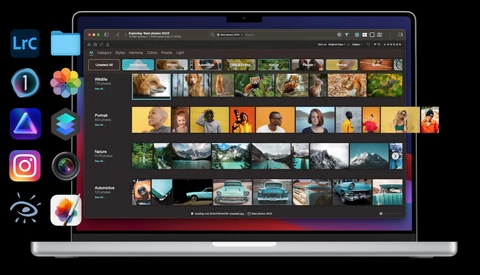
I gave a favorable review to Peakto a couple of weeks ago, and one thing I noticed is that they do frequent updates, which is a positive thing in my view. Bug fixes and new features are frequent. Today, they've offered an update to Peakto that includes integration with Pixelmator Pro, a popular photo editor. Peakto, please note, is a Mac-only application.

Fix Your Photos With Selective Image Transformations

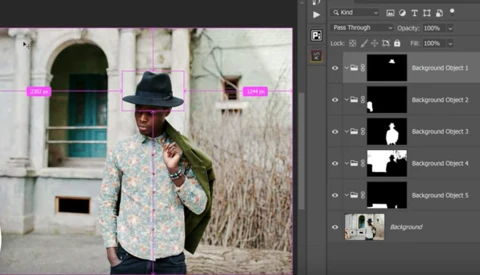
As you learned in my articles about editing mistakes, too strong image transformations can harm the quality of your photos. But if you use them selectively, they can be of great help. In this article, I show how to use selective image transformation in Photoshop to fix compositions.

Is This a Real Photograph?

Photography has often been described as the capture of light on a sensitive medium and its reproduction. But what happens when there's a significant amount of manipulation before the final image can be created? Even more importantly, what happens when this is instantaneous and seamless? Is it a photograph that you've just taken? These are questions that we will have to answer for ourselves in the near future.

5 More Photo Editing Mistakes to Avoid

In a recent article, I shared a selection of easy-to-avoid photo editing mistakes. Today, it's time for five more. Some of them might sound obvious, while others are more subtle. What they all have in common: they can ruin an otherwise great edit.

Avoid These Five Photo Editing Mistakes

Photo editing is a powerful tool that allows you to transform your images in many ways, from enhancing the atmosphere in a photo to increase of image quality. However, common editing mistakes can negatively impact the final result. In this article, we'll explore five of those.

5 AI Tools You Can Use for Video Editing

The rise of AI has been slow and steady, but if you haven't been watching, it might seem rather sudden. Nevertheless, it extends far beyond ChatGPT and rather than fear it or scoff at it, here are some ways you can harness its power for your own ends.

The Secret Sauce to More Effective Photographs

Have you ever experienced being delighted about the outcome of your photographs but ended up getting a different reaction from your audience? Here’s a step that might help you curate your images better.

How to Unlock the Full Potential of Your Photos With Topaz Photo AI

While I'm not fond of using AI to replace the creative process, I think it is incredibly helpful in enhancing image quality. With the right AI tools, you can rescue photos that may have been unusable otherwise. Topaz Photo AI is such a tool, and in this article, we look at its capabilities, limitations, and ways to get the best results.

Should You Shoot JPEG as a Professional Photographer?

Can you shoot exclusively in JPEG as a professional photographer? Check out our interview with award winning wedding and portrait photographer Scott Robert Lim, as he explains why he's been shooting only in JPEG for over 23 years.

5 Reasons You Should Switch From Lightroom To Capture One in 2023

In a lot of my articles, I go on about how incredible Capture One is and how every photographer (with a few exceptions) should switch from Lightroom to Capture One.  In this article, we will finally take a deep dive and see for ourselves why it’s worth considering the switch in 2023.

Which Is Best for Fuji Files: Lightroom or Capture One?

There are probably two main software options when it comes to the processing of Fuji raw files that most photographers tend to use, Adobe Lightroom and Capture One. The choice, however, depends on the user's personal preferences, as both have their strengths and weaknesses.

Skin Retouching Made Easy With Infinite Skin

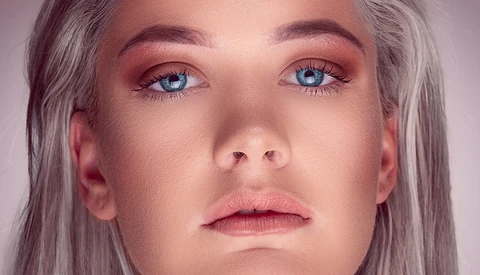
Skin retouching takes time, so any plugin that can help speed up the process is a bonus. Infinite Skin is a Photoshop plugin from the Infinite Tools range and is probably the quickest skin-retouching plugin I've ever used, producing great results in next to no time.

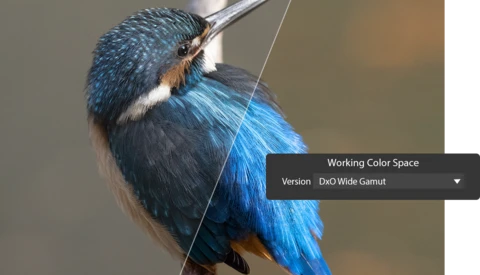
DxO Adds Some Powerful New Features to PhotoLab 6.3

DxO PhotoLab is well regarded as one of the finest raw editors available for pro and semi-pro photographers. Although certainly not as well known as the Adobe products like Photoshop and Lightroom, it offers very powerful tools that have gotten a lot of attention. 

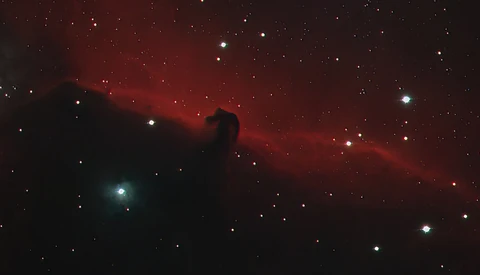
Here's a Brilliant Free App for Astrophotographers

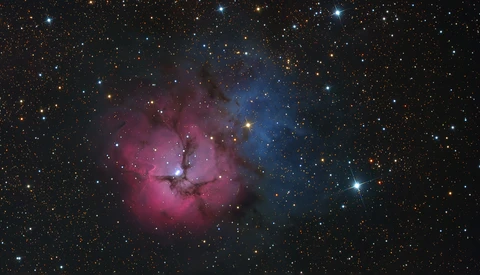
If you shoot a lot of astrophotos, you know all about gradients. They are almost always present in your images, and they have to be removed to smooth out the sky background and make your images look their best. 

5 Secrets for Perfect Edge Selection in Adobe Photoshop

If you've ever had to make complex selections in Adobe Photoshop, you know how frustrating it can be. Well, in this video, learn five tips for ensuring you get it exactly right with the easiest method possible.

The Best Way to Use DeNoise AI as a Photoshop Plugin

Topaz Labs' DeNoise AI software does an incredible job of cleaning up images and removing unwanted noise. However, it works differently depending on whether you're using it in Lightroom, Photoshop, or as a standalone platform. Here, we take at look the best way to use it as a Photoshop plugin.

Not Sure How to Add Depth and Wow to Flat, Boring Photos? Here’s How

Do you sometimes look at your images and think there's something missing? Something you can't quite put your finger on, but instinctively know? Very often your images are flat and lack depth. Here's exactly how to fix that issue and add real pop and life to your photos.

How to Retouch a Portrait in Lightroom Without Photoshop

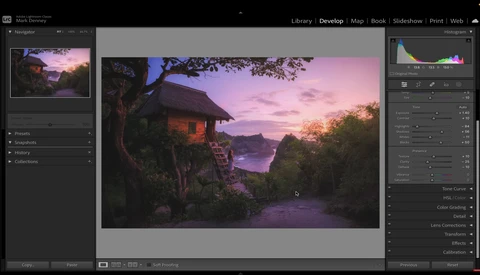
High-end retouching is normally done in Photoshop, so can similar edits be achieved in Lightroom without ever leaving the software? The following tutorial is based upon the tips and techniques provided in lesson 19 of Mastering Adobe Lightroom by Pye Jirsa and is only part of the 49 lessons available in the tutorial.

Make Your Own Post-Processing Presets Instead of Buying Presets

Adding a finishing touch to your photos can be done in many ways. You can do it yourself, or buy presets online and uses the look someone else has made for you and many others. You can also make your own preset from unique post-processing in your favorite editing software.

Breathe New Life Into Pictures Taken With Old or Low-Resolution Cameras

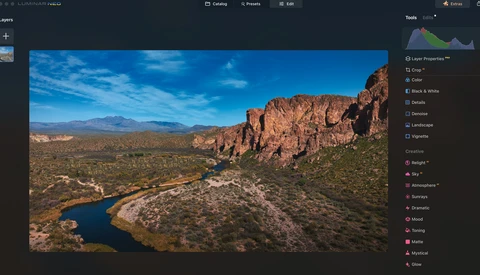
Many professional photographers are certain to have images that were taken on outdated cameras or taken on low-resolution sensors. But what happens if you want to print these images large or bring them up to current camera technology standards? Well, Luminar Neo might just be the answer for you. 

5 Common Editing Mistakes Made by New Photographers

Learning all the technique that goes into using a camera to create a compelling, well-composed photo is an undertaking all itself, but then comes the post-processing that is required to create a polished, complete image. Just like using your camera, there are some common mistakes new photographers make when editing their images. This great video tutorial discusses five such mistakes and what you can do to avoid them. 

Testing Out Luminar Extensions: Are They Really That Good?

There are quite a few extensions available by Luminar. Deciding which one is right and if it does what it says can take a while. This excellent video takes a look at all of the extensions and explains how each one works and what it does.

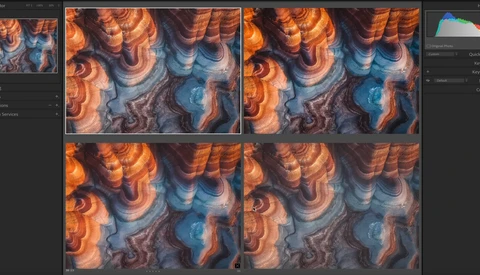
Radiant Photo Editor Adds Color Grading

I took a look at Radiant Photo when it first came out in September. I found it a capable editor, aimed mostly using AI to improve your color and the overall look of shadows, highlights, and other image parameters. It uses a pixel-by-pixel approach, which the developers claim gives you more creative control of the final result.

How to Reduce Distractions in Landscape Photos

A question to ask yourself before composing your landscape photos is: what's the subject? Having a clear answer to that will help you create good photographs. But there are situations where no matter how you position your camera, some elements in the frame will distract from the main subject. In this article, I share editing techniques you can use to alleviate that problem.

What Is Going on With Capture One?

The list of monthly subscriptions photographers are pressured to keep up becomes longer every year. From Dropbox to Pixieset, Adobe to Honeybook, and Shootproof to Fundy, photographers' monthly bills multiply annually. Now, Capture One wants a piece of the pie, and its community is not happy about the announcement. 

How to Make Better Sky Selections in Photoshop

Since Lightroom and Photoshop introduced their automatic sky selections, changes to the sky in landscape and architecture photos have become very easy. But, how good are those automatic selections? If you edit photos for web representation alone, they are mostly good enough. But if you intend to print your photos, you might want to improve them, which is what I show in this article.

How Big Is the Problem With Noise in Digital Photos Really?

I keep on seeing the advertisements about software for reducing noise in digital photos. It gives the idea noise is always a huge problem that needs to be addressed. This is advertising, of course. Or is it indeed an issue that we have to solve with specialized software?.

Enhance Your Product Images with Lightroom and Photoshop

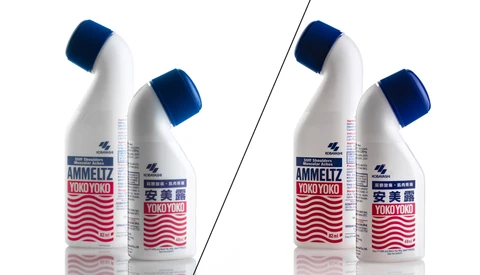
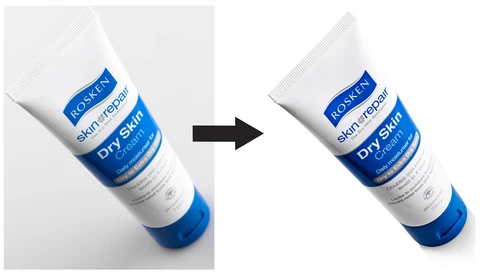
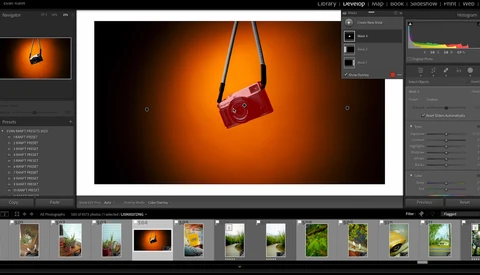
If you have limited resources available to create your product images is there any way you can make them pop in post-production? In this step by step tutorial we walk through the editing process used to finish this image.

How to Get Clean Photos When Shooting at High ISOs

Depending on what you shoot, you might have to take photos at high ISO levels. While modern cameras have made remarkable advancements in their ability to handle high ISOs, you will still have to deal with noise. This helpful video tutorial will show you how to work to reduce that noise and to get clean images. 

A More Effective Way to Use Topaz Labs Photo AI and Lightroom

Recently, Topaz Labs released Photo AI, which merges DeNoise AI, Sharpen AI, and Gigapixel AI into one program, meant to improve the quality of any image with little to no intervention from the photographer. However, most users probably use it in tandem with another cataloging and editing program like Lightroom. So, what is the best way to go about that? This great video tutorial will show a less common way of using the two in combination that offers some useful benefits. 

How to Use Exposure Bracketing for Better Images

Camera sensors have become remarkably capable in recent years, able to capture scenes with wide dynamic range that would have been impossible for older models to handle. Nonetheless, there are still scenarios that exceed the abilities of even the best sensors. So, what do you do in those situations? Exposure bracketing is a powerful technique, and this helpful video tutorial will show you how to use it to improve your images. 

7 Skills Good Photographers Have That Anyone Can Copy

If you want to improve at something, one of the best ways to do so is to find masters of their craft and simply emulate them. But how do you know which things to copy and which to ignore? Here, you'll learn seven skills that good photographers have that you can easily add to your skill-set.