Nailing a dramatic close-up in the studio and then watching it fall apart the second you zoom out to a full-length frame is frustrating. You get harsh falloff on the legs, dead backgrounds, and a look that feels accidental instead of controlled. Here's how to fix that.
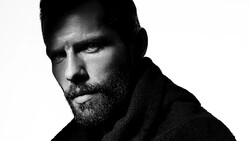
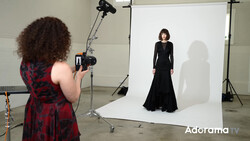
Coming to you from Gary Hughes with Adorama, this practical video walks you through a simple way to keep your lightperfect from head to toe without giving up the drama you like in close portraits. Hughes starts by showing what happens when you rely on a single modifier close to the subject. The top half of the frame looks rich and sculpted, but the lower body and background drop off fast and feel disconnected. Then he backs a larger umbrella way up to cover the whole scene, which evens everything out but flattens the mood. You see very quickly how easy it is to trade interesting light for coverage the moment you step back with the camera.
The useful part is how Hughes combines those two looks instead of choosing between them. He leaves the small octabox up close for shape, keeps the big umbrella farther back for coverage, and meters both lights to the same value (f/4). Once both lights match, he explains the basic exposure math in plain terms so you understand why the overlap on the face now reads one stop brighter at f/5.6. You see how changing the aperture to f/5.6 brings the combined exposure back into balance without touching the light powers. That single adjustment turns a messy double light setup into something predictable that you can repeat any time you stack lights.
Hughes also walks through how he positions each source so the roles are clear. The octabox is feathered across the subject to keep that directional, dramatic quality on the face, while the umbrella sits farther back and a bit off axis to wash the entire body and background with a softer, more general level. He shows how this layered approach gives you consistent illumination from head to toe while preserving highlight and shadow shape on the features you care about most. Instead of chasing hot spots and dead zones with random tweaks, you are building a system where one light handles style and the other handles coverage.
Where this really starts to pay off is when you think about how often you change framing during a session. You might start tight for a headshot, then pull back for a three-quarter or full-length pose, maybe even bring in another person, and you rarely want to rebuild the entire lighting setup every time. This two-light strategy lets you keep your close-up look while knowing the wider frames will still hold together without hours of retouching to fix muddy legs and noisy backgrounds. Hughes also hints at how you can push the look further with extra accents like hair light or a small spot on the backdrop, along with more refined posing and angle choices that he shows in the full video. Check out the video above for the full rundown from Hughes.
If you would like to continue learning about how to light a portrait, be sure to check out "Illuminating The Face: Lighting for Headshots and Portraits With Peter Hurley!"



Join the Fstoppers community for free
-
Post comments and join in the discussions
-
Browse the site ad-free
-
Share your work and get featured in the community
-
Compete in the photo contests for fun and prizes
No comments yet