

“Why does that dog look green?” From that startling comment, my parents discovered that I was red-green colorblind. But is it possible to be a colorblind photographer? We examine this interesting dilemma.
If You Are Colorblind, Do You Only See Black and White?
Some people think that if someone is colorblind, they see only black and white. However, that is an extremely rare occurrence.
There are numerous kinds of colorblindness. I am red-green colorblind, also known as deuteranopia. Approximately 8% of males are affected by deuteranopia, so it’s not unusual. And there are not only different kinds of colorblindness, but also different degrees. Mine is relatively strong.
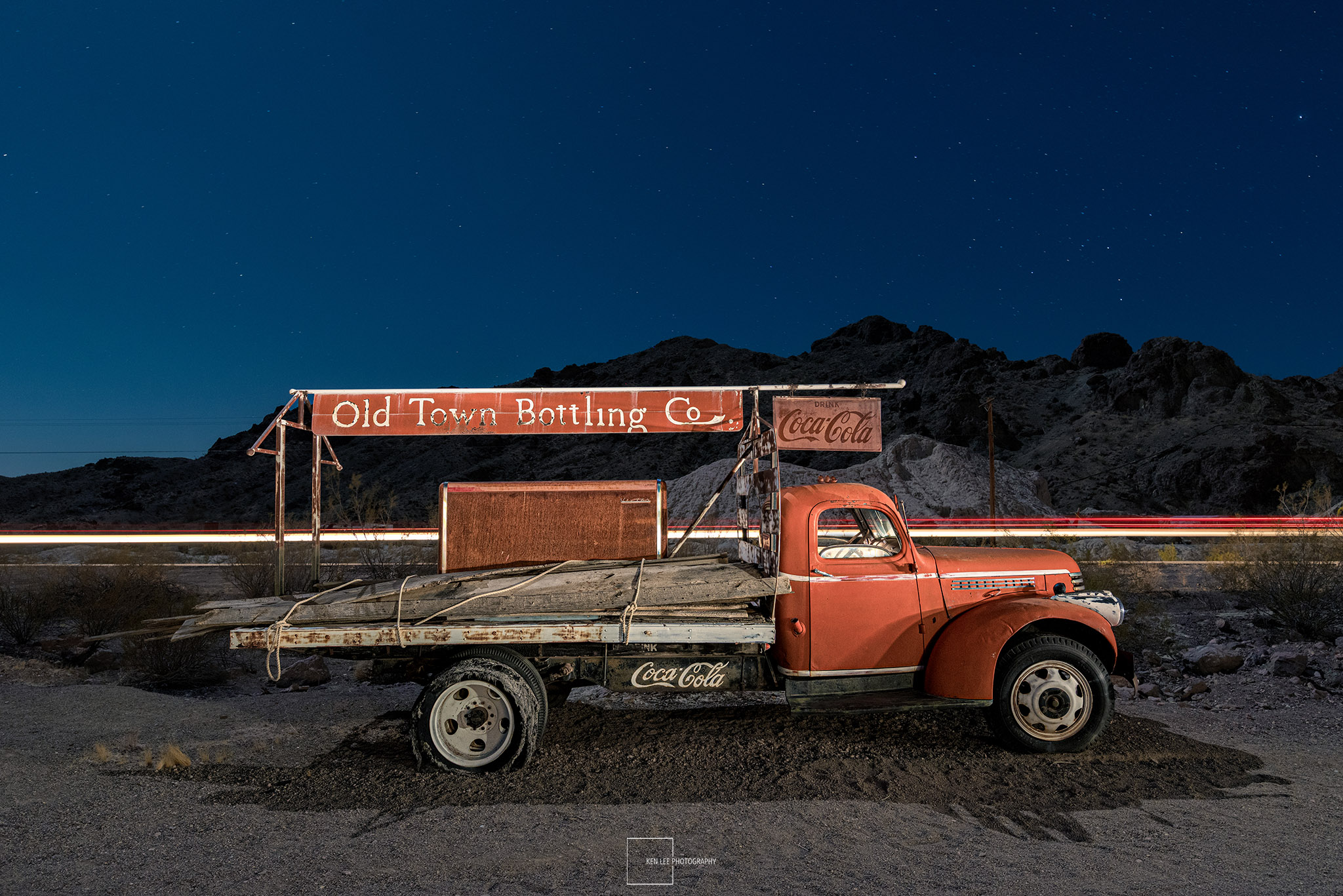
I can easily differentiate between bold colors of red and green. Traffic lights are no issue at all. Grass is green. Fire trucks are red.
However, when you throw in subtle hues of reds and greens, as well as related colors such as oranges and browns, I’m usually sunk. This is why I expressed confusion when I thought a dog looked green.
When people discuss cyan, teal, turquoise, chartreuse, or aquamarine, those names hold little meaning to me.
If someone told me a color was teal instead of blue, I would not be able to know for sure if it were. I have little concept of what taupe or chartreuse are. Pale pinks and light gray, subtle shades of blue and purple, bright greens and yellows, or dark greens and gray—these are confusing to me.
However, there are some people who have deuteranopia and cannot distinguish between the colors on a stoplight. That is considerably more severe than what I have. So again, there are different degrees as well as different kinds of colorblindness.
Can You Still Be a Photographer If You’re Colorblind?
I will examine this question from my own perspective, offering strategies that I hope will help you. These strategies will likely work for many people with colorblindness, including deuteranopia. And hopefully, others will better understand what we see, how we cope, and even how we can be helped.
Shooting Photos When You Can’t Always Trust Color

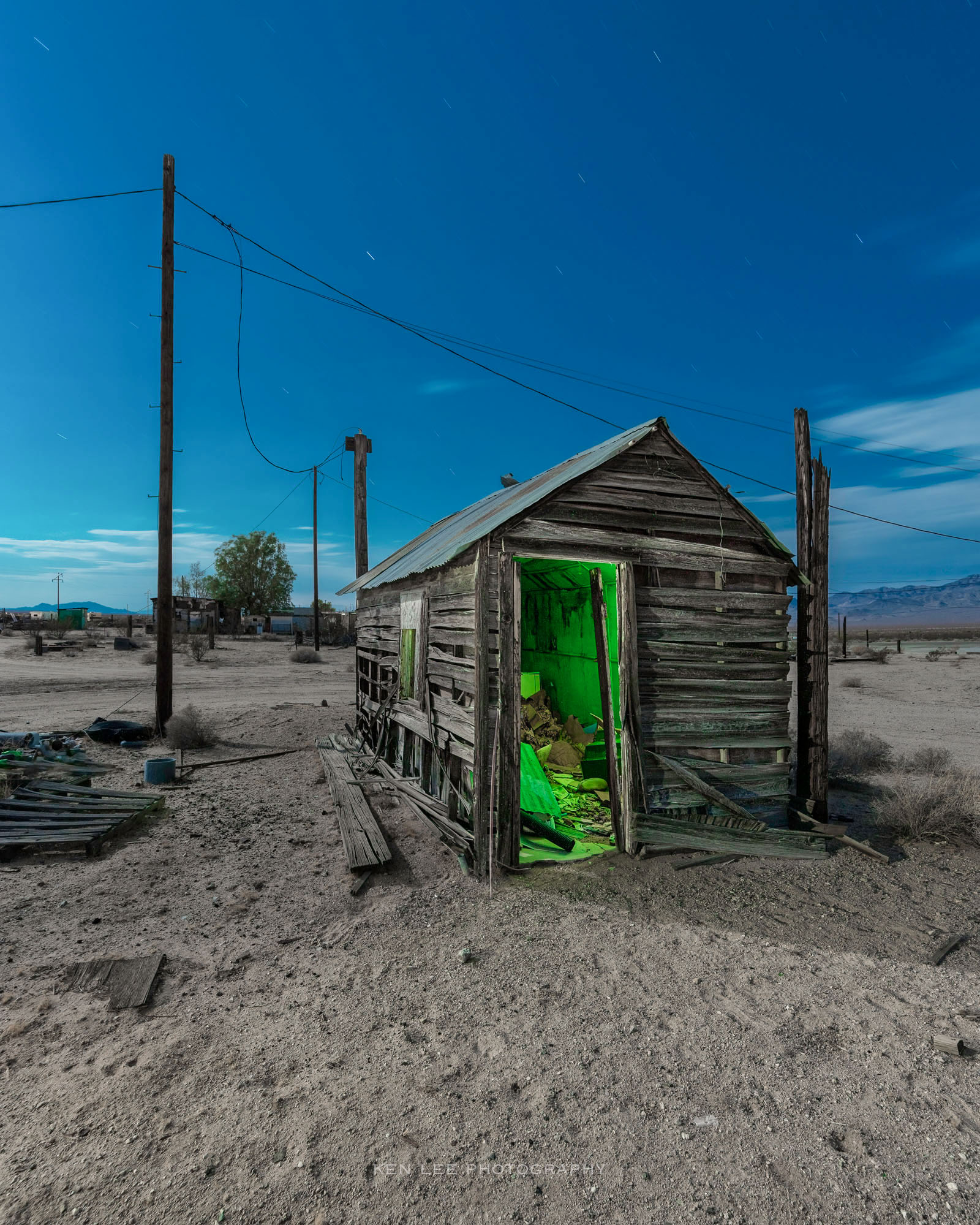
Taking photos is relatively simple. However, I sometimes light my subjects with different colors. Sometimes, I’ve attempted to select blue, only to find that I’ve selected teal. If I select a color like green and I want to be absolutely sure, I will increase the saturation and hold the light against a relatively neutral surface. The same with colors such as pink, which might look different, especially if held against a non-neutral surface such as the sandy desert or my hand.
The Challenges of Editing Photos With Colorblindness
Post-processing colors is one of many reasons why I don't want to work as a wedding photographer (there are other reasons as well, so no thank you, three weddings were enough for me!). If someone has specific clothing and I don’t nail the exact color, that’s not so good.
The same goes for product photography or photographing people's paintings. I would struggle if the client wanted to have the colors match their packaging or painting.
Regardless, I do want accurate color. Consequently, I try to set a proper white balance when photographing, despite already shooting in Raw. I find nailing the white balance really helps me later. It also enables me to see the histogram out in the field. In addition, tuning my lighting to the camera's manually set white balance is extremely effective.
My Tricks for Figuring Out What Color I’m Actually Seeing
When I begin editing, I simply don’t mess with the colors very much. I rarely use saturation at all.
If I’m really not sure what color something is, I use Photoshop’s Color Picker. I select the color in question on the image. This produces a dialog box that gives me a visual representation of where things are on the RGB spectrum. Usually, that’s enough.
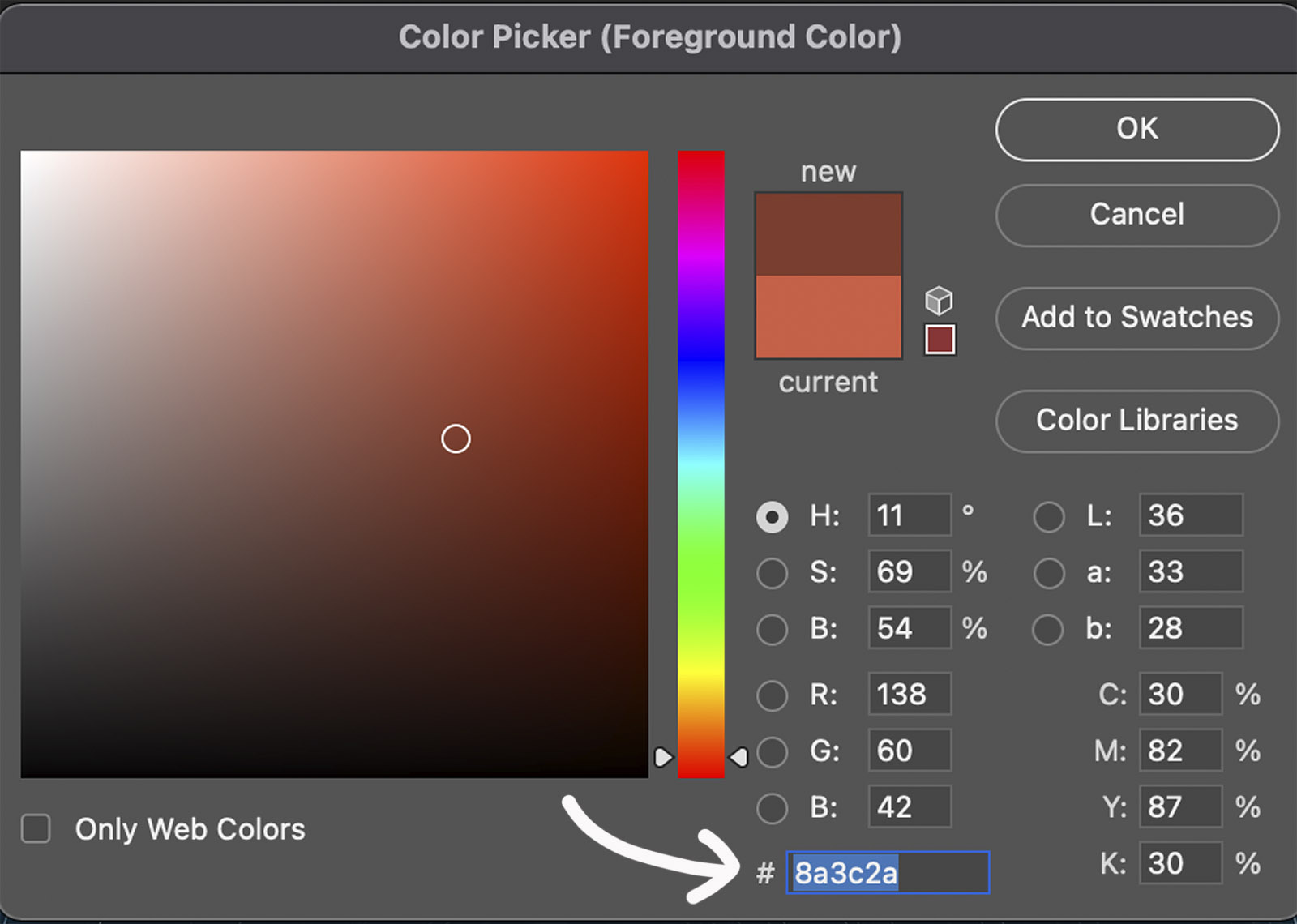
If I need more information or confirmation, I simply copy the color hex code, as shown above. This is simply a hexadecimal way to represent a specific color in RGB format.
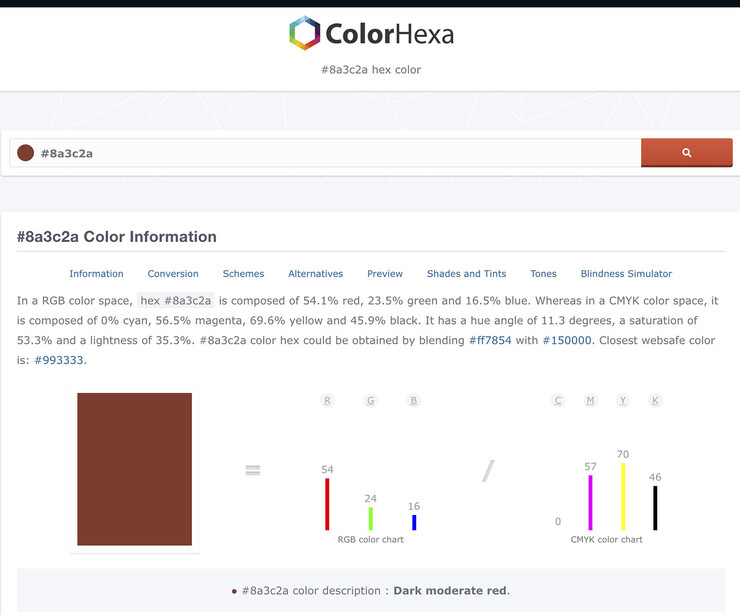
Then I paste the code into a site such as ColorHexa. This provides a lot of information about the color.
Cranking That Saturation
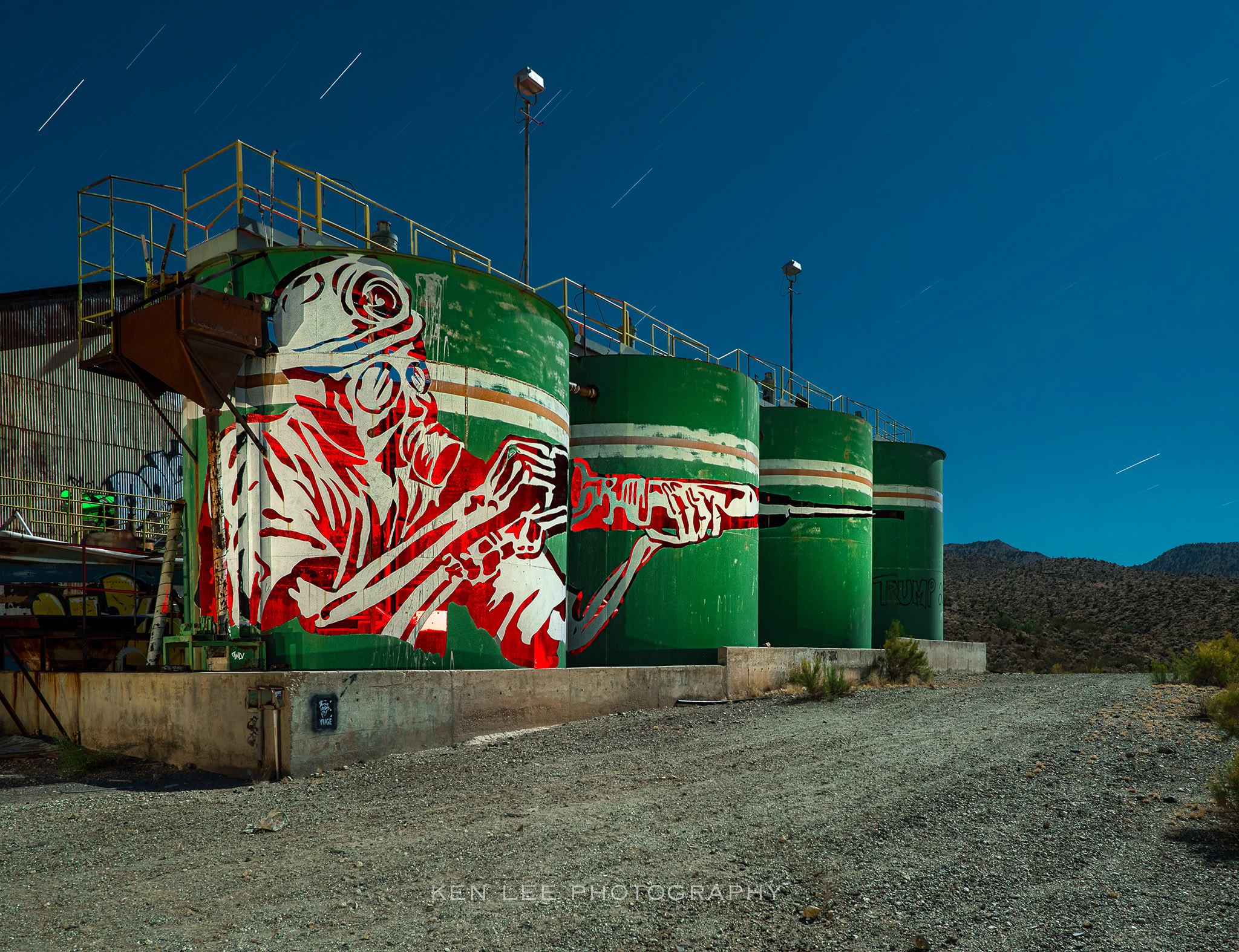
If I am not certain about how much of a particular color is in an image, I will crank that color to 100% temporarily using a saturation slider. If that color is not there, little will change. If something does change, then I will make subtle adjustments. I don’t overdo it because other people will perceive that as oversaturated.
I have trouble using things like hue sliders and color mix panels. If I shift hues, I will crank the saturation of that color by 100% temporarily so I can determine what color that is.
How I Use Color Cast Tools to Double-Check My Images
I occasionally use the Color Cast function in Nik Color Efex. I’ll click on something that I know is supposed to be white. Even if I don’t end up applying the Color Cast function, this can sometimes help me to become more aware of some of the colors or casts in my image.
When I Know It’s Time to Ask Someone Else About Color
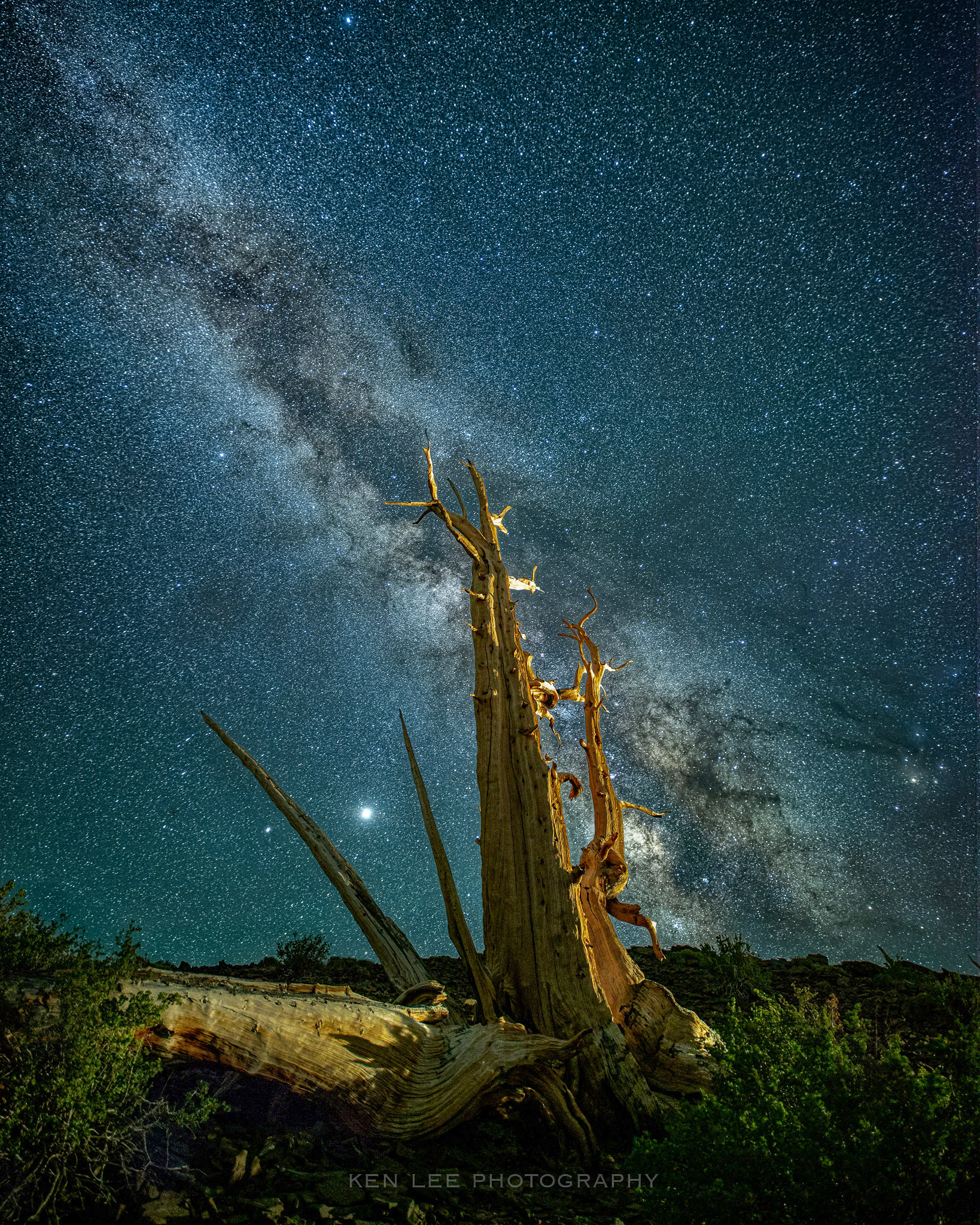
If I create any shifts in color, something that might occur if processing a Milky Way photo, I will ask someone if the colors look amiss. And again, I really try not to change or mess with the colors very much at all. It's a little frightening...
Can Deuteranopia Be Cured?
No, there’s not. I wish there were, but there is no cure or treatment.
Do Colorblind Glasses Actually Work for Photographers?
You’ve probably seen the videos on social media where someone weeps because they’re seeing colors for the first time. They are almost overcome with the beautiful colors they can suddenly see.
Curious about this, I purchased Pilestone red-green colorblind glasses. While I did not experience any emotional revelations, they did help me differentiate between challenging colors. However, the colors looked tinted. It was nothing that would help me edit photos. I returned the glasses.
I'd Like To Think We Have a Happy Conclusion!
With some ingenuity and persistence, almost all of us can overcome color blindness. While occasionally it might be confusing or frustrating, I would urge you not to be discouraged. Deuteranopia hasn’t stopped me from enjoying it, and it shouldn’t stop anyone else. With persistence and the right strategies, colorblind photographers can absolutely thrive behind the camera.
What about you? Have you ever worked with colorblind photographers, or do you struggle with color vision yourself? I’d love to hear your thoughts and experiences in the comments.

Join the Fstoppers community for free
-
Post comments and join in the discussions
-
Browse the site ad-free
-
Share your work and get featured in the community
-
Compete in the photo contests for fun and prizes
10 Comments
My colorblindness is probably a little worse than yours, I cannot tell the red and amber lights apart and I see the street lamps and green traffic lights exactly the same.
I also don't do much with color when editing, but I do have the saturation slider set to +10 as my default. I like the way that looks. I never do anything with color grading or calibration and only on very rare occasions do I use the color mixer or point color tools.
I will occasionally ask my wife for help with a color, but that quite often ends up in an argument because I feel she's ruining my photo and she has no idea what I actually want from my photo. (FYI We are both hobby photographers, retired with plenty of time to enjoy it as just a hobby.)
Even though my colorblindness might be worse than yours, I also see bold colors correctly (for the most part) but I've never tried glasses to correct for it, although I wouldn't mind.
When people ask me "what do you see" I point them to one of the many sites that show several different colorblind versions of the same photo. I love when they ask me "So which do you see?" -- to me the first three images typically look exactly the same as the normal version, sometimes the yellow is stronger in the Tritanomaly versions...but usually they look the same.
I don't enjoy when people ask me "What color is this?" Why would I lie about being colorblind? It's like asking a person who just said "I can't walk" to go for a jog to prove themselves? Seems odd to me.
Thanks for the article, it's good to know we aren't alone.
Sure thing, you’re welcome. And yes, it sounds like your colorblindness is more severe than mine.
We are not alone!
I wish I would have thought to write this article! LOL. I am colorblind, Red/Green. I don't have and issues I feel like!
I suppose you still could, ha ha!
Lucky you! I gotta always work a little harder, and always have those nagging doubts about the colors.
Just means I gotta work harder, that’s all. Still comes out well, I think.
I’m colour blind , I have a lower sensitively for green. I never get any complaints about weird colours in my photos. I used to be a lab technician and didn’t have any problems with reviewing blood smears, differentiating blood cells. In science class we did a spectrum of a mercury lamp and they were all blue and green lines , I missed a few.
It sounds like it’s going pretty well if you don’t seem to have any real issues. Count yourself as lucky!
I’m banned from being a train driver or fighter pilot, not really my ambitions anyway so indeed still no problem
Both of those sound like they might be really cool, but yeah, I haven't ever thought of those as viable career options. When I was a kid, I was interested in becoming an astronaut, though, but I suppose a lot of us have done that. Glad there's no problems, nothing really impeding you from what you do.
Hi Ken,
Thanks again for a great article.
I have all my life suffered with what I was told was "red hesitancy", it is mainly a problem seeing, for example, red flowers on a green bush at distance. It seems like a variation of what you have.
I have never had problems processing greens, but I have always had my wife check my results, with any image containing lots of red.
You may be interested in my observations after recent eye surgery to correct cataract problems that needed attention.
After surgery, apart from improving my vision, the most obvious change to me was how colours were now much "cooler", It felt like a "warming filter" had been removed from my vision.
I still have the red/green problem, but I feel my processed images are now more accurate regarding the cool/warm balance.
Regards John Taylor.
Thanks, John. I have actually had cataract surgery in both eyes, but still seem to have the same issue with red/green colorblindness. But I do see better. Less haze.
"Red hesitancy" seems like a descriptive phrase for what you are experiencing.