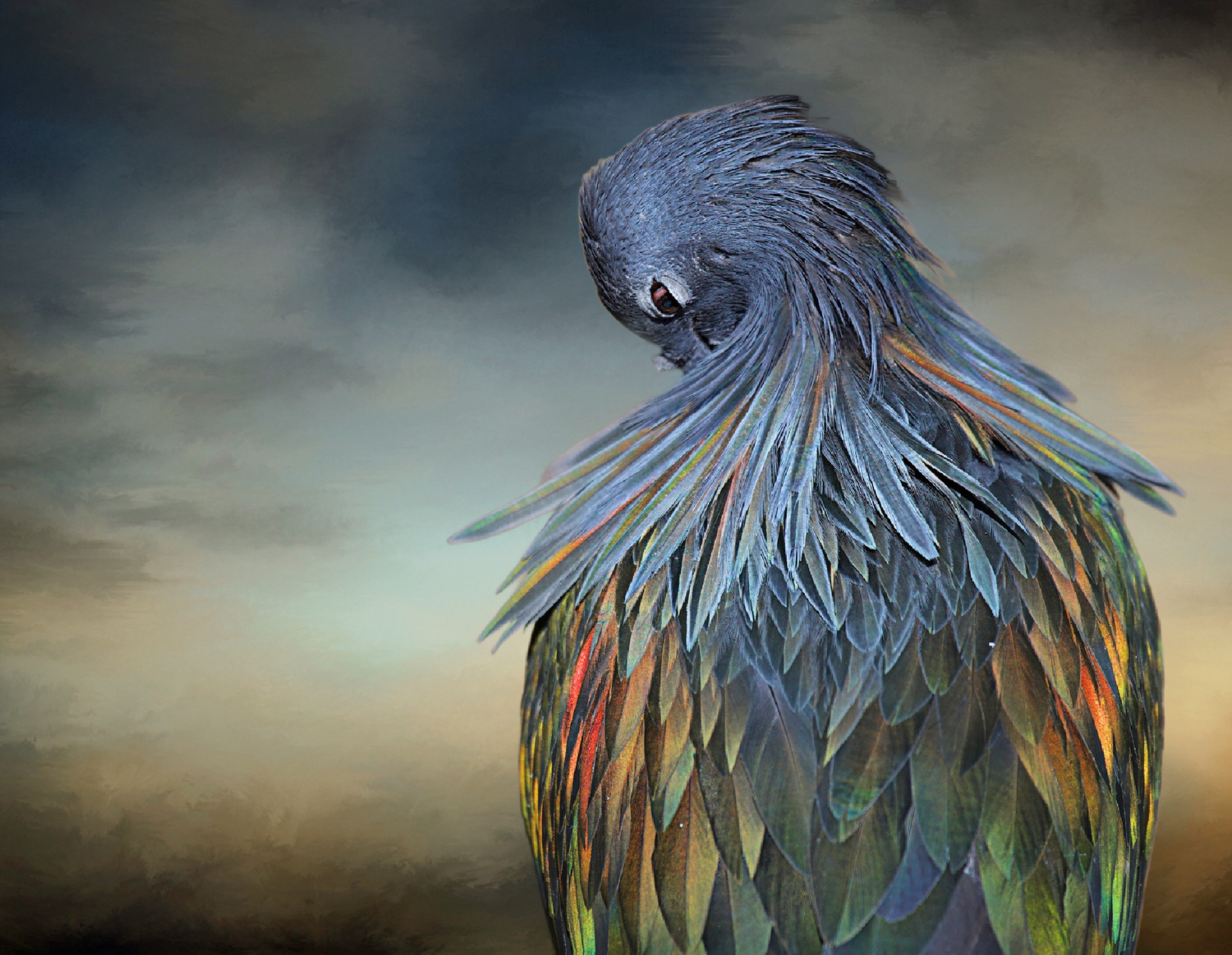

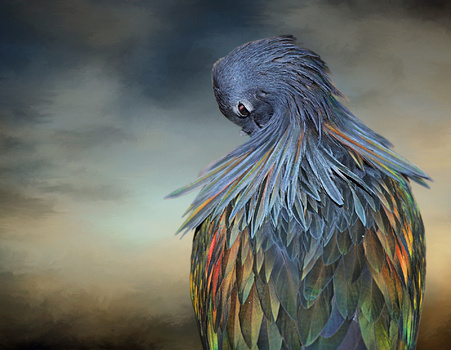
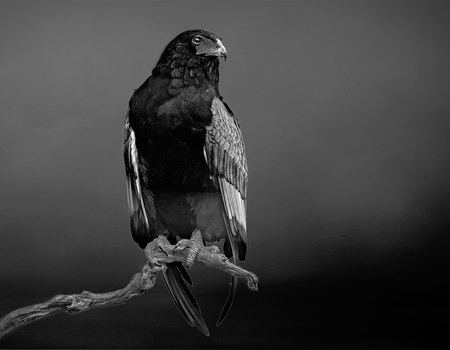
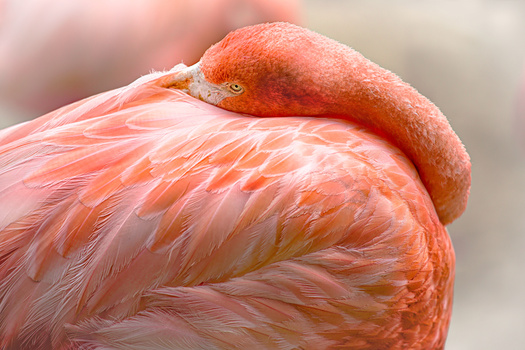
A large colorful bird I had the opportunity to photograph at Safari Park. It is the closest living relative of the extinct dodo. It is known to remain solitary as well as is found in flocks of 20-30. Though its flight is swift and powerful, and capable of sustaining long distances, it prefers to feed entirely on the ground, picking fleshy fruits and seeds off the forest floor.
This species is classified as Near Threatened in the IUCN Red List and listed in Appendix 1 of CITES as their numbers in the wild are on the decline. These birds are captured for food, pet trade and their gizzard stones which are used to make jewellery. Their distribution is also being affected by habitat loss as the islands which they inhabit are being cleared for plantations, and also being colonized by rats, cats and other alien predators.



















8 Comments
Wow! Great capture!
Much appreciated, Christopher!
beautiful capture and presentation......almost art form.
Thank you!
Great shot! Love the colors and detail.
Lovely image, Christina! A very unusual bird image, yet very effective. I agree with Kyle about the colours & texture, espeicially the iridescence in the feathers and the subtle complementarity of the sky colours & tones. Beautiful and captivating. Well done indeed!
We just watched a program about an island near the antartic(the southern pole in case I named it wrongly.) The island was ruined because of cats and rats and mice that did not belong there. The Emperor Penguins were badly affected and many killed from landslides because of the damage done by rabbits too. The found a way that worked and go rid of all of these animals. They were concerned about the vegetation coming back, because that was what was causing landslides. Instead of a beautiful, lush island, it was gray soil with tangled, dead roots, which were dead because of what the rabbits mainly had done. Within 9 months, the whole place was very green, and the plants were very tall because, far from being dead, they were just obviously hibernating and waiting for a chance to grow without anything eating them. It was amazing how they brought this island back to its natural state. I cannot remember the name of the island, but it was a Scottish name, like MacKinlay Island or something like that. It was in the south, and Tasmania and, I believe, New Zealand split the cost of bringing the island back to life between them. It costs millions, and it remains to be seen if they can do that to the Amazon.
Gorgeous!