
This is my 20-year journey from corporate life to full-time photography, sharing practical strategies for creators who dream of turning their passion into their profession. This article provides the roadmap I followed for transitioning from employee to creative entrepreneur.
In my family, the path was clear: get a degree, find a stable job, get married, and work until retirement. No one had ventured into business, and entrepreneurship wasn't even part of our vocabulary. When I asked my father for a camera in 10th grade, financial constraints meant that my dream would have to wait. It wasn't until age 24, earning a salary as a software programmer, that I finally held my first compact digital camera in my hands.
By then, I had already completed a master's degree in IT and stepped into the software industry. Within the first year, I knew it wasn't for me, but as the eldest son supporting my parents and siblings, quitting wasn't even a thought that crossed my mind.
The Weight of Reality
I never had a financial mentor to create awareness of investment strategies during my youth, to help me think of a future that didn’t rely solely on a salary. As an employee, living month to month was my norm. My only savings were the mandatory company 10% provident fund deducted from my paycheck.
Yet, even while sitting in cubicles and attending endless meetings, I dreamed. My childhood habit of printing and collecting beautiful images morphed into downloading travel pictures from photographers worldwide, creating a wall of inspiration in my study—my escape from corporate noise and my relief from daily stress. They were windows into a life I yearned to live.

The Turning Point
After buying that first camera, something shifted. I never stopped shooting. Starting on auto mode, I gradually taught myself the technical aspects: understanding camera settings, mastering post-processing, navigating social media algorithms, building networks, and learning compositional rules. All of this happened slowly over the years while I maintained a demanding full-time job and fulfilled my roles as a husband and father.
My mantra was: "Never be afraid of walking slowly, be afraid of standing still."
The real catalyst came unexpectedly. One ordinary day at work in around 2012, I stumbled upon a lecture by Alan Watts. His questions pierced through years of conditioning: "What makes you itch? What sort of situation would you like? What would you do if money was no object?" For the first time, someone had planted a seed: the possibility that I could break free from being an employee and drive my own future.
Watts argued that life is too short to live miserably, that mastery attracts opportunity, and that money follows excellence. His words resonated perhaps exactly because I was already miserable at work while my heart yearned for the outdoors, for nature, for photography.
Building the Bridge While Walking on It
Over the next decade until my resignation, I actively cultivated the following strategies and behavioral patterns:
1. Master the Balance
I learned to maintain a delicate balance between work, creativity, and family life. Evenings were for tutorials and articles. Weekends were for shooting in nature. Every spare moment was an investment in my future self.
2. Learn by Creating
I started a YouTube channel, and yes, I cringe at those early videos. The quality was poor, the audio terrible, and my presentation skills non-existent. But each video taught me something new. Each upload was a step forward. The process of creating content accelerated my learning exponentially.
3. Leverage Your Day Job
My senior IT position was my primary source of income. Holidays meant photography trips. I used my employment strategically, starting semi-professional photography work, creating landscape and beginner photography courses, and slowly investing in quality gear.
4. Build Your Safety Net
With the help of a supportive partner, we learned to save and invest. We built a financial cushion slowly but steadily to create options for the future.
5. Network and Share
I put my work on social media despite the fear of criticism. I approached other photographers, learned from them, and continued to learn. Each connection, each piece of feedback, and each shared experience added to my growth. It was a confidence booster when I was given ambassadorships for NiSi Filters and Leofoto; I took it as a token of recognition, though I did not earn much through it.
6 Practice Patience With Purpose
Twenty years in IT taught me that transformation does not happen overnight, but patience without action is just waiting. Incrementally, I made small steps toward my goal, despite stagnant phases and self-doubt.
The Leap
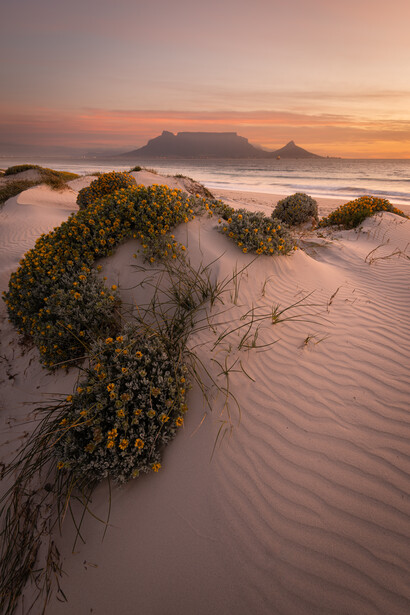
At age 44, after two decades in the corporate sector, I finally quit my job as a software architect. The journey so far has not been easy, but I had set myself up to run without earnings for some time. I had worked hard over the years to acquire proficiency and confidence in my skills and felt that I had attained a level of excellence that would stand me in good stead.
The Truth About Transition
Here's what I want every aspiring creator to understand:
-
Your financial situation doesn't define your creative potential: Even if you can't quit your job today, you can still pursue mastery in your craft. Some of the world's best creators started as weekend warriors.
-
Mastery is a marathon, not a sprint: Whether you transition in 2 years or 20 years does not matter. What matters is that you are moving forward, even if it's at a turtle's pace.
-
Visibility creates opportunity: Your work needs to be seen to be valued. Social media is not vanity; it is your gallery, your portfolio, your connection to the world.
-
Fear is normal, action is necessary: Every creator faces the fear of not being good enough. The difference between those who make it and those who don't? The ones who make it create anyway.
Your Time Is Now
As I write this, having successfully transitioned from code to camera, I want to leave you with this: never give up on what makes you come alive.
The inner calling doesn't come as a lightning bolt. It builds slowly, quietly, until one day luck finds you when you're standing in the right place at the right time.
You don't need to quit your job tomorrow. You don't need expensive equipment today. You don't need thousands of followers this week. What you need is to start, to persist, and to believe that your creative vision has value.
Alan Watts was right—when you become excellent at something, opportunities find you. Here's what he also alluded to: those opportunities only appear because you've been consistently showing up, practicing, and sharing your work.
The question isn't whether you can become a full-time creator. The question is: how much longer will you keep your gift from the world?
Remember: never be afraid of walking slowly, be afraid of standing still.



Join the Fstoppers community for free
-
Post comments and join in the discussions
-
Browse the site ad-free
-
Share your work and get featured in the community
-
Compete in the photo contests for fun and prizes
No comments yet