
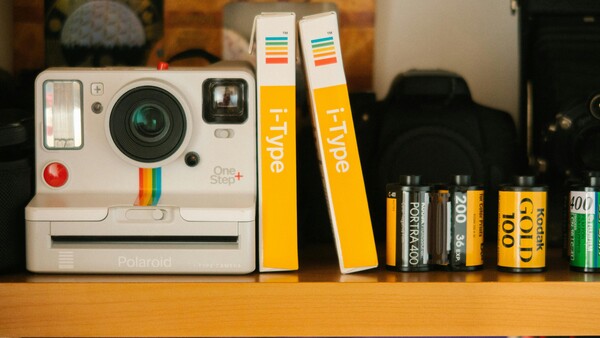
If you’ve been a photographer for any amount of time, you know very well how quickly gear can depreciate. You, much like every other photographer, likely have gear that has been collecting dust for far too long. Recently, I went through my stockpiles and realized that this has never been more true for me—so I decided to sell it. Here is how I made money with gear that I’m not using.
Although I’m far from being able to say that all I need is a camera to take a good picture, I can confidently say that there’s quite a lot of equipment sitting unused. For the most part, it’s gear that serves a niche purpose—a specialist light modifier or a backup camera. For example, I own five Profoto Zoom Reflectors, but I rarely have a shoot where I use all five. Still, I’m not getting rid of them, as there are occasions when I genuinely need every one of them.
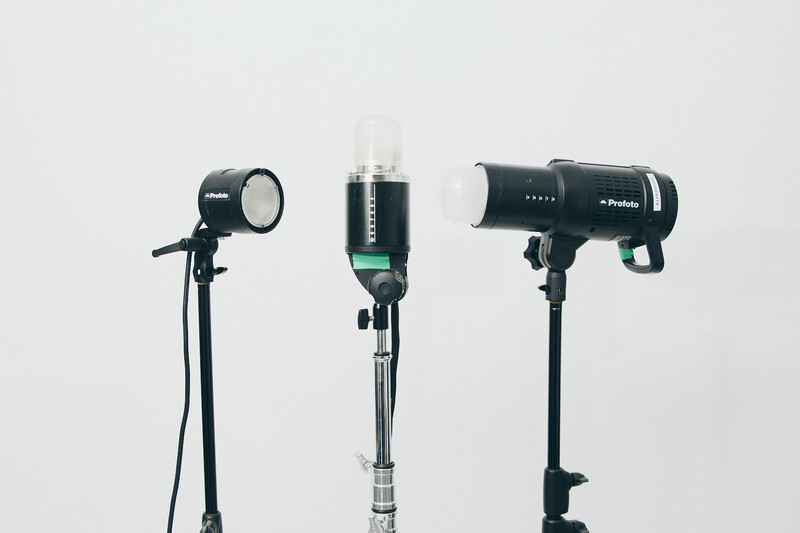
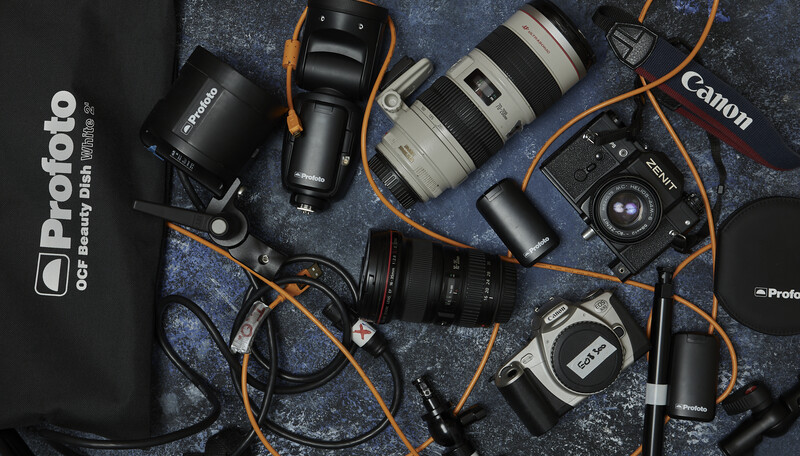
Recently, I did a major overhaul of my equipment to see what I actually use and what I don’t. It turns out I have far more than I remembered. Equipment has this curious property—it tends to accumulate over time. Before you know it, you own ten tripods and more memory cards than you’ll ever need. Lenses are the same: you keep buying them to cover every possible scenario, but when it’s time to shoot, you end up taking just one. Often, it’s the same one every time. By the end of the day, you’re left sitting on a mountain of kit, not quite sure what to do with it.
The Hidden Cost of Ownership
The cost of owning a lens is ostensibly zero. After all, it’s just sitting on your shelf, and that’s about it. There’s nothing wrong with having a huge quantity of kit; I’m guilty of having too much myself. For example, I own way too many remotes for my flash. After all, as long as I have two remotes, I should be good to go—why do I need more? The same goes for tripods. I have two tripods that I’ve never touched. Overconsumption is very real these days, and you may find yourself in a position where you buy far more than you need, especially if it’s a tax write-off, which in many cases it is.
Testing How to Sell: eBay vs. MPB
I decided to see what the best way to get rid of old kit is: selling it outright to MPB or selling it on a local version of eBay. The two pieces of gear chosen for the test were a tripod and a wireless flash trigger. I decided to sell the flash trigger to MPB, as it’s a more niche item, and the tripod on eBay. The tripod, of course, had much higher chances, as it’s an item in high demand compared to a flash trigger. After all, photographers of all genres need a tripod. Not every photographer needs flash for their work, let alone a premium flash trigger.
Getting an Offer
I uploaded both items to their respective platforms and noticed immediately that uploading to eBay takes a lot longer. I had to photograph the tripod from all angles, create an ad for it, and set an attractive price. Fortunately, it was a budget-friendly tripod, so I set a nominal price for it—70 euros, as opposed to the brand-new price of 300 euros. Quite a drop, huh?
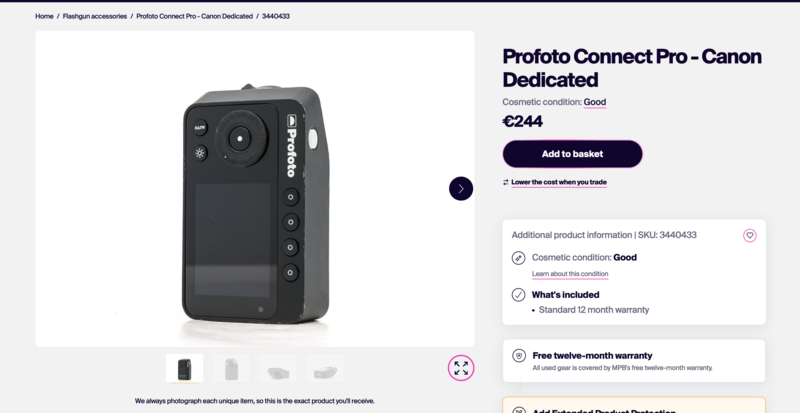
As for the premium flash remote, I simply specified the model on the MPB website, as well as its condition, and got my offer immediately. MPB was ready to pay me 150 euros, as opposed to the original 400-euro price. The offer was immediate, meaning that I had already made a sale. (Fast forward: MPB adjusted their offer to be a bit lower because of the poor cosmetic condition of the remote.)
Within a few days of uploading my tripod to eBay, I had also received an offer—a lower one, that is. The buyer was ready to pay me 70 euros, including shipping and PayPal business commission. At the end of the day, I would be getting around 57 euros. This was fine by me, as I had no way of knowing if another offer would come.
Shipping and Turnaround
I shipped both the tripod and the flash remote at the same time, on a Thursday. Friday, being a bank holiday, delayed my shipping. The tripod gained a bit of a lead as it arrived on Saturday, and my buyer paid me immediately once it was there. In terms of converting gear into cash, this time around eBay was faster. MPB, however, was a very close second and only came in second because of the bank holiday and their rigorous verification process. I quickly got my offer, accepted it, and had the money in my account in no time.
Comparing the Experience
What the race failed to include is flexibility. Flexibility is often overlooked when deciding if and how you should sell. There’s plenty of hidden value on your shelf—value you can convert to cash or other equipment with MPB. Selling and trading with MPB allows you the flexibility to change gear anytime, with little downtime in between. It’s truly one of the best ways to sell equipment. The deals they offer are smooth, easy, and quick. If you want to change your camera systems, for example, MPB is the best way to do it, as they’ll not only take your current cameras but also offer a great deal on the gear you want to buy.
If you simply want to get rid of the equipment you’re no longer using, MPB is the best option. All you need to do is decide what you want to sell and ship it off to MPB. It’s as easy as that—no need to wait for a buyer or haggle over a few dollars (or pay shipping, for that matter). I’ve sold items to MPB before and will happily do it again as soon as I get around to sorting through my equipment. I’m positive I have at least a few grand’s worth of kit that’s unused and can be sold.
Closing Thoughts
One man’s trash is another man’s treasure. It’s hard to let go of your equipment, but it’s important to optimize your setup for your current needs. If you evaluate what kit you actually use, you’ll quickly see that you don’t need a lot of things you think you need. This way, you can also support other people who may be in the market for the very thing you don’t need. It’s a great way to help fellow creatives, support the industry, and sell without any hassle whatsoever.




Join the Fstoppers community for free
-
Post comments and join in the discussions
-
Browse the site ad-free
-
Share your work and get featured in the community
-
Compete in the photo contests for fun and prizes
2 Comments
Last year, I decided to sell my entire Canon setup through MPB after switching to another platform. It was the EOS R3 and a set of lenses that I shipped to Germany. The valuation was in the five-digit range, but everything went perfectly, and the final amount even increased after inspection, which was a very pleasant surprise. Not to mention how fast the whole process was. It felt a bit risky at first, but ultimately, I was delighted with the experience.
I have used MPB in the past; and was quite happy with the experience. This article however, is a straight out advertisement for MPB.
Because, as you implied in the article. There is a lot of equipment MPB won't touch. Both platforms have their place.