
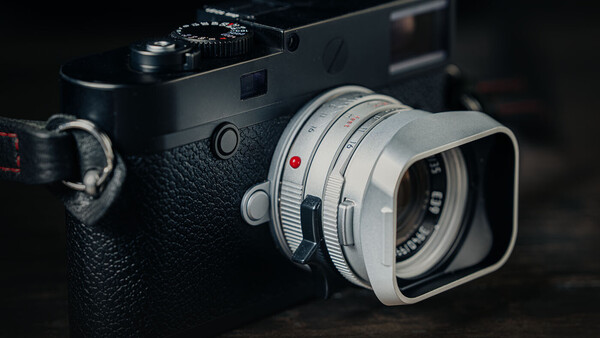
Owing to the growing popularity of Leica cameras in recent years, a bunch of new lens manufacturers have sprung up to provide much cheaper alternatives to Leica lenses. And what's particularly exciting is that, with the aid of modern technology, many rare and desirable Leica lenses from the past can now be reproduced with incredible accuracy.
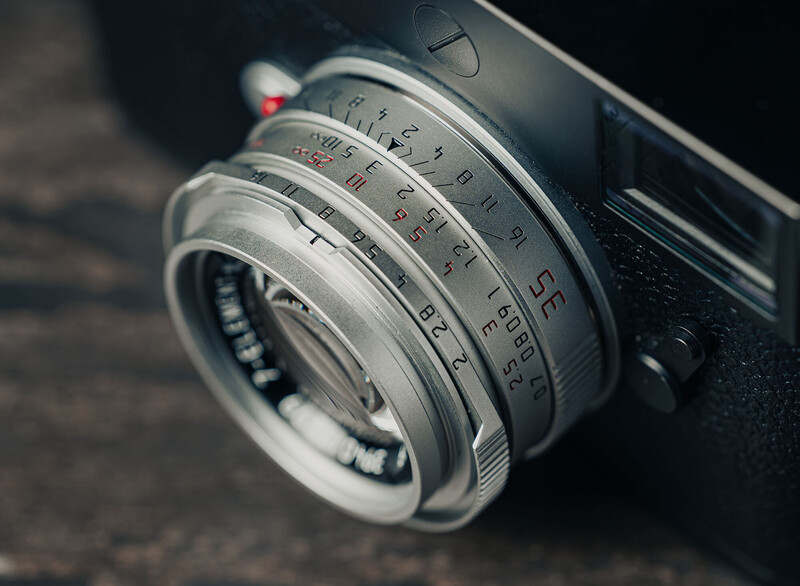
Mandler is one of these new companies bringing life back to vintage optics. It's interesting to note that this company is named after Dr. Walter Mandler, a top lens designer at Leica, credited with designing dozens of highly acclaimed Leica lenses during his career. He was based at the Midland, Ontario, factory in Canada.
One of Dr. Mandler's finest lenses, made by Leica in the 1980s and often referred to as the "Bokeh King," became legendary: a 35mm f/2 Type IV Summicron with 7 elements. It's the smallest 35mm M-mount lens Leica has ever made, and therefore a perfect lens for street and travel photography. It remains a desirable lens to own to this day, often found on eBay with a $2,000–$4,000+ asking price, depending on condition.
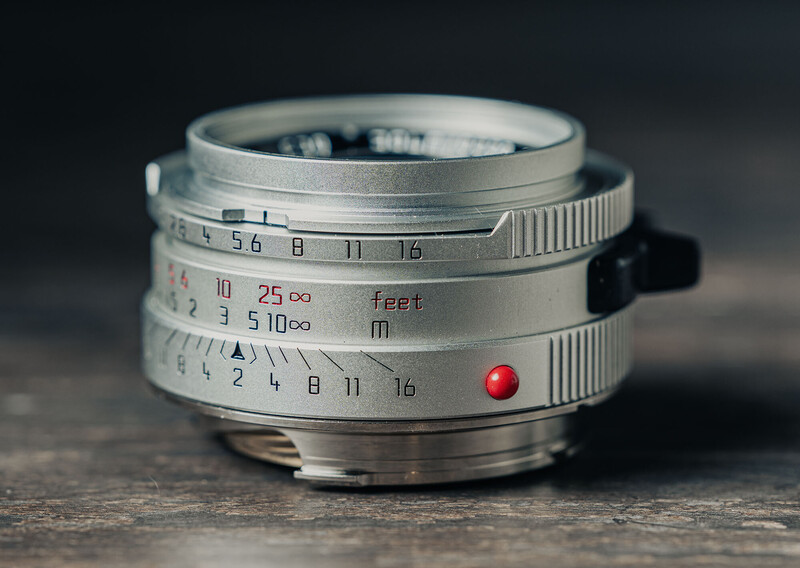
Mandler has created a lens with the same optical formula as the original Summicron 35mm f/2 V4. It's an exact replica that feels every bit as good as the original when you turn the focus ring. Solid and smooth. There are two versions: a lighter version made with aluminum weighing 138 g, and a heavier chromed brass version weighing 210 g.
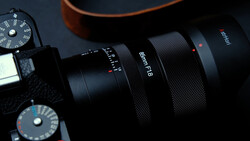
Mandler sent me the aluminum version. It looks and feels exactly like the original Leica version, and when attached to my M10, you would have to look hard to see it isn't the real deal.
Mandler 35mm f/2
- Lens Type: Prime
- Focal Length: 35mm
- Lens Construction: 5 groups, 7 elements
- Filter Size: E39 (39mm)
- Aperture Range: f/2–f/16 — supports half-stop adjustments
- Aperture Blades: 10
- Minimum Focus Distance: 0.7 m
- Material: Aluminum, or chrome-plated brass
- Dimensions: Length 34mm, Diameter 52mm
- Weight: 138 g (aluminum), 210 g (brass)
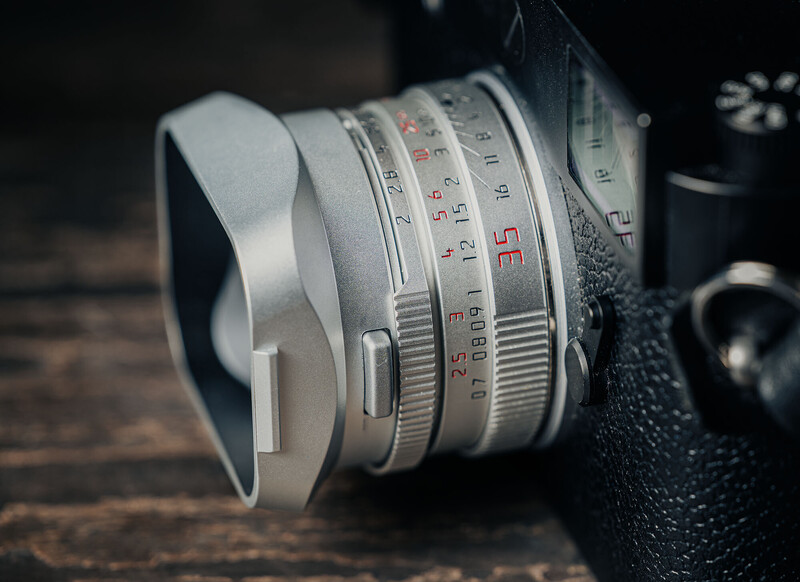
Image Quality
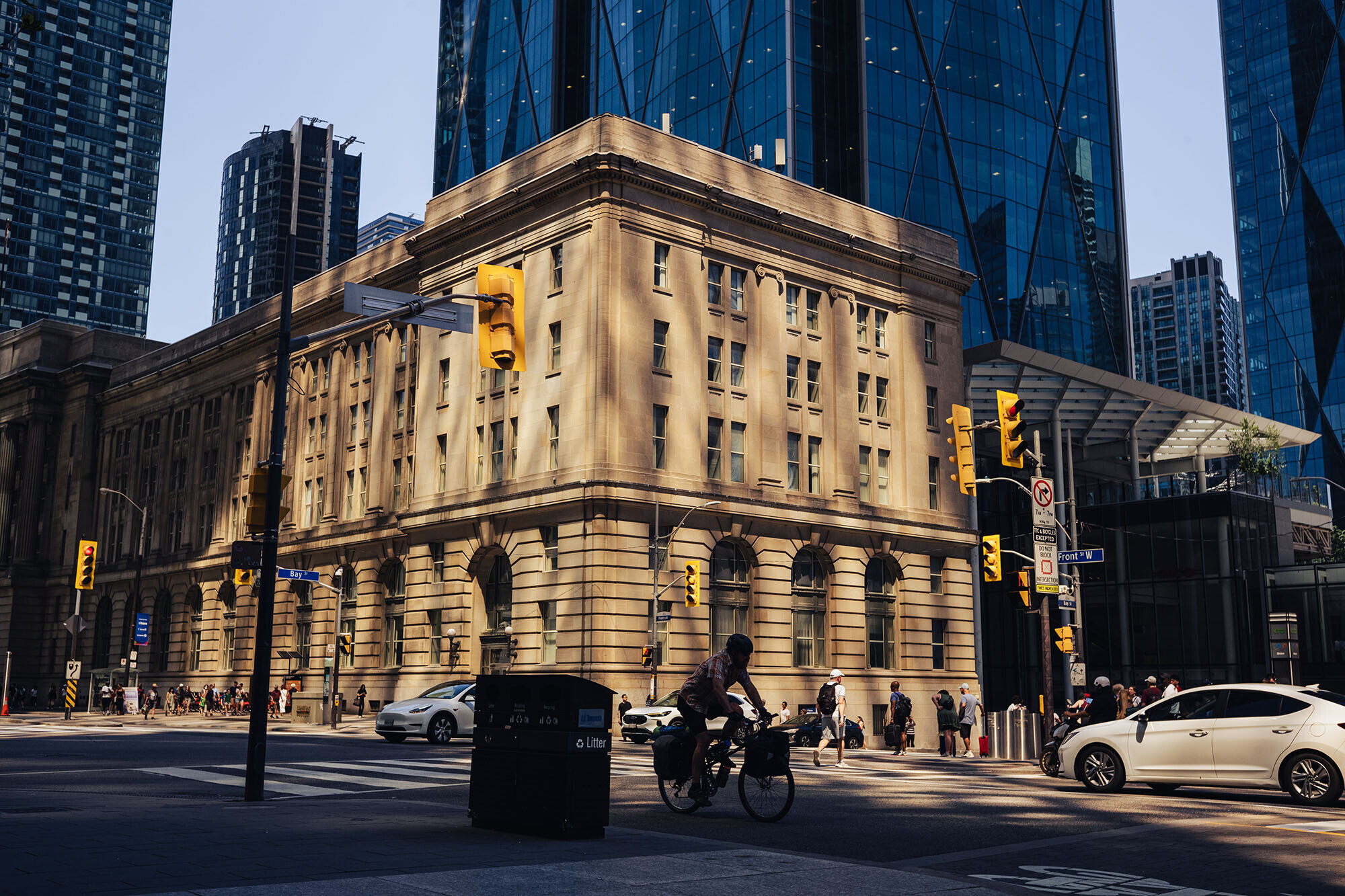
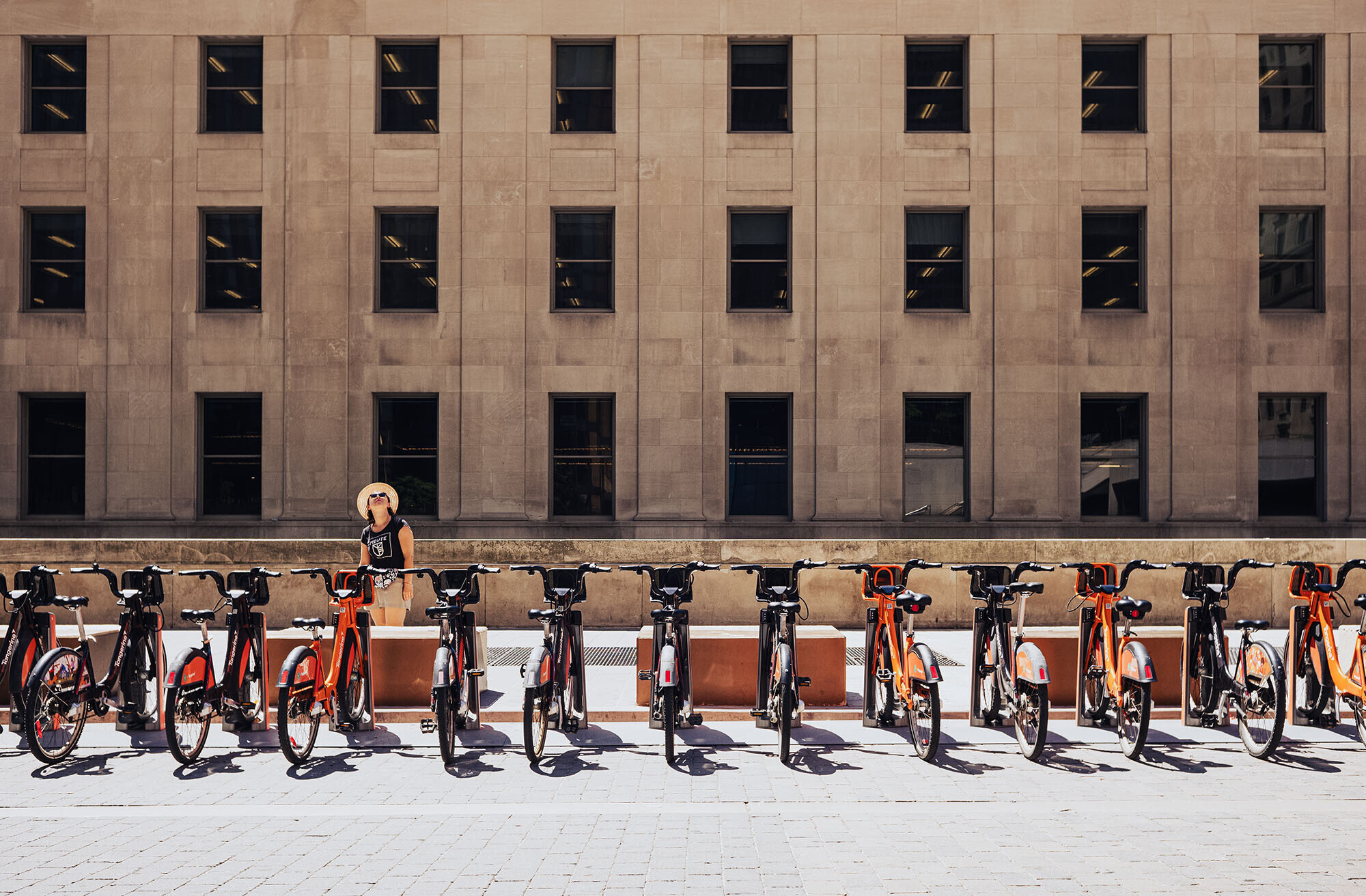
I took the lens to Toronto for a thorough test, shooting everything from architecture to portraits to street photography.
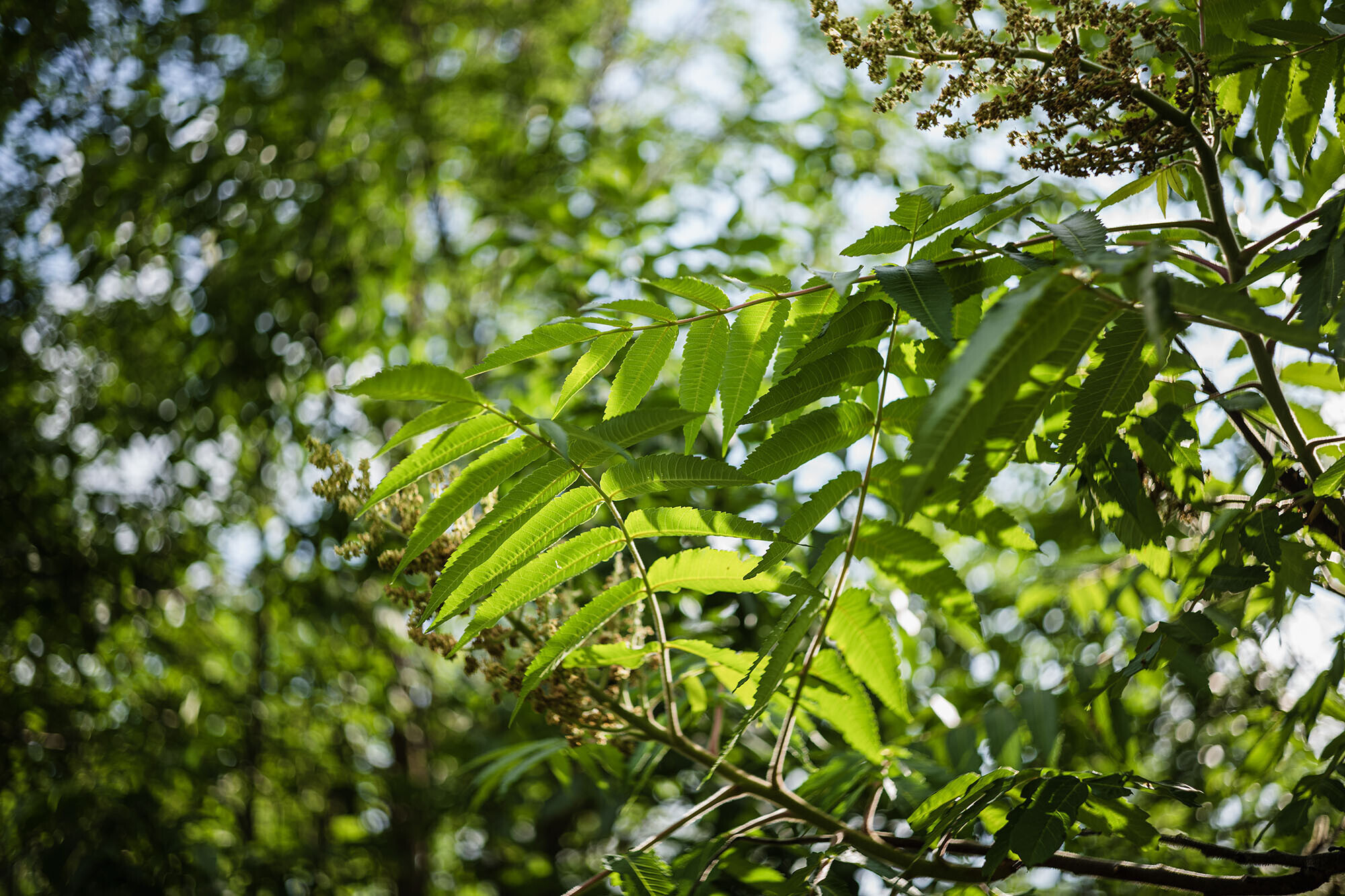
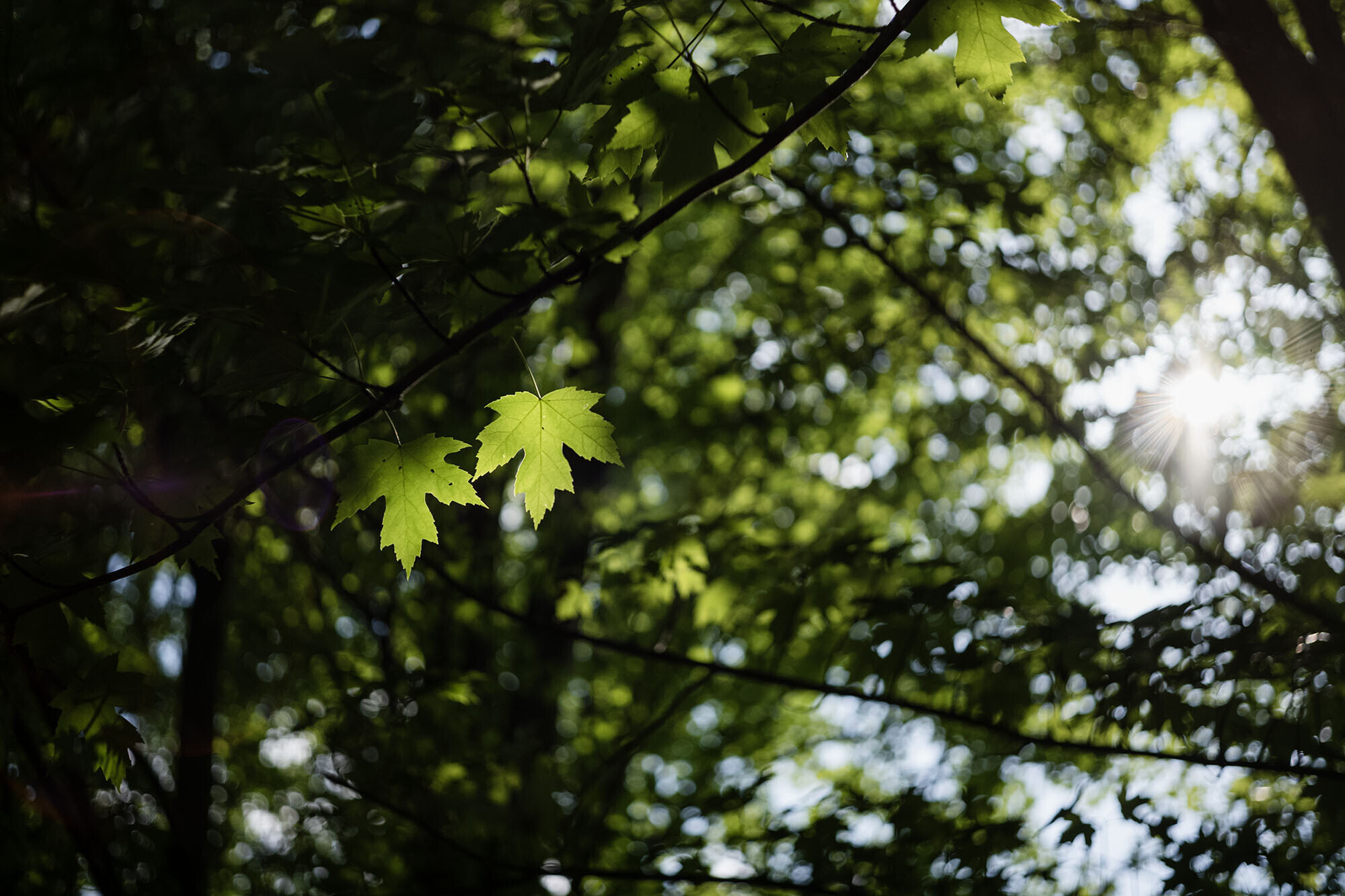
The Mandler 35mm is very sharp in the middle at f/2. But that sharpness falls off toward the edges, which is typical of vintage lenses—and a reason to buy them! For the type of subjects I photograph, with a wide-open aperture, I like this smooth, expressive falloff, so long as your subject isn't too far off center of the frame. You get a lovely vintagey (is that a word?) swirly bokeh wide open, too. If you're shooting architecture at f/2, however, with building lines across the frame, this is obviously going to look off. But close down to f/8 or f/11, and it's a non-issue. Actually, things start improving by f/5.6.
Most new lenses being made that pay homage to classic lenses get criticized for soft edges and vignetting, but I think those testing them spend too much time at home geeking out, playing with their test charts, and not enough time outside using a lens for what it was designed for. Okay, so I did geek out a little, zooming in to see the edges of the frames I shot. I must say, edges on this lens are not as "poor" as many others I've tested.
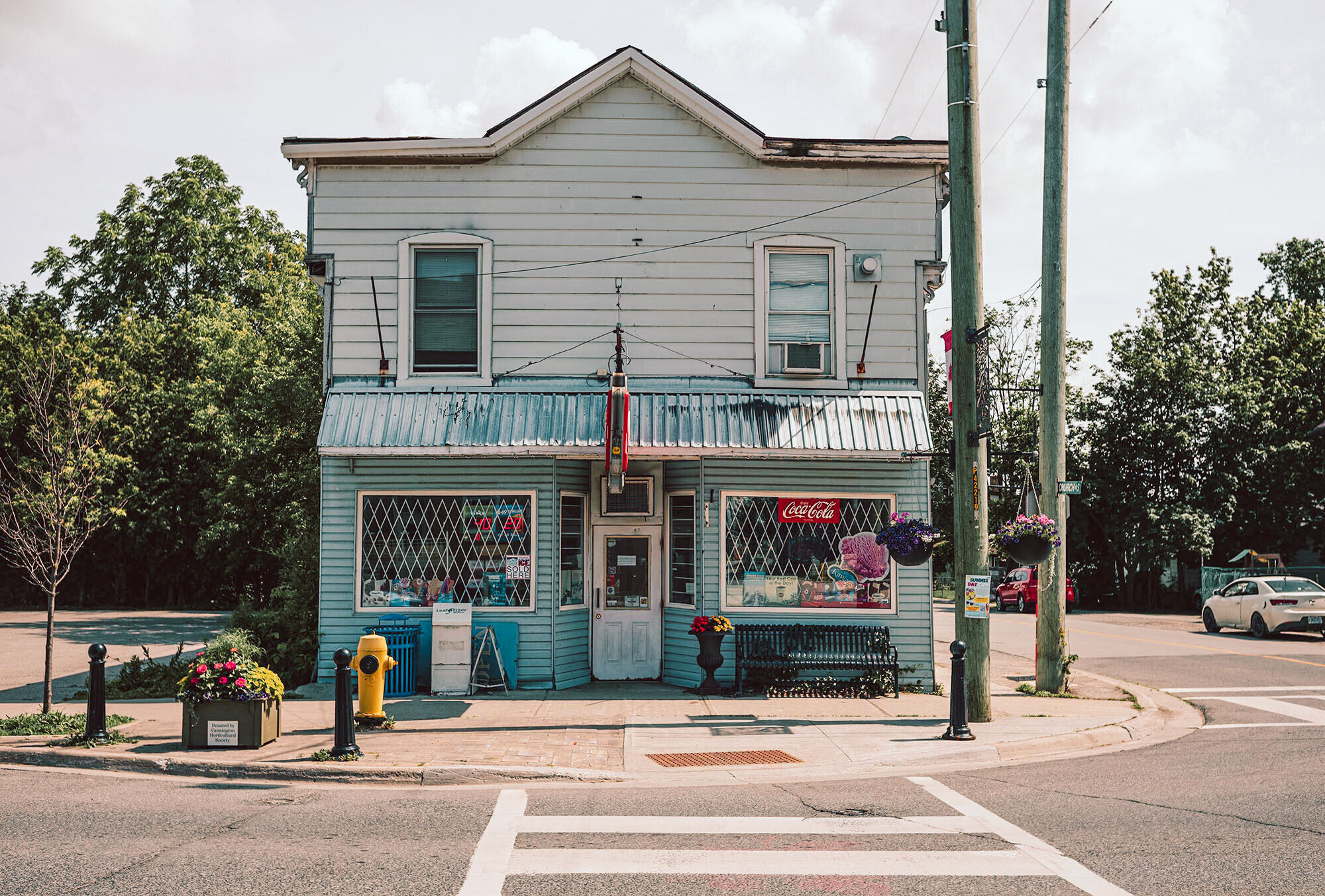
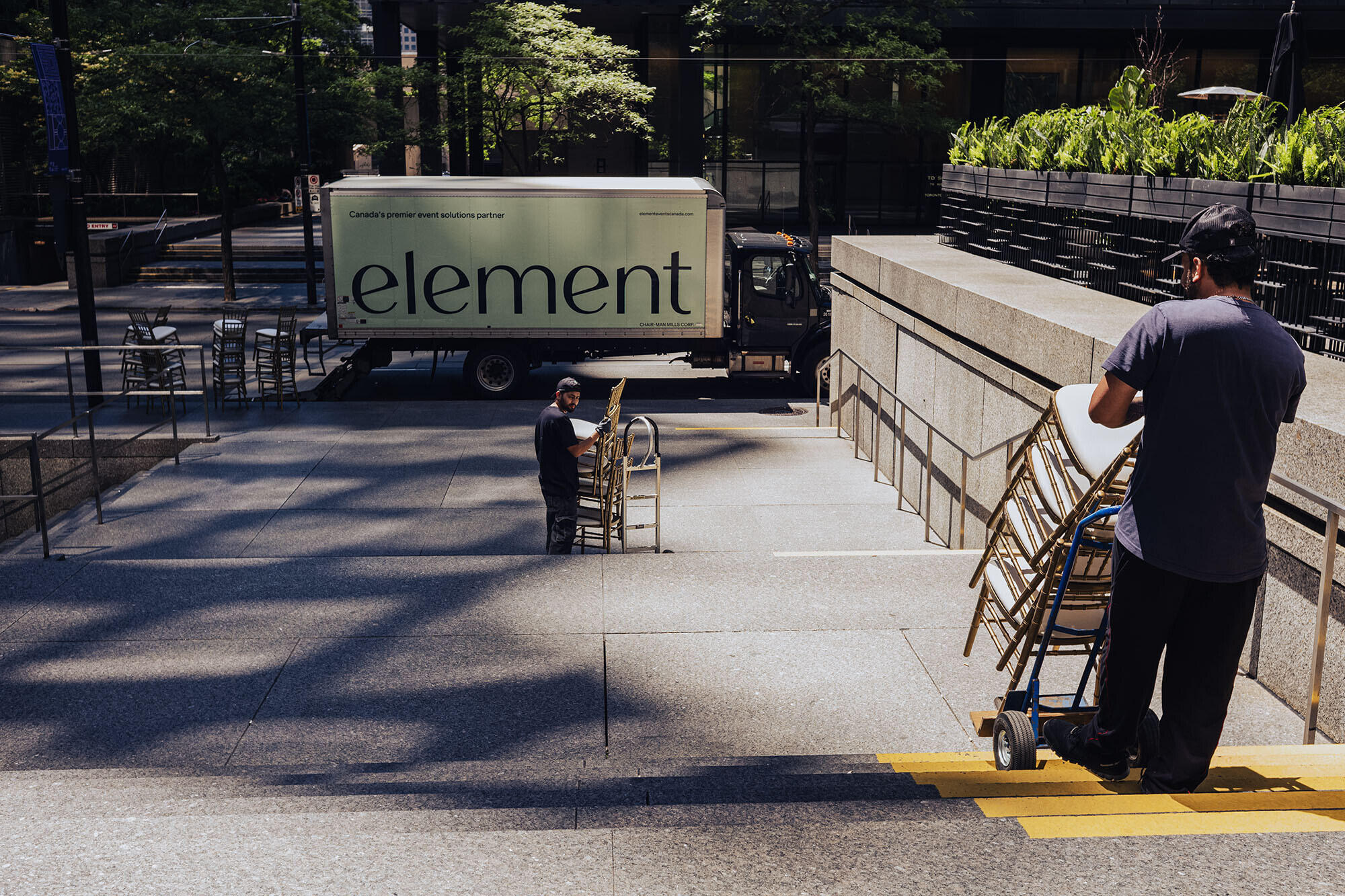
As a street and travel lens—which is the main reason I would buy a little lens like this—I usually keep the aperture at f/5.6 or f/8, which is what I did for most of what I shot on my Toronto outing. I grabbed photos from a variety of scenarios, including compositions with plenty of dynamic range and contrast. Chromatic aberration, I hear you think. None to see, nada, so move on.





Build Quality
As someone who shoots travel and street photography, I found the Mandler 35mm f/2 incredibly impressive. It's compact, feels solid and reassuring, and is easy to use. Focusing is a breeze with the little crescent-shaped focusing tab. You quickly get used to where its position on the barrel is in relationship to specific focal distances.
I like that Mandler offers both an aluminum and a brass version. Many replica lenses are made true to the originals they are inspired by, which means they are made of solid brass. They feel really good, and their heft certainly inspires confidence, but the weight can become a burden if you're walking the streets all day. The lighter aluminum version tested balanced very well on an M10. It feels very good to hold and use.
The classic double-Gauss design of seven elements in five groups features a purple-gold coating that offers good flare resistance and a very rich color rendition, which is evident in the sample photos below.
My only little niggle with the lens is the black plastic focus tab. Mandler copied every single detail on the original Summicron, including Leica's poor decision to include a cheap, ugly focus tab. I wish Mandler had put a nice silver metal version on their lens instead, or at least a black metal one.
Mandler also offers the addition of an aluminum rectangular lens hood. It's made to the same high standards as the lens, weighs 15 g, and fits perfectly with a locking tab. It is also compatible with Leica's 35mm f/2 V4 (11310/11311), 35mm f/2 ASPH, and 28mm f/2.8 ASPH (11606).
They offer a threaded 39mm UV filter if you feel the need to protect your lens, although I found it wasn't needed with the hood attached.
Verdict
I've tested a few replica or classic-inspired manual-focus lenses, many of which are based on a specific legendary lens. Most I've found to be impressive for their price point. This Mandler 35mm f/2, however, is my favorite so far. Both build quality and image quality are superb.
If you enjoy shooting portraits and details with a shallow depth of field at f/2, that's reason enough to buy this lens; it shows lovely character. But it also performs well around f/8 and f/11 for general urban and travel photography.
If you're looking for an extremely capable 35mm for your Leica M with the best price point on the market currently, this is the lens to look at. The aluminum version comes in black at $348 or silver at $478. The chromed brass version is $538.
The Mandler 35mm f/2 gets a 9/10 from me.
It's currently only available directly from their online store.



Join the Fstoppers community for free
-
Post comments and join in the discussions
-
Browse the site ad-free
-
Share your work and get featured in the community
-
Compete in the photo contests for fun and prizes
No comments yet