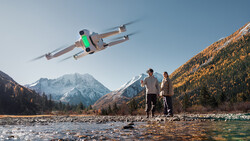
For the past few weeks, I have been testing the Antigravity A1, the first drone I have ever used with a built in 360 degree camera. I expected a gimmick. What I got was something genuinely innovative surprisingly fun.
What Makes The A1 Different?
The concept is simple. Like any 360 camera, the A1 records in everty direction. Instead of aiming a camera and lens while you fly, you record everything and you decide where to look later in post. What's also different, is that the drone is paired with a headset and as you physically turn your head in space, you can can "look around" this 360 footage while you fly. It's the most immersive drone flying experience I've ever had.
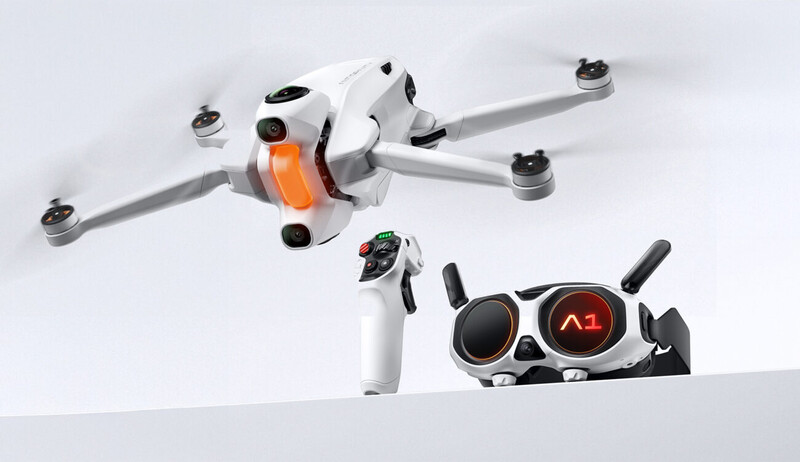
The A1 does not use a traditional dual stick controller. You wear goggles and control movement with a trigger and wrist motion. Pull the trigger to move forward. Tilt your wrist to steer. Use a small wheel to rotate the drone. At first it feels strange. After a few flights, it feels intuitive. Switching to FPV mode unlocks sharper turns and more aggressive movement, but it also demands more awareness.
The 360 capture changes everything. I can stop mid air, turn my head, and look straight down, straight up, or behind the drone. It feels like standing in the sky. The landing system projects a clear home point and makes returning easy and safe. The drone weighs under 250 grams, which makes travel simpler and less stressful in many countries. I brought it on a snowboard trip and had no hesitation packing it.
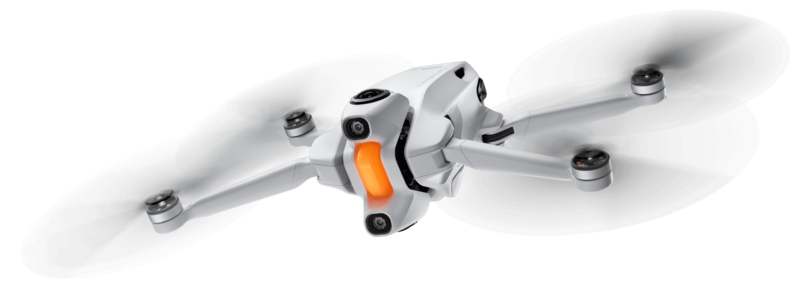
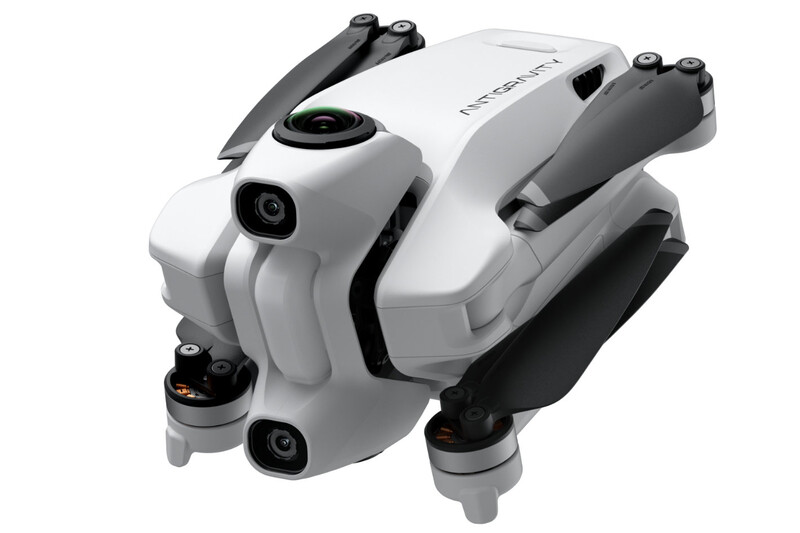
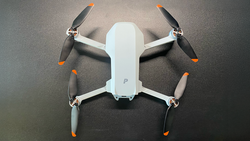
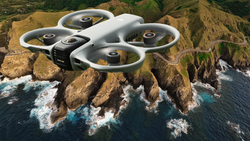
Physically, the design is clever. The two large fisheye lenses sit on the top and bottom. Small retractable feet deploy during takeoff and landing to protect the bottom lens. Antigravity also sells replacement lens kits, which is smart because these lenses are exposed and scratches are a real concern.
What's The Catch?
Image quality is good for what it is. It is better than I expected once cropped in, but it does not compete with a traditional drone camera that is optimized for filming in one direction. Wide lenses mean more flare. You will see prop shadows at times. Range is also not class leading.
The biggest workflow downside is the proprietary file format. You must use Antigravity’s software to process and reframe the footage before exporting. The software is free and fairly easy to use, especially for beginners. But as someone used to editing everything directly in Premiere, it adds an extra step and more complexity. With 360 footage, you gain flexibility in post but you also inherit more decisions.
That flexibility is the real selling point. You can reframe shots after the flight. You can keyframe camera moves that look intentional and cinematic even if your flying was basic. You can tilt down, punch in, rotate around the drone, or create dramatic transitions that would be impossible with a fixed lens drone.
Who Is This For?
If you want the absolute best image quality and a straightforward edit, a traditional drone still wins. If you care about immersion, creative reframing, and the ability to explore a space as if you are physically there, the A1 offers something no standard drone can match.
I went into this review skeptical. I came out genuinely impressed. It won't create the best looking footage, but it's certainly the most fun to fly. And for many people, especially those not locked into a professional workflow, that may matter more than pure resolution.
Watch the video review at the top of this post to get even more information about the A1.


Join the Fstoppers community for free
-
Post comments and join in the discussions
-
Browse the site ad-free
-
Share your work and get featured in the community
-
Compete in the photo contests for fun and prizes
1 Comment
The important thing to remember is that A! you are wearing googles. This requires you to have a second person with you as a spotter in order to fly the drone . You cannot have the drone in visual line of sight if you are wearing goggles.