
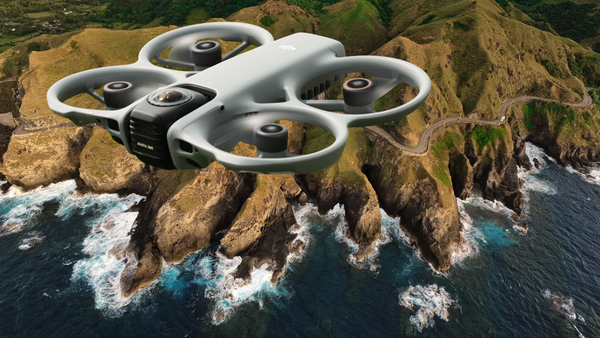
It used to be scary and intimidating to fly a drone, let alone film using one. Nowadays, flying a drone means seeing the world from a different perspective — in this case, all 360 degrees.
In the past decade, drones have gotten very popular and easily accessible thanks to a number of manufacturers that have made them easy to fly and operate. At this point, you can buy a decent starter drone for much less than what you would have to spend for an entry-level mirrorless camera. Much like how the camera is a tool that is still dependent on operator skills, the drone is as well. Anyone can fly a drone, but it is often filming that draws the line. With this new 360 camera drone, everything is about to change.
The DJI Avata 360
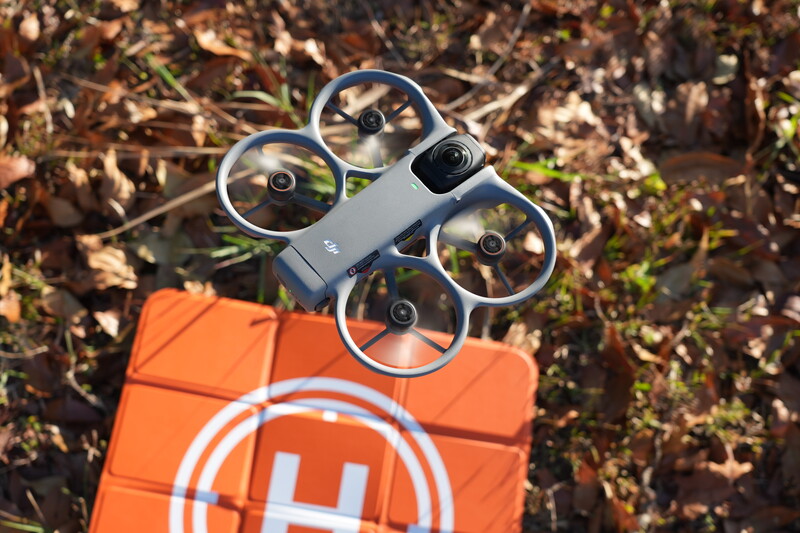
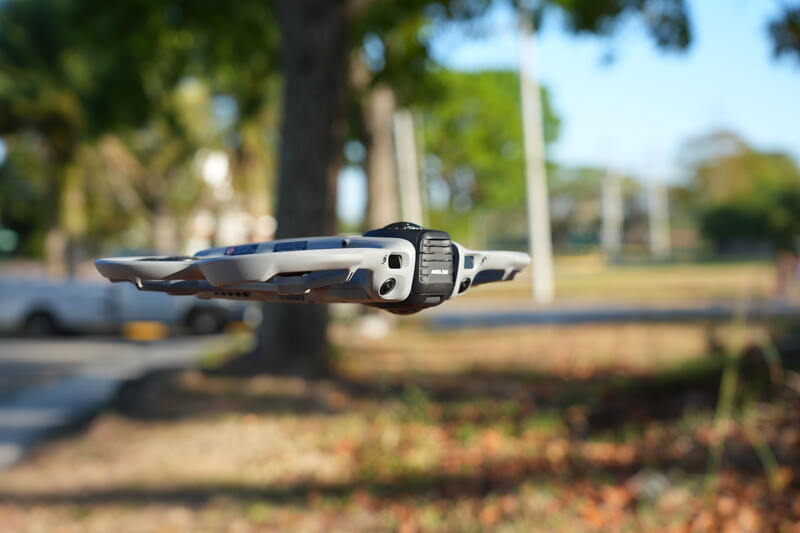
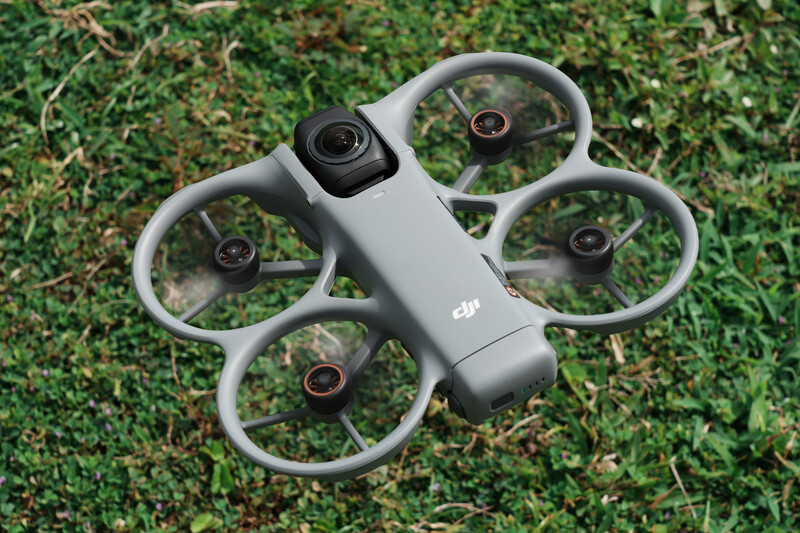
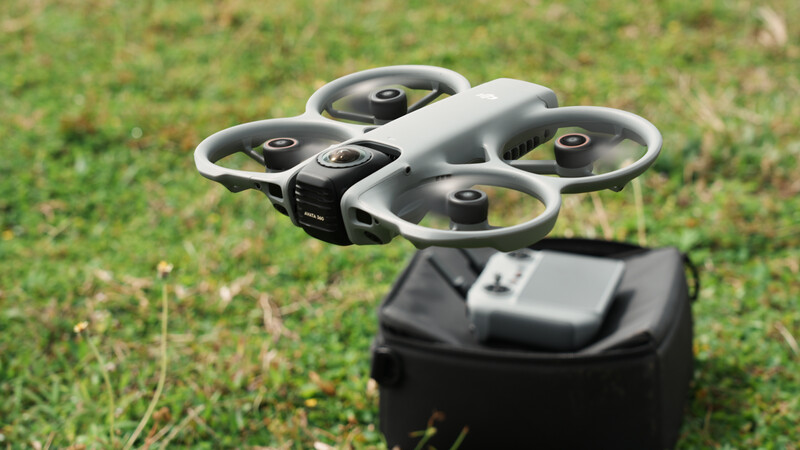
The DJI Avata 360 comes in the form of a non-foldable quadcopter with integrated propeller guards protecting all sides of the drone from potential damage. Compared to the DJI Avata 2, it comes in a wider form at 246 x 199 mm but is thinner at only 55.5 mm. It uses a new set of four-blade propellers — an update from the previous three-bladed propellers from the older drones of the same form — and has an exterior shell that more closely resembles the DJI Mini 5 Pro or DJI Neo than the Avata drones.
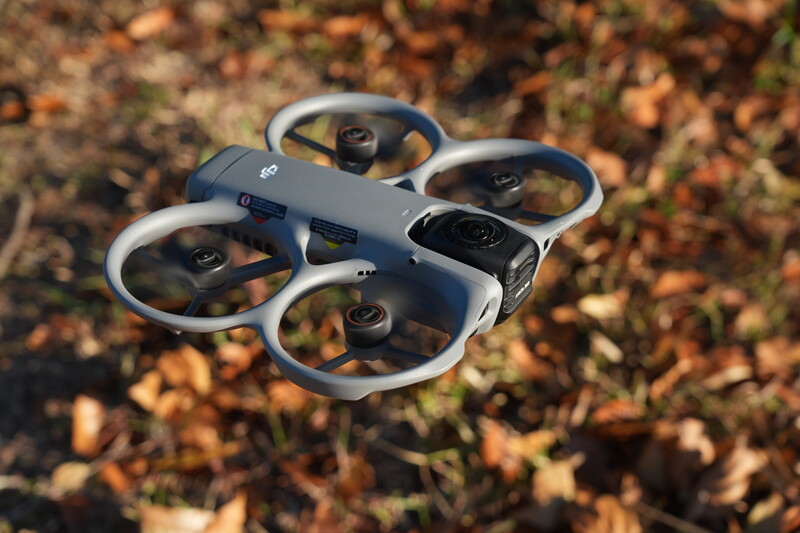
The DJI Avata 360 weighs only 455 grams, and much of this weight comes from the new intelligent flight battery paired with this drone, which has a noticeably thinner form — perhaps aimed at not getting in the way of the ultra-wide angle cameras. This battery allows up to 23 minutes of flying time, around 22 minutes of hovering, and an estimated flight distance of about 13.5 kilometers.
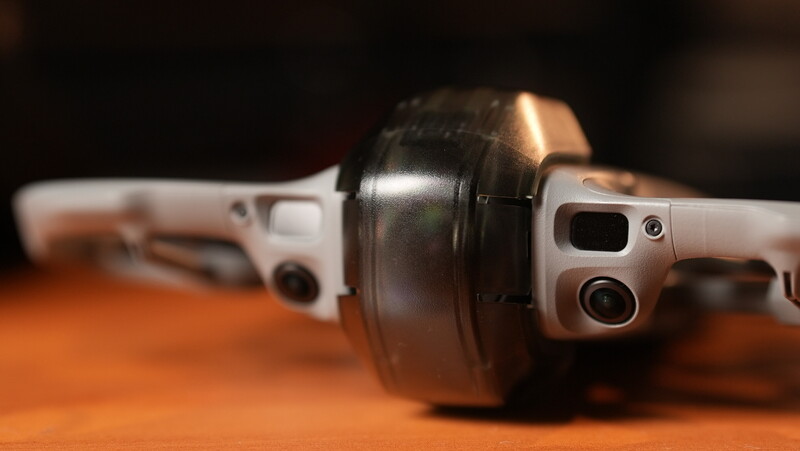
On the sides of the camera module are two forward-facing LiDAR sensors that team up with the infrared sensors at the bottom to provide an omnidirectional vision system that protects the drone from collisions from all directions.
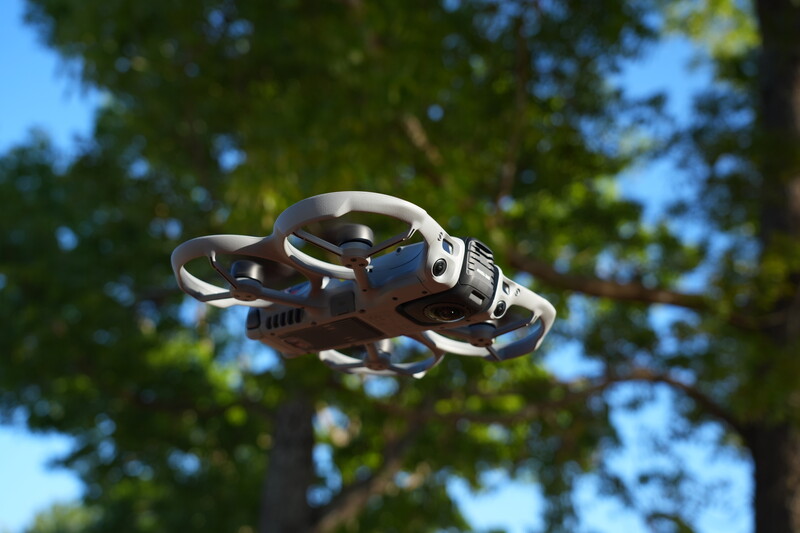
The Avata 360 is also equipped with 42 GB of internal storage that can be used in combination with the microSD card slot on the side of the USB-C port, both of which are covered by a rubberized flap.
Camera Module
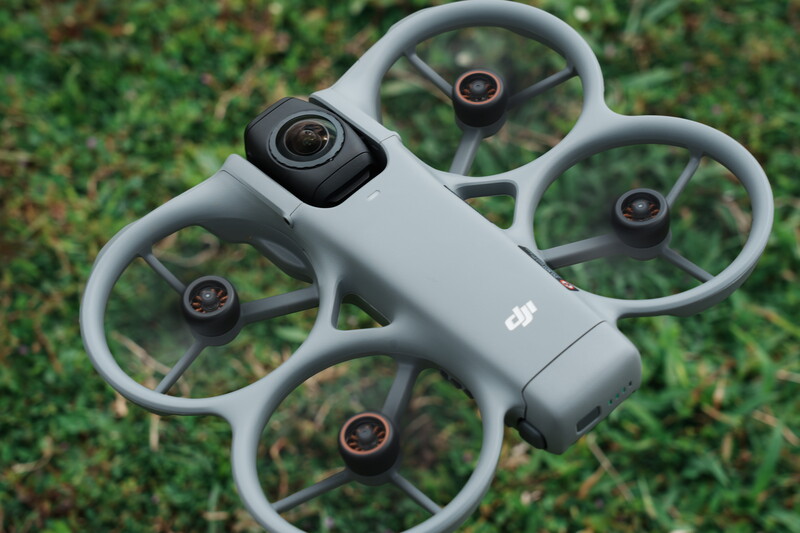
Unlike all of the other drones, this one probably has the most basic physical camera gimbal around. The Avata 360 has a single-axis gimbal that only tilts the entire camera module up or down with a range of just 90 degrees. This is because it's really all the motion it would need, given the implications of the cameras.
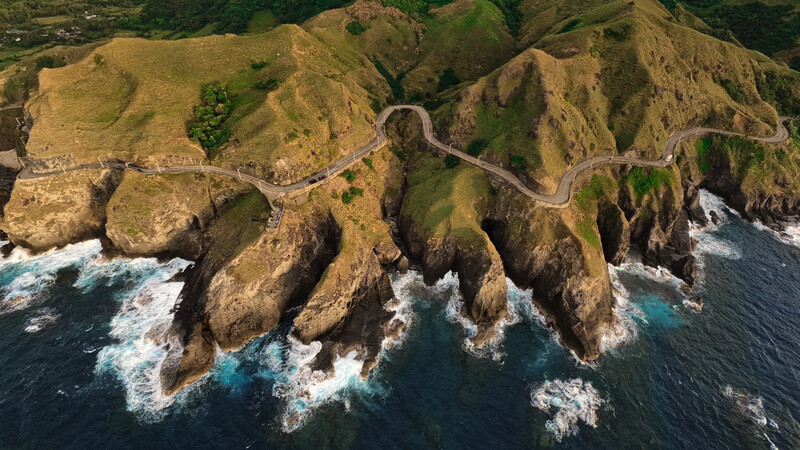
The DJI Avata 360 is equipped with dual 1/1.1-inch wide angle cameras that are positioned on opposite sides of the module. Each has a resolution of 64 megapixels and a field of view of 200 degrees with an equivalent of 7.8mm at f/1.9. These ultra-wide angle cameras face forward and back whenever not in flight, and the gimbal automatically tilts them to take vertical positions upon takeoff. The cameras are positioned that way and have 20 degrees of overlap to provide seamless stitching for both videos and stills.
Resolution and Color
The dual camera is capable of producing 360-degree panoramas with a resolution of 14,420 x 7,760 pixels. The images can be rendered in either 30 megapixels or 120 megapixels depending on the user's preference. Using a single camera/lens, it produces 64-megapixel ultra-wide angle images.
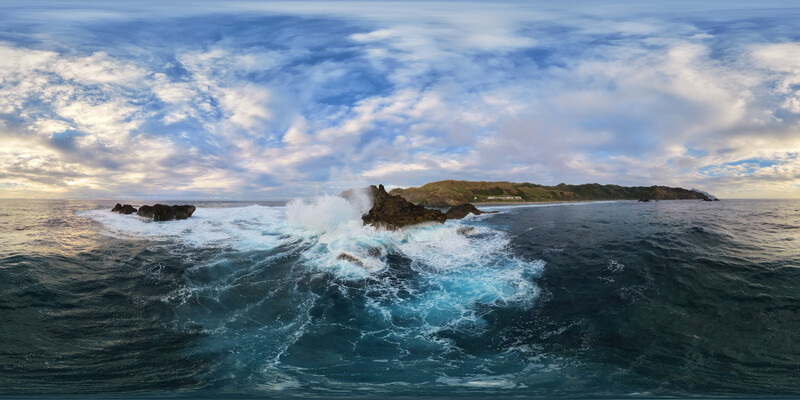
When filming with a single lens, it can record at either 4:3 or 16:9 aspect ratios with options for 4K or 2.7K resolutions. 4K videos are available from 24 to 60 frames per second, while 2.7K videos can go up to 120 fps.
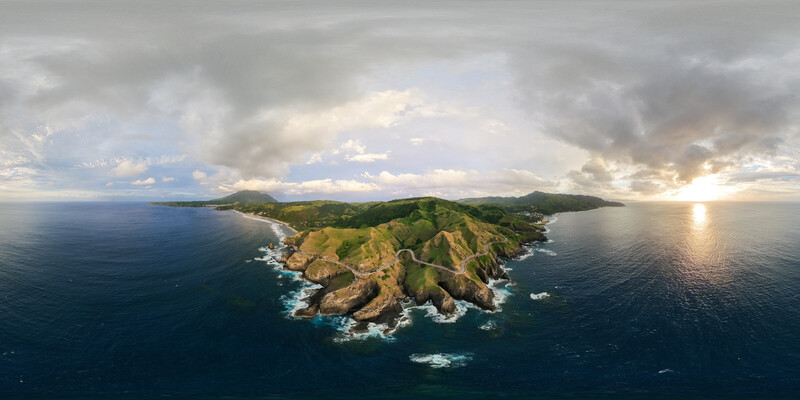
When filming 360 videos, it can deliver up to 8K at 60 frames per second or 6K at 60 frames per second. Still images can be delivered in JPEG and/or DNG, while videos can be rendered in either normal or D-Log M color modes.
Flymore Combo
The DJI Avata 360 Fly More Combo comes with the following parts and accessories:
- 1x DJI Avata 360
- 1x DJI RC 2
- 3x DJI Avata 360 Intelligent Flight Battery
- 1x DJI Avata 360 Two-Way Charging Hub
- 1x DJI Avata 360 Gimbal Protector
- 2x DJI Avata 360 Spare Propellers (Pair)
- 1x Screwdriver
- 1x DJI Avata 360 Sling Bag
- 1x DJI Avata 360 Foldable Landing Pad
- 1x DJI Avata 360 Lens Cleaning Cloth
- 1x USB-C to USB-C Data Cable
Accessory compatibility
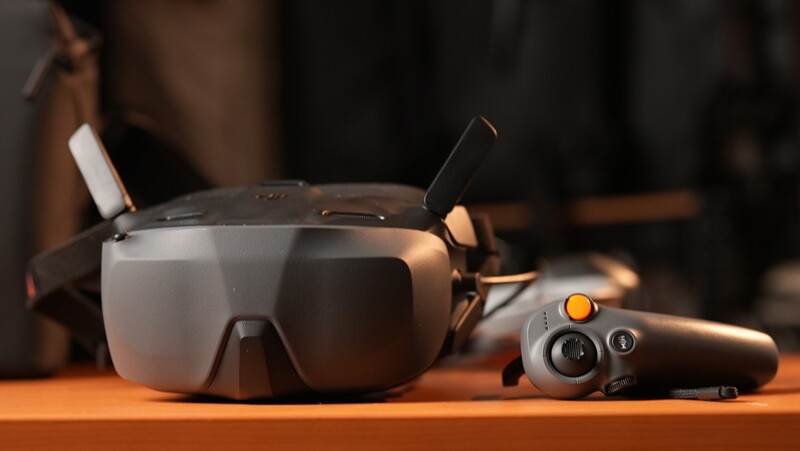
Regardless of what package it is purchased with, the Avata 360 can be used with the remote controllers RC 2, RC-N2, and RC-N3. It is also compatible with both the DJI Goggles 3 and the DJI Goggles N3. With that, it can be used with either the DJI RC Motion 3 or the DJI FPV Remote Controller 3. Any combination of remotes, controllers, and/or goggles can provide different flight experiences that could aid dynamic drone movement to complement the 360 camera recording.
Application and User Experience
Flying with the DJI Avata 360— while of course dependent on the user's familiarity with the controls — can be the smoothest experience. First of all, the reinforced safety features provided by the omnidirectional obstacle sensors make it very unlikely to crash or collide with objects in its path. Despite the light build of the drone itself, the motors allow it to withstand mild to moderate wind conditions without it being visible in the footage.
More than anything, it's what the 360 camera is capable of that makes the most difference. With any drone, whether entry-level or high-end, flying and filming are two very closely linked tasks. To achieve smooth, cinematic movement, one would have to fly the drone that way and make sure that the camera's gimbal is directed to complement such movement. The 360 camera has totally different dynamics.
Since the camera is recording literally all angles, the pilot can focus on just flying safely and smoothly. Instead of thinking about framing, one only has to think about the drone's distance to any subject they'd want to be the focal point of the footage. In tandem with the drone's safety features, this can allow the user to fly freely and enjoy the experience while resting assured that everything is being recorded in great detail.
In addition, the 360 camera and the DJI Studio app enable and enhance even more intuitive automated features such as intelligent tracking, emulated FPV movement, virtual gimbal, and Spotlight Free, which locks onto a moving subject to capture dynamic tracked motion.
Who Is It For?
Drones are usually very selective of the user's skill level, both in flying and filming. Not too long ago, while anyone could purchase a drone, being able to produce remarkable output would be a totally different story. Because of the combination of this drone's flight control capabilities and how the camera separates the workflow of framing and camera motion from the flight itself, this drone can be quite an empowering tool even for novice drone pilots who are just trying it out. While we would of course still highly recommend prior training and practice, the combined features shorten the learning curve and can let users create stunning visuals much sooner.
What I Liked:
- Lightweight but powerful drone
- Multiple controller options
- 8K 360 camera with automated framing tools
What I Didn’t Like
- Different (less rugged) aesthetic from the Avata 2

Join the Fstoppers community for free
-
Post comments and join in the discussions
-
Browse the site ad-free
-
Share your work and get featured in the community
-
Compete in the photo contests for fun and prizes
2 Comments
360 is a great feature for a drone.. just fly and deal with the "problem" of camera angles later. As doing both at the same time can be a bit tricky. So I'd for sure be interested.. or, would be..
But.. The problem remains however that drones are still heavily regulated depending on the country and area. It's a minefield of ever-changing rules, regulations, training courses, licenses, grey areas, privacy laws, forbidden zones to fly, and more (like some countries even confiscating drones at airport/customs when you even try to bring them into the country).. that for most, the safer bet is to simply not bother with them..
And didn't the FCC ban any and all new Chinese made drones recently, making this drone "illegal". And near impossible to fly anywhere else as it's above 249grams which invites even more rules and regulations.
Something you fail to mention.. at all..
The author is from the Philippines so it is unrealistic to expect him to be aware of regulations in every other country in the world. In the EU the C1 category drones like the Avata 360 have almost the same regulations as C0 drones (which are < 250 g). Differences include the following: (1) for the pilot of a C1 drone, it is necessary to pass the A1/A3 online exam, (2) one cannot fly over uninvolved people, and (3) the drone must broadcast remote ID information. Passing the exam is easy and you can view the training material while answering the questions. In the US, the rules are fairly similar though not identical; in particular, they differentiate between recreational and professional flying. The US trade war with the rest of the world may affect availability of DJI products, but these rules could change on a daily or hourly fashion; hard to keep up.