A cheap f/1.2 lens sounds like a trap until you see what it can do and what it quietly does wrong. If you shoot Canon RF and care about low-light work, shallow depth of field, and consistent focus, don't miss this look at this affordable lens.
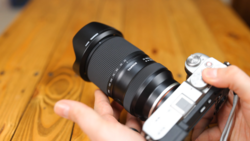
Coming to you from Christopher Frost, this clear-eyed video puts the Canon 45mm f/1.2 STM lens under lab-style pressure. Frost lays out the appeal fast: a full frame 45mm prime with an f/1.2 aperture at a price that usually buys a slower lens, not one built for heavy blur and dark rooms. You get the practical reasons people want 45mm, too, since it sits a touch wider than 50mm while still keeping your subject dominant in the frame. The early part of the review also flags that the fun comes with tradeoffs, and those tradeoffs show up in ways that can ruin a shoot if you don’t know what to watch for. Frost also calls out that the lens can produce gorgeous-looking images even when it isn’t clinically sharp, which matters if you prioritize feel over charts.
The lens is mostly plastic, light for what it is, and short on extras. Autofocus comes across as usable but not snappy, and the lens shows clear focus breathing, which can be distracting if you rack focus in video. Frost notes that newer Canon bodies can compensate for breathing in-camera, but you still need to know what your setup is doing before you rely on it. There’s also a quiet motor sound that your camera’s internal mic may pick up, so if you record audio on-body, you’ll want to pay attention to that.
Key Specs
-
Focal length: 45mm
-
Maximum aperture: f/1.2
-
Minimum aperture: f/16
-
Mount: Canon RF
-
Format coverage: full frame
-
Minimum focus distance: 45 cm
-
Maximum magnification: 0.13x (1:7.7)
-
Optical design: 9 elements in 7 groups
-
Diaphragm blades: 9
-
Focus: autofocus
-
Image stabilization: none
-
Filter size: 67 mm
-
Dimensions: 78 x 75 mm
-
Weight: 12.2 oz (346 g)
Frost shows a specific optical behavior that can make autofocus look fine at f/1.2, then strangely worse as you stop down a bit. He demonstrates it with side-by-side comparisons and explains what it means in real shooting, especially on older bodies like the Canon EOS R5. If you’ve ever shot a portrait at f/2, nailed focus, and still ended up with a file that feels slightly off, this is the kind of issue that can be the culprit. Frost also gets into corner behavior, where the lens can look rough wide open and then tighten up as you stop down, which affects how you approach environmental portraits, interiors, and night scenes.
The review doesn’t stay on charts, though. Frost checks distortion and vignetting by shooting in raw and removing corrections, and the lens leans hard on digital correction compared to what you might be used to from pricier primes. He also tests close focus, flare, coma, and sunstars, and some of those results are better than you’d expect at the price while others are exactly the compromises you fear with an f/1.2 bargain. Check out the video above for the full rundown from Frost.

Join the Fstoppers community for free
-
Post comments and join in the discussions
-
Browse the site ad-free
-
Share your work and get featured in the community
-
Compete in the photo contests for fun and prizes
1 Comment
A few years ago, there was a comparison test on YT with three Canon lenses, the plastic fantastic 50mm 1.8...the 50mm ef 1.4...and the 50mm L 1.2 ...the subjects were all the same at exactly the same distance, after mixing all the images up and without the viewer knowning what lens was used, none could see any difference beween the images, mostly guessing by judging the bookeh...so cheap can also mean very good IQ...the Canon 50mm 1.8 is still one of the best selling lenses world wide... for sure this Canon 45mm 1.2 for RF seems like a good bargain considering the extremly high prices for f1.2, f1.4 lenses...