
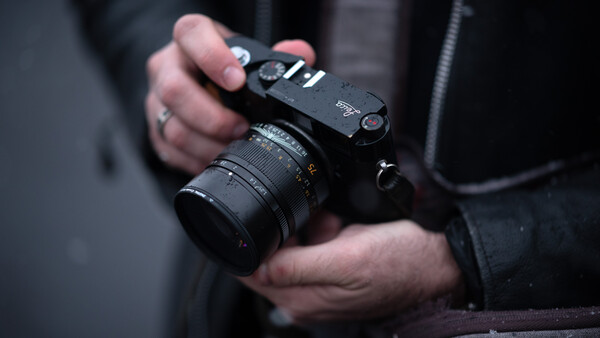
I've been struggling with how to describe my experience with the newly released 7Artisans 75mm f/1.25 II lens. Really, I've had two different experiences, both wildly in friction with one another.
On the one hand, the lens produced sharp images in a variety of settings and assignments with a pleasant bokeh and good color rendition. On the other hand, it took enough time to calibrate the lens that I feel the need to mention it here.
Still, if the final product is good enough, sometimes the juice is worth the squeeze. More on all that later.
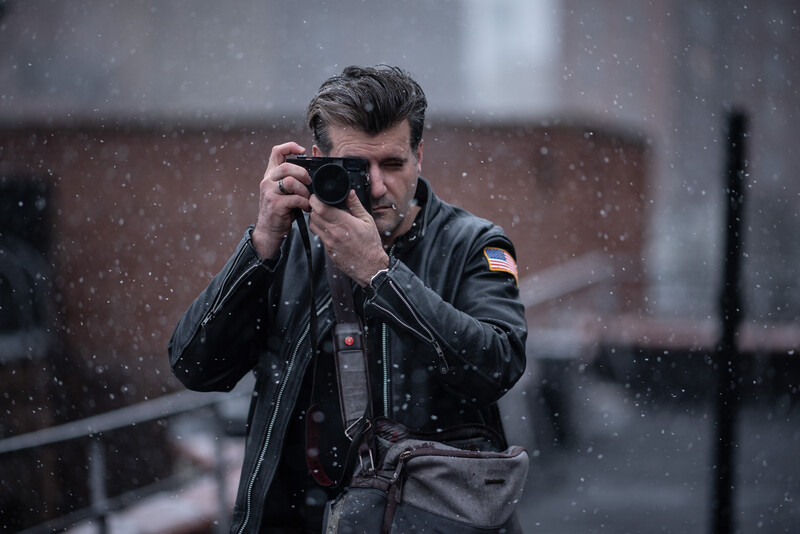
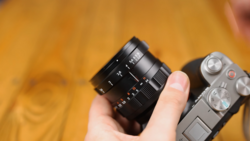
This isn't the first 7Artisans 75mm f/1.25; in fact, this version updates quite a few things. First, and perhaps most notably, this comes with a new optical formula for improved sharpness, contrast, and lower chromatic aberrations when shot wide open. Compared to the earlier design, there is a marked increase in image quality even shot at f/1.25. Additionally, the new design reduced weight, down from 600 g to 514 g. Out of the box, the all-metal construction has some heft, but not nearly so much that it was distracting or a pain to carry around.
I brought this with me on several assignments: covering an anti-ICE rally in Manhattan, the Mayor at a ground-breaking ceremony in Harlem, the Lunar New Year ceremonies downtown, and a series of portraits. For most of this I shot on my Leica MP. For more clinical testing I shot on a Nikon Z6 and a Nikon Z9, both with an M adapter.

The first story didn't focus correctly, and this is probably my biggest beef with the lens. Out of the box the lens was entirely uncalibrated, meaning almost every single shot taken at the ICE protest was out of focus. This was a problem — not an insurmountable one or even a particularly difficult one — but a problem all the same. I spent the better part of a day calibrating the lens. With a digital M body this is actually a fairly easy problem to solve — in fact, 7Artisans anticipates the need for calibration by providing the tools with the lens — but without it, it can be a bit more time consuming. There are a number of good videos out there on how to accomplish this, and the lens comes with instructions, but it was still a bit of a pain.
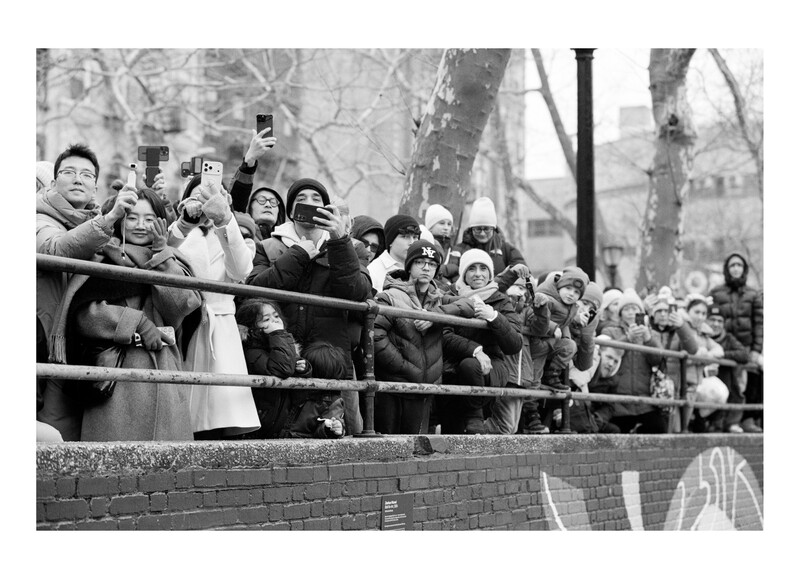
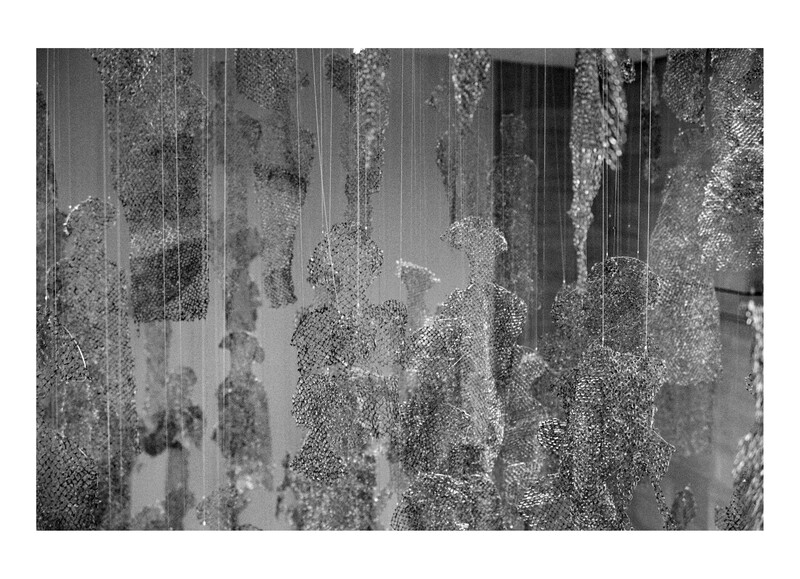
On-camera focus assist tools and micro-adjustment are almost mandatory if you want consistently sharp results at f/1.25. Even when perfectly calibrated, wide open the focus plane is razor-thin. On mirrorless systems like my Nikon Z bodies with focus peaking and magnified manual focus aids, you can compensate, but it underscores a broader truth: this isn't a plug-and-play lens.
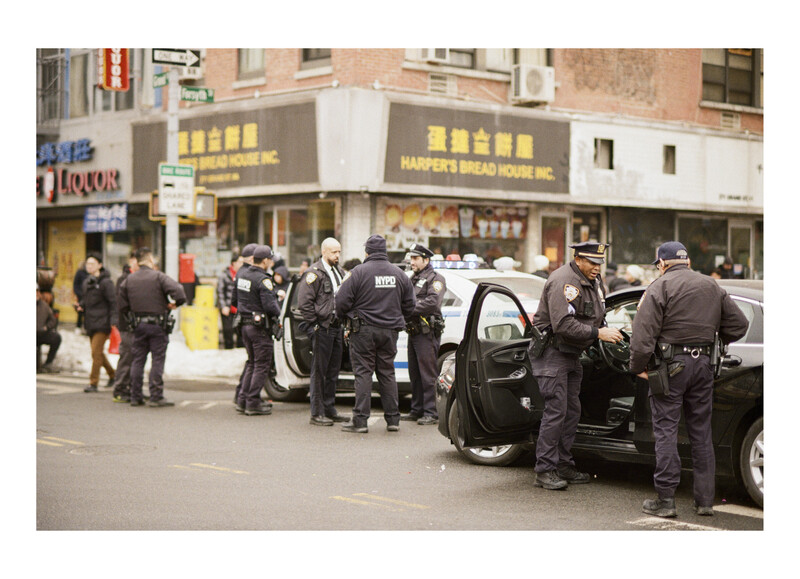
Testing the lens on my Z bodies suggested glass rich with promise, so I hunkered down and after a fair amount of tinkering I finally got it dialed in. The results were worth the effort. What stands out most about this 75mm is the quality of the glass itself. Stopping down just a bit from its widest aperture yields sharp, contrasty images with a pleasing three-dimensional feel. Colors are robust without veering into oversaturation, and the transition from in-focus to out-of-focus areas is smooth, giving portraits an almost painterly quality. At f/1.25, the shallow depth of field can be ideal for isolating subjects against a creamy background. While the lens does have some softness at the widest aperture, it's nothing that wouldn't be expected. My Nikkor 50mm f/1.2 AI-S performs at roughly the same quality, while my old Voigtländer Nokton 50mm f/1.1 is noticeably softer.
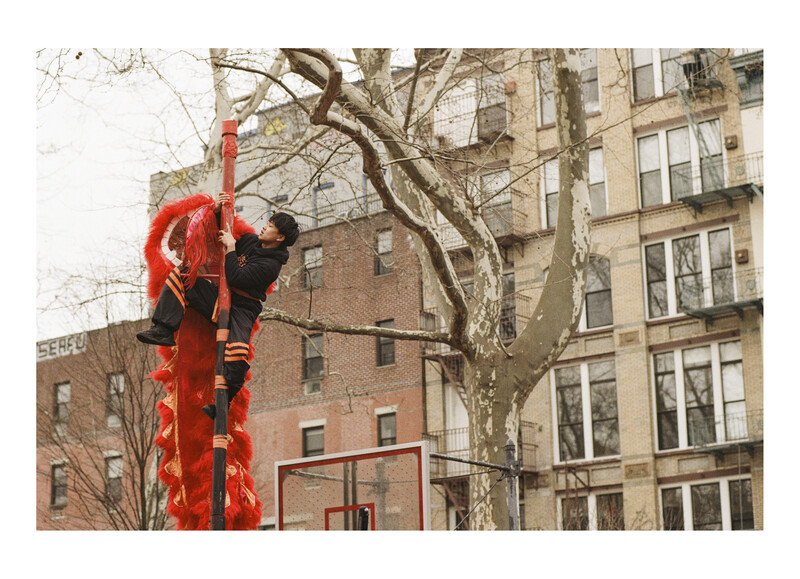
So, who is this lens designed for? As a news shooter, there's a lot this lens has going for it. Often I'm shooting in low-light environments, or areas where light values are constantly shifting. Moreover, there's value in being able to separate your subject from the background or isolate them in a crowd. For videographers, it's a unique and creative design perfect for natural light situations. Moreover, at $469 it's a great value for people who may not be able to afford dedicated M glass at the beginning of their careers — keep in mind that the closest analogue, the Leica Noctilux-M 75mm f/1.25 ASPH., will run you over $15,000. It's a lens that rewards patience and manual control, but it's not for anyone who expects perfect autofocus tracking or zero calibration out of the box.
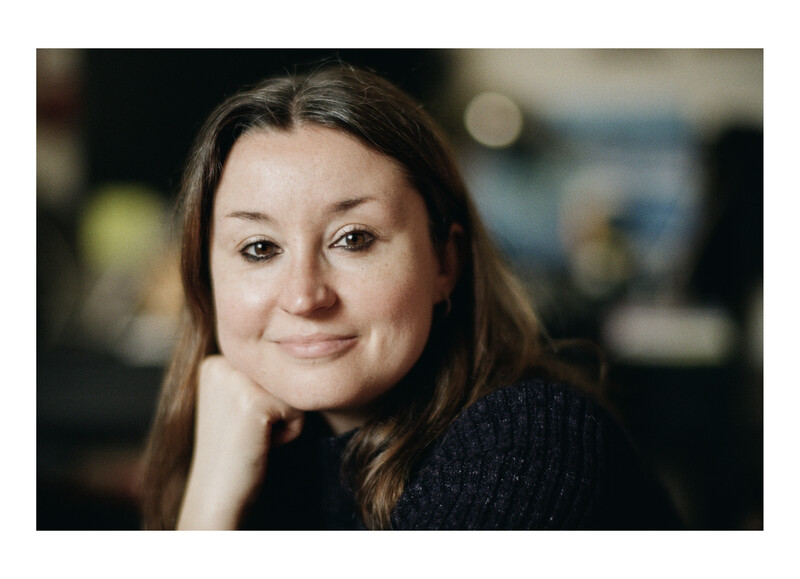
In the end, the 7Artisans 75mm f/1.25 II is a story of two experiences: one where the lens shows off its beautiful optical character, and another where it reminds you that attention to detail still matters. With a little patience, it can be a standout addition to any photographer's kit.


Join the Fstoppers community for free
-
Post comments and join in the discussions
-
Browse the site ad-free
-
Share your work and get featured in the community
-
Compete in the photo contests for fun and prizes
No comments yet