Choosing an everyday carry camera is harder than it looks. You're balancing size, image quality, and price, and most cameras force you to sacrifice at least one of them.
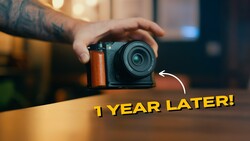
Coming to you from Thomas J McClure, this hands-on video puts the Fujifilm X-M5 through its paces as a real-world everyday carry camera. McClure has been testing cameras for a while, and this is the one he keeps reaching for when he's heading out for a coffee with his wife or scrambling up a trail. Priced around $800, though tariffs have pushed it closer to $900 depending on where you're buying, it's not a throwaway purchase, but it's close enough to one that McClure says if he breaks it, it won't hurt his business. He pairs it with a TTArtisan 27mm f/2.8 lens, which runs about $130 and produces a slightly swirly bokeh wide open that he finds interesting, though he tends to shoot it stopped down to around f/5.6 to f/8.
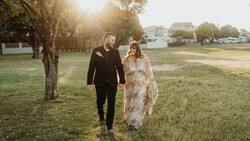
The X-M5 uses the Fuji X mount and an APS-C sensor, which means you have a huge range of lenses available. McClure is direct about its weaknesses: the autofocus is the worst he's tested across any camera he's reviewed, and it struggles noticeably in low light and crowded environments. He tried it at a wedding and got some solid shots, but it was clearly working harder than a more capable system would have to. For professional work, he reaches for his Lumix S1 II instead. The X-M5 isn't trying to be that camera, and McClure doesn't treat it like one.
What's interesting is where the X-M5 actually overdelivers. McClure mentions that the camera can record 6K open gate video, which is genuinely unusual for something this small and affordable. He mostly uses it as a photography-first camera, which he acknowledges is probably the opposite of what Fujifilm designed it for. The film simulation dial on top is a nice touch for anyone coming into the Fujifilm ecosystem fresh, though McClure settled on a custom preset early on and hasn't touched the dial much since. He does have a few complaints about the body itself, including limited physical controls and ports placed on the grip side, which gets in the way depending on how you're holding and using the camera.
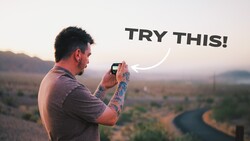
Toward the end of the video, McClure shoots some footage on a AstroHori 10mm lens, wrapping up his NAB trip in Nevada with a hike and some real-world stills. He walks through his final impressions on image quality and stabilization, or the lack of it, that you'll want to hear before deciding if this setup fits how you actually shoot. Check out the video above for the full rundown from McClure.

Join the Fstoppers community for free
-
Post comments and join in the discussions
-
Browse the site ad-free
-
Share your work and get featured in the community
-
Compete in the photo contests for fun and prizes
No comments yet