When you're trying to get closer to wildlife subjects, lens choice becomes critical. So, which of these Sony lenses is right for you?
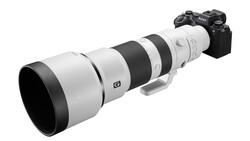
Coming to you from Andy Rouse, this insightful video tackles the comparison between Sony's FE 300mm f/2.8 GM OSS prime lens and the widely beloved FE 200-600mm f/5.6-6.3 G OSS zoom. Rouse has been testing the 300mm f/2.8 extensively. The 300mm f/2.8 costs approximately 2.5 times more than the 200-600mm, but Rouse argues that for serious work, the quality difference is substantial enough to matter. He emphasizes that with modern high-resolution cameras like the a1 Mark II, you can crop a 300mm image significantly and still maintain enough resolution for commercial use. The ability to think of the 300mm as effectively a 600mm lens through cropping changes the entire value proposition for professional work.
What makes this comparison particularly compelling is Rouse's real-world testing approach. He's been using both lenses for deer, bear, and bird work, giving him practical insights beyond just technical specifications. The 300mm f/2.8 performs exceptionally well with both 1.4x and 2x teleconverters, transforming into a 420mm f/4 or 600mm f/5.6 respectively, and Rouse notes that modern teleconverters are dramatically better than older versions that were essentially useless. The autofocus speed difference between the two lenses is significant, with the 300mm being much more responsive for fast-moving subjects. However, the fixed focal length creates obvious challenges, forcing you to physically move or constantly swap teleconverters rather than simply zooming. Rouse admits this became deeply annoying during his bear photography sessions.
The video reveals Rouse's honest assessment of both lenses' strengths and limitations in professional contexts where every bit of quality matters. He acknowledges that the 200-600mm remains an excellent travel lens with incredible versatility; it's what his partner uses for video work and what he considers perfect for general wildlife use. Meanwhile, the 300mm f/2.8 excels in situations demanding maximum image quality and speed, particularly for low-light scenarios and ultra-sharp results that can withstand extreme cropping. For wildlife work where you need the absolute best results, the 300mm's wider aperture and superior optics become crucial advantages. Rouse also discusses how the 300mm forces him to compose wider shots, which he sees as beneficial for creating more compelling images rather than always going for tight crops. His experience comes from years of using a 300mm f/2.8 early in his career, including capturing one of his best osprey images with the focal length.
The discussion extends beyond pure technical performance to practical considerations for working professionals. Rouse shares insights about his upcoming Ecuador trip where he plans to use the 300mm for hummingbird photography in cloud forest conditions where the wider aperture will prove invaluable. Check out the video above for the full rundown from Rouse.

Join the Fstoppers community for free
-
Post comments and join in the discussions
-
Browse the site ad-free
-
Share your work and get featured in the community
-
Compete in the photo contests for fun and prizes
No comments yet