A 200mm f/2 telephoto lens isn’t for casual shooting. It’s heavy, demanding, and built for moments when you want striking compression and clean separation from the background. If you shoot portraits or cinematic close-ups, lenses like this turn ordinary scenes into something surreal. That’s why understanding what makes this one special can save you from spending on the wrong kind of “dream” glass.
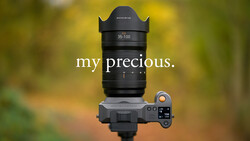
Coming to you from Julia Trotti, this detailed video takes a close look at the Venus Optics 200mm f/2 AF FF Telephoto Prime lens. Trotti runs it through both photo and video tests, using the Sony a7 IV for stills and the a9 III for motion. Image quality comes first. She shoots portraits in glowing sunlight, capturing fine skin texture and smooth transitions between sharp and blurred areas. At close distances, the lens produces crisp, detailed headshots with a creamy falloff that’s hard to fake. Sharpness softens slightly at mid-range, but that can be cleaned up with a touch of post sharpening. Colors are neutral and balanced, matching well with Sony’s GM lenses.
Key Specs
-
Format: Full Frame
-
Lens Mount: Sony FE
-
Focal Length: 200mm
-
Aperture Range: f/2–f/22
-
Lens Structure: 11 Elements in 9 Groups
-
Aperture Blades: 9
-
Minimum Focus Distance: 4.9 ft / 1.5 m
-
Maximum Magnification: 1.5:1
-
Focus Modes: Auto, Manual
-
Filter Thread: Front 105mm, Rear 43mm
-
Length: 6.88 in / 174.8 mm
-
Weight: 3.5 lb / 1.588 kg
Trotti finds the autofocus reliable when subjects are still or moving gently. It locks on quickly, though it can slip during fast motion toward the camera, a common issue with telephoto primes. Stationary portraits look flawless, while walking sequences show some minor misfocus. The autofocus performance suits portraits and controlled video shoots more than sports or unpredictable movement. When she compares it with the Sony 70-200mm f/2.8 GM II, the difference in background separation is clear. The Venus Optics produces an even creamier blur, but the zoom’s flexibility makes it more practical in many situations.
Build quality is sturdy. The lens weighs about 1.5 kilograms, roughly 100 grams heavier than the Sigma 135mm f/1.4 DG DN, but that’s fair for a 200mm f/2. It includes a focus limiter, a click switch, and five customizable buttons that all share the same function. The 105mm front filter thread is massive, though it adds a 43mm rear filter holder to save you from buying oversized filters. There’s also a detachable tripod collar and lens hood included.
Bokeh is soft and round at f/2, with only slight texture. Stop down to f/2.2 and you’ll start to see geometric edges form in the highlights, becoming more pronounced at narrower apertures. Lens flare is well controlled and often pleasing, with rainbow-like streaks in backlit shots. Chromatic aberration is almost nonexistent, even in high-contrast lighting. The lens handles color fringing better than expected for such a fast telephoto.
For video, Trotti shoots at a high frame rate on the a9 III to smooth out handheld motion. The results look cinematic, especially at close range. Sharpness drops at longer distances, but that’s typical at this focal length. The dreamy compression and background melt make it ideal for stylized portrait films or editorial sequences where depth and separation matter more than flexibility. Check out the video above for the full rundown from Trotti.




Join the Fstoppers community for free
-
Post comments and join in the discussions
-
Browse the site ad-free
-
Share your work and get featured in the community
-
Compete in the photo contests for fun and prizes
No comments yet