The Fuji X-T2 And Remembering Photography Is Fun
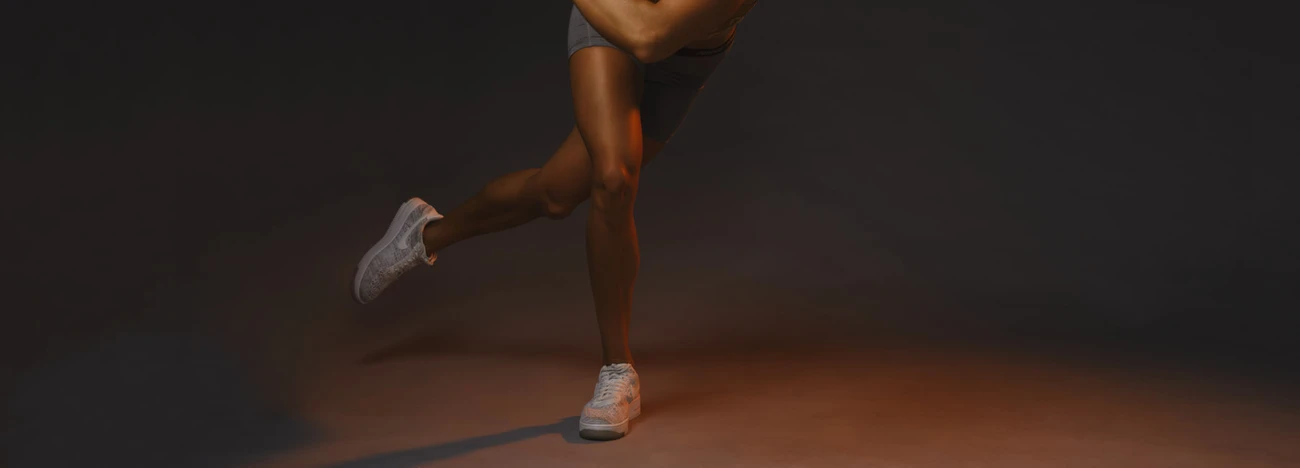
Why would a full frame Nikon man spend his hard earned dollars to buy a crop sensor Fuji? Well, the answer is more basic than one might think.


Why would a full frame Nikon man spend his hard earned dollars to buy a crop sensor Fuji? Well, the answer is more basic than one might think.
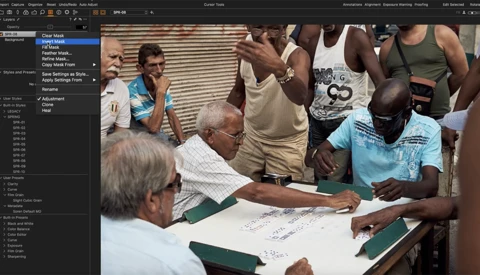
While the boosted productivity and easy collaboration with clients was my main reason for shifting to a full Capture One universe, it was the ability to use preset styles that initially drew my attention.

So how did one of the most admired cinematographers of all time revolutionize both cinema and television with two vastly different styles?
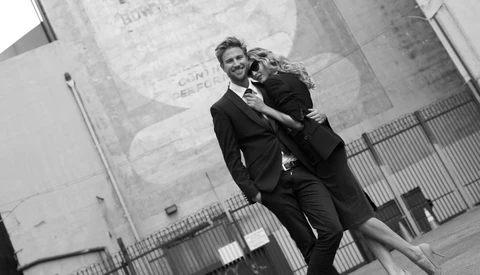
Today, I conclude my two part essay about a difficult two months of negotiation over a commercial photography shoot that may not have ultimately come to fruition, but taught very valuable lessons along the way.
After a lengthy and involved negotiation for a large commercial project came to an unfortunate conclusion, I wanted to share some of the lessons I learned that may help you in your future business.
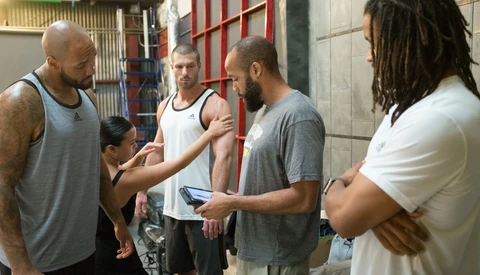
As I sit in my office today, subject of an unintentional silence, I am forced to reflect on the importance of communication in my ability to perform my job as a photographer.
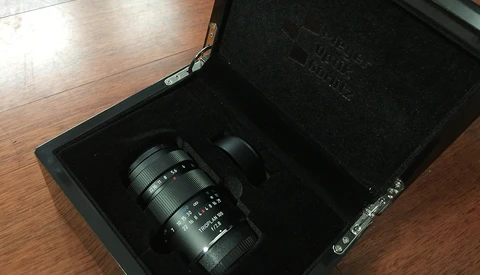
As a photographer, your camera body is only half the battle. Lenses play a supreme role in deciding overall image quality. Today I got a chance to work with two new manual lenses from Meyer Optik Goerlitz, the Primoplan 58mm f/1.9 and the Trioplan 100mm f/2.8.
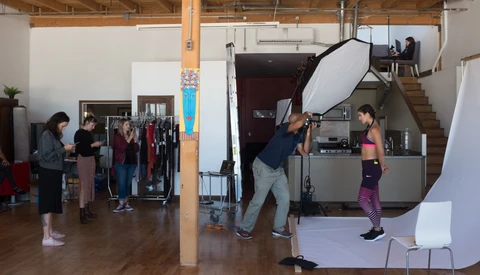
As you begin to get bigger and bigger jobs, it will soon be increasingly obvious that much of your success will be derived from the team members you choose to surround yourself with. No matter how good you may be, having an equally if not more qualified team surrounding you can make the difference between an average photograph and a great one.
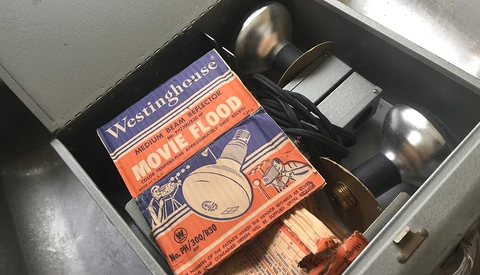
A recent trip down memory lane reminded me that sometimes the best place to look for something new, is a to remember something old.
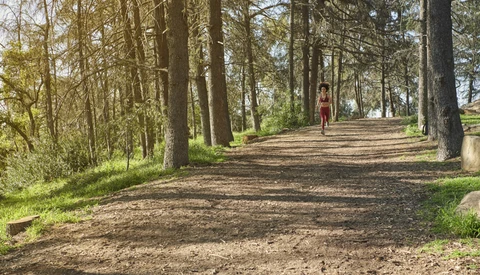
While it is tempting to constantly compare ourselves to other photographers, it’s important to remind ourselves of what we already know: the quality of art cannot be measured in numbers.
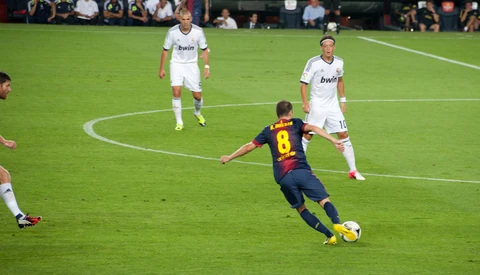
Sometimes the best lessons in photography can come from sources far from the art world. Last week I saw an image that helped to remind me of one of the best lessons for a successful business and a successful life.
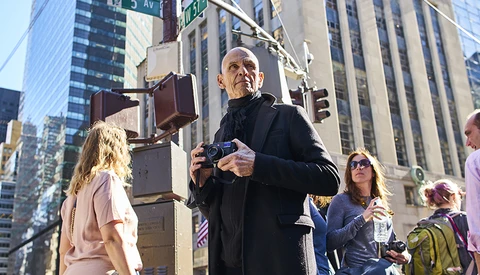
In the new online course from Masters of Photography, street photography icon Joel Meyerowitz discusses his career, his technique, and teaches students how to apply those lessons in becoming a better photographer.

Some of you may already know how big a fan I am of Capture One. Making the change to Capture One as the primary tool for my workflow has sent my productivity into hyperdrive, the photographic equivalent of adding NOS to my tank (or whatever it is they use to make cars fly in "The Fast and The Furious").

Women Photograph, an initiative launched in 2017 aimed at giving greater voice to the female photojournalism community has teamed with Nikon and Getty Images to offer $35,000 worth of grants to up-and-coming and established photographers around the world.
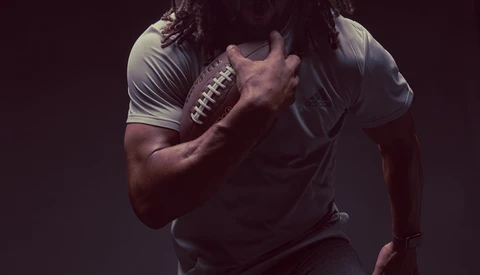
Today I take a trip down memory lane to identify a few of the television commercials that, for me, have exceeded the level of infomercial pitch to touch the mantle of enveloping art. As with any "tops of all time list," these are thoughts are completely subjective, but I'll do my best to explain my thinking behind each choice and hopefully, my list will inspire you to start thinking of your own.

On a multi-day assignment in Portland last week, I took advantage of my day off between assignments to experiment with the Sony a7R III and try it out in my normal workflow.
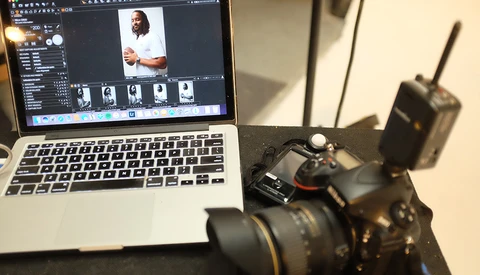
There are several different methods for tethering during a photo session and there are multiple methods for organizing one’s archives. But my gradual progression to a Capture One driven universe has immensely streamlined my photography process and boosted my business.

While I was initially slow to adopt the notion of being literally tied to an external machine while I went full throttle through my photo shoots, I’ve found the process not only beneficial, but absolutely essential.
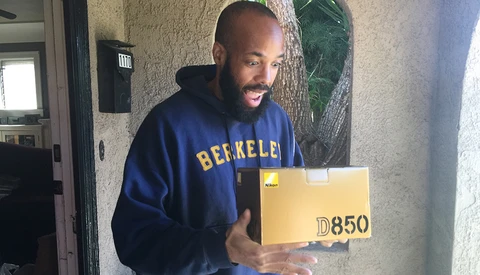
After many long months of waiting, my new D850 has finally arrived! If you read my previous article about the joy/trauma of being on backorder, you’ll probably have some inkling of how excited I am at the moment. But as this is not my first new arrival and most, if not all of you, have experienced the same situation, I thought I’d take a moment to try and describe our universal moment.
After receiving yet another email stating that my new camera order is still backordered, it is becoming even more difficult to fight the urge to look at other options.
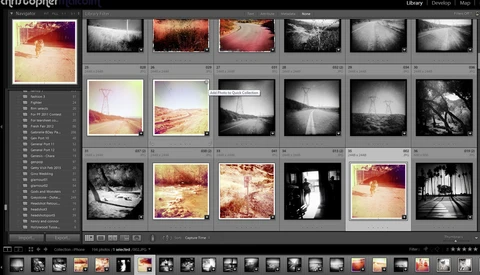
For any of you out there who are like me and move between PC and Mac for your workflow, or those who are considering migrating your workflow completely from the Windows world to the Mac environment, here is a simple step-by-step guide for moving over your most important asset.
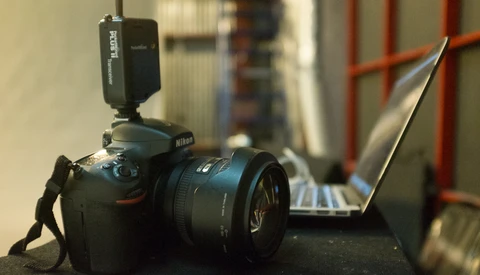
As I await the arrival of my new Nikon D850, I’ve spent more than my fair share of time over the past couple of months pouring over specs, B&H user comments, Fstoppers reviews, and YouTube unboxings. I’ve read all there is to read about my new camera, as well as its closest competitors, to get the best advice on the ideal use of my hard-earned money. Of course, one person's answer as to why I definitely should buy a certain camera is the same as another person's answer as to why I definitely should not buy the exact same camera. So which camera is right for me? And at the risk of sounding self-absorbed, the emphasis is on the word “me.”
In the grand tradition of turning lemons into lemonade, I thought I would share with you a quick story about how a less than desirable situation for me this weekend turned into a chance to improve my business and my approach.
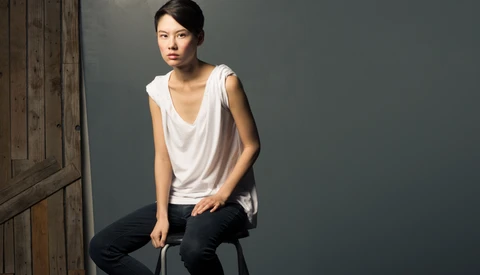
As I set up to shoot an assignment last week, I found myself in a casual conversation with the owner of the location. He was also a photographer, and as I opened my Pelican case and began to set up my strobes, he commented on the fact that he owned the same one. He then lamented the fact that this particular kit was no longer made by the manufacturer. It had been discontinued and replaced by a new line of photographic debutants. I had no idea.

I’ve written extensively about it before, but, like most business lessons, the message bears repeating. In a marketplace simply inundated with competition from around the globe, it has never been more important for photographers to find their specific niche in the marketplace.
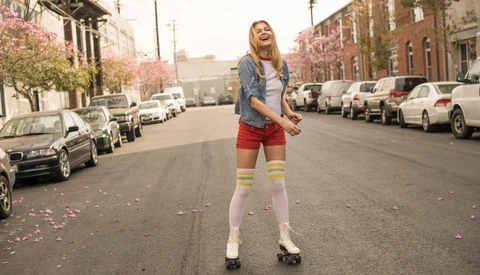
Welcome to the new year. As a new set of days arrives, I wanted to share a quick thought on one thing all photographers should remember, but can be easy to forget.
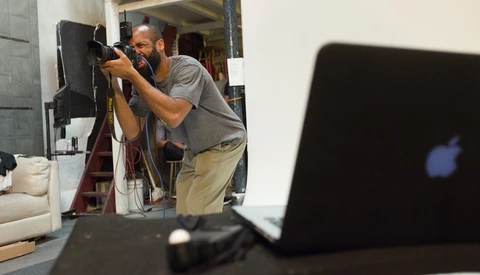
I hold these truths to be self-evident. One, things don’t always go the way we’d like them to. And two, how we respond to failure is equally, if not more important than how we deal with success.
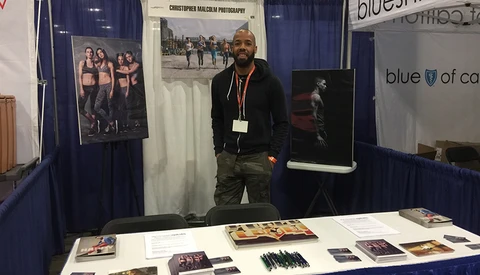
As the year draws to a close, I'd like to share a personal story of my own journey. While everyone's story is different, I hope that you are able to find some lessons in both my wins and losses that will help you to push forward and make the coming year even better than the last.

Sometimes it pays to try and identify the key virtues I have found in others that help them build their career, their life, and make their dreams a reality. Today’s hidden skillset? Taking advantage of opportunities.
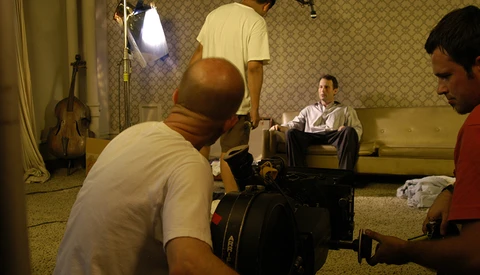
With the advent of digital photography, more shutterbugs than ever have taken to calling themselves photographers and many have even gone into business for themselves. Now, with those same digital camera manufacturers offering better and better video options embedded into each iteration of their flagship still cameras, more and more photographers have added the word “filmmaker” to our business cards and taken aim at everything from short films to features. But being a real filmmaker requires more than the ability to just produce stunning images.
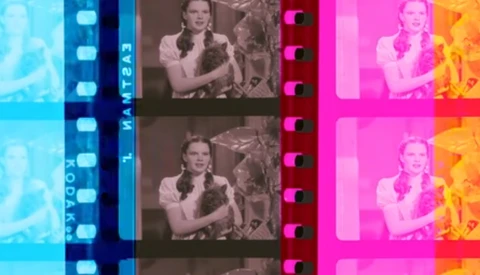
In a world where flipping our images between color and black and white is as simple as the click of the mouse, photographers and cinematographers today aren’t often tasked with knowing the complexity of how those vibrant colors actually come into existence. But in the early days of cinema, when competing processes for color reproduction took turns as the next best innovation, one name reigned supreme: Technicolor.
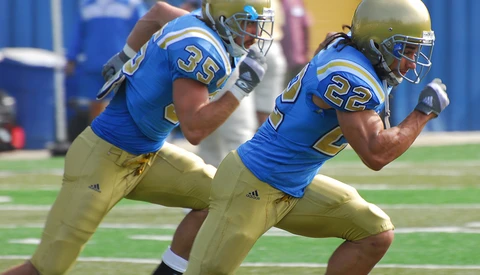
In this series, I attempt to identify the key professional virtues I have found to be the most important in building my own career, as well as identifying traits of other successful photographers that are most key to their success. Today’s virtue: teamwork.
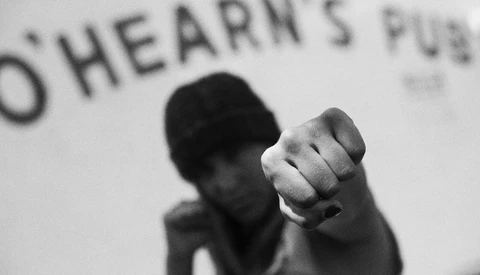
In this series, I attempt to identify the key professional virtues I have found to be the most important in building my own career, as well as identifying traits of other successful photographers that are most key to their success. Today's Word of The Week? Standards.
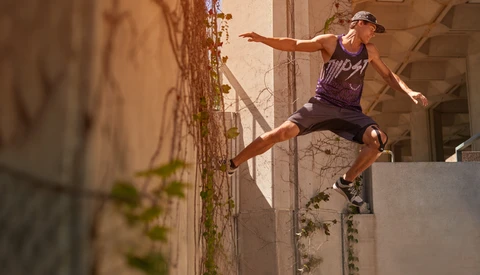
In this series, I attempt to identify the key professional virtues I have found to be the most important in building my own career, as well as identifying traits of other successful photographers and business leaders that are most key to their success. Today’s virtue: adaptability.

“Never say never.” That’s what they always say. But, as hard as I try to adhere to that message, there are a few things I swore I would never do again. Yet last week I found myself doing just one of those things. Even worse, it was my idea. And to my surprise, it was a good one.