


Boston Drone Film Festival: November 15th and 16th
If you live in or are traveling to the Boston area next weekend, be sure to check out the city's first Drone Film Festival for some inspiration for your next project.
If you live in or are traveling to the Boston area next weekend, be sure to check out the city's first Drone Film Festival for some inspiration for your next project.

I recently co-hosted a Webinar on underwater and wildlife photography with my fellow Fstopper’s writer, Mike O’Leary.

Calling all nature photographers and filmmakers. A groundbreaking new media platform designed to connect more of us to nature is launching its apps' first beta iteration this week.

Photographing whale sharks tends to be a top bucket list item for many underwater image-makers, and for good reason. The largest fish in the sea, whale sharks offer uniquely special photo opportunities. For those of you who have yet to photograph one of these gentle giants, I’ve put together a few tips to keep in mind for that first encounter.
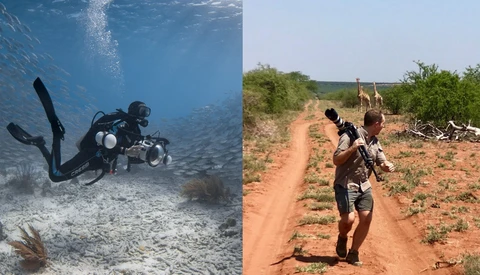
Photography can be a lonely journey for some.
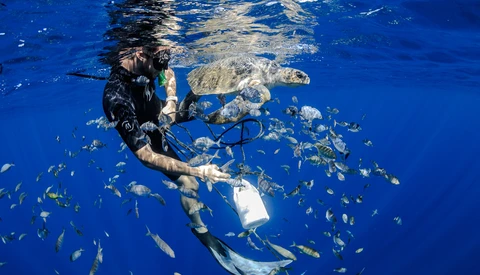
In my last "Behind the Image" article I talked about looking where other photographers aren't. This week I'd like to talk about the importance of being ready for just about anything — particularly when it comes to wildlife photography, as well as how images can impact our behaviors.
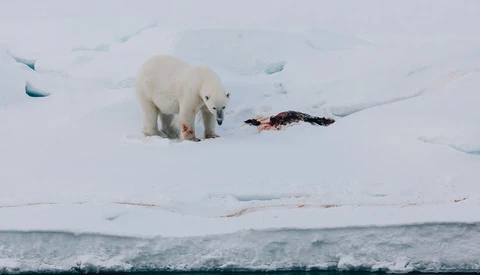
Every image has a story behind it, and while some can be more obvious than others, a few also provide important insights from which photographers can learn.
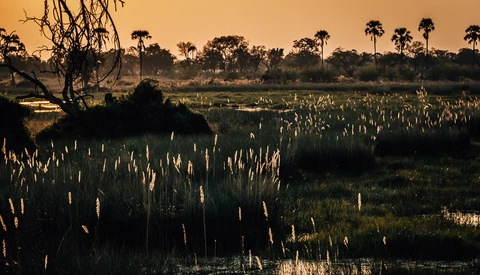
More and more, we are seeing headlines about how doctors are prescribing patients time outdoors. Ailments such as obesity, anxiety, and high blood pressure are just some of the issues nature can help with. As photographers, we spend more time than we care to admit in front of screens. This can lead to depression and other issues.

When I moved to Singapore in 2010, I picked up both scuba diving and underwater photography. As many divers do, I began traveling with my local dive club. It was a great group of Singaporeans and expats and I loved each and every adventure. While it was good fun, I eventually realized traveling with groups that weren’t focused on photography was not ideal.
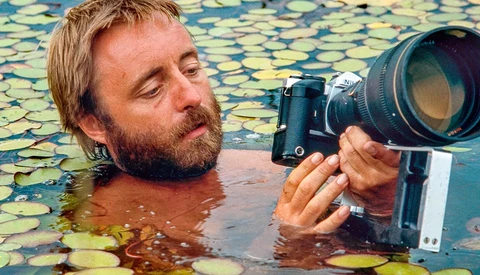
If you are an avid outdoor photographer like myself and will be in the New York area next week, you’ll be delighted to know B&H Photo and Video is holding their annual OPTIC Outdoor, Photo/Video, Travel Imaging Conference this coming June 2-5.

It has been some time since Adobe last released a new control to Lightroom, and as such, I was very keen to try out their latest addition — the “Texture” slider. Since a good majority of my work is underwater, I was of course interested in what value it could add to underwater images.
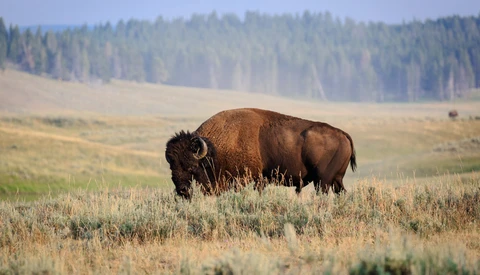
As I’m preparing to search for black bears to photograph, my personal safety has certainly come to mind a few times. When photographing wildlife, the combined safety of both ourselves and the species we are seeking out should be the top priority. In this article, I go over a few things to keep in mind when you head out into the great outdoors with your camera.
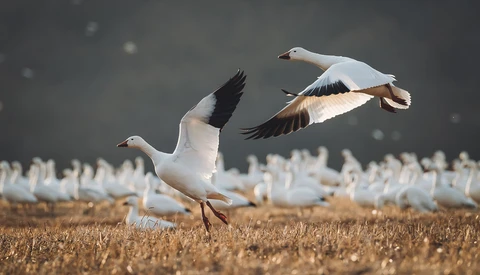
Capturing an image is one of many steps in the process of putting together a photographic body of work. While titling your images is not obligatory, if you are thinking of exhibiting them or submitting to competitions, then this can be an important step. Although this can sometimes seem daunting, it need not be. If you’ve struggled with this, then read on.
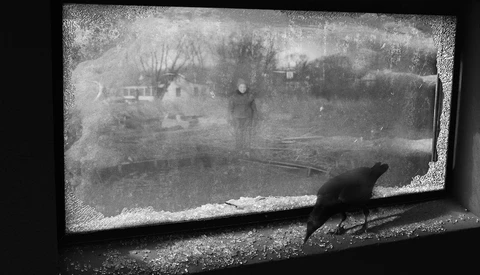
For many of us, the tragic event at Notre Dame Cathedral in Paris served as a stark reminder of how fragile and delicate the remnants of our human past can be. Whether globally historic or personally sentimental, we are all connected to the past.

Plans are good. Most of us live by plans, and we like things to go as planned. But sometimes just showing up and going with the flow can yield immense rewards for photographers.

Shark photography is a popular and exciting part of shooting underwater. Many photographers travel the world over to get up close and personal with these mysterious creatures. If you are planning to start photographing sharks, it’s important to have a read through some of the items below to keep yourself and the very creatures you are in awe of safe.
While I use many different tools throughout the course of a day, there are a few that I have found to be indispensable to my business. Oddly, they don’t have a whole lot to do with photography. Yet, having them in my life allows me to be more productive and stay focused on what matters most to me: photography.

The 7th Annual Ocean Art underwater photography competition winners were announced this week. The competition sorted through thousands of entries from across 70 countries and consisted of 16 categories ranging from Wide-Angle and Super Macro to Cold Water and Marine Life Behavior.

As more and more photographers find themselves shooting below the waves, it’s important to discuss proper underwater photography etiquette, reflect on our own behavior underwater, and address poor behavior when it occurs.

Could a very niche genre of underwater photography, that people travel great distances for, be capable of protecting bizarre critters few know exist?

Trying to choose the right underwater housing can be overwhelming. Depending on the camera body you have, an underwater housing can easily be double what the camera cost. How can you be sure it’s the right fit before you splurge on this expensive piece of gear?

New underwater photographers often ask me what my favorite lens is for creating underwater images. And while I have a few different lenses that I shoot with underwater, none get used more than my Tokina AF 10-17mm f/3.5-4.5 AT-X 107 AF DX Fisheye Zoom Lens.

Are you new to underwater photography, or need to brush up a bit? Unsure where to get your feet wet first? While there are many ideal places around the world that are perfect for beginners, I've compiled a few of the spots that I love for their calm conditions, easy entries, and photographic opportunities.

If there is one creature I could spend the rest of my days photographing it is the California sea lion. These acrobatic pinnipeds commonly known as the “puppies of the sea” never disappoint and are by far the most playful of all marine life I have encountered.

Last week GoPro and the Professional Association of Diving Instructors, commonly known as PADI, made an announcement in Las Vegas, Nevada about their new collaboration.

Sometimes, it can feel really daunting to try to create original images like no one has ever seen before. With social media oversaturated with photography, it often seems like we have captured it all.
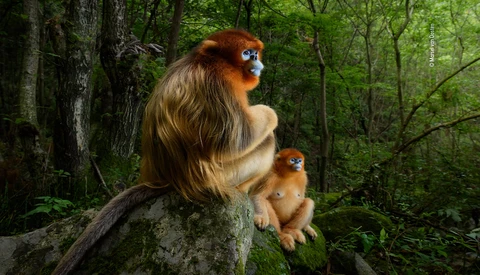
While the awards ceremony for the 54th Wildlife Photographer of the Year competition wrapped up last week in London, the prestigious competition opens its doors today for submissions to 2019's Wildlife Photographer of the Year competition. For those who are keen to get involved in this next competition, I highly recommend it.
A film festival dedicated strictly to wildlife conservation films kicks off its eighth year in New York City later this week. Over the course of ten days, the Wildlife Conservation Film Festival will screen over 100 documentary films from around the world, many of which are world premieres.

Long revered as the top smartphone camera while still playing second or third fiddle in the market, Google has managed a coup in luring legendary American portrait photographer Annie Leibovitz as an official user and backer.

Adobe recently released their latest versions of both Photoshop Elements and Premiere Elements, which are entry-level versions of Photoshop and Premiere Pro. As expected, the 2019 photo and video editing versions have received a few upgrades.

Australian wildlife photographer, Scott Portelli, has spent the better part of two decades freediving with humpback whales around the tiny South Pacific island nation of Tonga. In this video, Portelli, one of Australia's top wildlife photographers, captures stunning aerial and underwater footage of one of nature's most amazing eve

As we are now in the middle of the white shark season in Guadalupe, Mexico, many shark lovers are preparing to make their way to the waters surrounding the volcanic island situated 150 miles off the western coast of the Baja Peninsula.

Brian Raymond, a lifelong fisherman turned shark dive operator and photographer, recently shared some powerful and disturbing images he captured of bycatch in the waters off of southern New England. Bycatch refers to unintended species that are caught while fishing for another species and is a regular occurrence in commercial fishing.
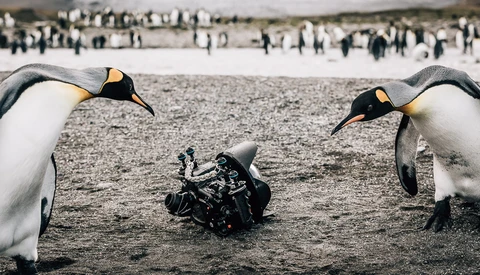
Over the years, I’ve acquired an interesting array of “tools” that I use for setting up and maintaining my underwater camera housing. I wish I had known earlier about some of the items I travel with, as they have made my life quite a bit easier.
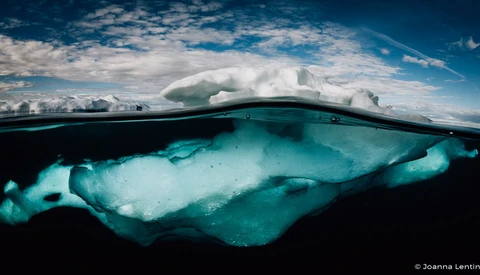
I never tire of creating over-under water images, a technique advanced and popularized by National Geographic photographer David Doubilet. The over-under or half and half image provides a window into two very different worlds in a single frame, and if done well can be a powerful tool in fostering a greater appreciation for the other 71 percent of our planet.