Profile picture for Michael Rudzikewycz
Staff Writer

Michael Rudzikewycz

Bethlehem, PA
2 Entered Contest badge

Articles from Michael Rudzikewycz

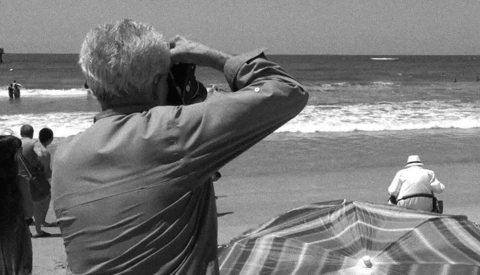
John Free and the Purpose of Photography

Washington Irving’s classic story of the Headless Horseman saw Sleepy Hollow, New York, as its setting. The village was officially known as North Tarrytown until it adopted the name Sleepy Hollow in 1996. Nearby Tarrytown, a historic village on the eastern bank of the Hudson River, was where photographer John Free was born.
Before Cartier-Bresson, There Was André Kertész

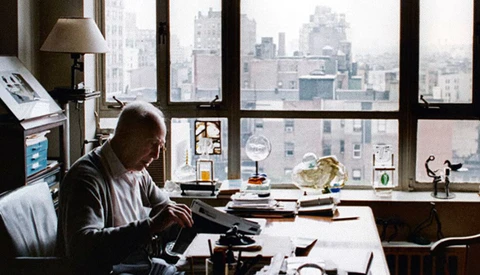
Long before many of the photographers we now refer to as masters of the art of photography, André Kertész was quietly changing what photography could be. Born in Hungary in 1894, Kertész wasn't chasing the spectacle or the drama.

Matt Black: The Geography of Poverty

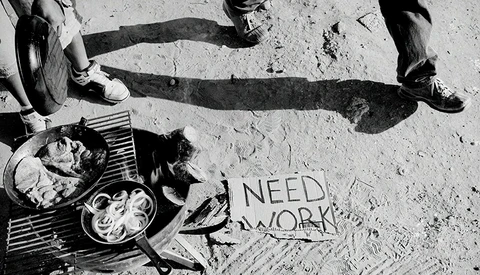
Matt Black has spent much of his career doing something most photographers avoid: staying uncomfortable long enough that it stops being a moment and instead starts becoming a pattern. A member of Magnum Photos, Black is best known for his long-term project American Geography, a six-year journey across the United States in which he traveled over 100,000 miles and 46 states.

The Shot Seen Around the World: How a Photo Can Reveal and Omit

On February 1, 1968, Associated Press photographer Eddie Adams was on the streets of Saigon in South Vietnam with his camera to capture the moments during the Tet Offensive during the Vietnam War. It was here when he captured a moment that would end up becoming one of the most influential photos in modern history.  

Trent Parke: Light and Shadow Poetry

Trent Parke stands among Australia’s most celebrated contemporary photographers, known for his ability to transform ordinary scenes into something extraordinary. His work, with the use of deep contrasts along a cinematic intensity, explores the boundaries of human existence. With his camera, Parke captures not just what we see, but what we can feel.

Don McCullin: Palmyra and What War Destroys

Few photographers have stared into the heart of conflict like Sir Don McCullin. For more than two decades, his black-and-white images defined what it meant to document war. Stark, empathetic portraits of soldiers, civilians, and refugees caught in the chaos of Vietnam, Cyprus, Biafra, and Northern Ireland with his unglamorous photographs.

Chas Gerretsen: War Photographer Goes to Hollywood

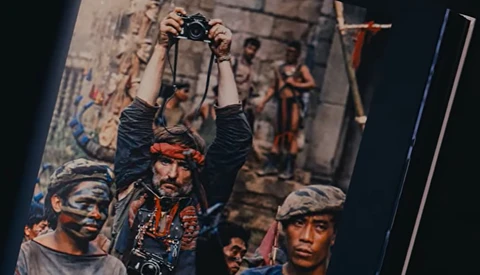
Renowned Dutch photojournalist Chas Gerretsen is best known for his raw and emotional war photography captured during the Vietnam War and the hostile and violent political turmoil in Chile. However, his career took an interesting turn when he found himself exhausted from covering global conflicts.

Franco Fontana’s World of Bold, Abstract Color

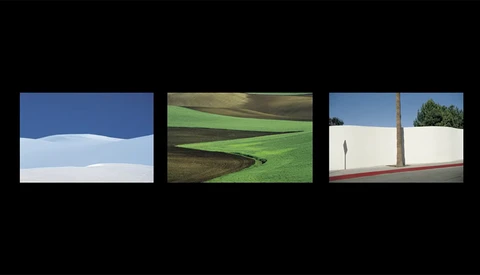
Franco Fontana, born in Modena, Italy, is a photographer who built his career on a simple—but, at the time, radical—approach to photography: the use of color. At the time Fontana was working his way through the art world, black and white photos dominated the medium.  

Joe Rosenthal: The Man Behind the Iwo Jima Flag Raising Photograph

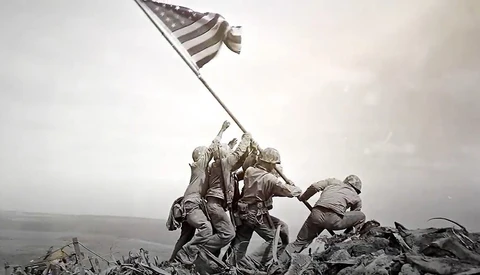
On February 23, 1945, during the Battle of Iwo Jima, six men—five U.S. Marines and a U.S. Navy corpsman—raised an American flag atop Mount Suribachi. Joe Rosenthal, a photographer with the Associated Press, happened to put himself in the right place at the right time.

A Connection to the Past: The Most Important Role of a Camera

As photographers, we can often get lost in the art of composition, lighting, and creative expression. We love the challenge of capturing a scene that tells a story, evokes an emotional response, or simply looks stunning. But beyond a camera's function as a creative tool, its most important role is its ability to preserve memories and offer a connection to the past. 

Many Saw Vandalism, She Saw Art

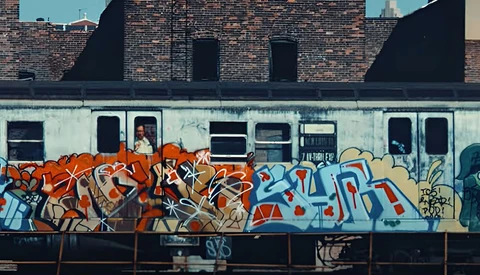
Photographer Martha Cooper has made a lasting impact on both the world of photography and the art world as a whole. Renowned for her documentation of urban street art and graffiti culture, Cooper's career reflects her deep passion for storytelling and her remarkable ability to capture everyday moments. Her work transcends photography, serving as historical records of cultural movements.

Bill Brandt: Illuminating the World

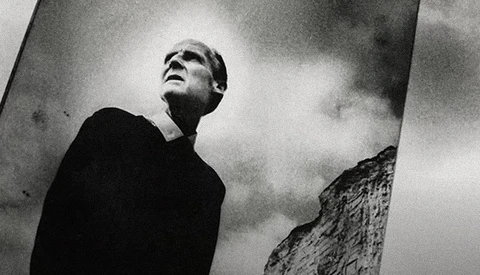
Bill Brandt, a notable photographer of the 20th century, left a lasting mark on the world of photography. This German-born photographer's contribution to photography was his ability to elevate the mundane and the ordinary into something extraordinary.

Saul Leiter's Innovation and Timelessness

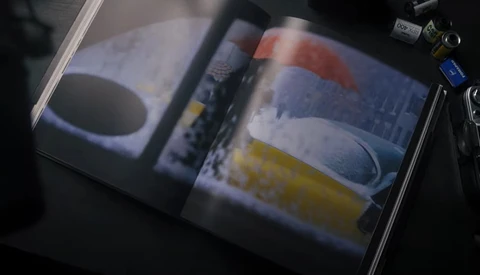
Saul Leiter, an American photographer and painter, is now widely regarded for his pioneering work in color photography. Although he initially pursued a career in painting, Leiter’s introduction to photography came in the early 1940s when he moved from Pittsburgh, Pennsylvania, to New York City.

In What is Left Unsaid: Photography, Ink Painting, and Empty Spaces

Creativity thrives on diversity. As artists, it's natural to seek inspiration within our own medium of photography. However, the true magic often happens when we venture beyond the boundaries of our craft and explore the vast landscape of other artistic realms.

The Art of Stills Photography on Movie Sets

Stills photography on movie sets is a specialized and vital aspect of the filmmaking process. While the primary focus during film production is on capturing moving images, stills photographers play a crucial role in documenting the creation of a film and providing essential marketing material.

The Parallel Visions of Mark Rothko and Hiroshi Sugimoto

Abstract expressionist painter Mark Rothko and photographer and contemporary artist Hiroshi Sugimoto, though working in different mediums, exhibit strikingly similar artistic sensibilities. Both artists engage deeply with abstraction and the exploration of perception, creating works that transcend their physical forms and can evoke profound emotional and philosophical responses from viewers.

Capturing Humanity Through the Lens: Kevin Carter

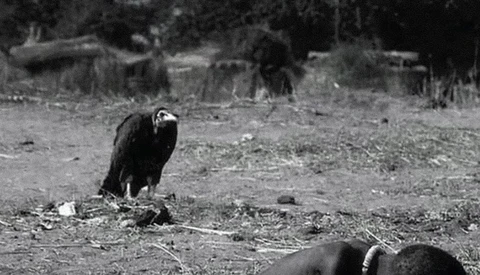
In 1993, Kevin Carter, a South African photojournalist, etched his name in photography history with one poignant image that encapsulated the harsh realities of the world. The iconic photograph, "Vulture and the Little Girl," stirred emotions, sparked debates, and shed light on the famine-stricken Sudan.

Lee Miller: From Model to Photographer

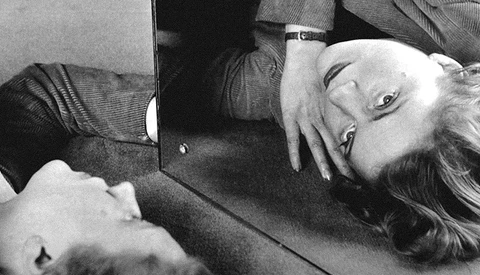
Lee Miller, an artist and pioneering photographer, left a mark on the world of photography and the broader art scene. Her creativity and a keen eye for capturing the essence of moments, have solidified her place as a trailblazer in the field. 

His Last Photograph on the Last Day: Hugh F. McHugh

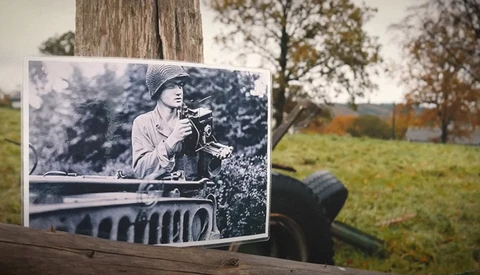
In the waning days of World War II, the German army unleashed a massive, surprise attack on the Allied forces in the Western Theater with the hope of extending the lifeline of their military forces. This attack created a bulging salient in the Allied lines along the Ardennes Forest in Belgium.

The American West and Richard Avedon

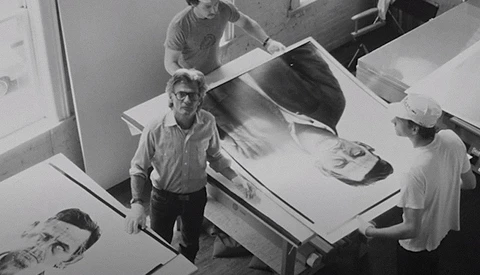
In the early 1980s, famed fashion and portrait photographer Richard Avedon embarked on a project to create a collection of portraits that aimed to depict the people of the American West in a raw and unembellished manner.

Photographer Jacques Henri-Lartigue and Wes Anderson

Photography has always been a medium to preserve moments and memories, but for some artists, it serves as a source of inspiration and a window into the past. One such artist is the renowned filmmaker Wes Anderson, known for his distinct and visually captivating cinematic style, which draws upon the work of French photographer Jacques Henri-Lartigue to infuse his films. While the

Humanity in the Horror: Photographer Giles Duley

War photography is a genre that transcends mere visual documentation. It is a testament to the human spirit, a mirror to society, and a call for change.  The photographs created are ones that must be shown to the public. We tend to hear sound bites from politicians talking about going to war and the devastation it will bring.

Robert Capa at D-Day: What Was and Could've Been

In the archives of photography, few moments have been as pivotal as Robert Capa's coverage of the D-Day landings on June 6, 1944. Capa stepped onto the beaches of Normandy and captured the raw intensity of one of the most significant events of World War II, and, it can be argued, one of the most significant events in history.

Through the Lens of History: American Civil War Photography

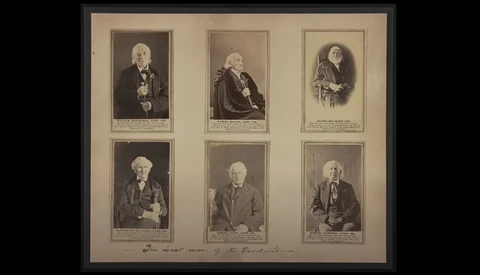
In today's age, billions of photographs are uploaded to the internet. We're accustomed to it. It's the norm. However, like anything on this planet, it started somewhere and some time. Photography was invented in 1822, 39 years before the opening shots of the American Civil War. Digital photography made its appearance 48 years ago.

Because He Was an Artist: Larry Burrows, Photojournalist

The camera can be seen as most impactful when it's used to document life in its rawest form. Every day, photographers grab their camera and head out to create a photograph for many reasons. It could be for a client on a commercial set. It could be a wedding photographer. It could be a landscape photographer. All these approaches hold their own sort of gravitas.

Subjective Versus Objective: Pictorialism

In today's world of photography, there's a fierce debate going on whether AI art is in fact, art. On one side there are proponents of AI art that see these programs as another tool that can be used to express one's vision. On the other side are the traditionalists, who staunchly oppose AI art, arguing that it deviates from the essence of art as a medium of objective representation.

Capturing Wellness: Photography and Mental Health

In today's fast-paced and digitized world, finding solace and maintaining good mental health has become crucial. There are many ways one can find an escape from it all, and one of those is the powerful ally of photography. Beyond being a mere hobby or artistic expression, photography can have numerous benefits for mental well-being.

Unfortunately Beautiful: World War II Photographer Tony Vaccaro

In the midst of chaos, there exists a small group of brave individuals who risk their lives to document the horrors of war: combat photographers. These individuals point their cameras at the atrocity of war, capturing the brutal reality that unfolds across the landscape of battle.

The Power of Intentional Imperfection

In the world of photography, capturing moments with precision and perfection has long been the pursuit. However, there's always a different approach. The compelling alternative photographers can explore is being intentionally imperfect. Today, social media bombards viewers what some believe to be a perfect lifestyle, even what a perfect cup of coffee can look like.