A diagnosis of Parkinson’s changes how you move, how you create, and how you remember. When tremors interfere with something as important as filming your child or celebrating with family, the ability to hold on to those moments becomes even more important.
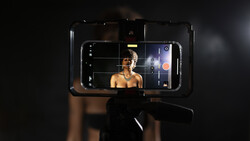
This video shares the stories of multiple people with Parkinson's and how special technology is helping them continue to create and preserve life's most important moments. Brett Harvey describes the shock of being told at 37 that he had Parkinson’s, something few expect at that age. A filmmaker by trade, he explains how tremors forced him to give up the cameras he had relied on for decades. The camera was his way of seeing and shaping the world, and suddenly, it wasn’t an option. Then he picked up an iPhone, switched on Action mode, and filmed his son riding a bike for the first time. Instead of thinking about whether the footage would be ruined, he found himself focused only on his son. That difference made him feel like filming was possible again.
Ellen Victoria describes how Parkinson’s made her withdraw, convinced romance and connection were behind her. Meeting her partner gave her back the part of herself she thought was gone. The video shows her rediscovering those emotions and the importance of being able to record them as they happen. In her words, it isn’t about polished moments, it’s about capturing real emotion before it slips away. That rawness is something she values even more now.
Bette W. speaks about her own diagnosis and her mother’s, which came decades earlier. Her grandmother, now 94, still amazes the family, and they celebrate every birthday in the backyard she loves, gifting her with a video from the family for her latest birthday. The video shows how important these rituals are. Parkinson’s is present, but it doesn’t erase joy or connection. By filming these gatherings, Bette preserves something that holds the family together. Her description of her mother as “the heart of the family” makes clear that recording these milestones is not just documentation, it’s an act of love.
Parkinson’s affects people differently, but common symptoms include tremors, stiffness, and slower movement. Tasks you once did without thought, like buttoning a shirt or writing a note, can take effort. The disease can also affect mood, sleep, and speech, which makes staying socially connected even more important. Because the progression is gradual, people often have to adjust piece by piece, slowly letting go of some abilities while finding ways to keep others. That’s why tools that make everyday activities easier, or allow you to continue something meaningful, have an impact far beyond convenience.
For Harvey, image and video stabilization isn’t about smooth footage, it’s about access. He had been using cameras for 30 years, and tremors made it impossible to do the thing that defined his career and passion. The iPhone's Action mode gave him a way to hold the camera again without losing the moment to shake. The excitement in his voice when he says filming again felt “life-changing” shows why accessibility tools matter. What is often thought of as a convenience becomes transformative when it makes something possible you thought you had lost.
Victoria’s story adds another layer, because it’s about intimacy and memory rather than craft. When she talks about how recording keeps emotions alive, you see how technology isn’t just a device feature, it’s a way to hold onto what Parkinson’s threatened to take away. For Bette, the technology supports generational storytelling, ensuring that her family is captured for years to come. These are three very different lives, but in all of them, accessibility makes a direct impact. Watch the video above to see the full story.





Join the Fstoppers community for free
-
Post comments and join in the discussions
-
Browse the site ad-free
-
Share your work and get featured in the community
-
Compete in the photo contests for fun and prizes