Have You Been Crippled by Self-Doubt as a Photographer?
Have you ever held back on sharing your photos, pitching an idea, or showcasing your art? How many times have you let Impostor Syndrome hold you back?
Below are the most bookmarked articles by our members.
Have you ever held back on sharing your photos, pitching an idea, or showcasing your art? How many times have you let Impostor Syndrome hold you back?
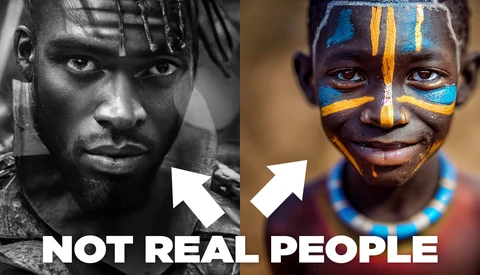
Every year, I've had to hear about how a new technology was going to kill the photography industry. I ignored it all, until now.
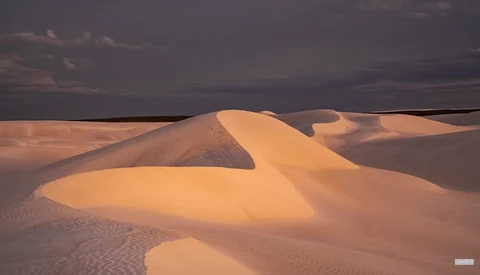
Composition is a particularly tricky aspect of landscape photography, especially since you have no control over the placement of the elements in the scene. If composition is something you struggle with, check out this awesome video tutorial that features an experienced landscape photographer offering some great advice sure to help you improve your photos.
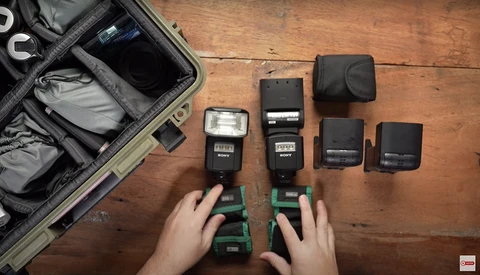
If you are new to the world of artificial lighting, it can sometimes feel like trying to learn a foreign language. It is really worth taking the time to learn it, though, as it will open up creative opportunities that simply are not possible otherwise and make you a far more versatile photographer. This excellent video tutorial will show you essential off-camera flash gear and some helpful basic tips to get you off and running.
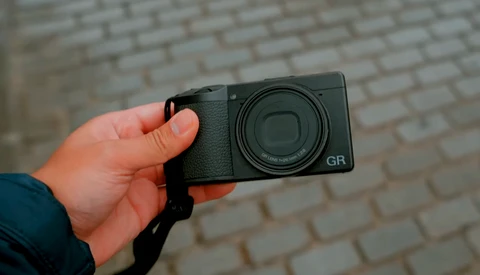
Practicing street photography is one of the quickest ways to become a better photographer. Here's why each and every one of you should be hitting the streets with your camera.
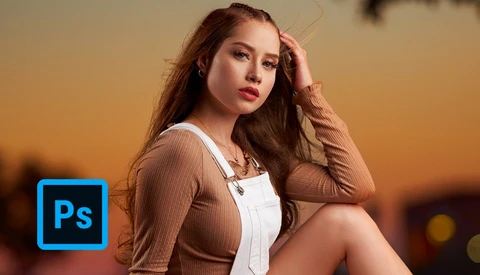
Knowing how to light, pose, and compose a portrait is only half the battle. To create a successful final image, you also need to have strong editing technique. If you would like to learn how to properly edit a portrait, check out this fantastic video tutorial that will guide you through the entire process, including frequency separation, dodging and burning, and color grading.
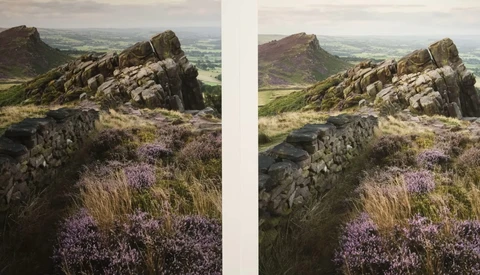
Aside from the price, often in the vicinity of thousands and thousands of dollars, can you actually tell the difference between an f/2.8 lens and an f/4 lens?
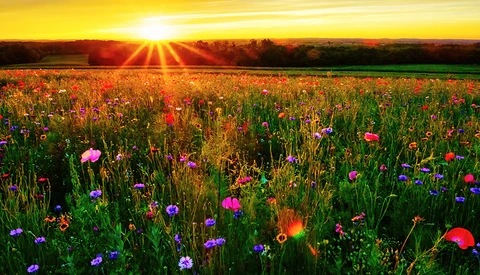
Are you struggling to find your style as a photographer? In teaching photography, I am often asked how you even know what your style should be. This is both the easiest and hardest question. Let me explain why.
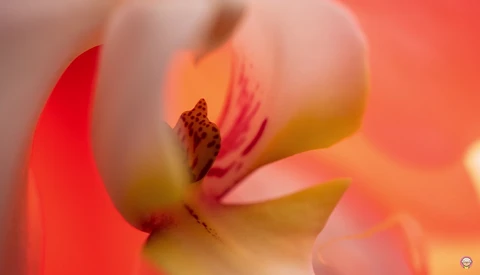
Flowers are some of the best subjects for macro photography, offering an almost endless range of looks and opportunities to expand your portfolio. If you are interested in your improving your flower macro imagery, check out this excellent video tutorial that will show you seven useful tips sure to put you on the track to better photos.
If I promise to not curse and do my best to keep my rants to a minimum, can we have a discussion about the ongoing dilemma for photographers which is Instagram?
There are some essential things about being a photographer, most of which photography books don't usually mention. Here are the seven most important lessons I learned as a photographer, including one exercise I use to hone my skills.
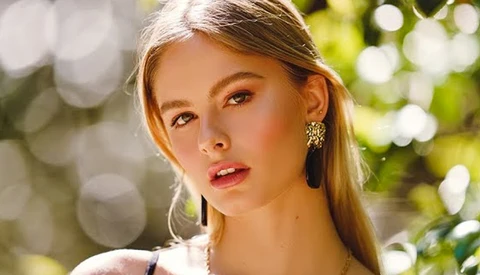
There are many different techniques you can use to retouch a portrait, and one of the more advanced and powerful out there is frequency separation. This helpful video tutorial will show you what frequency separation is and how to use it to edit a photo.

One of the most important habits every photographer or filmmaker should develop is a strong backup strategy that guarantees the safety of your files in the event of a hard drive failure or natural disaster. If you have not created yours yet, check out this helpful video tutorial that will show you how to properly ensure the safety of all your files.
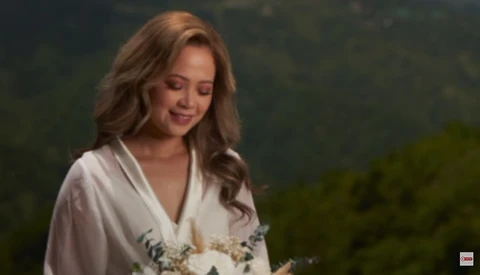
As much as lighting, posing, composition, and settings matter for creating a good portrait image, they are only half of what it takes to create a successful final result. You also need a strong post-processing workflow. If you are new to portrait work, check out this great video tutorial that will show you a basic editing workflow for creating polished final images.
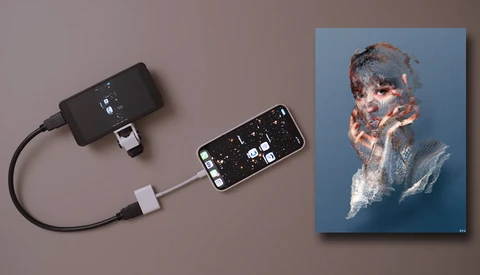
Thinking outside of the box can often result in interesting creations being made. Here's what happens when you repurpose an old iPhone for a glitchy photoshoot.
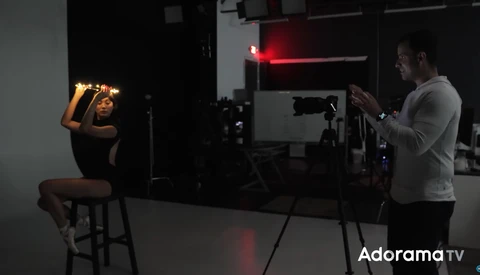
Photography can be an expensive pursuit, with cameras, lenses, and lights setting you back thousands and thousands of dollars. While that is true, the operative part is "can be". There are lots of ways to create amazing images on a modest budget.
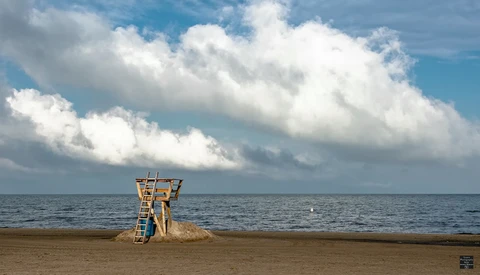
Lightroom has become quite an impressively capable editing program, able to tackle many advanced post-processing tasks that used to be reserved exclusively for Photoshop. As such, it can easy to overlook some of its tools. This excellent video tutorial will show you a lesser-known tool, what it does, and how to use it to create more precise edits.
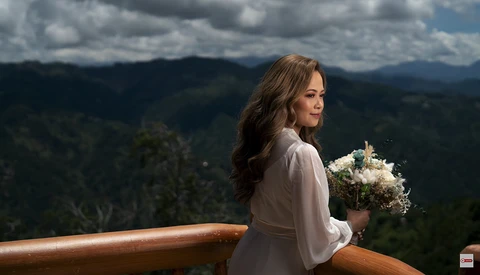
Like it or not, hard light happens a lot outside, and if you are a portrait or wedding photographer, you can't just reschedule the ceremony or session every time you don't have clouds to give you soft light. So, what can you do to still create flattering images? This excellent video tutorial will show you how adding a bit of flash to the scene can be just the solution you are looking for.

Most newer photographers will begin their editing journey in Lightroom rather than Photoshop, and even as you become more advanced, you will notice that you can still do a lot or even most of your editing in the former, only needing to resort to the latter for truly complex post-processing tasks. If you are a beginner and looking to understand how the various editing functions in Lightroom work, check out this great video tutorial that will have you up and running in no time at all.
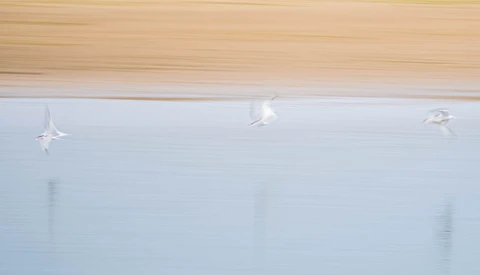
Photographers have three choices when selling photographs. They can be commissioned to shoot for a client, aim for the mass market, or choose to sell fewer, high-quality, collectible images with narrower interest. There are good reasons why you should consider the last option.
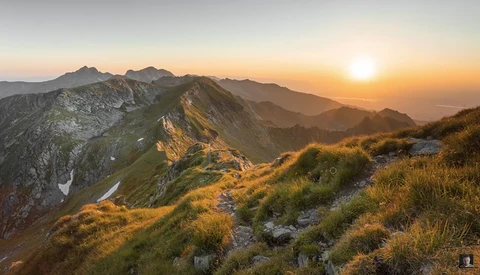
A photograph is a two-dimensional representation of a three-dimensional scene, and as such, part of the challenge posed to the photographer is recreating a sense of depth in the image. This is particularly important to holding your viewer's attention in landscape photography, and one of the most effective ways to accomplish this is through the use of layers. This excellent video tutorial will show you how to leverage them to create more effective photos.
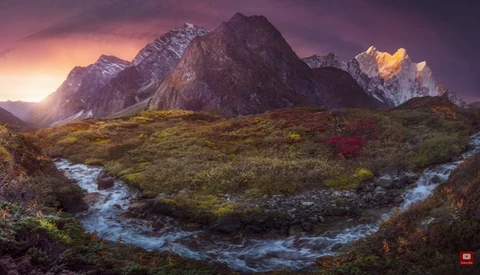
Landscape photography is a popular yet difficult genre, and while you can learn to create a technically apt photo, finding your creative voice is another issue entirely. Why is it so difficult to be creative in landscape photography? This fantastic video essay looks at the question and offers some useful insights you can apply to your own work.
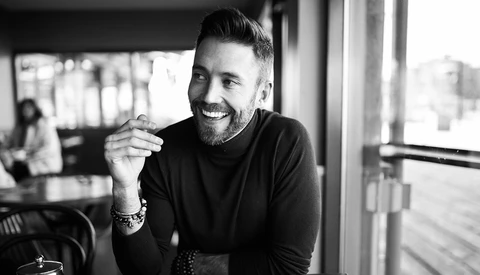
Looking back at my early portraits often makes me cringe. I’m not even afraid to admit it now. It was always a goal of mine to be a competent portrait photographer, but I was incredibly shy and didn’t know how to engage with the people in front of my lens. I was always somehow dissatisfied with my results, as I could never seem to connect with my subjects on a level deep enough for them to let their guard down.
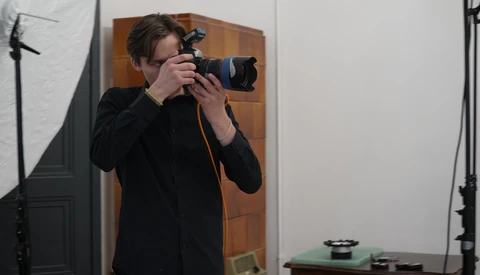
As photographers, we often are bogged down in what gear to buy, what lens to choose, what has better specs, and so on. To everyone's satisfaction or disappointment, these things will only make a marginal difference in most cases. As a photographer, you need to have more skills than gear. I am here to tell you the five most important ones.

There is honestly no task I hate more than culling large image sets, but if you are a sports, events, wildlife, or wedding photographer, you are probably used to coming home with sets of thousands of images. So, how can you make this tedious task as efficient and painless as possible? This excellent video tutorial will show you a fast and effective workflow.